
Chef Hidekazu Tojo has been one of Vancouver's most influential chefs since opening Tojo's in 1988. Best known for inventive sushi and refined Japanese cooking, he helped make the city a place where local seafood, West Coast produce and Japanese technique could meet on the same plate.
The California roll
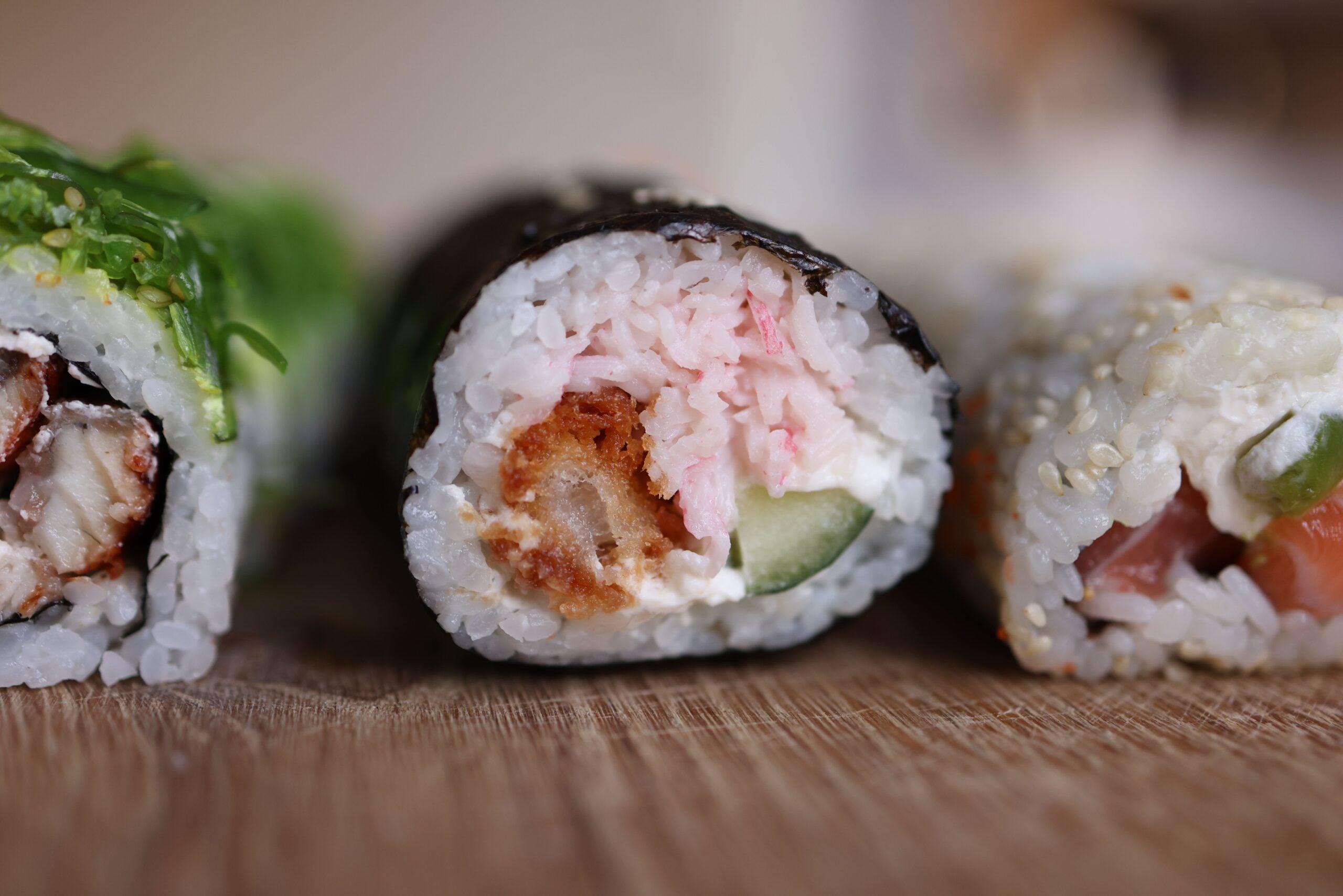
Few dishes say more about Chef Tojo's reach than the California roll, which he has long said he created in Vancouver in the 1970s while working at Maneki. He developed it for guests who were uneasy about raw fish and seaweed on the outside, so he put the nori inside and used cooked crab, avocado and cucumber.
That combination mattered because it translated sushi for a broader North American audience. In Vancouver, it helped turn sushi from a niche meal into an everyday one.
The roll's exact origin has been debated for years, but Tojo's version of the story became a central part of his public identity. In practical terms, the dish showed his larger talent: reading the room, respecting tradition and adapting without losing the core idea.
The B.C. roll
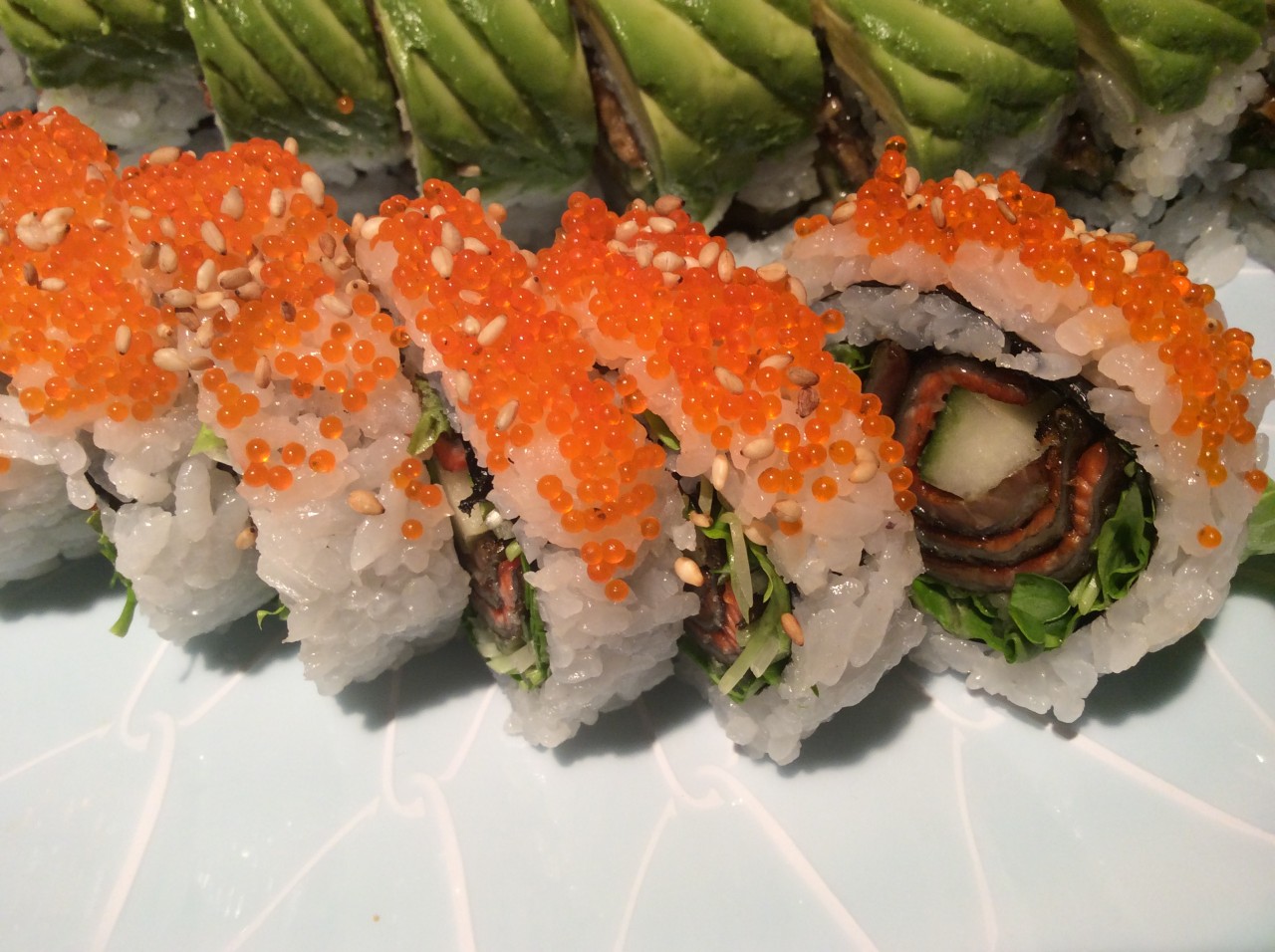
If the California roll opened the door, the B.C. roll made it feel unmistakably local. Chef Tojo created the roll using barbecued salmon skin, a filling that connected sushi to one of British Columbia's defining ingredients.
The texture is a big part of why it stands out. Crisp, savory salmon skin brings richness and smoke, while cucumber adds cool crunch and rice softens the edges. It is a simple idea, but it gave Vancouver a sushi roll with a strong regional identity.
That mattered in a city already proud of its seafood. The B.C. roll helped show that Japanese food in Vancouver did not have to imitate Tokyo or Los Angeles. It could reflect local waters, local habits and local tastes, and still feel fully itself.
Omakase at Tojo's
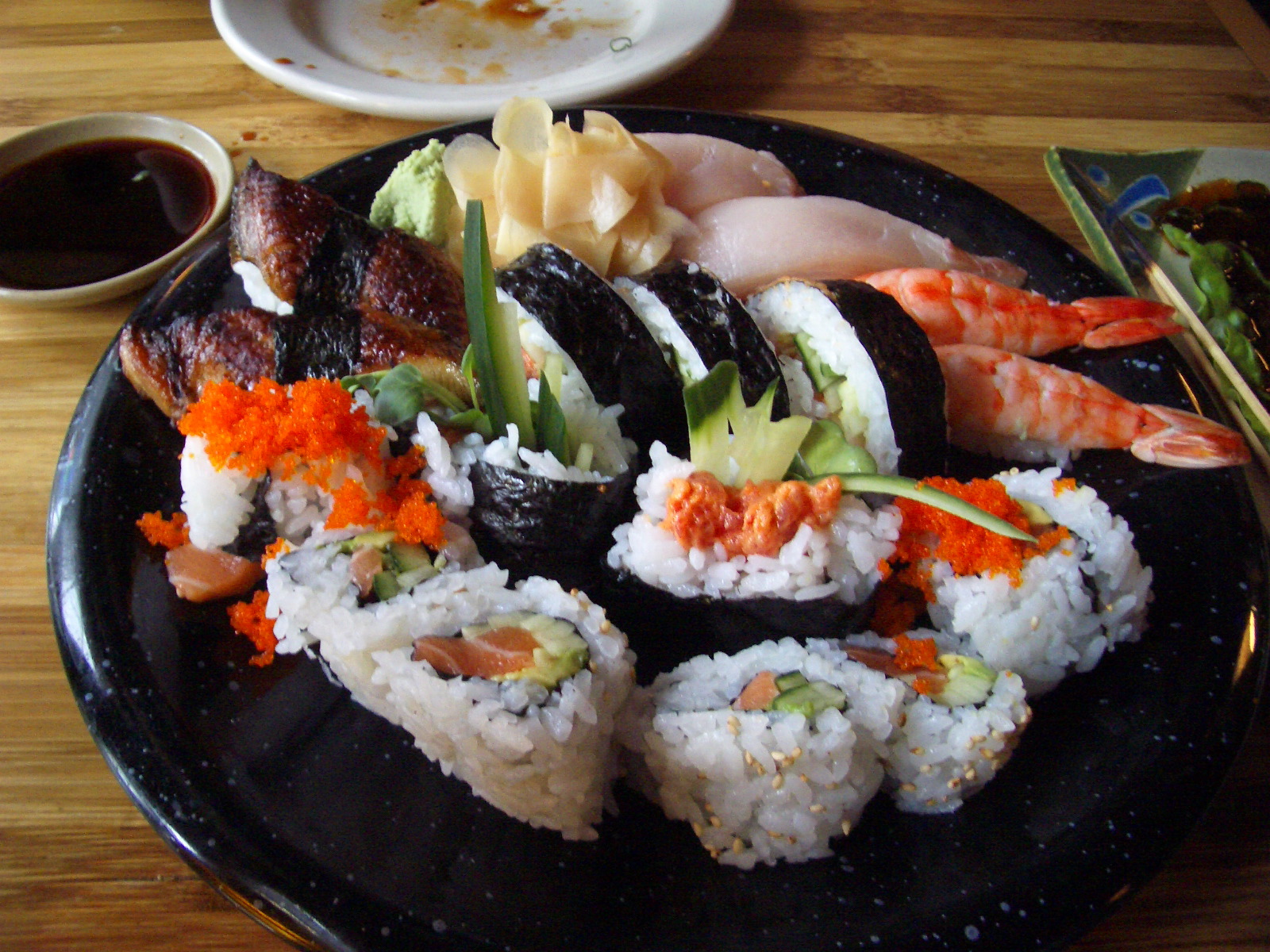
One of Chef Tojo's most important creations was not a single dish but a style of dining. At Tojo's, omakase, the Japanese phrase for "I leave it up to you," became a signature experience that introduced many Vancouver diners to a more personal way of eating.
Instead of ordering familiar rolls, guests could trust the chef to build a meal around seasonality, mood and ingredients at their peak. That shifted the focus from a checklist of items to the chef's judgment and the quality of the products.
In Vancouver, where access to seafood and produce is a point of pride, that approach fit naturally. It encouraged diners to think more deeply about what was in season, where it came from and how technique could reveal rather than hide those qualities.
Sockeye salmon sashimi
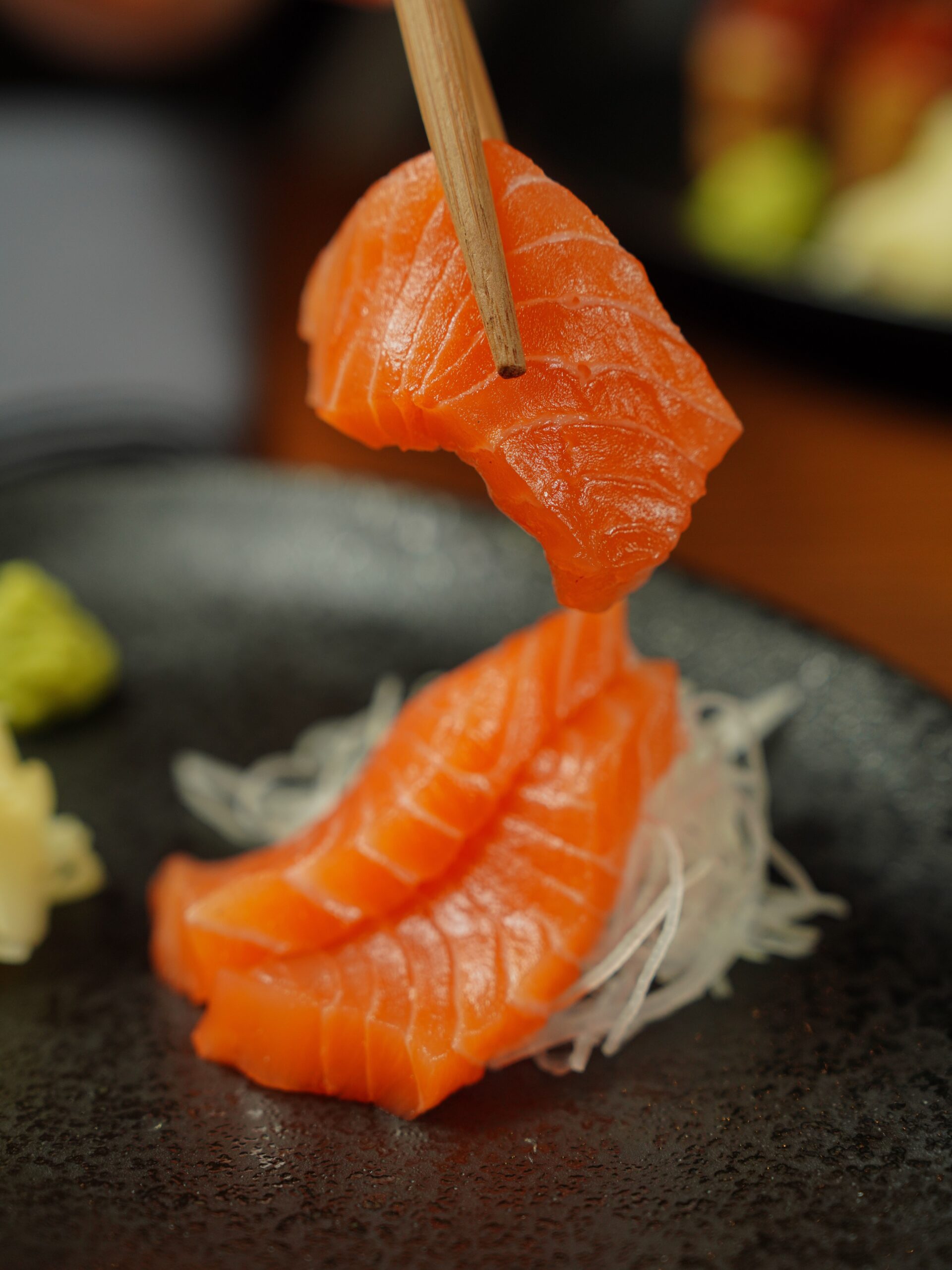
In many cities, imported fish long carried more prestige in Japanese restaurants. Chef Tojo helped challenge that idea by putting local sockeye salmon front and center, often in preparations that let its color, richness and clean flavor speak for themselves.
Serving sashimi this way sounds straightforward, but it was also a statement. It suggested that British Columbia seafood could stand with the best ingredients in Japanese cuisine when handled with care and precision.
That message resonated in Vancouver, where closeness to the coast shapes the city's identity. By highlighting sockeye salmon in a minimalist format, Tojo reinforced a broader shift in local dining: trust the ingredient, know its source and avoid doing more than the product needs.
Spot prawn dishes
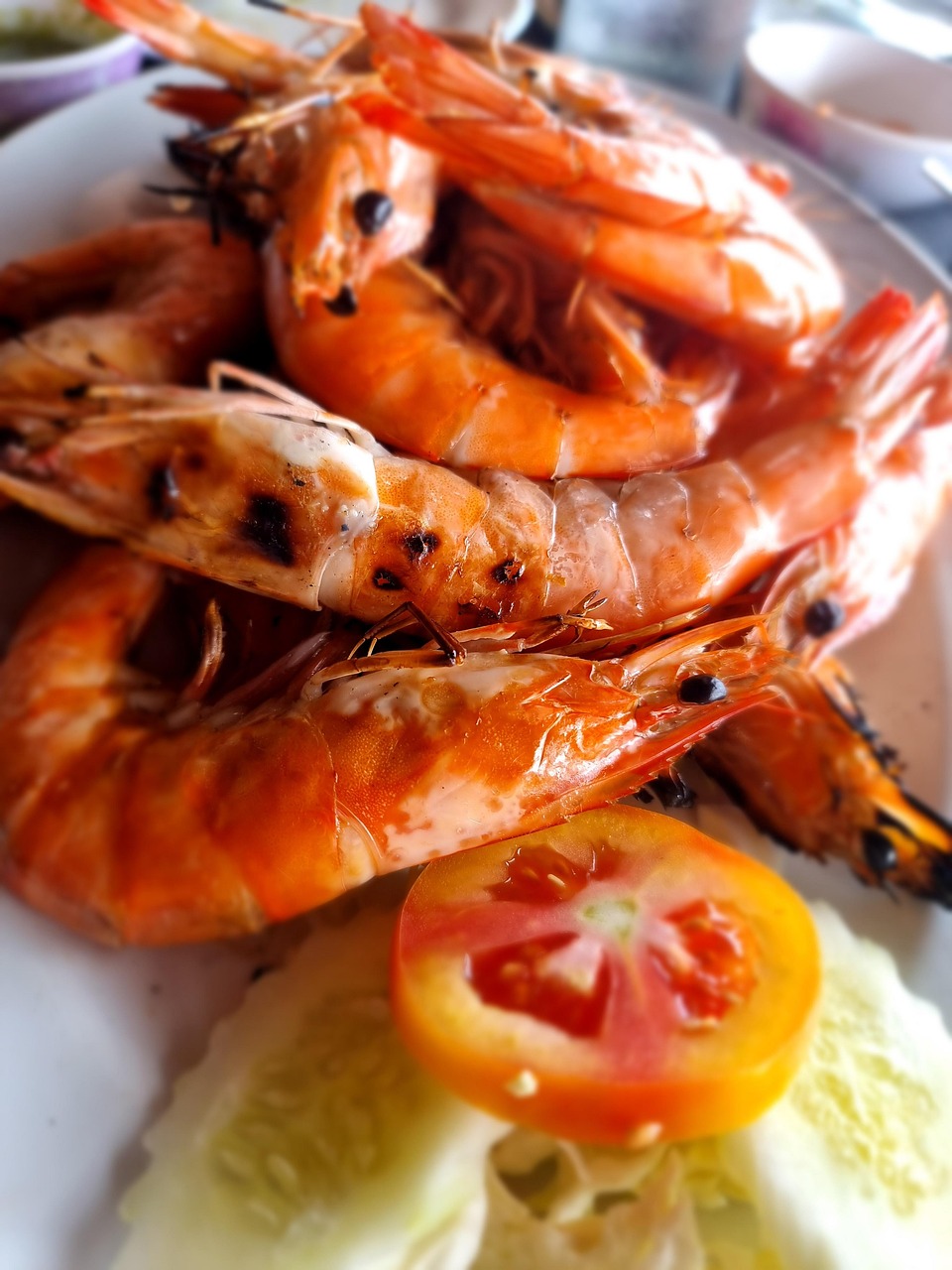
Vancouver's seasonal obsession with spot prawns found a natural home at Tojo's. Chef Tojo became known for using the prized local shellfish in ways that emphasized freshness, sweetness and texture rather than heavy sauces or complicated garnish.
Spot prawns arrive with a short season and a devoted following, which made them ideal for a chef who values timeliness and restraint. Served raw, lightly cooked or as part of a composed tasting menu, they reflected the immediacy of coastal dining in British Columbia.
Their importance goes beyond popularity. At restaurants like Tojo's, spot prawns helped teach diners to appreciate seasonality as something vivid and fleeting, not abstract. That lesson became central to Vancouver food culture, where the calendar often shapes the menu as much as the chef does.
Geoduck presentations
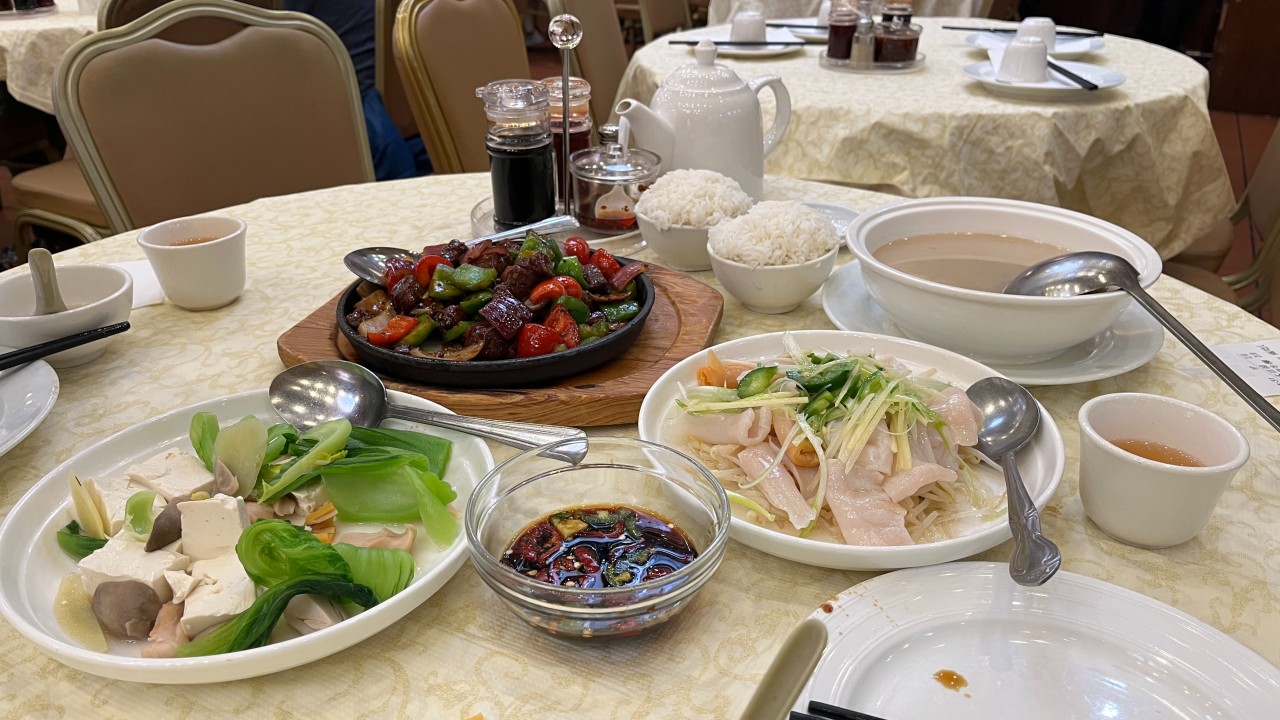
Geoduck is one of British Columbia's most unusual seafood products, and Chef Tojo helped present it to diners in a refined, accessible way. With its large siphon, firm texture and briny sweetness, geoduck can intimidate first-time eaters before they ever take a bite.
At Tojo's, careful slicing and elegant presentation transformed it from curiosity into delicacy. As sashimi or in composed seafood courses, it offered a clean, almost crisp bite that rewarded attention.
That mattered in a city surrounded by extraordinary ingredients that do not always market themselves easily. By treating geoduck seriously, Tojo contributed to a broader confidence in regional food culture. Vancouver diners learned that local specialties could be sophisticated, not just novel.
West Coast tasting menus
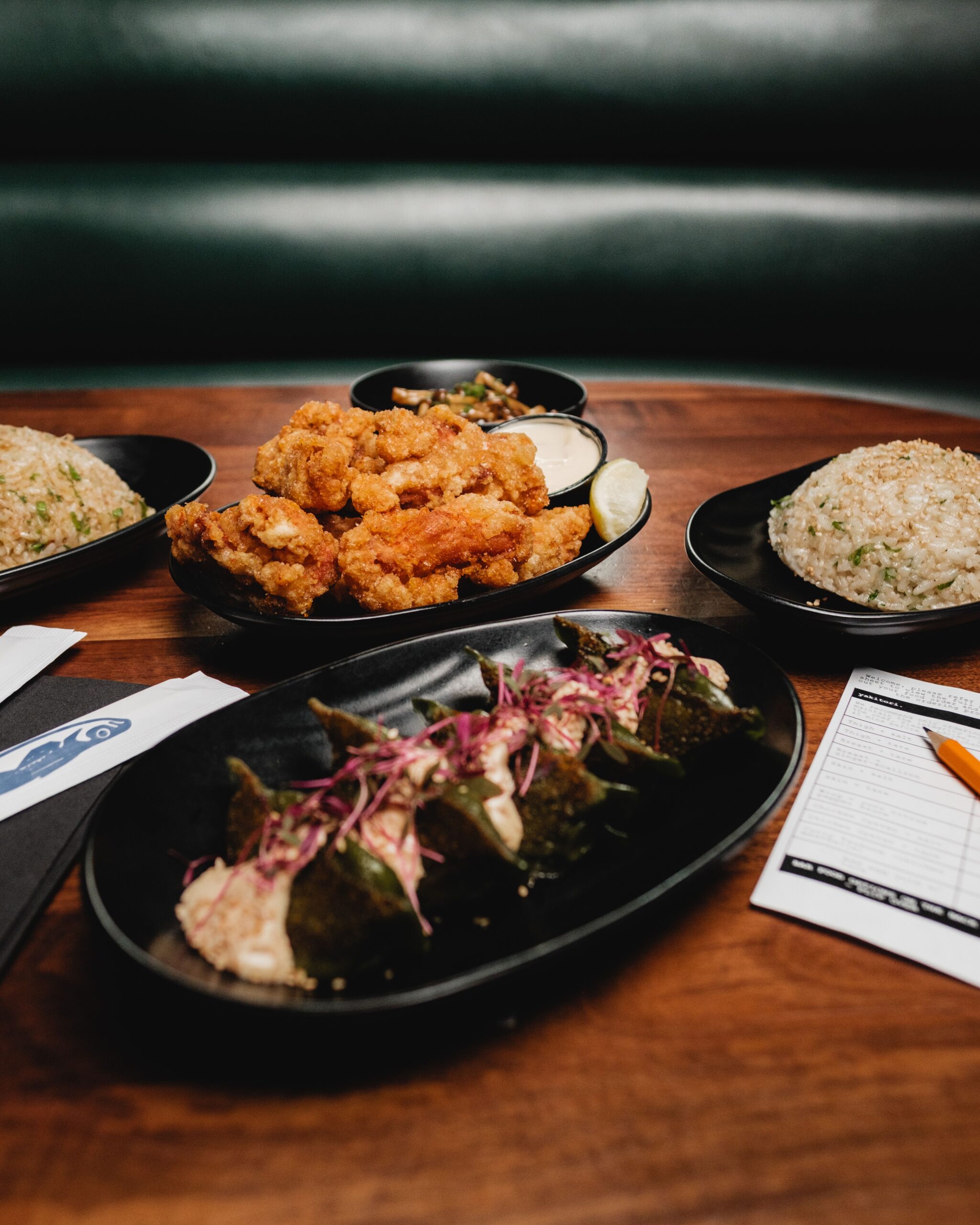
Chef Tojo's tasting menus helped define a fine dining version of West Coast Japanese cuisine. Rather than separating Japanese cooking from local ingredients, he built meals that placed B.C. seafood, vegetables and seasonal produce within a Japanese framework.
This approach had a quiet but lasting influence. It suggested that fusion did not need to mean confusion or excess. A thoughtful multi-course menu could be rooted in Japanese technique while still expressing the place where it was served.
For Vancouver, that idea was powerful. The city's food scene has long thrived on cultural overlap, but the strongest examples feel coherent. Tojo's tasting menus offered one model for that coherence, showing how local identity and culinary tradition could strengthen each other.
Tuna tataki and seared fish plates
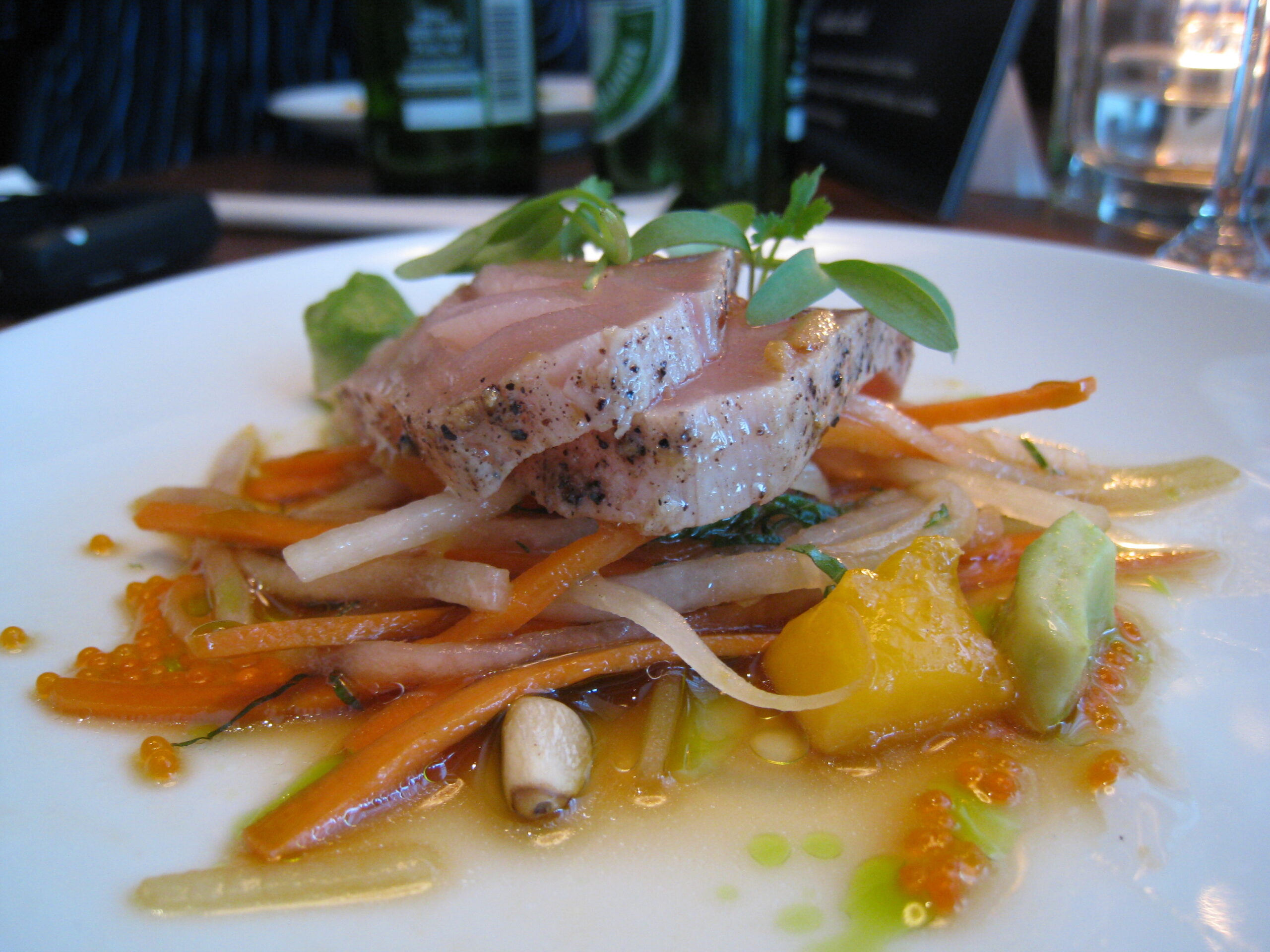
Some of Chef Tojo's most appealing dishes sit between raw and cooked, including tataki-style preparations in which fish is quickly seared on the outside and left rare within. That format gave cautious diners another path into Japanese cuisine.
A plate like tuna tataki delivers contrast in every bite. Heat meets coolness, smoke meets freshness, and the delicate interior stays visible. It is technical food, but the pleasure is immediate and easy to understand.
In Vancouver, dishes like these helped bridge different dining habits. Guests who were not ready for pure sashimi often found seared fish more familiar. By meeting people halfway without lowering standards, Tojo expanded the audience for Japanese food and deepened the city's comfort with it.
Vegetable-forward Japanese plates
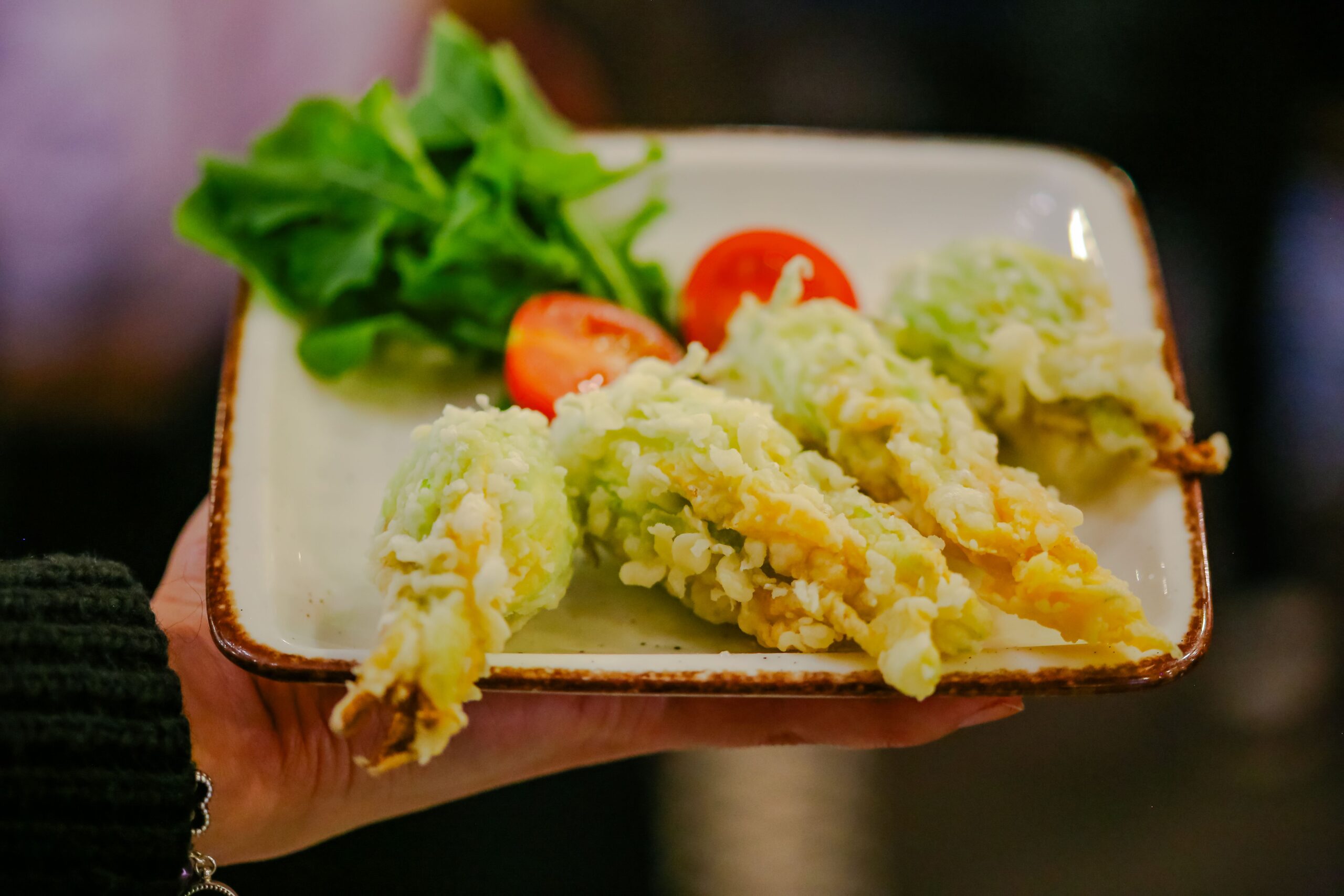
Chef Tojo's influence is sometimes reduced to sushi, but his cooking also showed unusual care for vegetables. In a region known for excellent farms and diverse produce, that attention helped broaden how diners understood Japanese food in Vancouver.
Vegetable-centered plates can reveal technique just as clearly as seafood does. Knife work, timing, seasoning and texture become more visible when there is nothing to hide behind. At Tojo's, produce was not an obligation on the side. It could be a focal point.
That mattered in a city increasingly interested in local agriculture and lighter styles of eating. By giving vegetables a serious place in his menus, Tojo aligned Japanese dining with another key West Coast value: respect for the harvest as much as the catch.
Tojo's tasting tradition
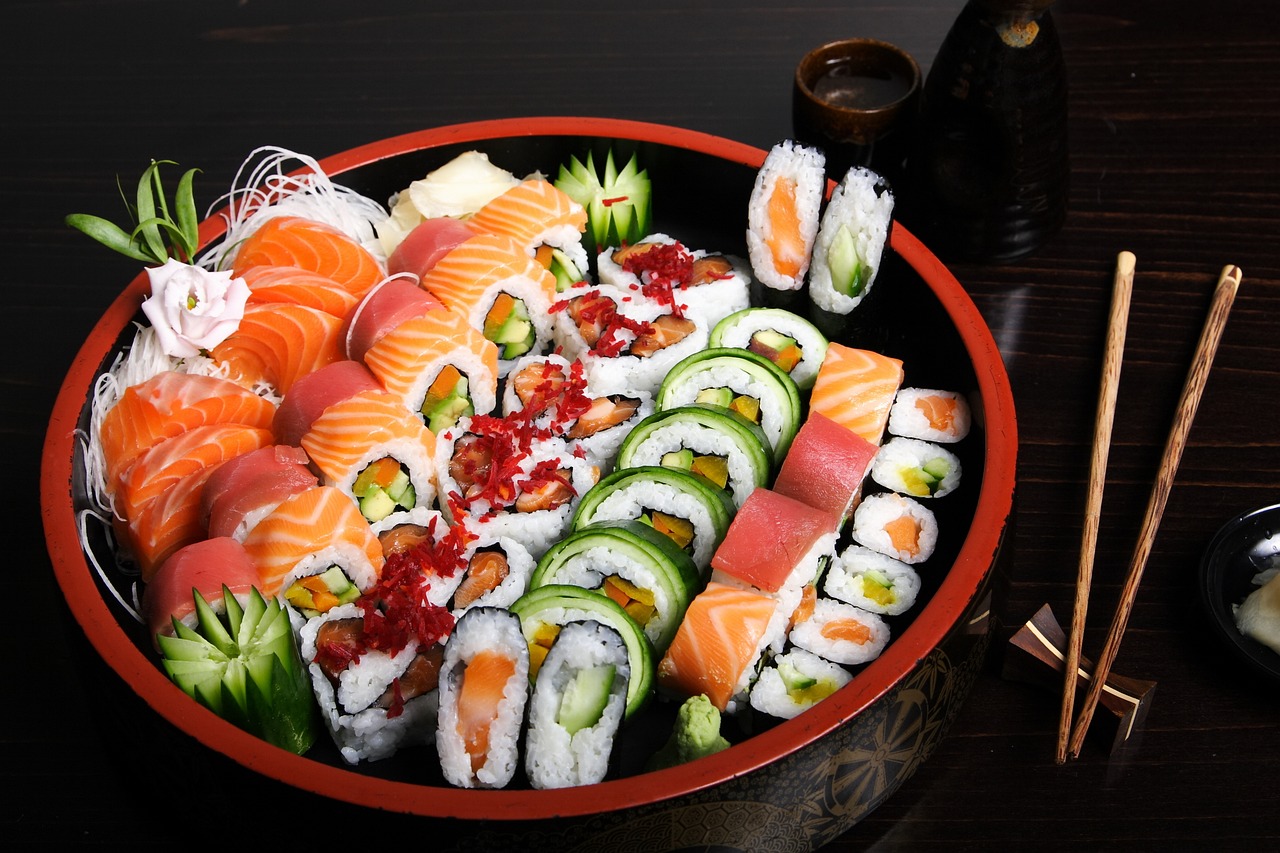
The most influential creation may be the one that ties all the others together: the long-running dining tradition at Tojo's itself. Since opening the restaurant in 1988, Chef Tojo has offered Vancouver a model of hospitality built on trust, precision and adaptation.
His best-known dishes, from the California roll to the B.C. roll, matter because they changed habits. But the larger legacy is the restaurant's steady demonstration that Japanese food in Vancouver could be both welcoming and exacting, local and deeply rooted in craft.
That balance helped shape the city's expectations. Diners came to value freshness, seasonality, thoughtful service and regional expression as part of the same experience. In that sense, Tojo did more than make memorable dishes. He helped define how Vancouver eats.


Leave a Reply