
Canada has plenty of foods worth celebrating. It also has a surprising number of pricey disappointments that lean more on reputation, novelty, or nostalgia than real eating pleasure.
Overloaded Poutine at Tourist Traps
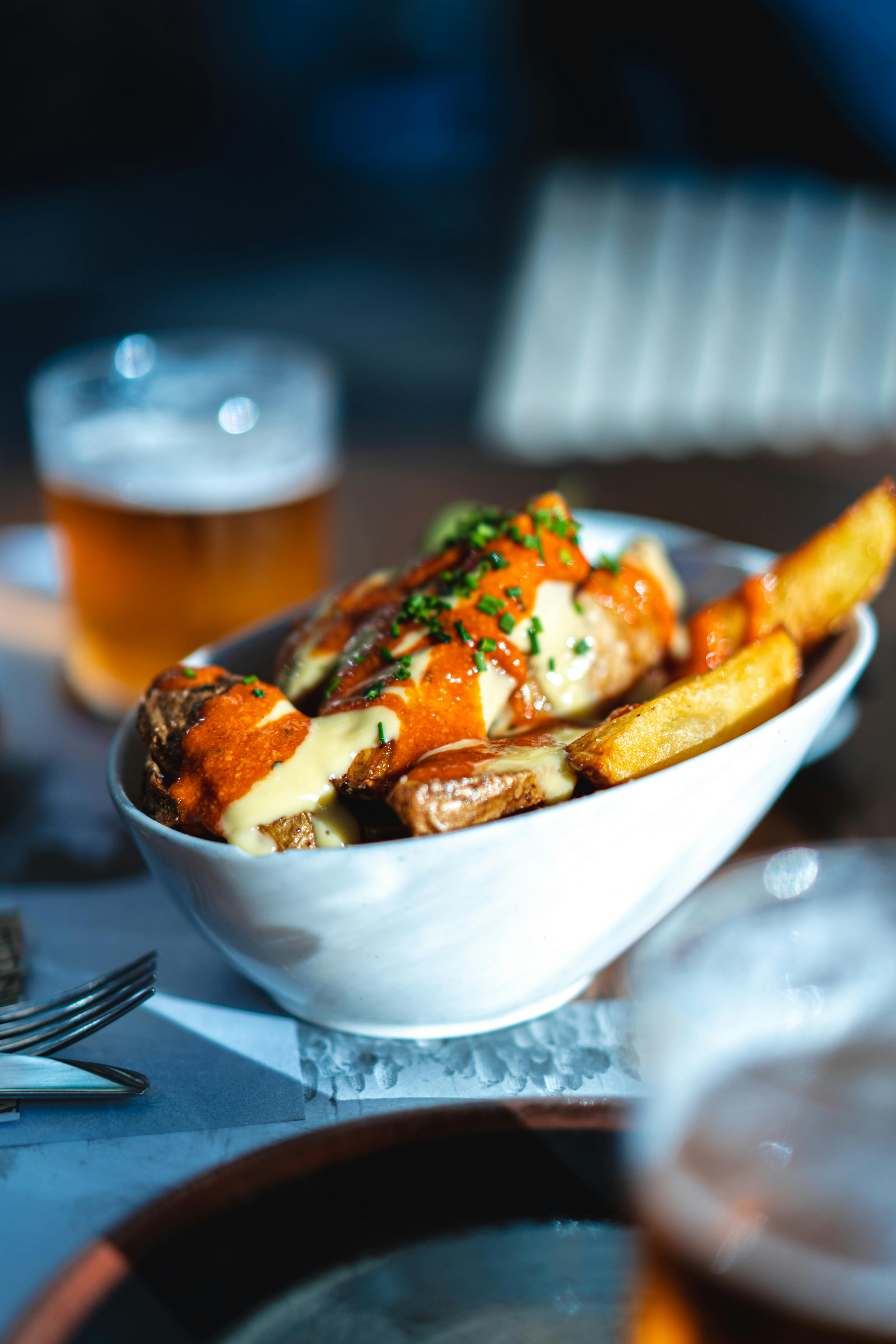
Poutine should be hard to mess up, yet many tourist-heavy spots do exactly that. The classic formula is simple: crisp fries, fresh cheese curds, and hot gravy. Once one of those elements slips, the whole dish turns into an expensive soggy pile.
The biggest issue is timing and texture. Fries often sit too long before serving, which means they collapse under gravy within minutes. Instead of a contrast between crunch, salt, and richness, you get a lukewarm mass that tastes heavier than satisfying.
Many restaurants also pile on gimmicky toppings to justify a steep price. Pulled pork, truffle oil, lobster, and smoked meat can push poutine into the $18 to $25 range. Those additions rarely improve balance and often hide the fact that the base ingredients are mediocre.
A well-made poutine remains one of Canada's best comfort foods. But if the venue is selling atmosphere, branding, and oversized portions more than freshness, your money is better spent elsewhere.
Mass-Produced Butter Tarts

Butter tarts can be excellent when they are fresh, flaky, and properly balanced between sweetness and texture. The problem is that many grocery-store and roadside versions are made to survive transport and shelf time, not to taste memorable.
That usually means a thick, overly sweet filling with little depth. Instead of tasting buttery, caramel-like, or gently custardy, the tart often lands with a blunt sugar hit. The pastry can be pale, soft, or oddly greasy, which ruins the contrast the dessert needs.
Regional pride has also inflated expectations. Ontario bakeries, markets, and festivals often present butter tarts as a must-buy local treasure. Yet the quality gap between a carefully made bakery tart and a factory-made pack is enormous, while the price difference keeps shrinking.
If you are paying premium bakery rates, the tart should deliver more than sweetness. Too often, it is a forgettable dessert that trades on national affection rather than craftsmanship.
Maple Syrup Candies and Tourist Sweets
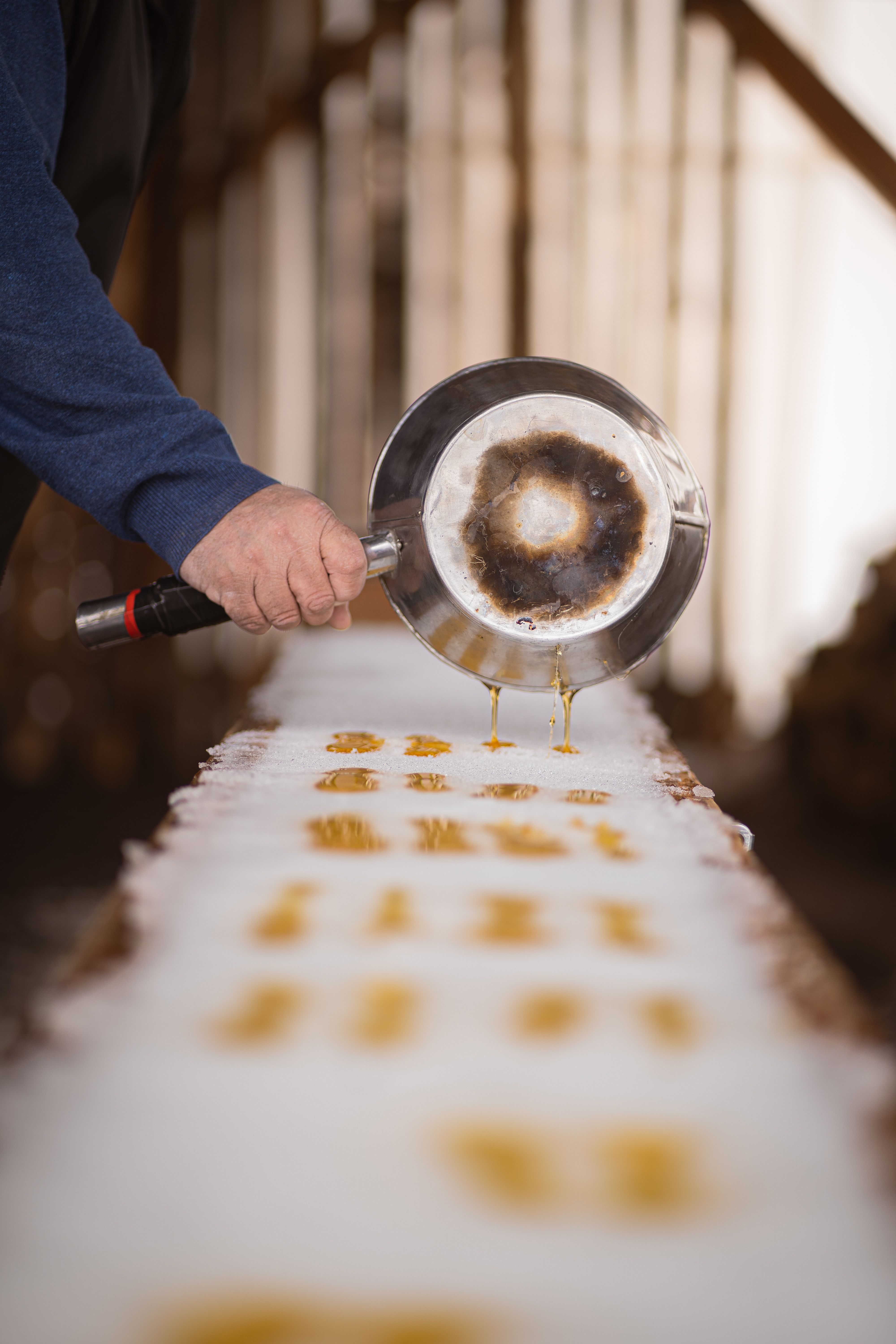
Maple syrup is one of Canada's strongest food products, but not every maple-based sweet deserves your cash. Tourist shops often convert a great ingredient into candies, cookies, and novelty treats that taste far less impressive than pure syrup itself.
A common problem is one-note sweetness. Maple candy can be intensely sugary, with little of the woody, deep flavor that makes high-quality syrup special. Texture is another issue, since some pieces turn chalky or grainy after sitting too long on store shelves.
Gift-shop packaging also inflates prices dramatically. Small boxes in airport stores or souvenir districts can cost far more per gram than excellent syrup from producers or farm stands. You are often paying for patriotic branding, not better ingredients.
If you want a true maple experience, buy the real thing. Once maple becomes a shelf-stable novelty item, the flavor payoff rarely matches the markup.
Cheap Grocery-Store Nanaimo Bars
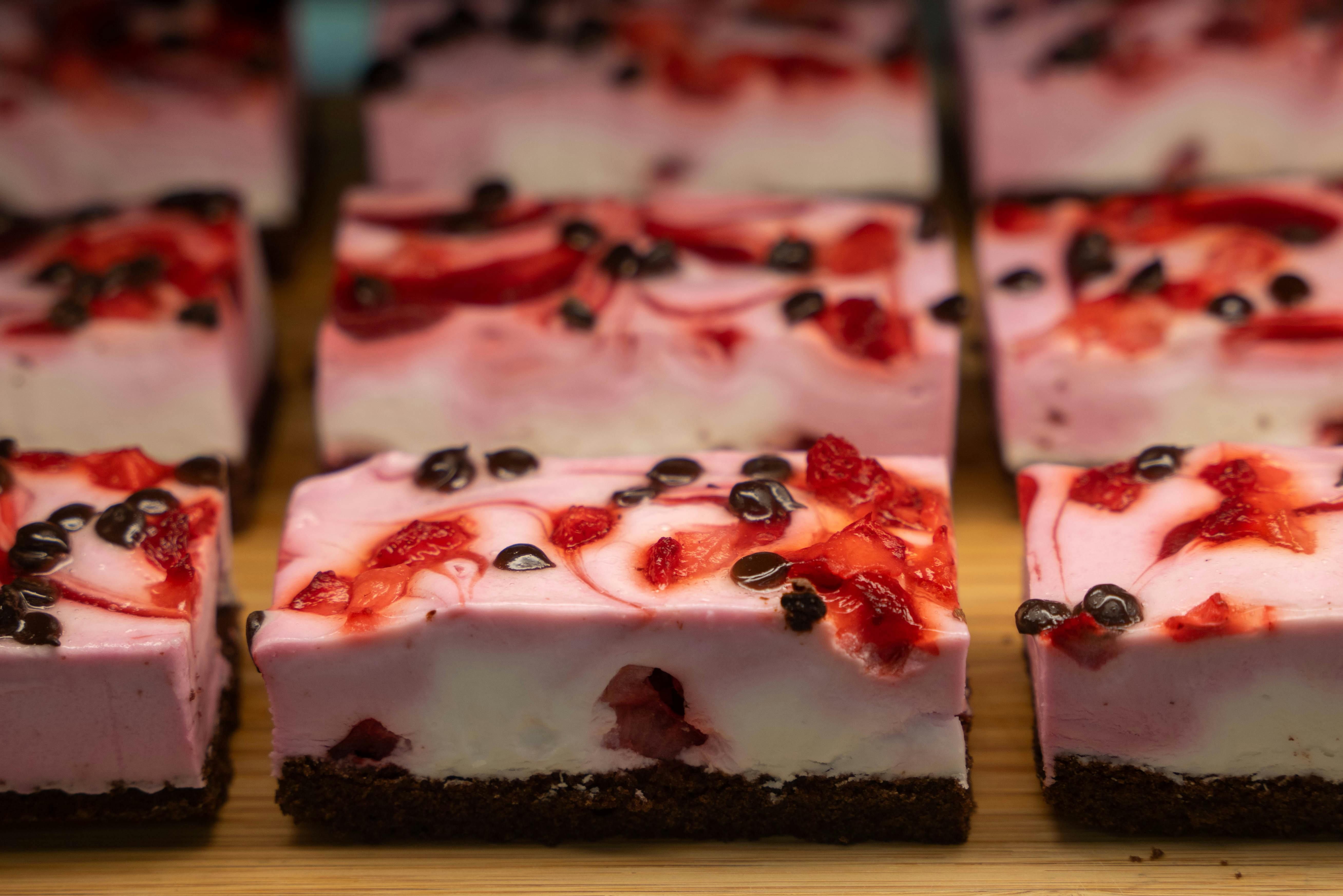
A good Nanaimo bar is rich, layered, and surprisingly balanced despite its sweetness. The trouble starts when large commercial bakeries simplify the recipe. What should feel indulgent and distinct ends up tasting like sugar, waxy chocolate, and artificial custard flavor.
The bottom layer is often the first giveaway. Instead of a chewy mix with coconut, crumb, and cocoa depth, mass-market versions can feel dense and stale. The middle layer may be overly firm from refrigeration, making the bar less creamy than it should be.
Portion pricing is another frustration. Individually wrapped versions in cafes, airport kiosks, and supermarket bakery cases can be sold at premium dessert prices despite low ingredient quality. The visual appeal is there, but the eating experience often falls flat.
Nanaimo bars are best when made fresh and cut carefully. When they are industrialized for convenience, they become one of the easiest Canadian treats to regret buying.
Cedar-Planked Salmon in Mediocre Restaurants

Cedar-planked salmon sounds refined, local, and worth a splurge. In reality, many casual restaurants use the concept as a menu signal rather than a guarantee of superior cooking. Diners pay extra for presentation and aroma, while the fish itself may be ordinary.
Salmon quality varies widely across Canada's restaurant scene. Frozen portions, overcooking, or heavy glazing can leave the fish dry and one-dimensional. The cedar influence, when handled poorly, becomes a superficial smoky note rather than an integrated flavor.
This dish also suffers from price inflation. Seafood costs are real, but "cedar-planked" often adds a premium even when the portion is modest and the sides are forgettable. A basic rice-and-vegetable plate can suddenly approach fine-dining pricing without fine-dining execution.
When the kitchen uses excellent fish and careful timing, the dish can shine. Too often, though, the plank does more work than the salmon, and that is a poor value.
Airport BeaverTails and Similar Pastries
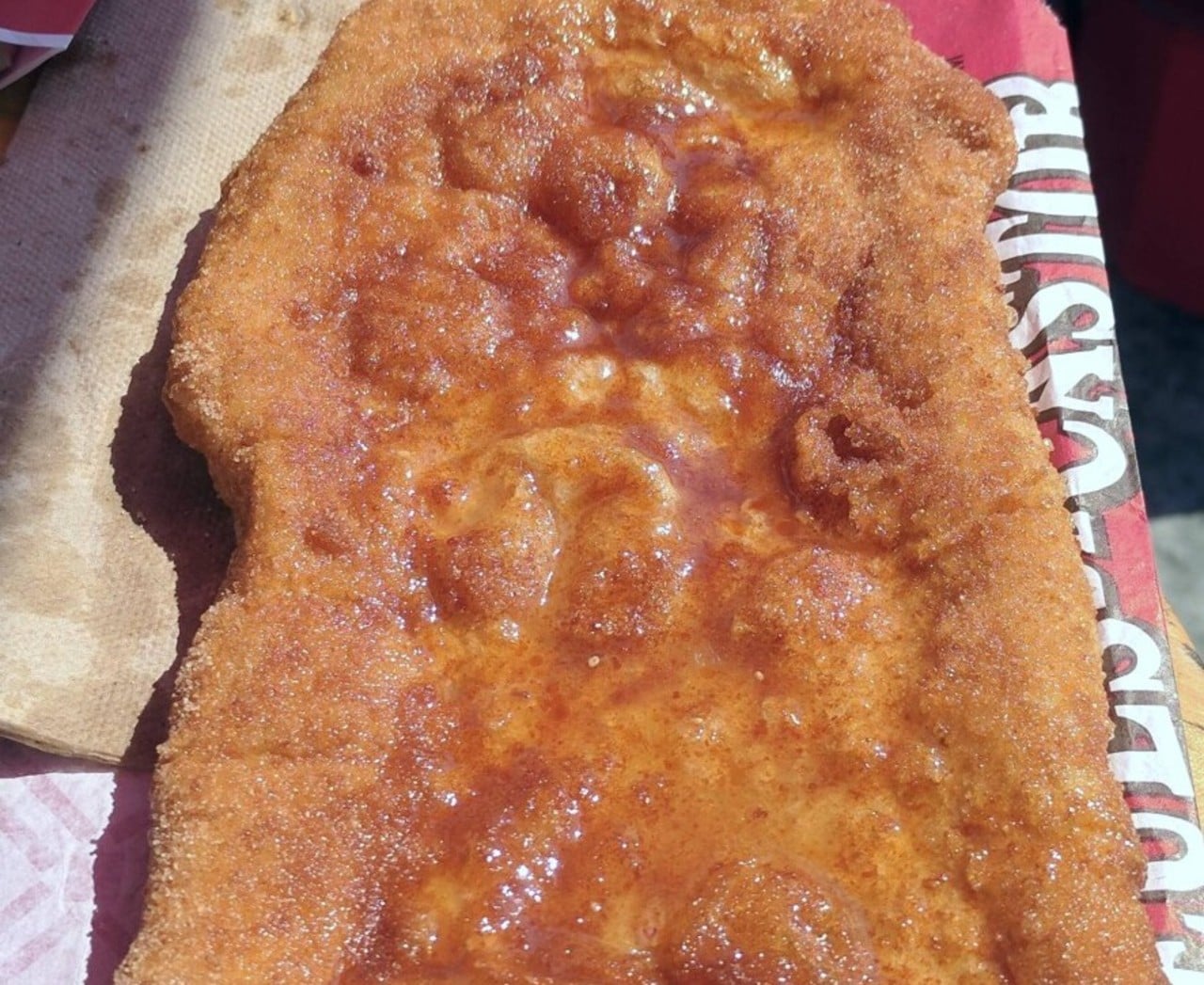
Fresh fried dough can be irresistible, which is why BeaverTails and similar pastries draw long lines in high-traffic areas. The catch is that venue matters. In airports, stadiums, and major tourist zones, freshness and value often disappear first.
A pastry that should be hot, crisp-edged, and light can arrive chewy or oily when production is rushed. Toppings such as chocolate spread, candy, or sweet sauces then make the texture even heavier. What looked fun in the display case turns exhausting halfway through.
Pricing makes the disappointment worse. You can easily spend the cost of a full meal on one pastry and a drink. For a product built on flour, sugar, and oil, that markup becomes hard to defend unless execution is excellent.
These treats work best at busy outdoor stands that turn them over fast. In captive-price environments, they become an easy impulse purchase and an easy regret.
Low-End Tourtière from Frozen Cases
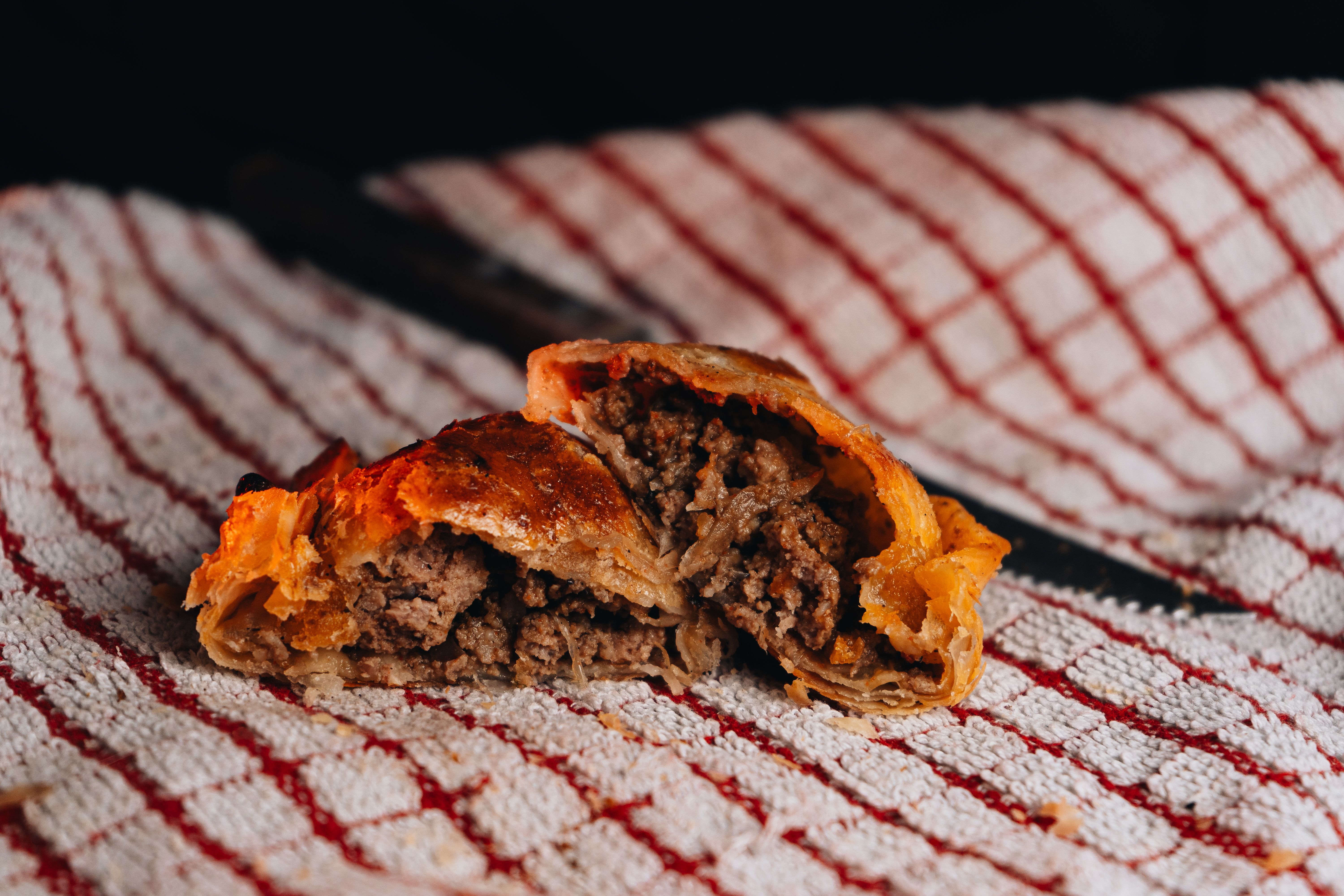
Tourtière has deep roots in French Canadian cooking, especially in Quebec during the holidays. At its best, it is savory, aromatic, and comforting. At its worst, especially from frozen supermarket cases, it tastes like seasoned filler sealed inside forgettable pastry.
The main complaint is usually the meat mixture. Lower-end versions can be too finely processed, too salty, or oddly dry, with spice profiles that feel flat rather than warm and layered. Instead of tasting homemade, they taste engineered for broad shelf appeal.
Crust quality also tends to suffer. Frozen pies often bake unevenly, with pale bottoms and cracked tops. That leaves a texture mismatch where the pastry either crumbles into dust or turns dense around a bland center.
A carefully made tourtière is worth seeking out from butchers or trusted bakeries. Cheap versions, however, often trade tradition for convenience and leave buyers underwhelmed.
Lobster Rolls Sold Far from the Coast

Lobster rolls in Canada can be outstanding in Atlantic regions where supply is fresh and local. Problems start when the dish appears in inland food halls, trendy cafes, or chain restaurants using the idea more than the ingredient.
The first risk is quality drift. Lobster meat may be previously frozen, overdressed with mayonnaise, or chopped so finely that texture disappears. In some cases, the roll contains more bun, lettuce, and filler than actual seafood, which makes the premium price feel absurd.
There is also a hype tax. Because lobster signals luxury, sellers often charge aggressively even for small portions. Consumers expect sweetness, tenderness, and freshness, but what they get can resemble a cold seafood salad in an expensive split-top bun.
Near the source, lobster rolls can justify the spend. Far from the coast, too many versions depend on branding and scarcity rather than a truly satisfying product.
Candy-Coated Ketchup Chips Limited Editions

Ketchup chips are a genuinely recognizable Canadian snack, but the endless limited-edition spin-offs are where regret sets in. Brands frequently stretch the flavor into extra-sweet, extra-spicy, or novelty-coated versions that create curiosity without delivering balance.
Classic ketchup chips work because the seasoning blends tang, salt, and mild sweetness. Limited runs often exaggerate one element until the chips taste artificial or cloying. Some leave a sticky coating on the fingers and a harsh aftertaste that overwhelms the potato itself.
Packaging and scarcity also influence buying decisions. Seasonal labels and "Canada-exclusive" marketing can make a bag feel collectible or special. Yet after the first handful, many buyers realize they paid a premium for a gimmick that lacks the reliability of the standard version.
Not every snack innovation is a mistake. But with ketchup chips, the simplest version usually remains the smartest purchase.
Sugar Pie from Average Bakeries

Sugar pie sounds comforting and old-fashioned, especially in Quebec and parts of eastern Canada where it carries cultural weight. Still, average bakery versions often struggle to rise above their own sweetness. What should taste rich and nuanced can become flat very quickly.
The filling is the critical point. Good sugar pie has caramel notes, a silky texture, and enough salt or dairy depth to keep each bite interesting. Inferior versions taste like thickened syrup in a crust, with very little complexity to support repeated bites.
Crust execution matters just as much. If the shell is underbaked, the slice feels gummy. If it is too thick or dry, the pie becomes heavy before the flavor has any chance to develop.
This is a dessert that demands restraint and skill. Without both, sugar pie turns into an overpriced sugar delivery system, not a memorable Canadian classic.

Leave a Reply