
Some food brands build loyalty over decades, then lose ground when recipes change, quality feels less consistent or prices rise faster than expectations. Here are 10 Canadian food brands that customers, reviewers and longtime fans have said have slipped, based on recurring public complaints and widely reported criticism.
Tim Hortons

Few Canadian brands are tied to daily habit the way Tim Hortons is, which makes disappointment especially visible. Complaints about the chain often focus on food quality, order accuracy and a sense that the menu has become too broad without getting better.
One of the biggest turning points for critics remains the switch from in store baking to par baked and frozen products finished at individual locations. Many longtime customers have argued that donuts and baked goods no longer taste as fresh as they once did, even if the system improved consistency and speed for the company.
More recently, social media posts and review sites have filled with criticism about breakfast sandwiches, coffee consistency and basic service issues. The brand still dominates in scale, but for a company built on routine comfort, even small misses get noticed quickly.
Kraft Dinner
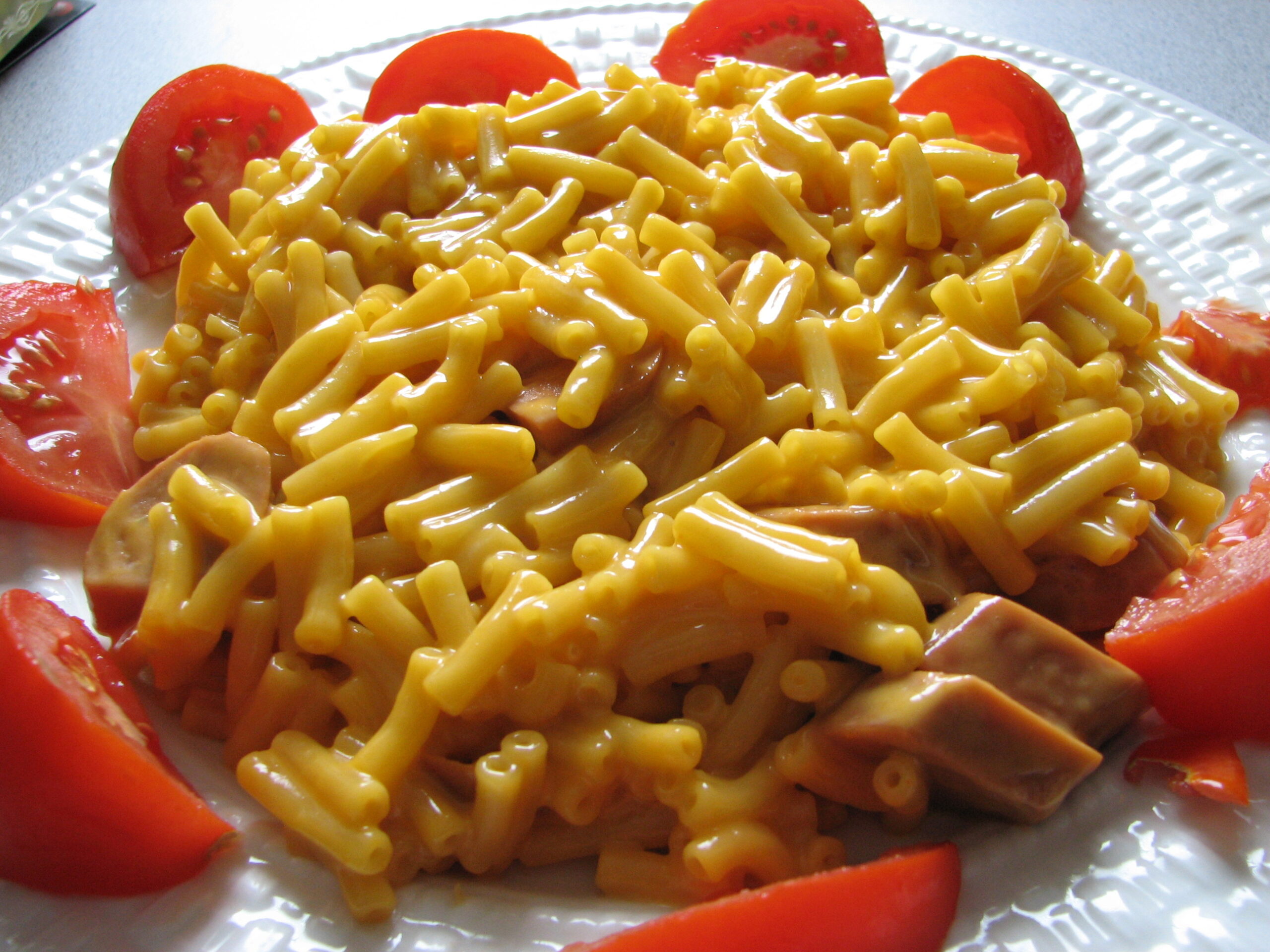
Kraft Dinner is still a pantry staple in Canada, but it has also become a common target for nostalgia driven criticism. Shoppers regularly compare current boxes to earlier versions and say the taste, texture and cheese powder balance no longer hit the same way.
Part of that reaction comes from reformulations over time, which large food companies often make to adjust ingredients, supply chains or nutrition goals. Even when the changes are subtle, a product people ate for years can trigger immediate backlash if it seems less rich, less bright or less satisfying.
Price has sharpened that frustration. When a low cost comfort food starts to feel more expensive, customers tend to judge every spoonful more harshly. Online discussions often frame Kraft Dinner as something that now costs more while delivering less of the familiar flavor people remember.
President's Choice
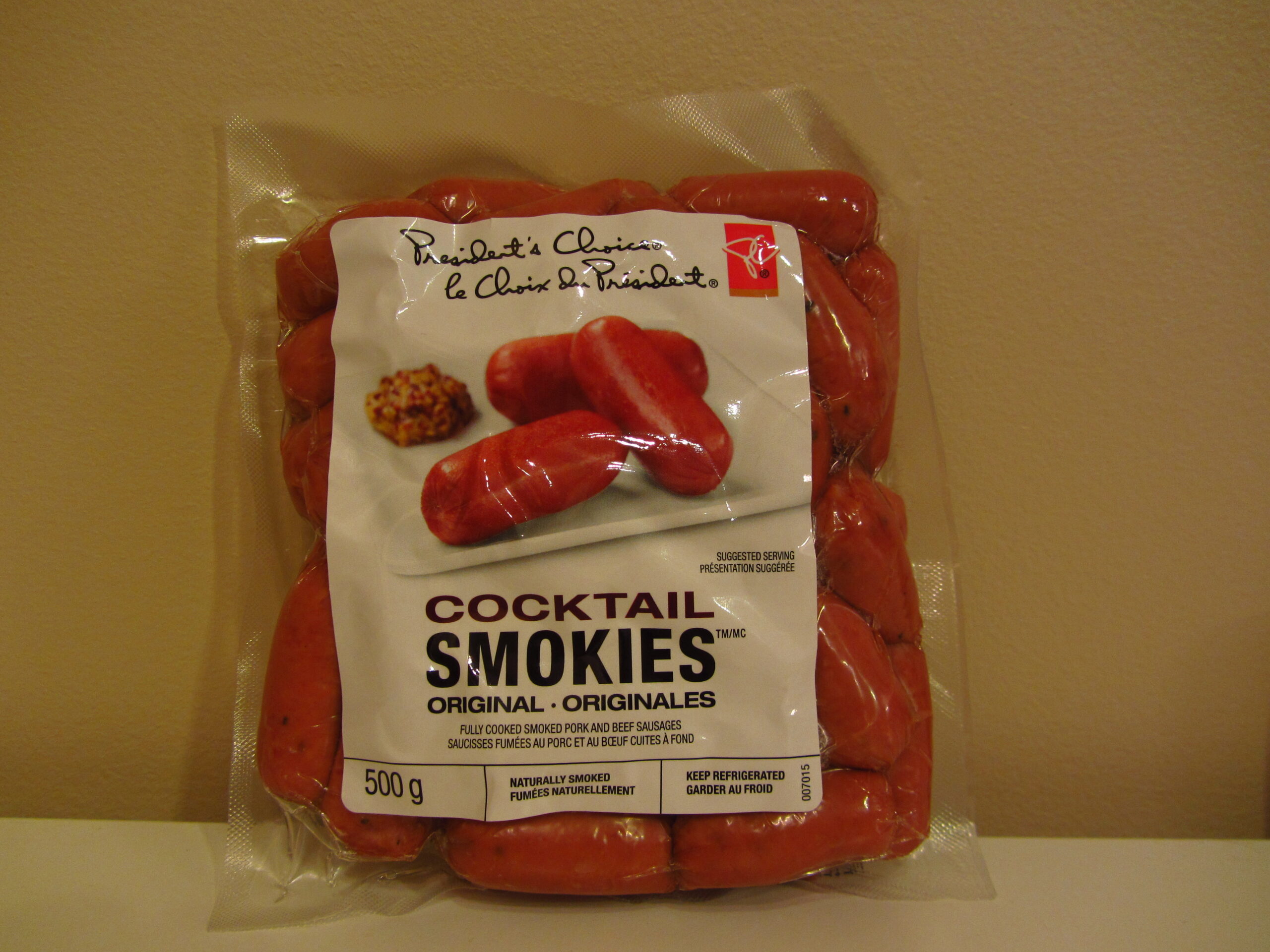
President's Choice built its reputation on making private label food feel inventive, reliable and often better than expected. In recent years, some shoppers have argued that the label has become less special, with more complaints about shrinking package sizes, changed recipes and products disappearing altogether.
Because the brand spans everything from frozen appetizers to cookies and pantry basics, the criticism is not about one single item. Instead, the broader complaint is inconsistency. A product customers loved may return with a different ingredient list, a different texture or a smaller package at a higher shelf price.
That perception matters because President's Choice was long sold as a smart compromise between premium taste and grocery store value. When either side of that promise feels weaker, shoppers notice fast and often say the gap between expectation and reality has widened.
Swiss Chalet
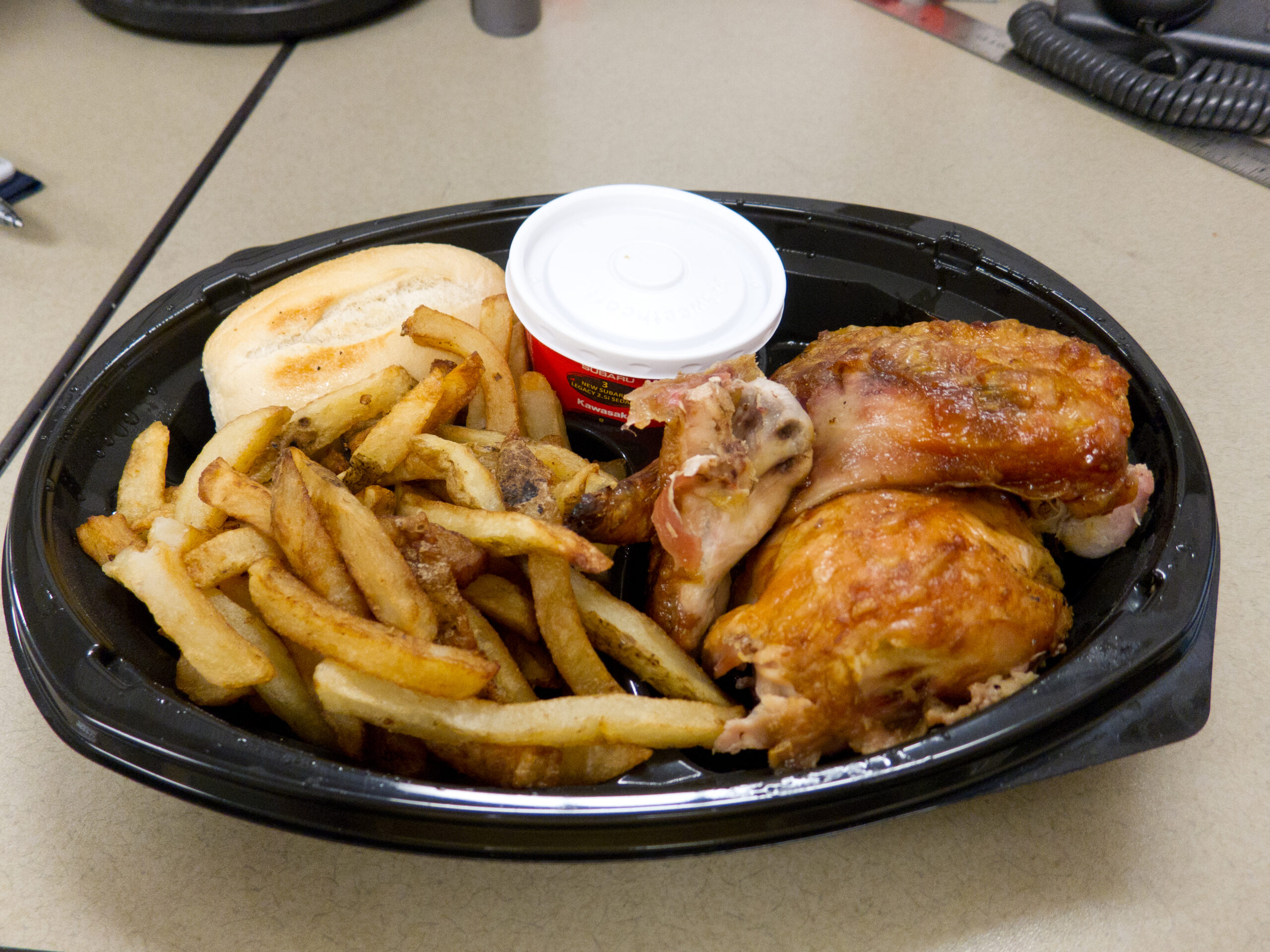
Swiss Chalet built a loyal following on a simple formula: rotisserie chicken, Chalet sauce and familiar sides. The chain still has devoted customers, but many recent complaints argue that portions have shrunk, side dishes feel less generous and the chicken can be inconsistent from one visit to the next.
Restaurant brands often struggle when takeout becomes a bigger share of the business, and Swiss Chalet is no exception. Fries can lose texture in transit, sauce portions can feel stingy and a meal built on warmth and freshness does not always travel well.
The result is a steady stream of customer comments saying the chain no longer feels like the dependable family dinner option it once was. For a brand rooted in comfort food, perceived decline tends to stand out more than at trend driven competitors.
St Hubert
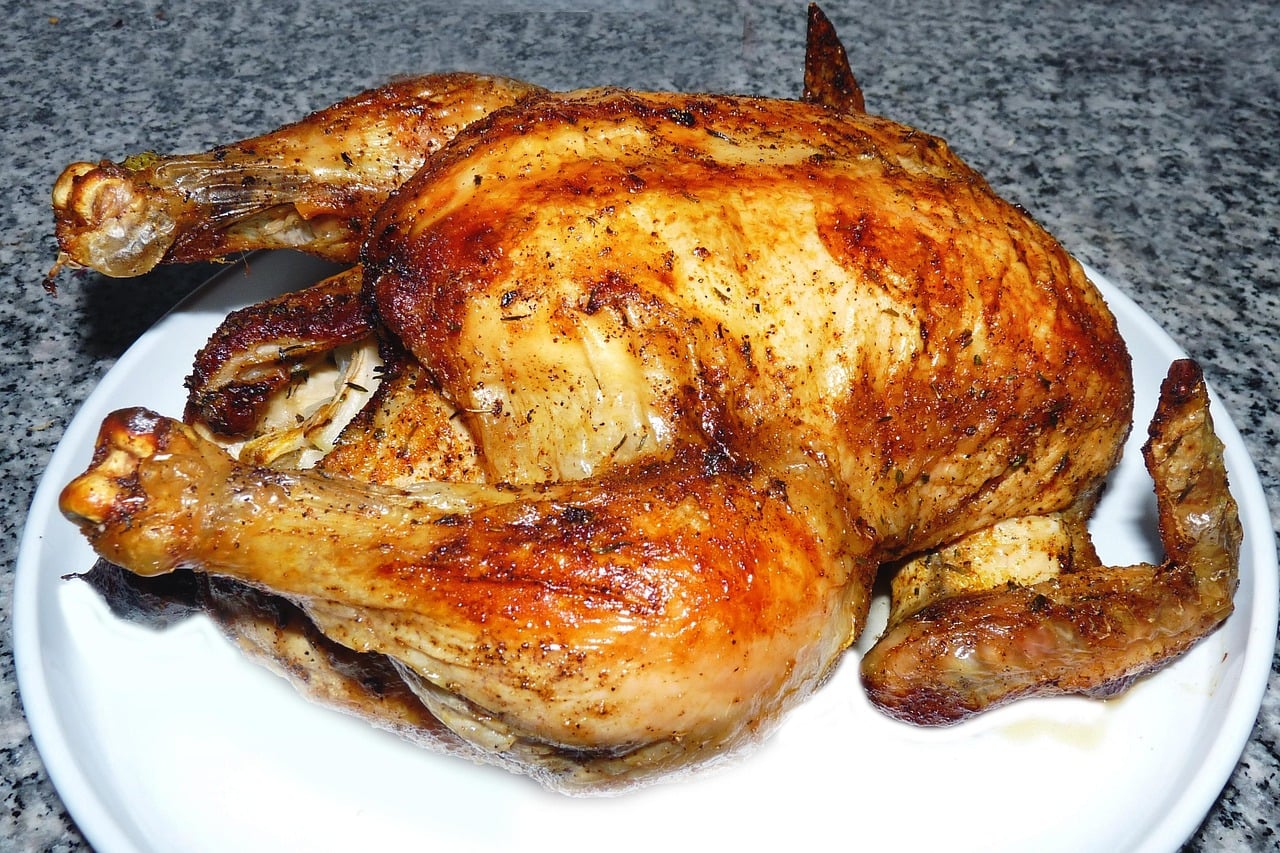
In Quebec and beyond, St Hubert has long been associated with roast chicken and packaged comfort foods. But customer criticism has surfaced around both its restaurants and its grocery products, with some saying the experience no longer matches the brand's earlier reputation.
For restaurant diners, common complaints include slower service, smaller portions and food that arrives less hot or less crisp than expected. For grocery shoppers, jarred sauces and frozen products face a different problem: they are judged against strong memories of restaurant meals and often lose that comparison.
That gap between memory and present experience shapes much of the disappointment. A heritage brand can survive criticism, but when customers start talking more about what it used to be than what it is now, the slide becomes harder to ignore.
Second Cup

Second Cup once stood as one of Canada's most visible homegrown coffee chains, but many customers say it lost momentum as the specialty coffee market changed around it. Criticism tends to focus less on one dramatic failure and more on a gradual sense that the brand stopped standing out.
As rivals expanded espresso menus, café design and food options, Second Cup often faced complaints that locations felt uneven, drinks were overpriced for the experience and stores lacked the polish customers found elsewhere. In a category built on routine, atmosphere matters almost as much as the coffee itself.
Store closures and ownership changes have also shaped public perception. Even loyal customers sometimes describe the chain as a brand they used to seek out, not one they now go out of their way to find, which says a lot about how quickly food and drink habits can shift.
Laura Secord

Laura Secord remains a familiar Canadian confectionery name, but customer criticism has grown around value, freshness and product excitement. Chocolate buyers often compare the brand not only to mass market rivals, but also to premium chocolatiers that now feel more distinctive or better worth the price.
Seasonal products, boxed assortments and mall based purchases can be especially vulnerable to scrutiny. If a truffle feels ordinary or a chocolate shell seems waxier than expected, the disappointment lands harder because the brand trades on tradition and gift giving.
Some shoppers still swear by classic items, but others say the lineup feels less memorable than it once did. For an old line sweets brand, that kind of reaction is risky, because sentiment can keep people interested only if the product still feels like a treat.
McCain frozen foods

McCain is one of Canada's best known food companies, and its frozen products remain staples in many households. Even so, customer complaints appear regularly around fries, pizza pockets and prepared frozen items that some say have become less satisfying in texture, filling or overall value.
Frozen food lives or dies on reliability. If fries bake unevenly, if snack products seem to contain less filling than before or if crispness gives way to softness, shoppers tend to notice right away because convenience is supposed to come without surprise.
Inflation has intensified those reactions. When a freezer aisle purchase costs more, customers expect fewer compromises. Public reviews often suggest that McCain products still win on availability, but no longer always earn the same enthusiasm from people who remember stronger results from earlier versions.
Canada Bread
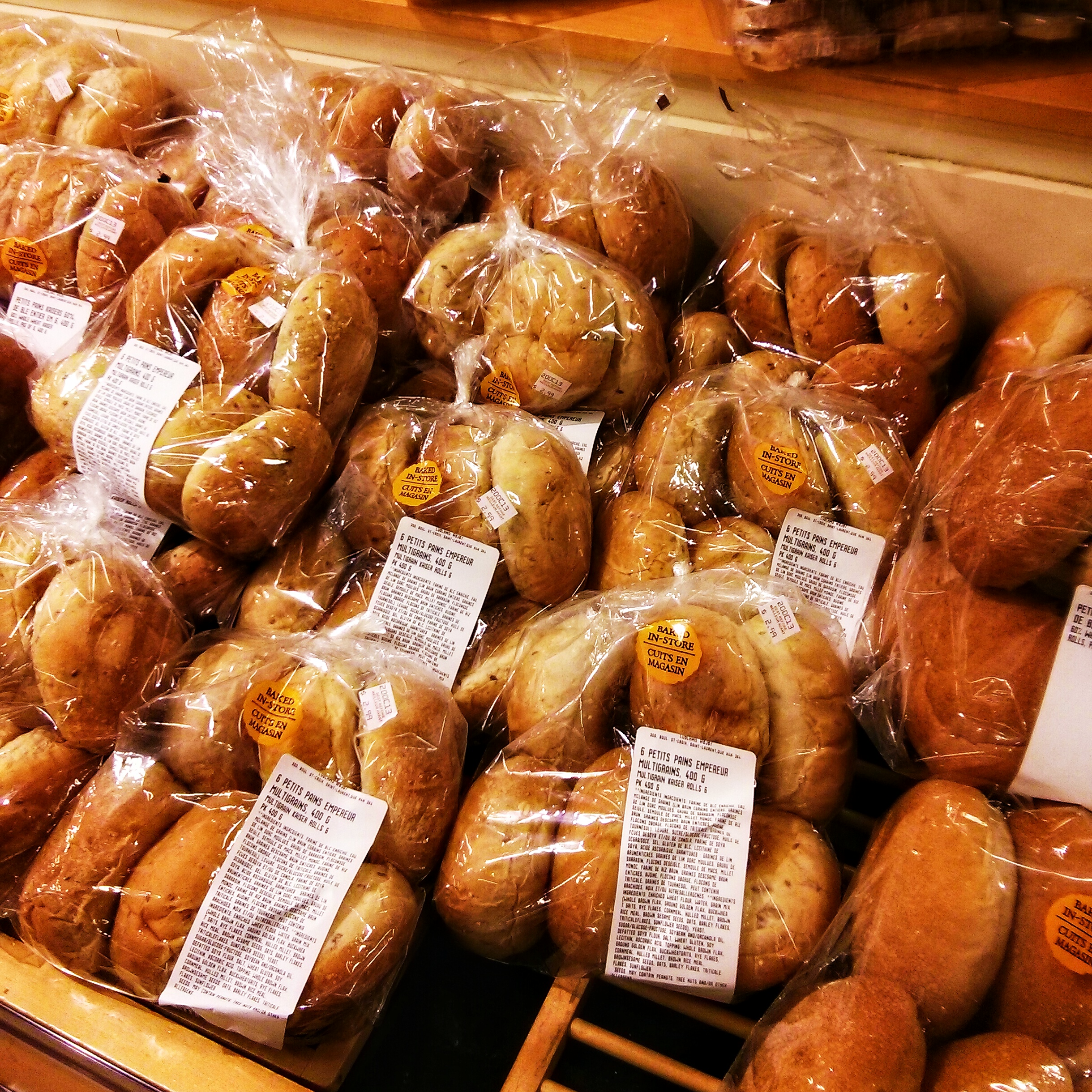
Bread is one of the most routine purchases in any grocery cart, so changes in quality rarely stay quiet for long. Canada Bread products and affiliated bakery staples have drawn criticism from some shoppers who complain about thinner slices, faster staleness and packaging that seems to preserve less freshness than expected.
Because bread is compared day after day at breakfast tables and sandwich counters, even modest variation feels obvious. A loaf that dries out too quickly or crumbles too easily can turn a regular customer into someone who starts testing alternatives on the next grocery trip.
The category is also crowded with artisan style supermarket loaves, in store bakeries and health focused options. That gives disappointed shoppers more substitutes than they had in the past, making it easier for dissatisfaction to become a lasting switch.
Maple Leaf Foods
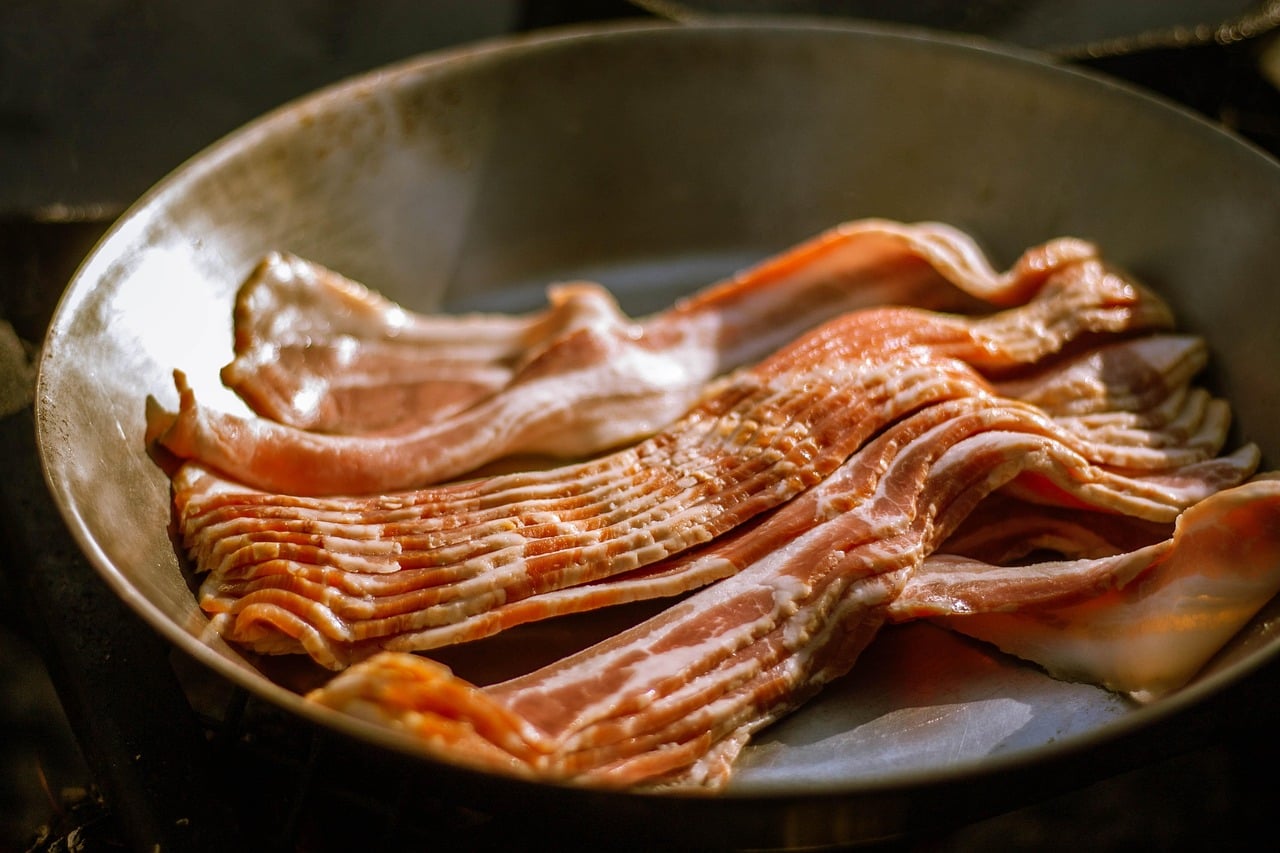
Maple Leaf Foods is a major Canadian name in packaged meats, but customer criticism has touched everything from taste and texture to processing and value. Complaints often center on deli meats, bacon and prepared products that some buyers say feel saltier, thinner or less substantial than they once did.
Packaged meat is a category where trust matters as much as flavor. Shoppers want consistent slices, clean texture and clear value, especially as grocery bills climb. If a pack seems to contain more water, more fat or less usable product than expected, that disappointment tends to stick.
Maple Leaf still has enormous reach and brand recognition, but wide distribution can magnify every complaint. When enough customers share the view that a staple has become less dependable, even a household name can start to feel like a brand living more on familiarity than affection.




Leave a Reply