
British cooking has deep roots in thrift, regional identity, and cold-weather comfort. That history helps explain why some famous dishes inspire fierce loyalty in the UK, even as many Canadians find the flavors, textures, or ingredients harder to warm to at first glance.
Jellied eels
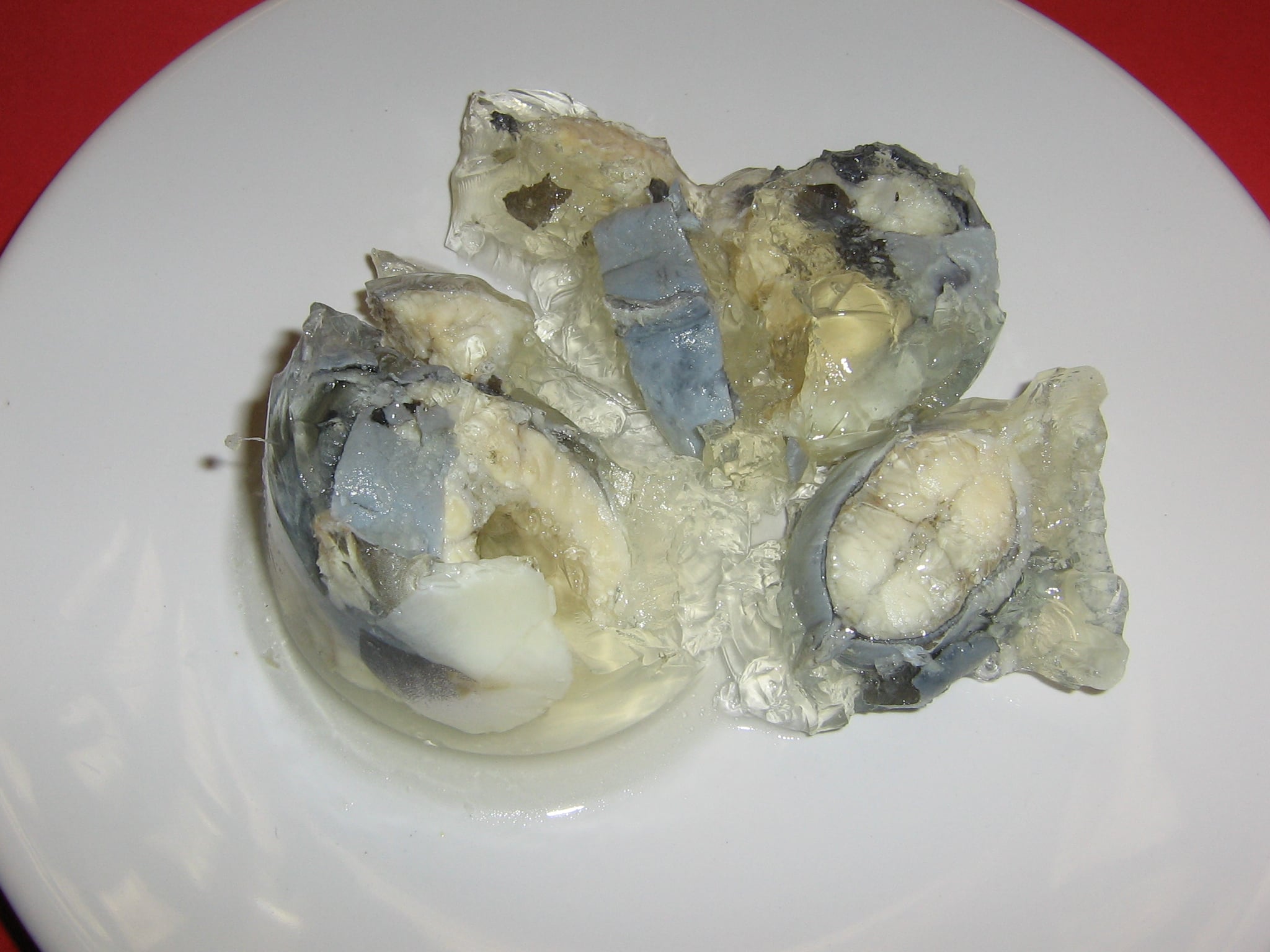
London's East End made jellied eels famous, but the dish can be a tough sell for diners who did not grow up with it. Chopped eels are boiled, cooled, and set in a savory jelly made from the fish's own natural collagen.
The texture is usually the biggest hurdle. Canadians familiar with smoked salmon, fried pickerel, or seafood chowder may expect fish to be flaky, crisp, or creamy. Jellied eels land in a very different place, cold, slippery, and softly briny.
Historically, eels were cheap and abundant in the River Thames, which made them practical working-class food. That background explains the devotion, even if the dish now reads more as a piece of culinary history than an everyday craving for many outsiders.
Black pudding
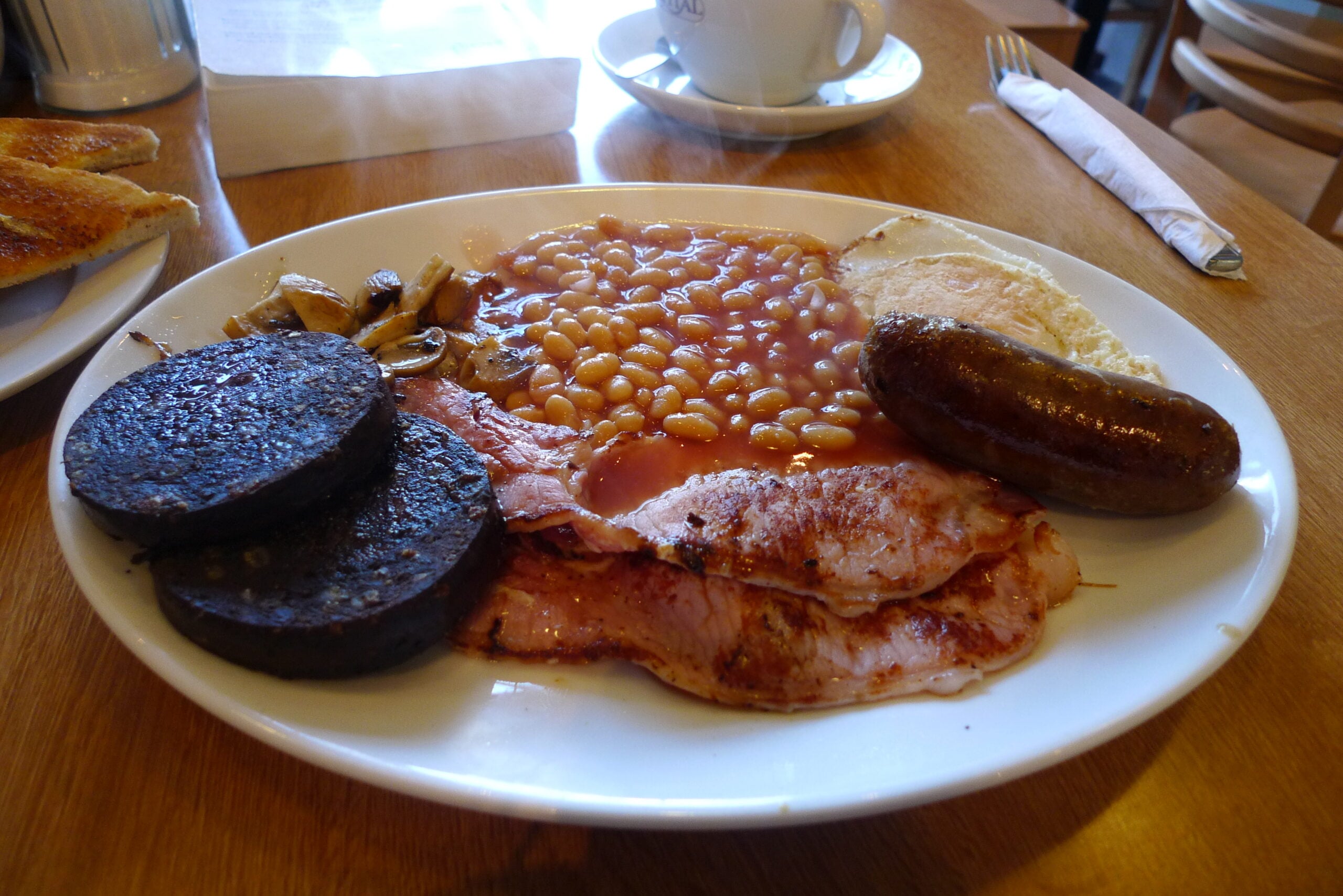
Black pudding often surprises North American diners because it is a blood sausage, usually made with pork blood, fat, and oats or barley. In the UK and Ireland, it is a standard part of many full breakfasts and is treated as a savory staple rather than a dare.
For Canadians, the idea can sound more intense than the reality. Once sliced and fried, black pudding is earthy, rich, and slightly minerally, with a firm texture that works well beside eggs and toast. Even so, its core ingredient tends to overshadow the rest.
Its long history comes from a practical nose-to-tail tradition, where little was wasted. That makes cultural sense in older rural cooking. Still, many people raised on bacon, sausage, and hash browns find black pudding more admirable in principle than irresistible on the plate.
Stargazy pie
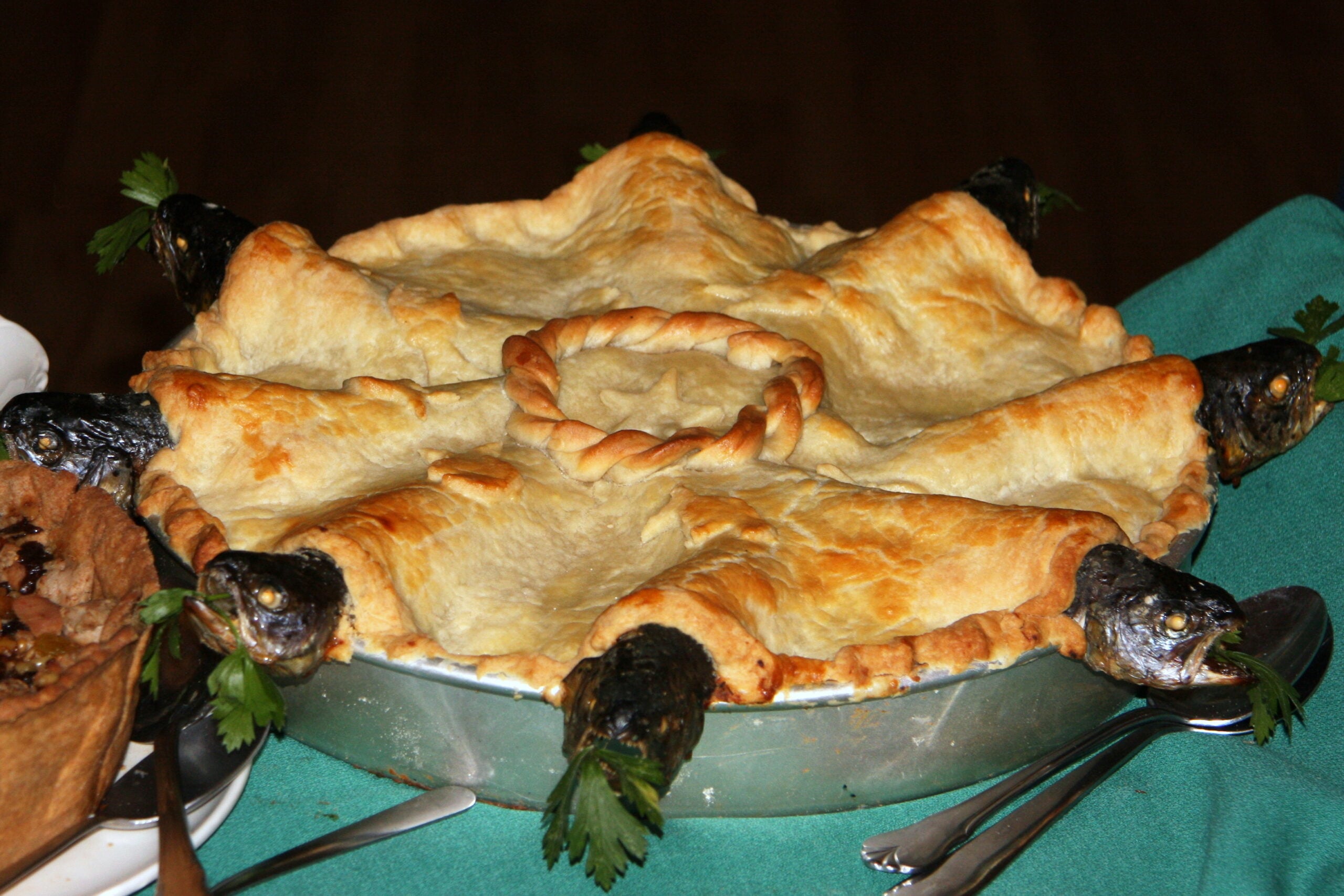
Few dishes make a stronger first impression than stargazy pie. This Cornish specialty is a fish pie traditionally baked with whole sardines or pilchards arranged so their heads poke through the crust, creating the strange effect that gives the pie its name.
The taste is not always the main issue. A good fish pie can be rich and satisfying, especially with eggs, potatoes, and a creamy sauce. What throws people off is the presentation, which can feel more theatrical than appetizing when the fish appear to be staring upward.
The dish is tied to the village of Mousehole in Cornwall and local folklore about hard winters and heroic fishing. That heritage gives it meaning beyond novelty, but for many Canadians, it remains one of those foods more interesting to learn about than to order.
Spotted dick
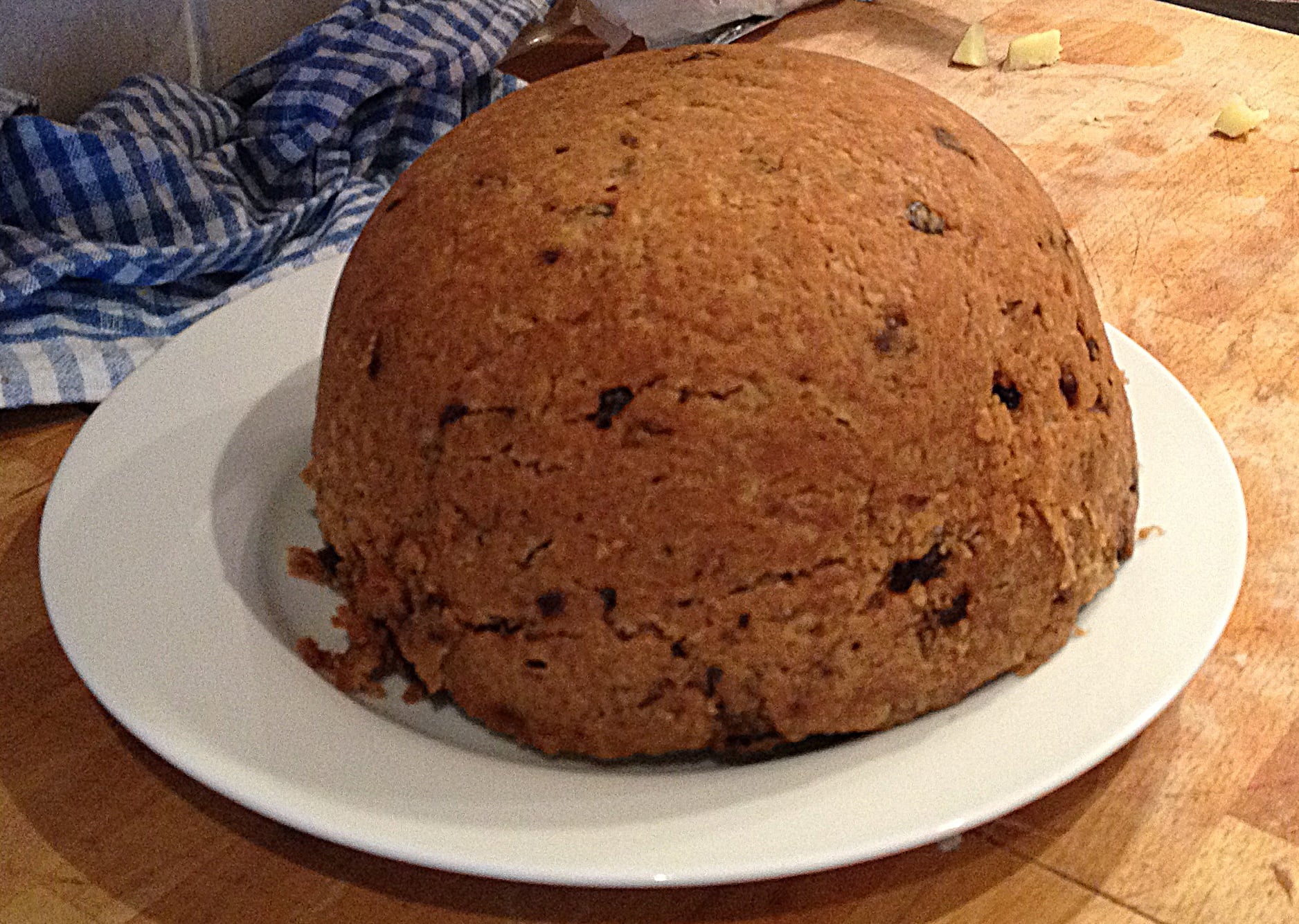
Spotted dick is a traditional steamed suet pudding with dried fruit, often served with custard. The name alone tends to distract international diners long before the dessert reaches the table, and that has done nothing to help its reputation abroad.
Set the name aside, and the dessert is essentially old-fashioned comfort food. The "spots" are currants or raisins, while "dick" is thought to come from an older word for pudding or dough. The result is dense, mildly sweet, and built for a colder climate.
Canadians used to lighter cakes, butter tarts, or fruit pies may find it heavy. Suet, the hard fat from around beef or mutton kidneys, also gives it a texture and richness that feel tied to another era. Fans call it hearty. Skeptics often call it a lot.
Haggis
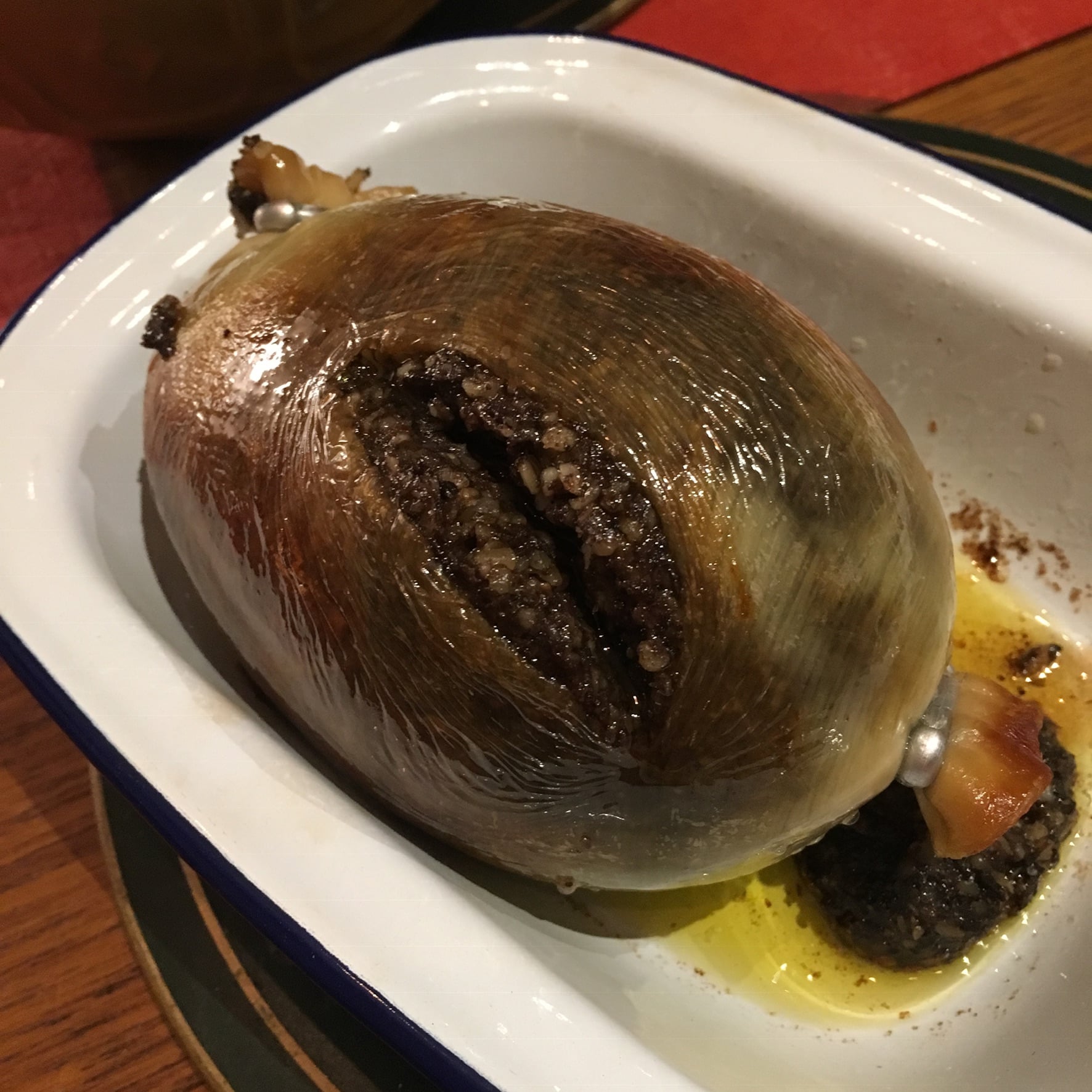
Haggis is strongly associated with Scotland, though it is widely known across Britain as well. The classic version combines sheep's pluck, meaning heart, liver, and lungs, with oatmeal, onion, fat, and seasoning, traditionally cooked inside a sheep's stomach.
That ingredient list tends to dominate first reactions, especially in countries where offal is less common in mainstream cooking. Yet the actual flavor is often more familiar than expected. Haggis is peppery, savory, and crumbly, closer to a spiced meat-and-grain mixture than a shock dish.
Its status owes a lot to history and ritual, including Burns Night suppers celebrating poet Robert Burns. Canadians may respect the tradition and even enjoy a bite. Still, many remain unsure why this particular dish became such a national symbol instead of a more universally appealing one.
Mushy peas
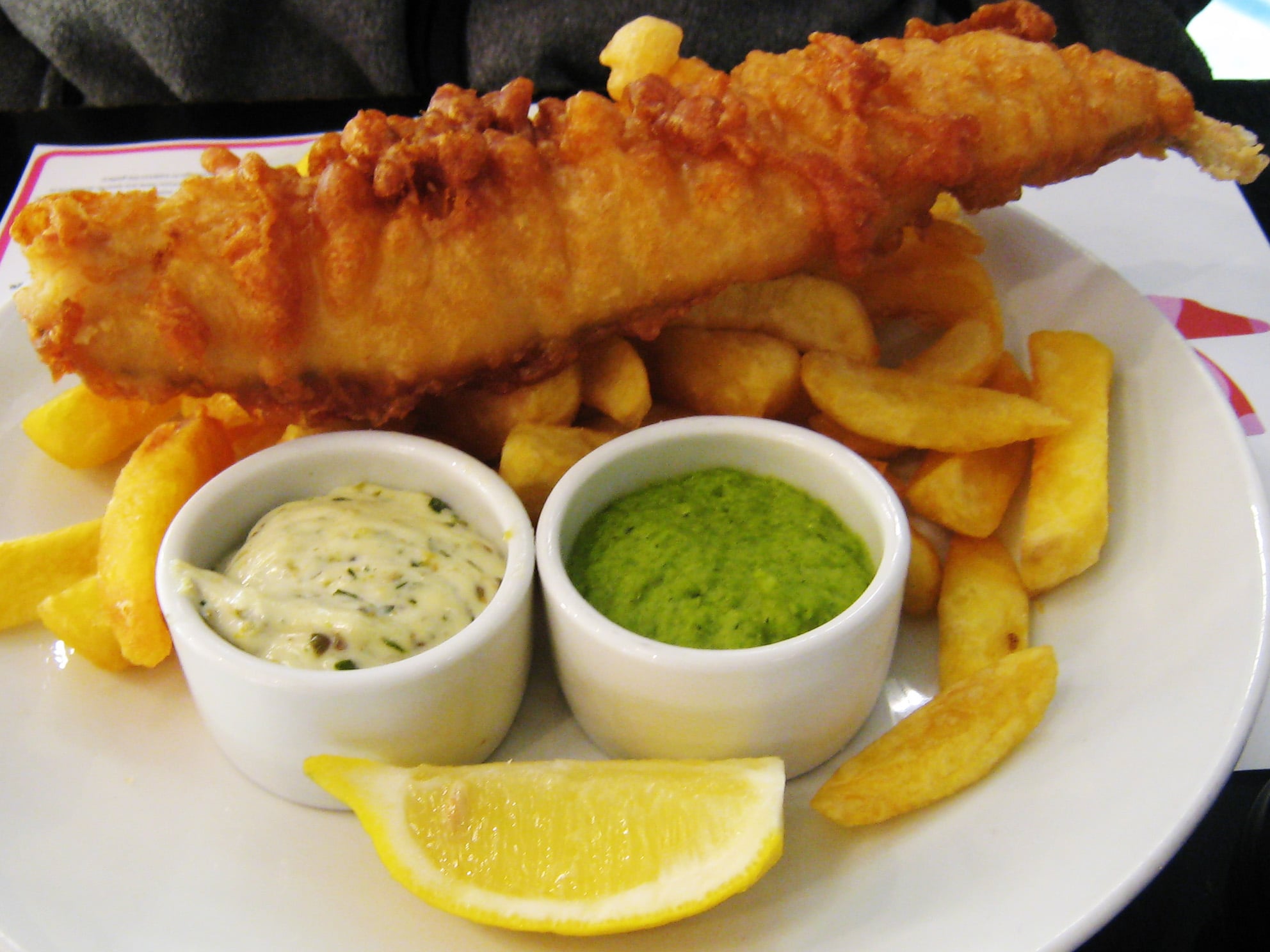
Mushy peas show up beside fish and chips across much of England, and locals often see them as essential. Made from marrowfat peas that are soaked and cooked down, they become a thick, bright green mash that is simple, cheap, and filling.
To many Canadians, the issue is not the flavor so much as the texture and color. The peas can taste mild and slightly sweet, but the consistency sits somewhere between a vegetable side and a puree. That can feel oddly baby-food-like next to crisp battered fish.
Supporters argue that mushy peas add moisture and balance to fried food. That is fair, especially with vinegar and salt. Even so, Canadians used to coleslaw, fries, or tartar sauce may struggle to understand why mashed peas became the side dish worth defending so passionately.
Steak and kidney pie
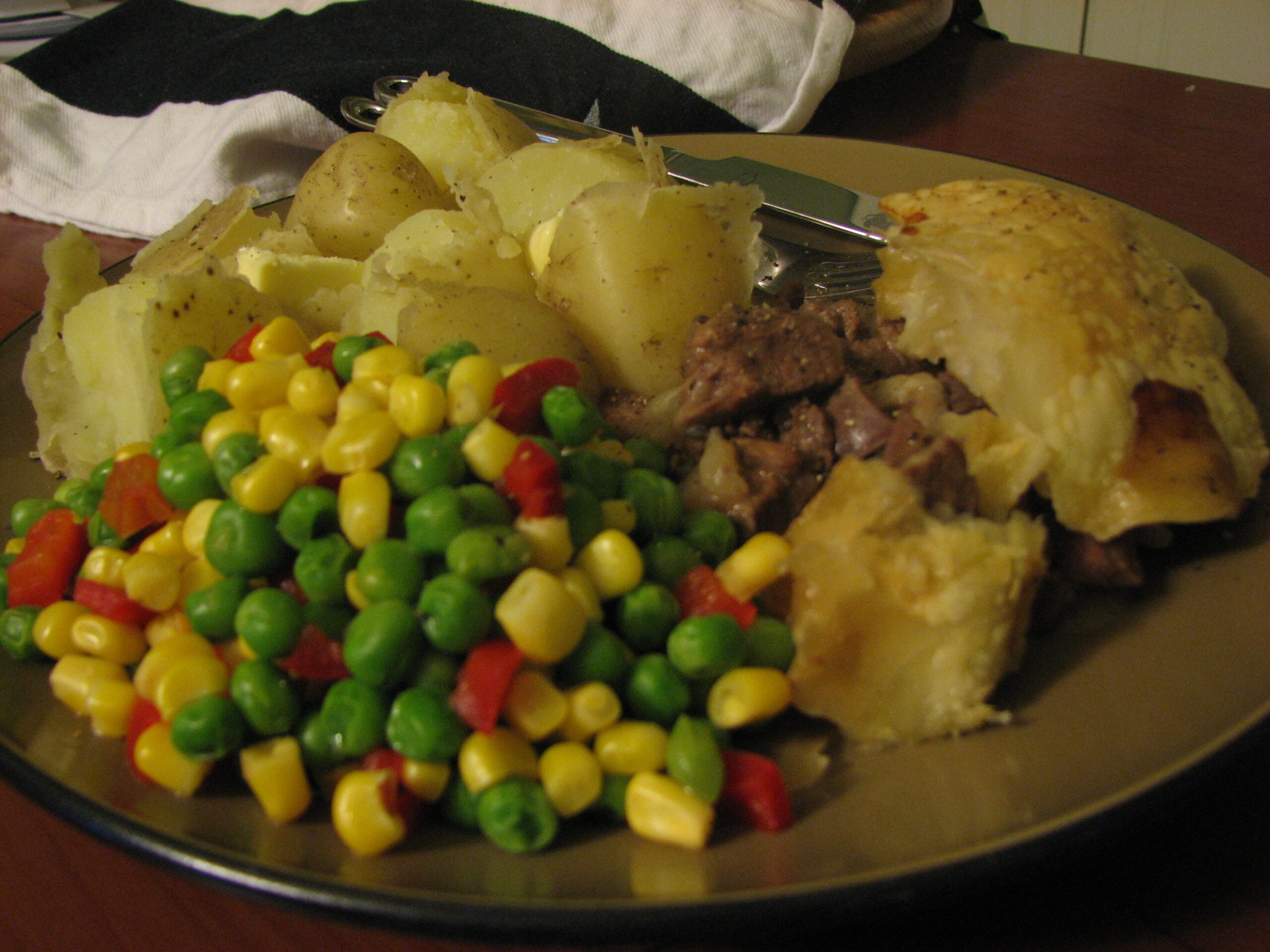
A meat pie sounds easy to love, and steak and kidney pie starts with that advantage. The problem, for some Canadians, arrives with the kidney. Traditional versions mix diced beef, kidney, gravy, and pastry, creating a dish that is rich, filling, and unmistakably old school.
Kidney brings a strong, iron-like flavor that can dominate the filling. People who enjoy liver or other organ meats may appreciate that depth. Those who do not often find that one ingredient changes the whole pie from comforting to challenging.
The dish grew from a practical British habit of using the whole animal and stretching expensive ingredients with gravy and crust. There is logic in that. But in a country where tourtière or chicken pot pie feel more straightforward, kidney can seem like an unnecessary complication.
Laverbread
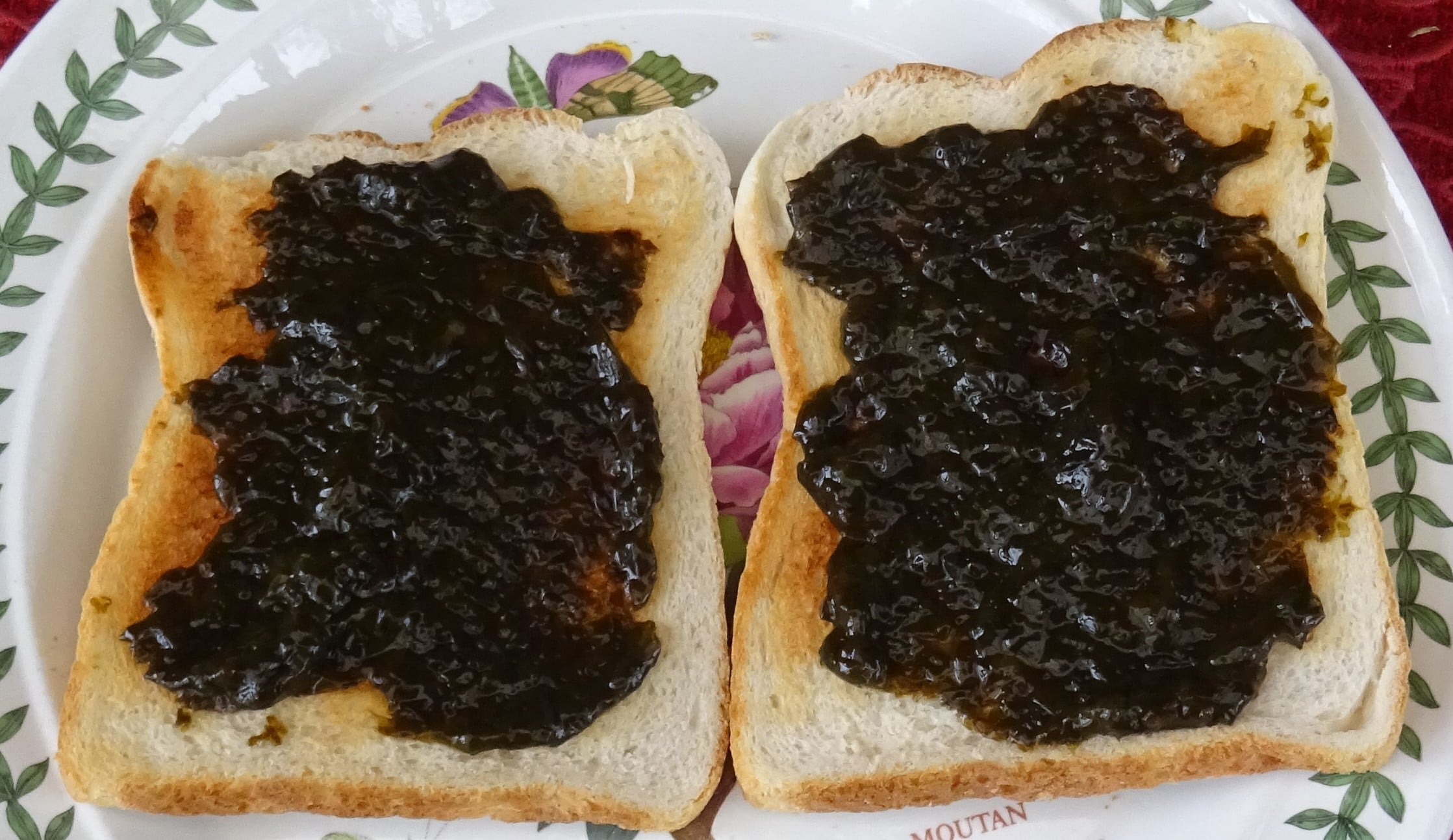
Despite the name, laverbread is not bread. It is a Welsh food made from edible seaweed, usually laver, that is boiled for hours into a dark, soft paste. It may then be served on toast or fried with oats into small patties.
Seaweed is not unusual globally, and many Canadians are comfortable with nori in sushi or seaweed salad. Laverbread is different in texture and intensity. It is darker, more mineral, and more concentrated, with a deep coastal taste that does not try to soften its marine character.
In Wales, it has long been valued as both everyday sustenance and a point of regional pride. That context matters. For outsiders, though, the appearance can be hard to get past, and the flavor may feel more admirable than craveable unless you already love assertive sea vegetables.
Bread sauce
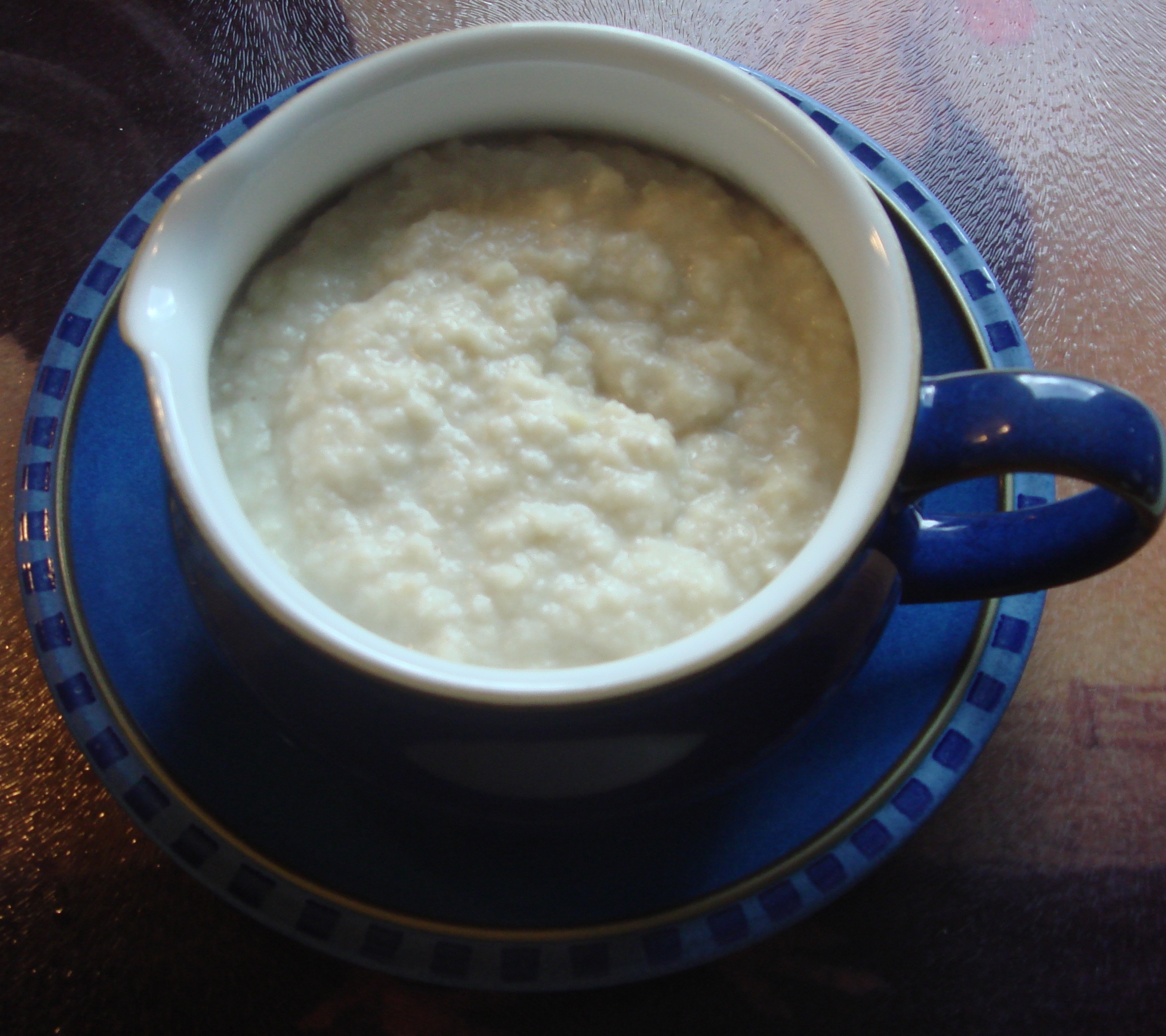
Bread sauce can puzzle diners because it sounds like something made up in a pinch, and in a way it was. The traditional British sauce is made by simmering milk with onion and cloves, then thickening it with breadcrumbs into a soft, spoonable accompaniment.
It is usually served with roast chicken, turkey, or game birds, especially at Christmas. The flavor is gentle and warming, with spice from clove and richness from milk or cream. Still, many Canadians expect gravy, cranberry sauce, or stuffing, not a beige bread-based sauce on the side.
That does not make it bad. In fact, it reflects an older kitchen economy built around using stale bread well. But when judged purely on appearance and first impression, bread sauce rarely wins. It asks for historical sympathy before it asks for appetite.
Scotch eggs
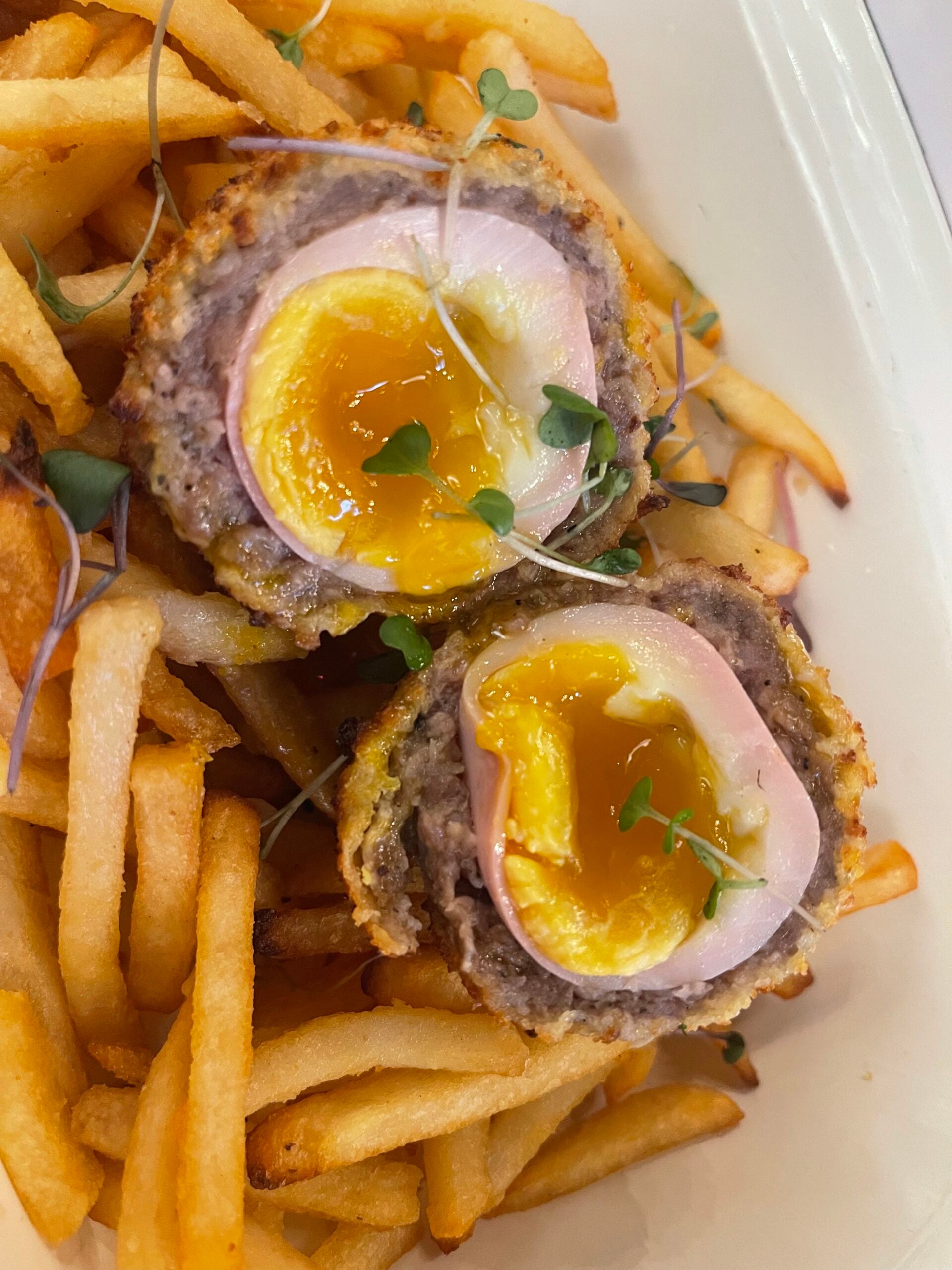
Scotch eggs often look more familiar than the other dishes on this list. A boiled egg is wrapped in sausage meat, coated in breadcrumbs, and fried or baked. On paper, that sounds like the sort of savory snack that should travel well across borders.
The mixed reaction usually comes down to weight and context. Served cold or at room temperature, a Scotch egg can feel dense, especially if the yolk is firm and the sausage layer thick. Canadians expecting something lighter from a picnic snack may find it more substantial than satisfying.
At their best, Scotch eggs have contrast, crisp coating, seasoned meat, and a jammy center. Done poorly, they become heavy fast. That gap helps explain the divide. Admirers see portable comfort food, while skeptics see a hard-boiled egg made much more complicated than it needed to be.

Leave a Reply