
Holiday dessert tables are looking less traditional this season. Gen Z's influence is easy to spot in sweets that mix sweet with heat, salt, sourness and nostalgia, turning internet-driven flavor mashups into real party food.
Pickle cupcakes
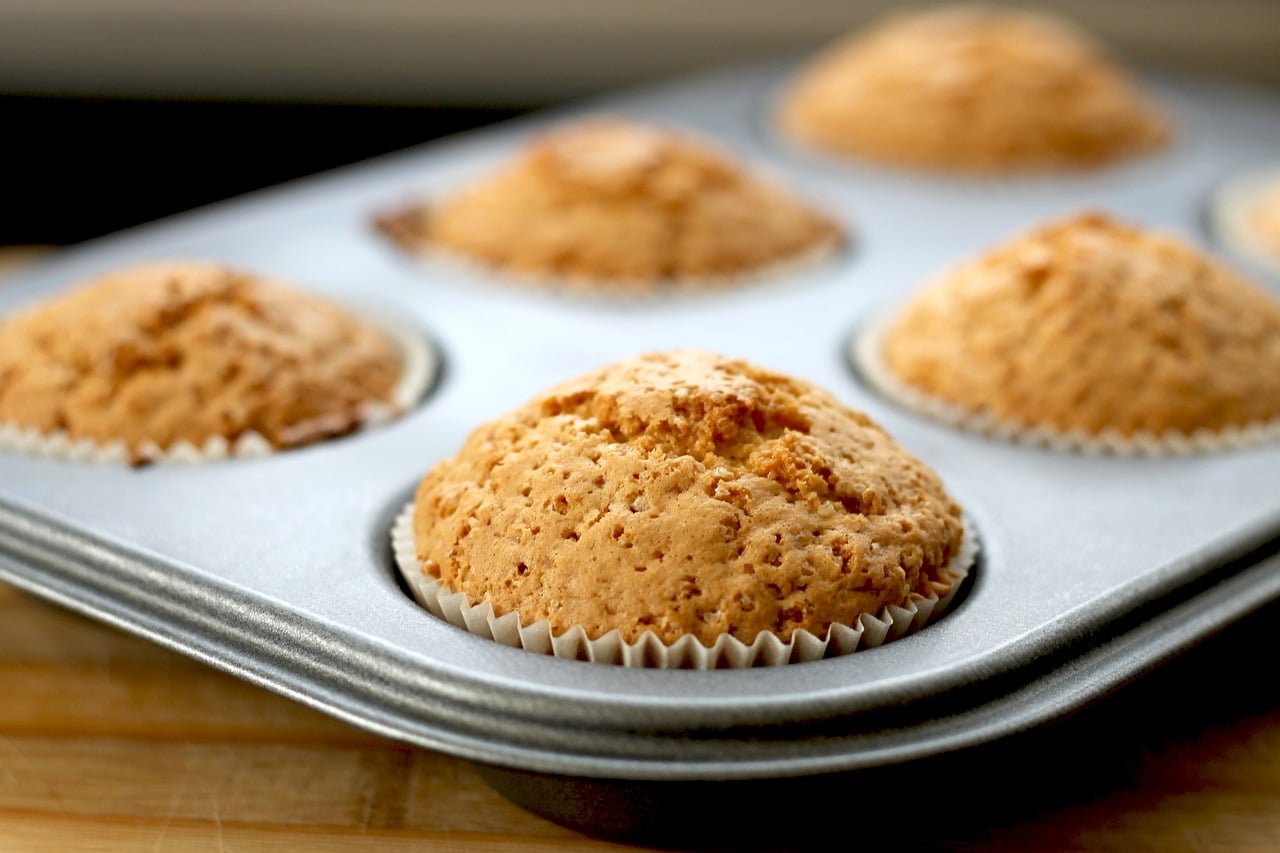
A holiday cupcake used to mean peppermint or gingerbread. Now, some bakers are folding chopped dill pickles and pickle brine into vanilla or spice cake batter for a sharp, salty contrast that cuts through sweetness.
The appeal is not as random as it sounds. Pickle flavor has become a mainstream snack obsession in chips, popcorn and dips, so dessert was always a likely next stop. In cupcake form, the brine adds acidity, much like buttermilk or sour cream would, which can help keep the crumb tender.
For a holiday table, the look matters too. Pale green frosting, a pickle chip garnish and a dusting of dill create a playful conversation piece that still reads festive. It is bizarre on first glance, but the sweet and tangy balance makes it more approachable than the name suggests.
Hot honey ice cream
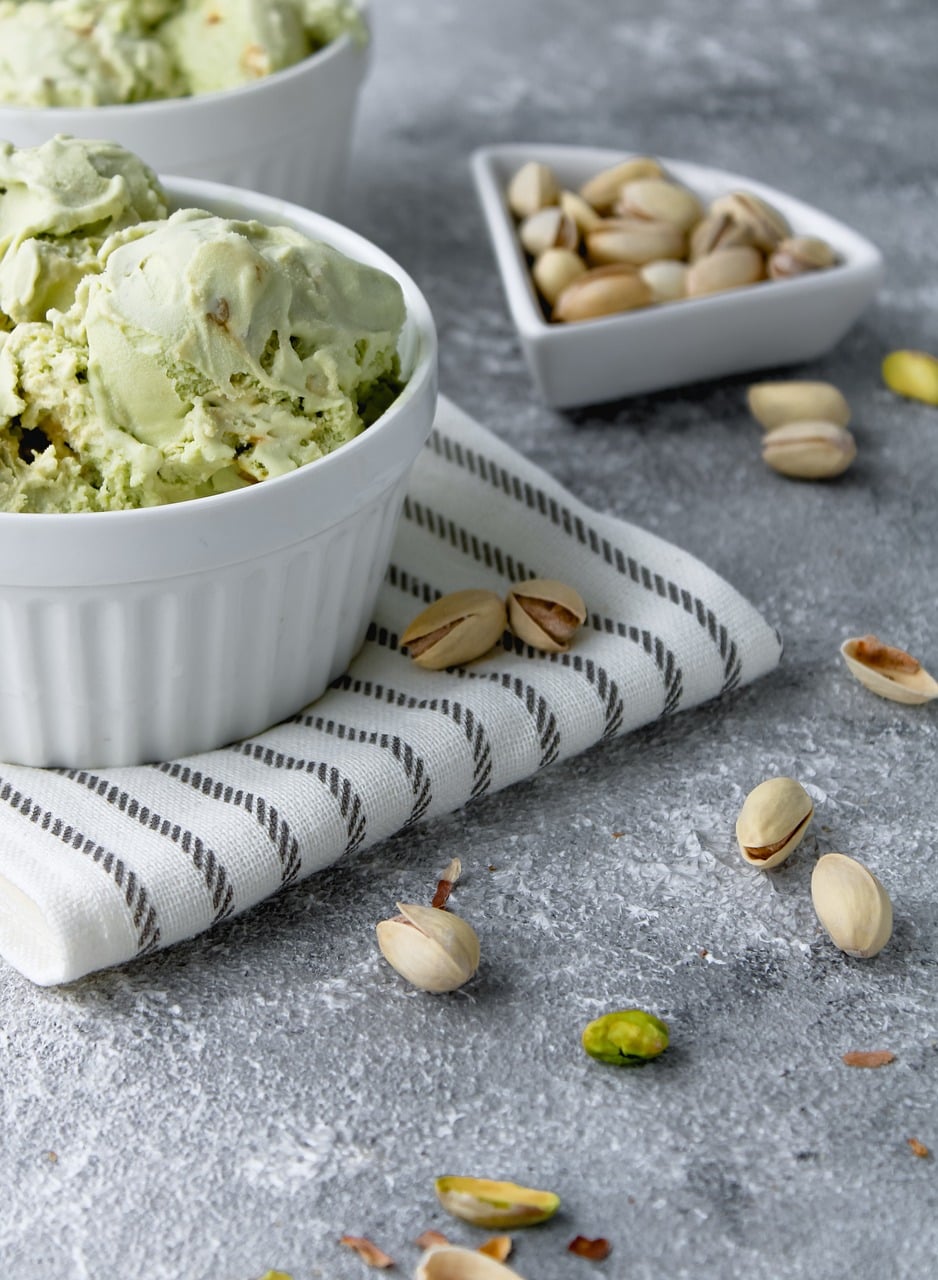
Hot honey has moved far beyond pizza and fried chicken. In dessert, it brings a slow, warm heat that turns a simple scoop into something layered and grown-up, especially when paired with vanilla, cinnamon or roasted pecans.
The flavor works because honey already carries floral depth and caramel notes. Add chili, and the sweetness stays front and center while the finish becomes brighter and more lingering. That contrast plays well during the holidays, when rich foods can make straightforward desserts feel heavy.
For gatherings, hot honey ice cream is also easy to style. A drizzle over vanilla bean ice cream, a sprinkle of flaky salt and candied nuts gives one bowl plenty of visual interest. It feels trendy without being too strange for guests who are cautious about experimental sweets.
Olive oil cake with citrus glaze
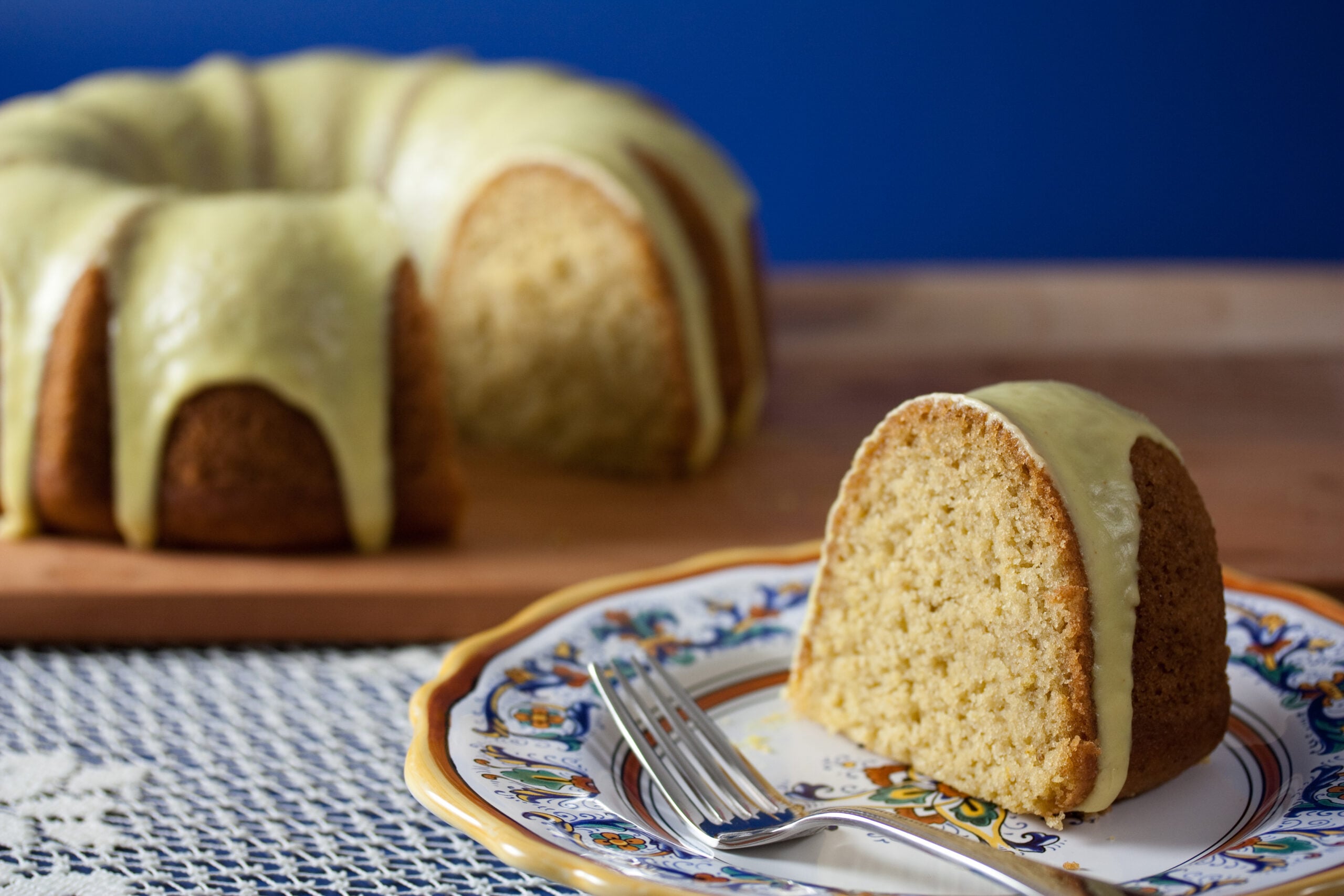
Butter-heavy cakes still have their place, but olive oil cake has become a favorite with younger hosts who want something that feels lighter and less formal. Its texture is plush rather than dense, and its flavor leans savory in a way that suits modern holiday menus.
Good olive oil brings peppery, grassy notes that make the cake taste more complex than a standard loaf. A bright citrus glaze, often made with orange or blood orange, pushes it firmly into dessert territory while keeping the finish fresh.
It is also one of the most photographable sweets on the table. A glossy glaze, slices of candied citrus and a simple loaf-pan shape give it clean lines that fit the minimalist look popular on social platforms. Unusual for a holiday cake, yes, but easy to love.
Miso caramel brownies
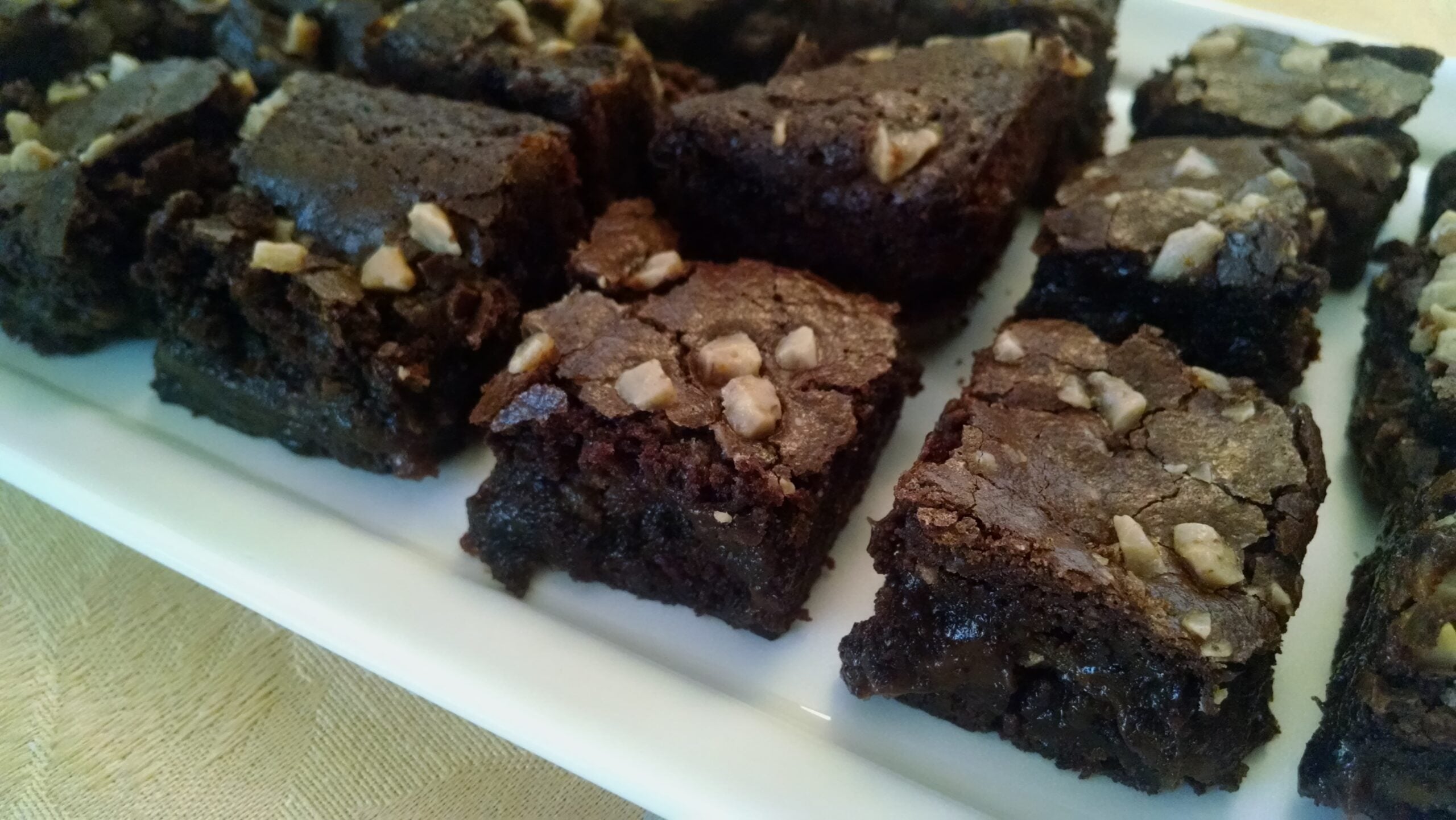
Salted caramel was once the bold twist. Miso caramel takes the same idea further, using fermented soybean paste to add deep savory flavor that makes chocolate desserts taste richer and less one-note.
In brownies, that matters. Chocolate, butter and sugar can quickly tip into heaviness during the holidays, but miso adds balance with salinity and umami, the savory depth people often notice in foods like mushrooms or Parmesan. Used carefully, it does not make dessert taste like soup or sauce. It simply sharpens the edges.
The finish is usually a glossy caramel swirl or a thick layer on top, which gives a dramatic look in photos. For holiday trays, these brownies stand out because they seem familiar from a distance, then reveal a more complex flavor once sliced and served.
Matcha tiramisu
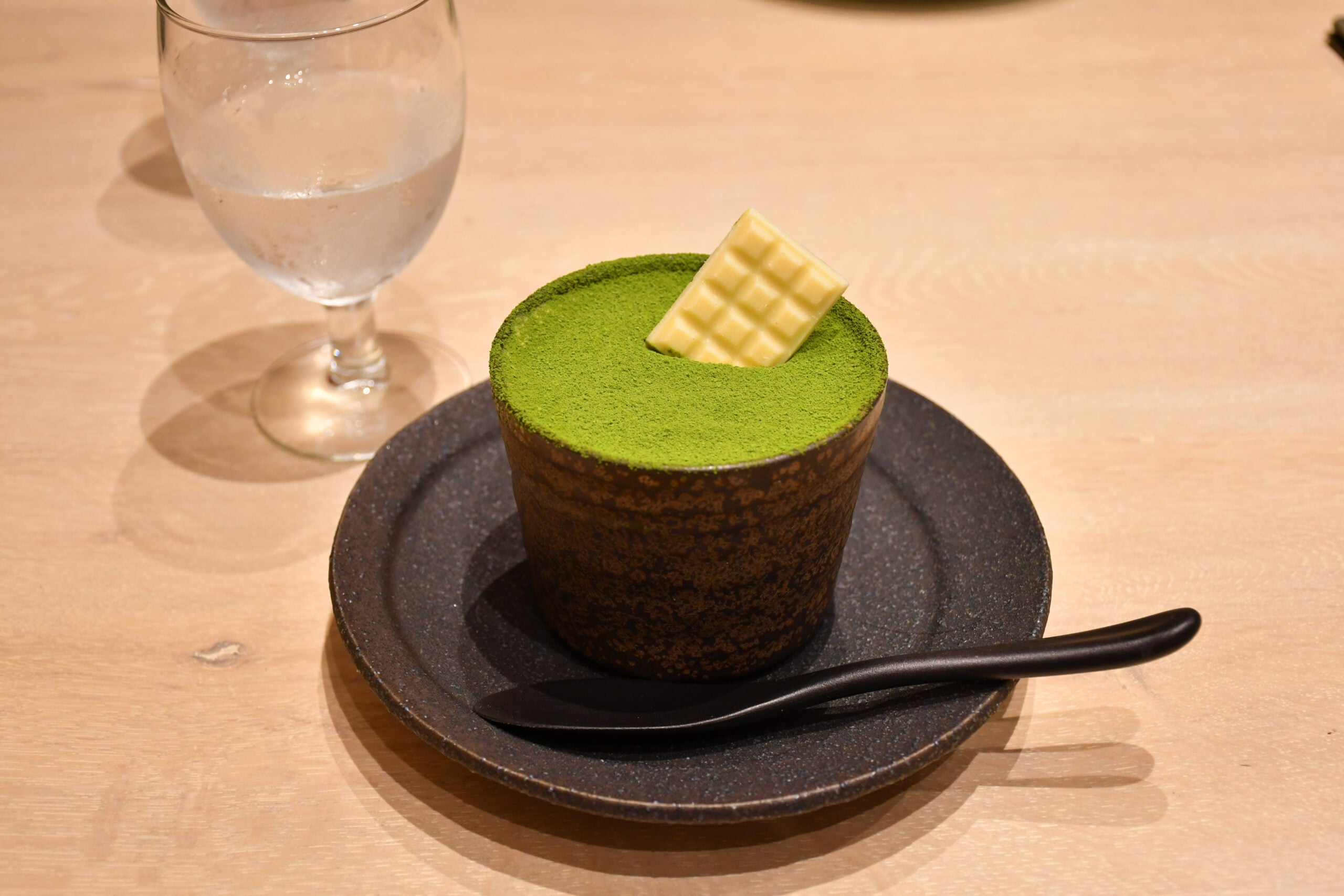
Tiramisu is already a party-friendly dessert, but matcha gives it a cleaner, slightly bitter profile that appeals to younger eaters who grew up seeing green tea in lattes, cookies and soft serve. The color alone makes it stand apart from darker cocoa-topped versions.
The swap is simple but effective. Matcha replaces some or all of the cocoa, and in some versions it also flavors the mascarpone cream. That earthy note keeps the dessert from tasting overly sweet, which can be useful after a heavy holiday meal.
It is also ideal for a visually polished spread. The smooth cream layers and bright green powder create crisp contrast in a dish or a glass cup. Matcha tiramisu feels current, but it still delivers the familiar softness and richness that make classic tiramisu a reliable crowd-pleaser.
Chamoy candy apples
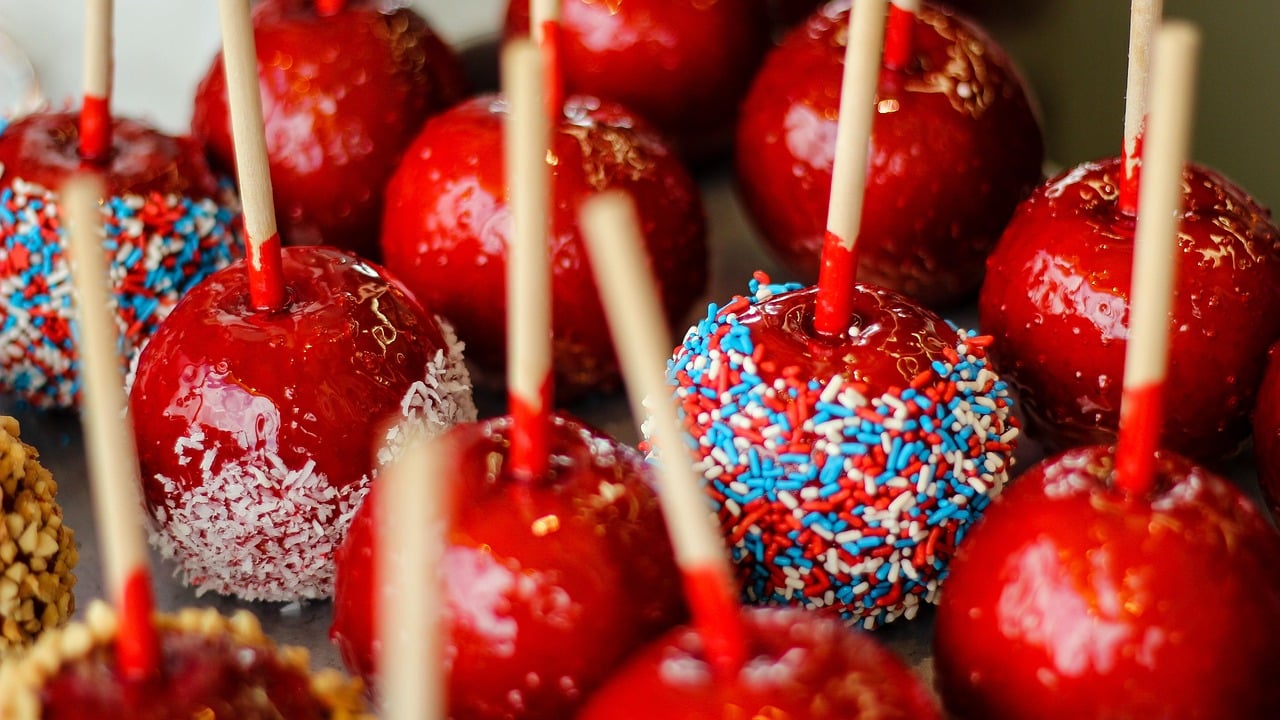
Candy apples are old-school holiday fair food. Chamoy changes the whole mood by layering fruit, chili and tangy sauce over the familiar crunch of a glossy apple shell.
Chamoy, a Mexican condiment often made with pickled fruit, chiles, salt and lime, brings sweet, sour, salty and spicy notes all at once. On an apple, that means each bite shifts quickly from sugary coating to tart fruit and then into a savory, peppery finish.
These apples are especially photo-ready because they tend to be colorful and textured. Red candy coating, ribbons of chamoy and a dusting of chile seasoning create a dramatic surface that fits Gen Z's love of bold, high-contrast food visuals. They are messy, loud and surprisingly balanced.
Ube crinkle cookies
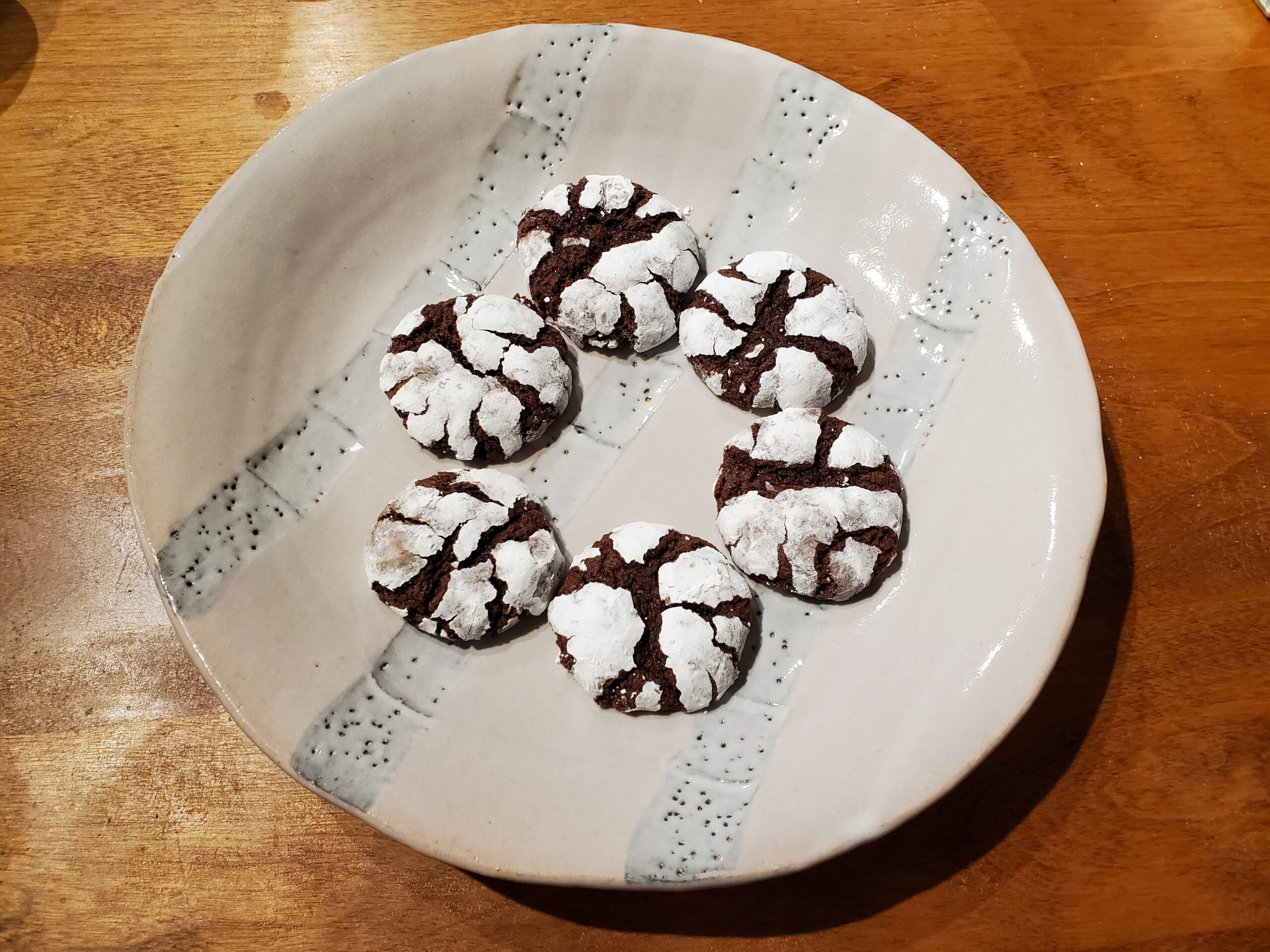
Few holiday cookies photograph as well as ube crinkles. Their vivid purple centers and snowy powdered sugar coating give them instant shelf appeal, and the flavor offers more than just good looks.
Ube is a purple yam widely used in Filipino desserts. It has a gently sweet, nutty, vanilla-like character that makes it easy to pair with butter, coconut and white chocolate. In crinkle cookie form, it stays chewy in the center with delicate, crackled edges.
The cookies also reflect a bigger shift in holiday baking, where younger cooks are bringing heritage flavors into familiar formats. A crinkle cookie is recognizable to most guests, so ube feels exciting rather than intimidating. That mix of comfort and discovery is exactly why it keeps showing up at seasonal swaps.
Biscoff banana pudding
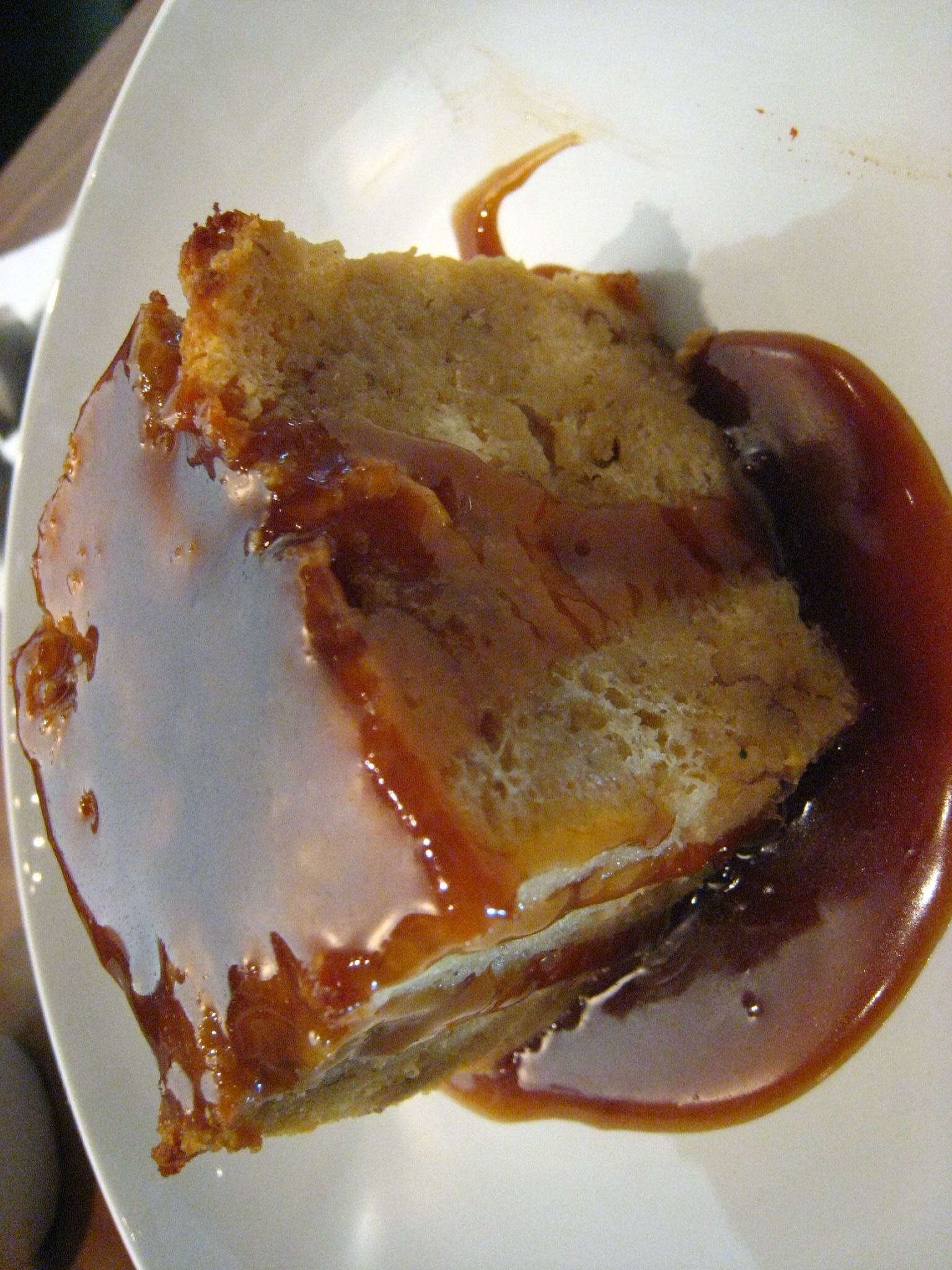
Banana pudding is classic comfort food, but swapping vanilla wafers for Biscoff cookies gives it a spiced, caramelized edge that feels built for winter entertaining. The result is richer, darker and more aromatic than the old-school version.
Biscoff cookies, known for their cinnamon-forward flavor and crisp snap, soften into the pudding while still adding more personality than plain wafers. Layered with sliced bananas and whipped topping or custard, they create a dessert that tastes familiar but more dessert-shop polished.
This is one of the easiest Gen Z influenced upgrades to understand. It does not rely on shock value. Instead, it modernizes a nostalgic dish with an ingredient that already has a cult following in coffee drinks, cheesecakes and cookie butter spreads.
Tahini chocolate chip cookies
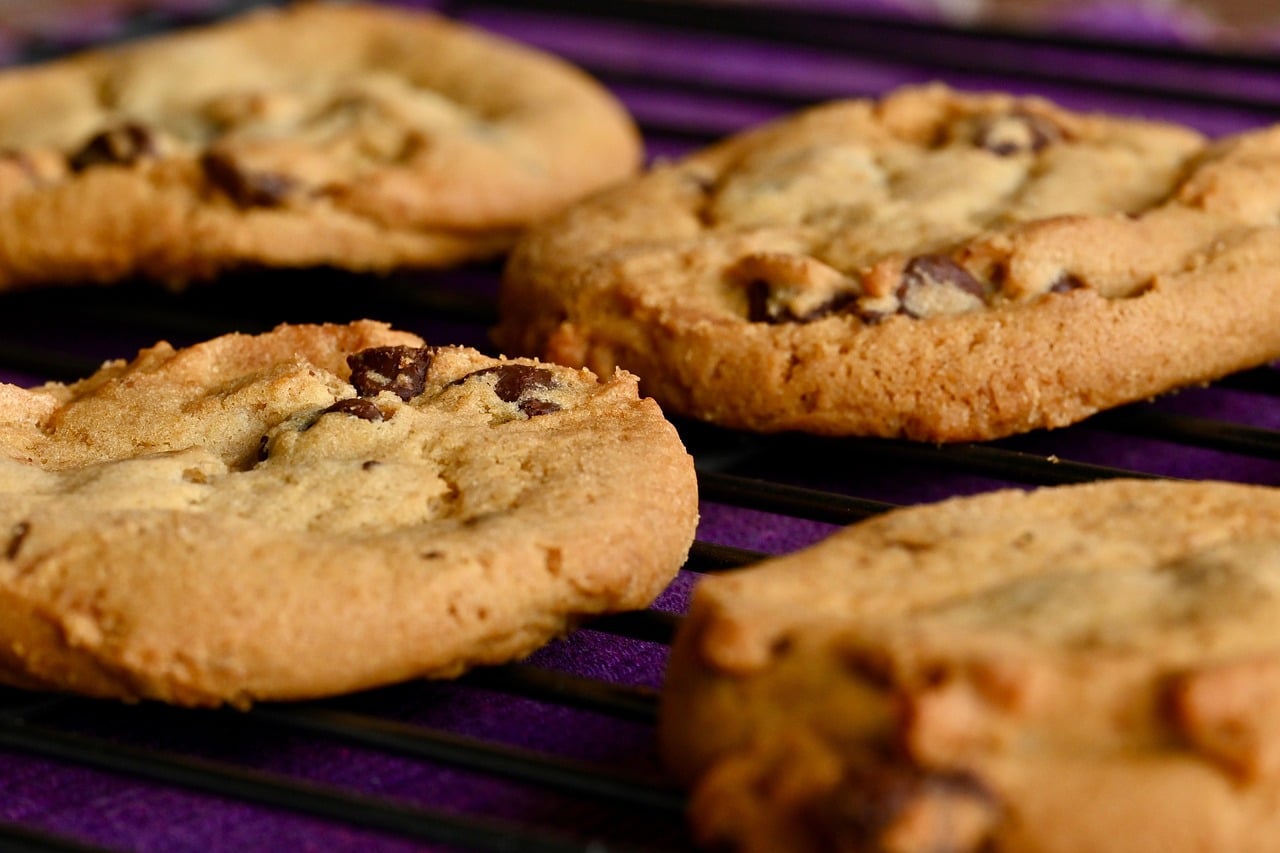
Chocolate chip cookies rarely need reinvention, but tahini changes the flavor in a subtle, smart way. Made from ground sesame seeds, tahini adds nuttiness, slight bitterness and a silky texture that deepens the dough.
That matters in a holiday cookie tin, where many treats lean very sweet. Tahini can pull a cookie back into balance, especially when paired with dark chocolate and a pinch of flaky salt. The sesame flavor is present, but it usually reads as warm and toasty rather than overpowering.
Visually, these cookies often have rippled tops and pools of melted chocolate, which makes them look bakery-worthy without extra decoration. They fit the season because they feel comforting, but they also nod to the broader pantry-curious style that younger home bakers have embraced.
Mochi donuts
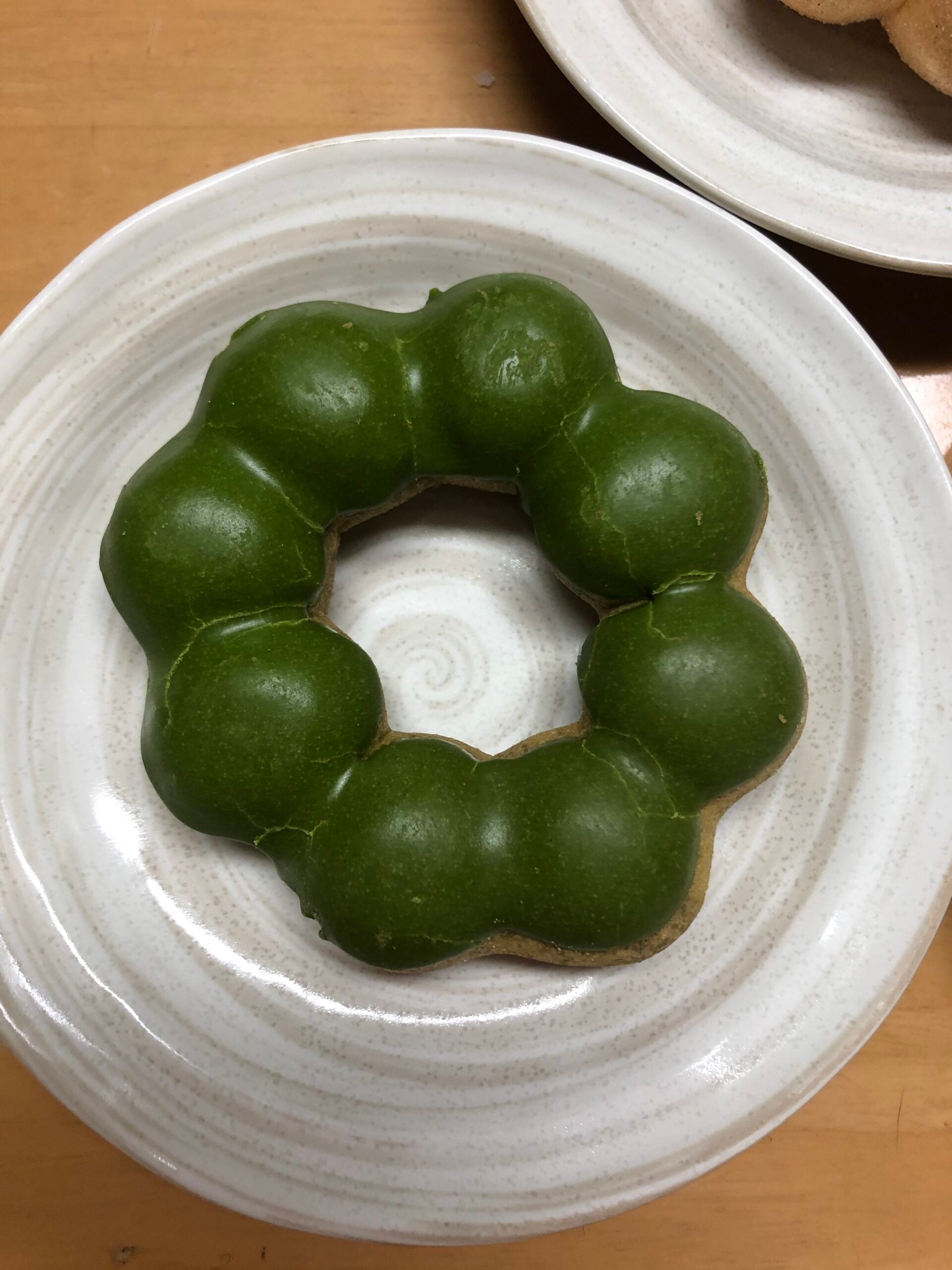
For a holiday finish that feels playful and polished, mochi donuts bring a texture most classic dessert spreads do not have. They are chewy, springy and crisp at the edges, thanks to glutinous rice flour in the dough.
Their ring shape, often made of connected balls, makes them especially distinctive in photos. Holiday versions might feature matcha glaze, black sesame, yuzu icing or crushed freeze-dried berries, giving them both color and a clear seasonal angle.
What makes mochi donuts such a strong closer for the table is their blend of novelty and ease. They look unusual, but their sweetness is familiar and their portion size is manageable after a big meal. That is often the sweet spot for a modern holiday dessert.

Leave a Reply