
Some food mashups are already so close to reality that it feels strange they have not become standard menu items. These 10 ideas draw on real flavor logic, existing food trends and the kinds of combinations people keep pitching online, with enough detail to make each one easy to picture in a single frame.
Croissant cinnamon roll
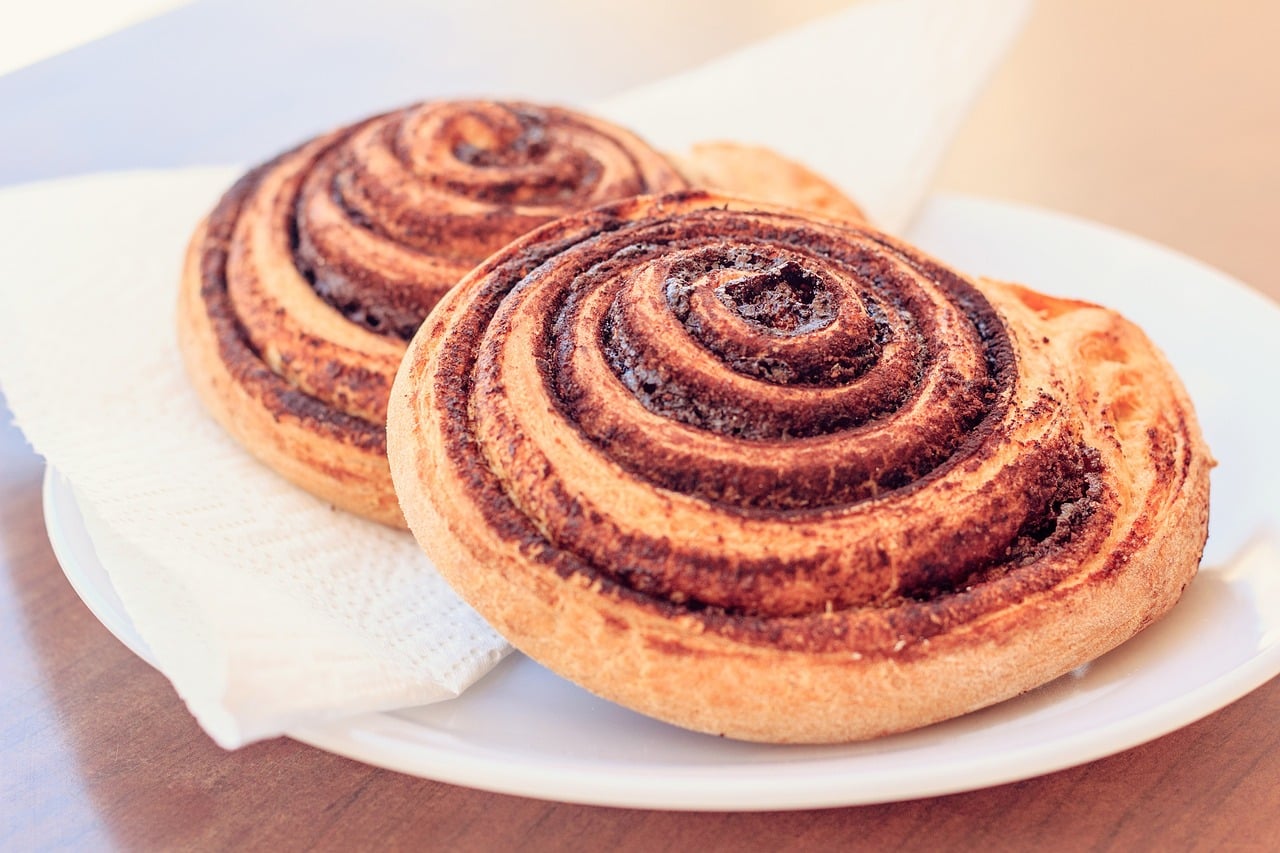
The appeal here is simple: people already love croissants for their buttery layers and cinnamon rolls for their sticky centers. Put those strengths together, and you get a pastry that promises crisp edges, a soft spiral and plenty of cinnamon sugar in every bite.
Bakers have already shown that laminated dough, the folded dough used for croissants, can carry sweet fillings well. Kouign-amann and morning buns prove that butter-rich layers and caramelized sugar work beautifully together, so this mashup would not be a wild leap. It would be a logical next step.
The trick would be balance. Too much filling, and the layers turn heavy. Too little, and it just eats like a plain pastry with cinnamon perfume. A finished version would likely need cream cheese glaze, but used sparingly so the flaky texture still matters in the first bite.
Ramen grilled cheese
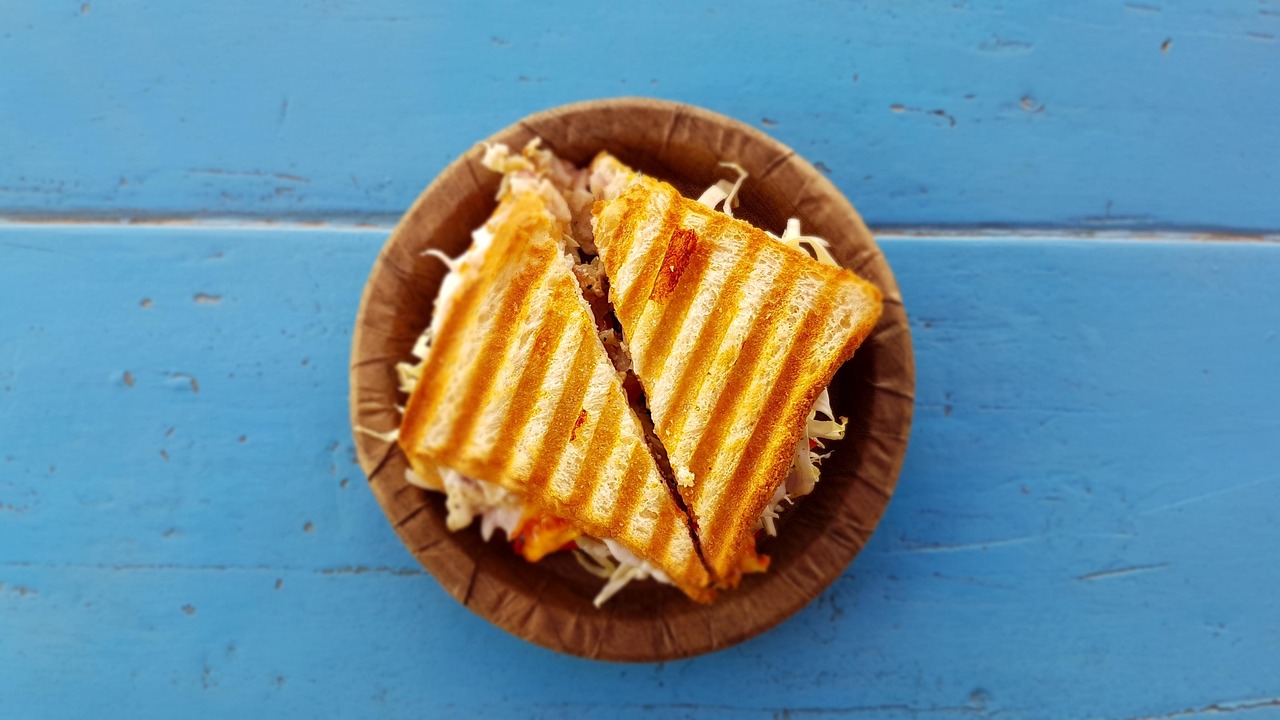
This one sounds chaotic until you break it down by texture. Crunchy seared noodles can stand in for bread, while melted cheese adds the creamy, salty payoff that makes grilled cheese comforting in the first place.
Instant ramen has already become a common shortcut in home cooking, especially in fried noodle buns and casseroles. A ramen grilled cheese would build on that habit, using cooked noodles pressed into patties, then browned in a pan until they hold together around cheese. That means fewer ingredients than the name suggests.
The flavor could go in several directions. Sharp cheddar would keep it familiar, while American cheese would melt more evenly. Scallions, chili crisp or a little sesame oil could push it toward a noodle-shop profile without overwhelming the core idea, which is still a hot, crispy cheese sandwich.
Tiramisu ice cream sandwich
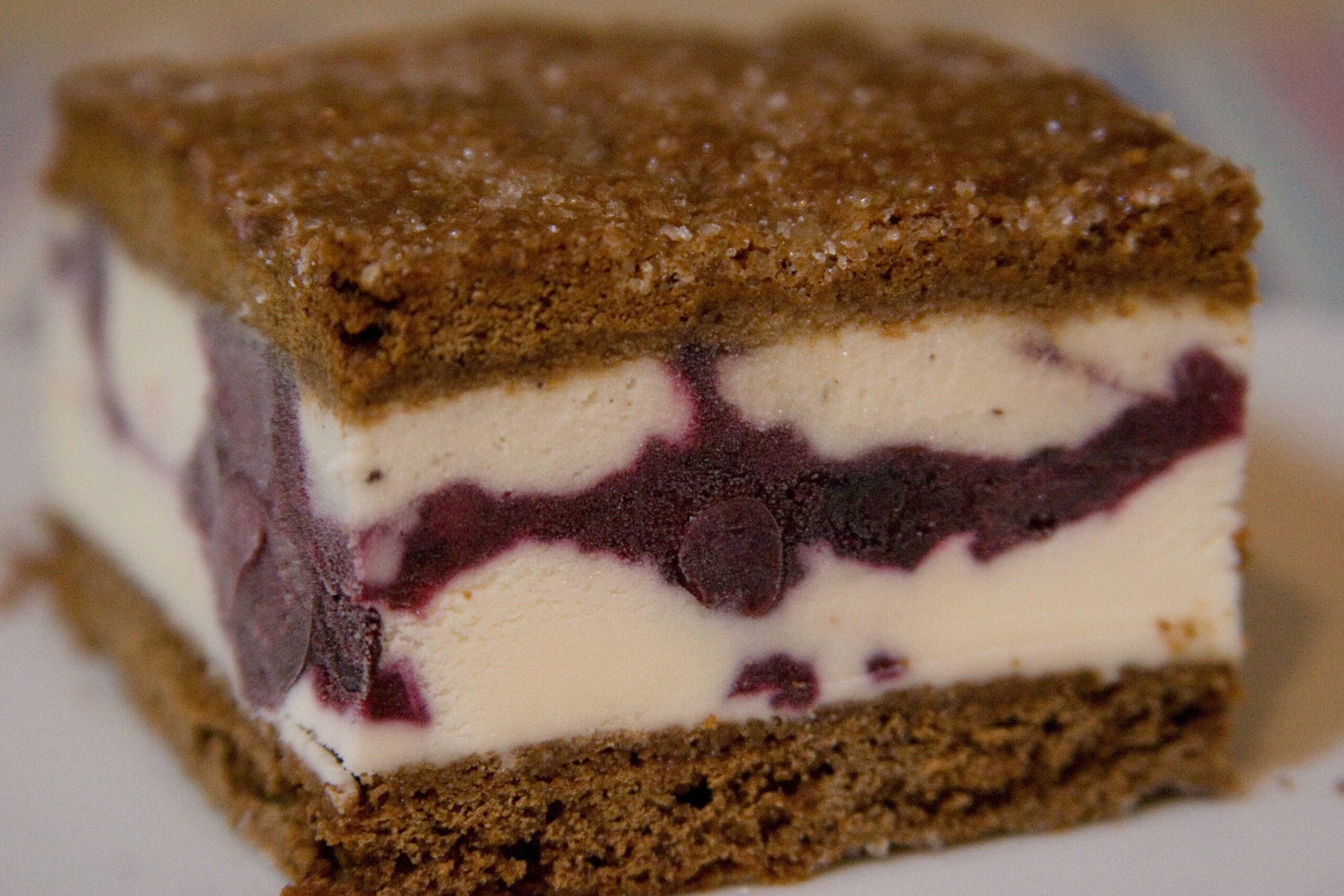
Few desserts are as structurally ready for reinvention as tiramisu. It already has layers, coffee flavor, creamy filling and a soft cake element, which makes it easy to imagine as a frozen handheld dessert.
The outer layer could go one of two ways: espresso cookies for snap, or ladyfinger-style biscuits for a more direct nod to the original. Inside, mascarpone ice cream would do the heavy lifting, bringing the rich dairy character that defines tiramisu more than cocoa does.
This mashup works because freezing would not erase the original personality. Coffee, cocoa and mascarpone all hold up well at low temperatures. The challenge would be avoiding a rock-hard texture, so a smart version would keep enough fat and sugar in the filling to stay scoopable straight from the freezer.
Sushi taco
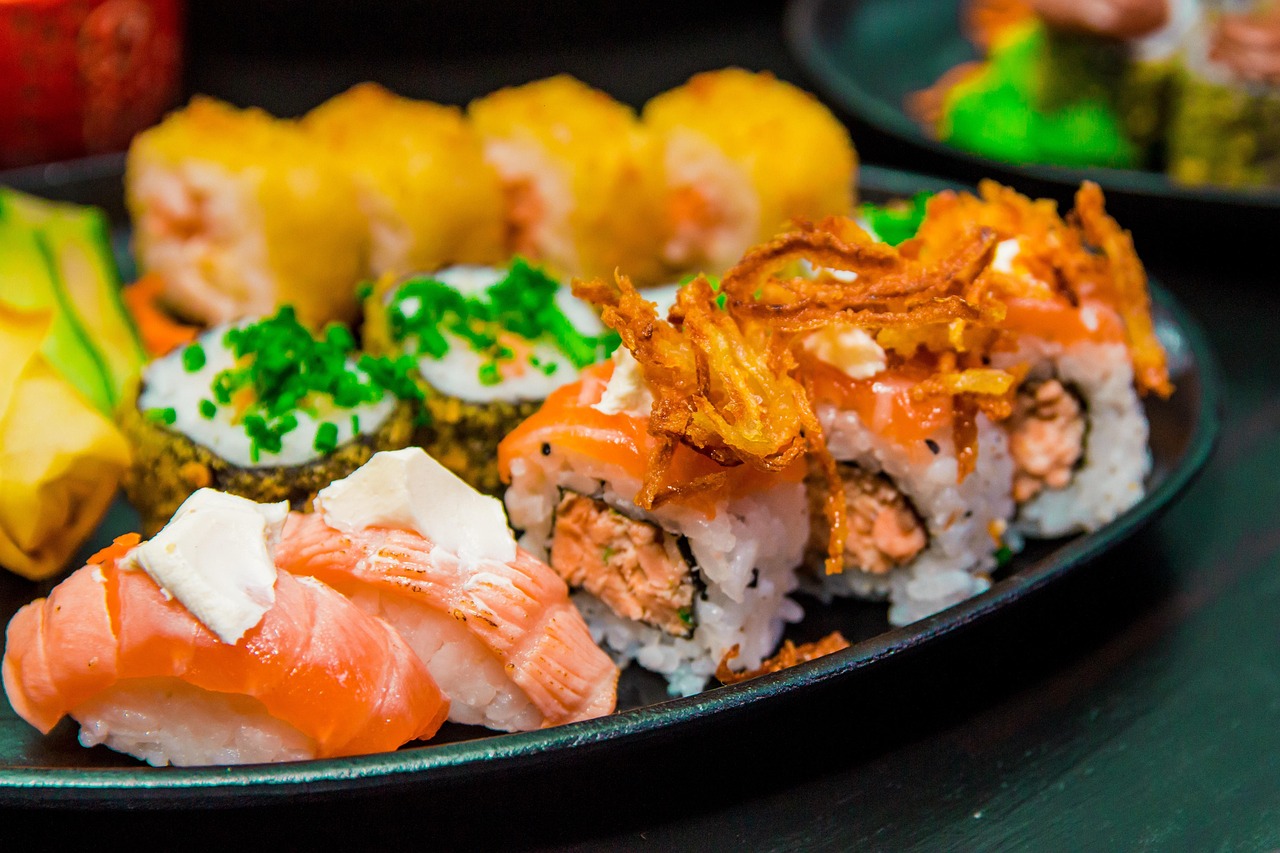
At first glance, this seems like two foods fighting for attention. In practice, sushi taco concepts already appear in casual restaurants because the format solves a real problem: sushi flavors are popular, but rolls can feel repetitive and tacos are easy to hold and customize.
A crisp shell made from fried nori or pressed rice would create the visual hook. From there, the filling could stay close to sushi-bar basics like raw tuna, salmon, cucumber, avocado and spicy mayo, or move toward cooked seafood for broader appeal.
Its strongest advantage is portioning. A taco lets diners try several combinations without committing to a full roll. It also turns sushi into something photographable and social, which helps explain why internet food culture keeps circling back to versions of this idea whenever handheld mashups start trending again.
French onion pizza
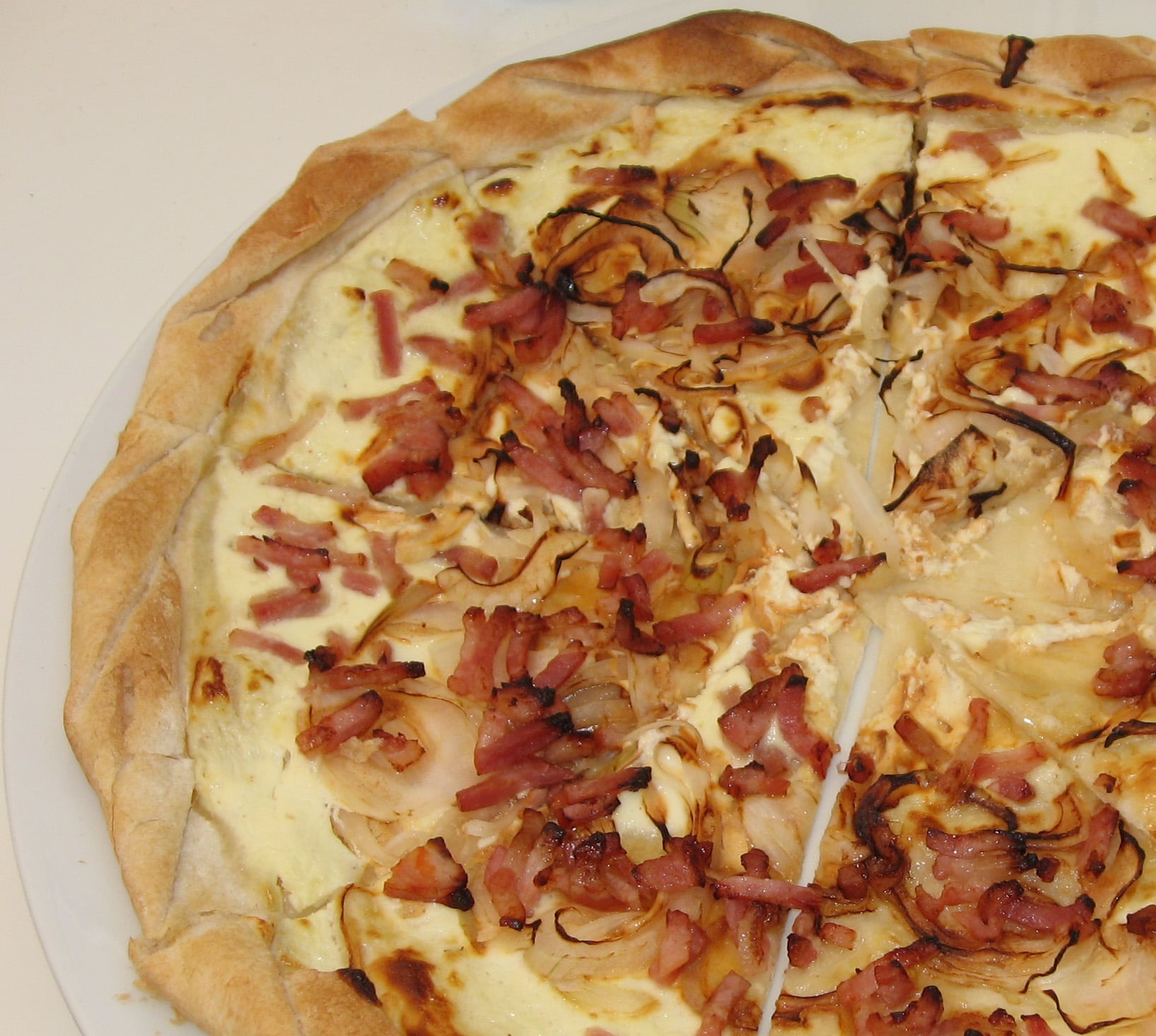
This mashup sounds overdue because both dishes rely on the same comfort notes: sweetness from long-cooked onions, richness from cheese and a deep savory base. The difference is that pizza adds chew and char, while French onion soup brings broth and slow-cooked intensity.
The key would be the onions. Proper French onion flavor depends on patience, not shortcuts. Deep caramelization creates the sweetness, while stock, sherry or wine and herbs add the darker notes people associate with the soup. Spread over dough, that mixture could act like a sauce rather than just a topping.
Cheese choice matters here too. Gruyere would be the natural lead because it is classic in French onion soup, but blending it with mozzarella would improve the stretch and browning. A good final version would taste unmistakably like pizza first, then reveal the soup inspiration in the finish.
Peanut butter and jelly cannoli
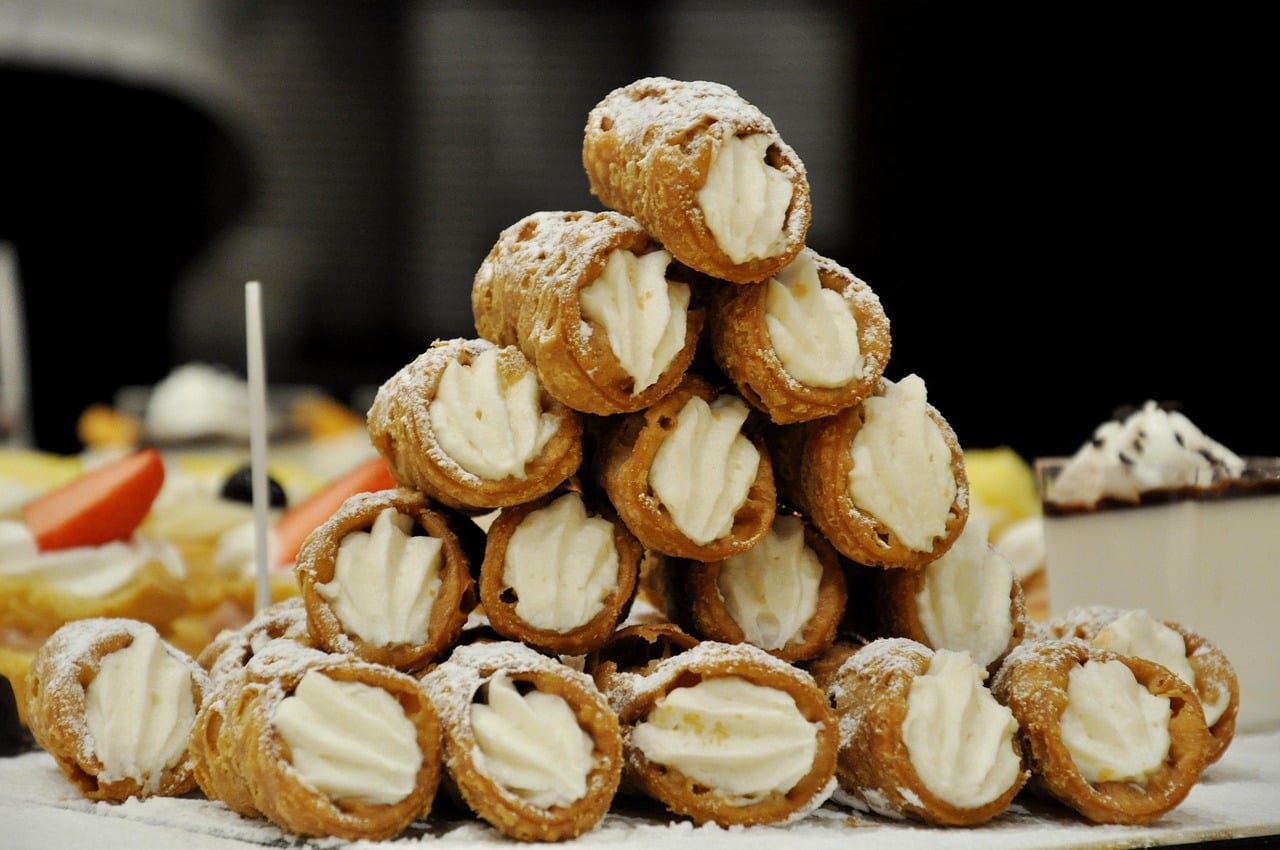
Cannoli shells are built for contrast. They are crisp, lightly sweet and shaped to hold creamy fillings, which makes them an ideal vehicle for flavors far beyond the classic sweetened ricotta with chocolate or citrus.
A peanut butter and jelly version would work best if the filling stayed airy. Straight peanut butter would be too dense, but whipped ricotta or mascarpone blended with peanut butter could keep the texture light. A stripe of jam in the center would give the familiar sandwich effect in dessert form.
There is also a practical reason this pairing feels plausible. Peanut butter and jelly remains one of the most widely recognized flavor combinations in American food culture, and cannoli are already common in bakery display cases. Together, they create something nostalgic enough to feel approachable and different enough to earn a photo.
Kimchi mac and cheese
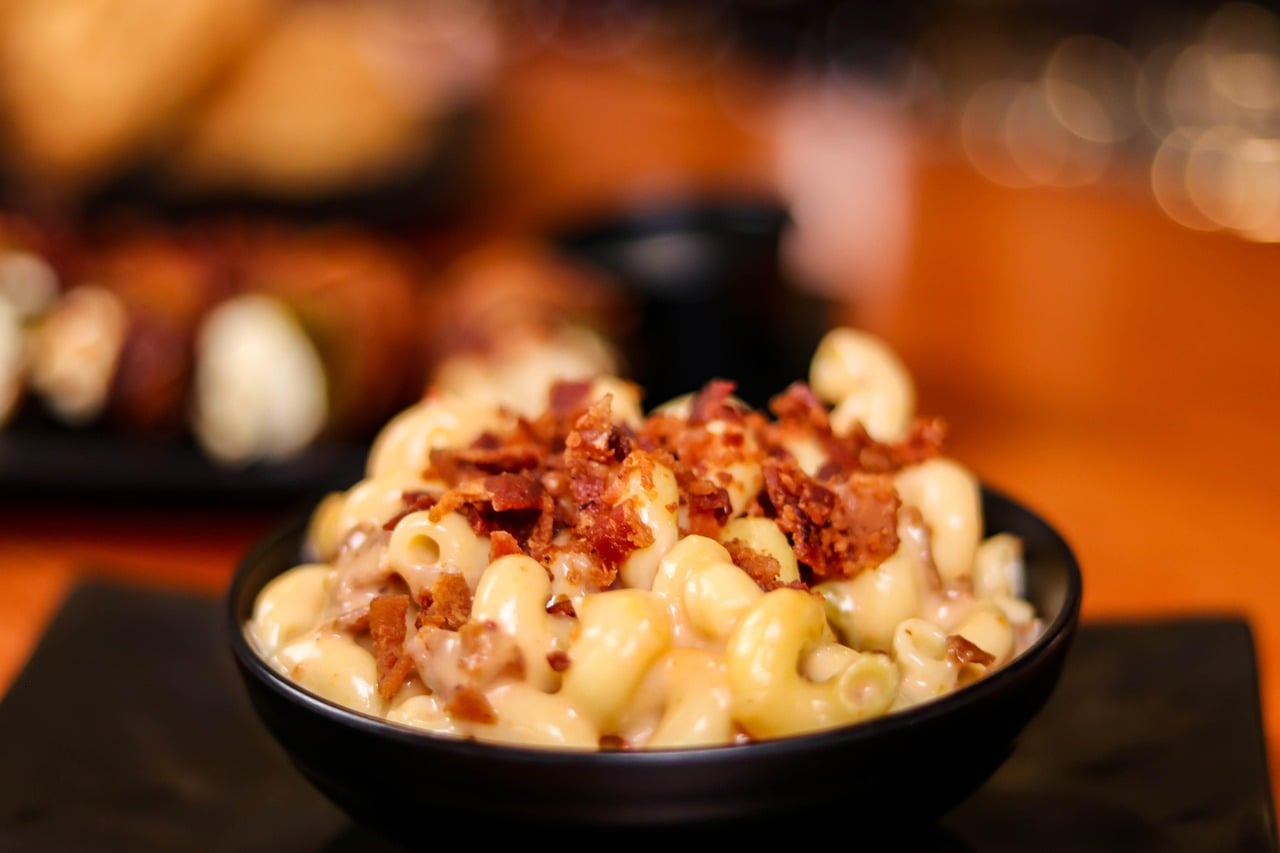
This is one of the more believable entries because the flavor logic is so strong. Mac and cheese is rich, mild and creamy. Kimchi is tangy, spicy and fermented. Put them together, and the sharpness of the kimchi cuts through the dairy in a way that keeps each bite lively.
Chefs and home cooks already use kimchi in fried rice, grilled cheese, pancakes and burgers, so folding it into pasta does not break any rules. Chopped kimchi mixed into a cheese sauce can add acidity and heat without requiring a long ingredient list or advanced technique.
The best versions would pay attention to moisture and salt. Kimchi brings both, so the pasta sauce needs restraint. A topping of toasted breadcrumbs could add crunch, while a milder cheese base, such as cheddar balanced with mozzarella, would keep the fermented flavor from taking over the whole dish.
Churro waffle

This feels like a theme-park hit waiting for wider adoption. Waffles already offer crisp ridges and soft centers, while churros deliver fried crunch, cinnamon sugar and strong snack-counter appeal. Together, they promise breakfast and dessert energy at the same time.
The easiest route would not be deep-frying a whole waffle after cooking it, though some versions might try that. A more practical approach would be a yeasted or choux-inspired batter cooked in a waffle iron, then brushed with butter and coated in cinnamon sugar while still hot.
Dipping sauce would be part of the draw. Chocolate is the classic churro partner, but dulce de leche or vanilla glaze would fit just as naturally. For restaurants, this mashup also makes business sense because it turns familiar pantry ingredients into a dish that looks new in a photo.
Buffalo chicken dumplings
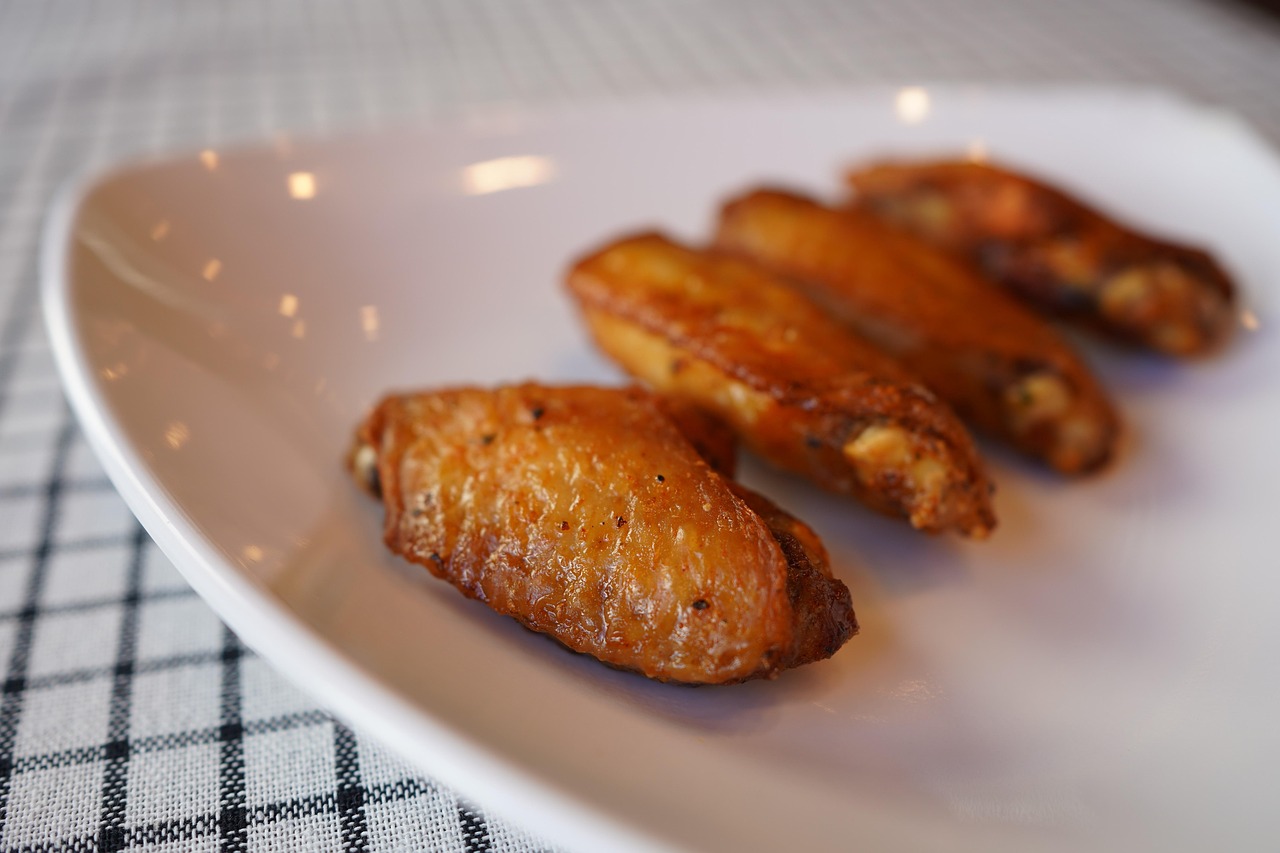
Buffalo chicken already jumps easily from wings to pizza, dip and sandwiches, so dumplings feel like a natural next stop. The spicy, buttery hot sauce profile has enough personality to survive wrapping, steaming or pan-frying.
A solid filling would likely combine shredded chicken, cream cheese or another soft binder, scallions and hot sauce, with a little blue cheese for those who want the full Buffalo effect. The wrapper helps contain the mess that usually comes with Buffalo dishes, making the flavor more portable.
This idea also benefits from contrast. Dumpling dough softens the sharp edges of the sauce, while a crisp pan-fried bottom could mimic the pleasure of well-cooked chicken skin. Served with ranch or blue cheese dip, it would read instantly even to people who had never heard of the mashup before.
Baklava cheesecake
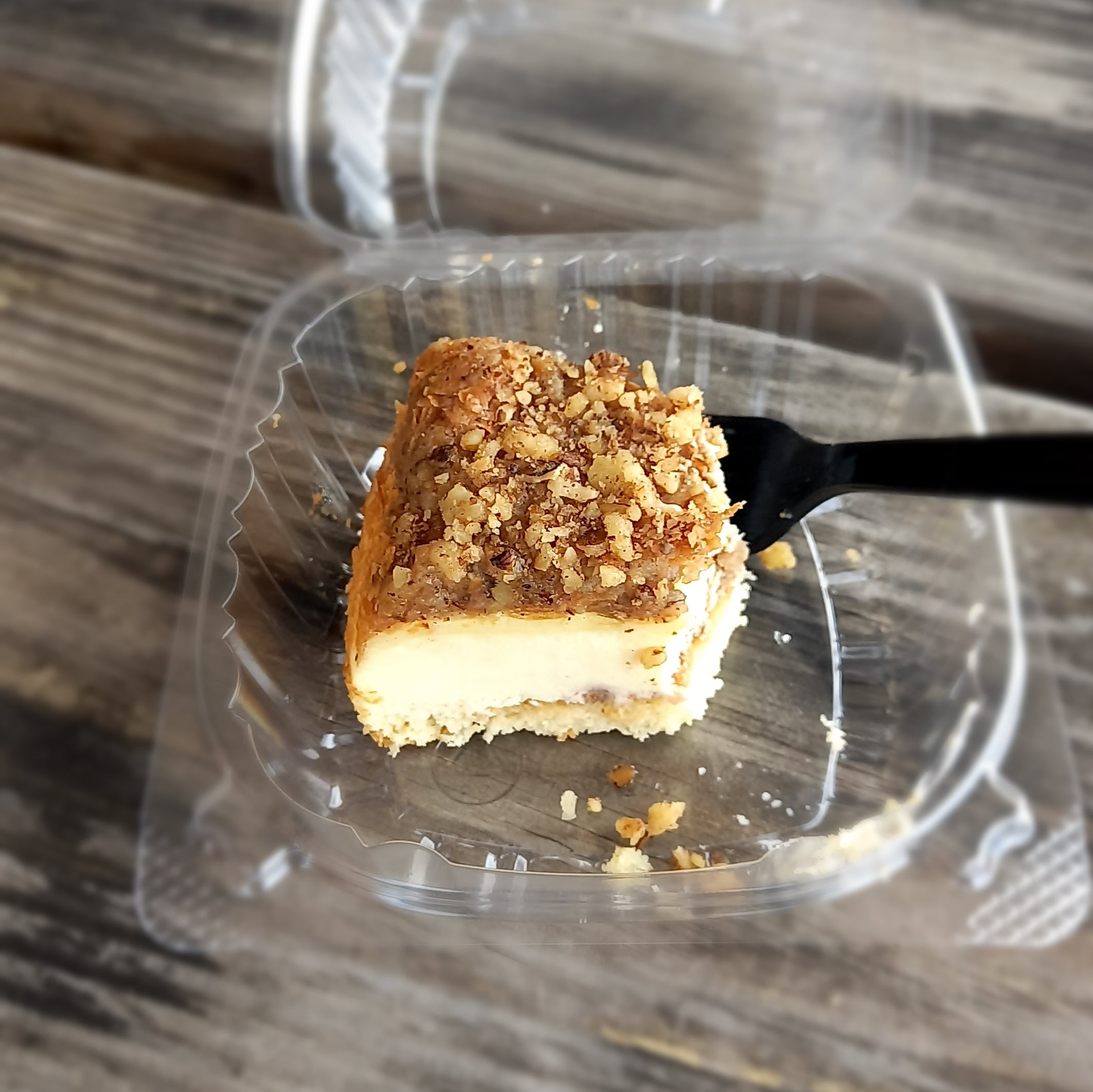
As a closing act, this may be the easiest to imagine on a real dessert menu. Baklava brings phyllo, nuts, honey and warm spice. Cheesecake brings tang, density and a clean creamy base. The two profiles overlap enough to feel harmonious, not forced.
The most convincing version would use phyllo for texture rather than trying to replace every part of a standard crust. Layers of butter-brushed pastry on top or below a cheesecake filling could provide the signature crackle, while pistachios or walnuts and a honey syrup carry the baklava identity.
This mashup endures online because it solves a real dessert problem. Cheesecake can be rich to the point of heaviness, and baklava can be intensely sweet. Combined carefully, each one softens the other's extremes, leaving a dessert that feels familiar, ornate and very easy to picture behind bakery glass.

Leave a Reply