
Plenty of foods that felt unbearable at age 8 can taste unexpectedly great by 28 or 48. That shift is not random. As we grow up, our taste buds, habits, memories, and even the way foods are prepared all change, making bitter, earthy, tangy, and complex flavors much easier to enjoy.
Brussels Sprouts

Few foods have had a bigger reputation turnaround than Brussels sprouts. Many adults who swear they hated them as kids are not imagining things. Older varieties were often more bitter, and childhood sensitivity to bitter compounds is naturally stronger, so every bite could taste harsher than it does now.
Preparation also changed everything. Instead of being boiled into a sulfurous mush, Brussels sprouts are now more likely to be roasted until crisp, then paired with olive oil, bacon, parmesan, or balsamic glaze. That caramelized edge softens bitterness and brings out nuttiness.
By adulthood, people also tend to appreciate contrast more. A vegetable that tastes savory, slightly sweet, and a little sharp suddenly feels interesting rather than punishing.
Broccoli

Broccoli is one of those vegetables children often meet at its worst. If it was steamed too long, it turned limp, watery, and pungent, with none of the texture that makes it satisfying. For a child who already notices bitterness more intensely, that experience can be enough to write it off for years.
As adults, we meet broccoli in better forms. Roasted florets become browned and sweet around the edges, while stir-fried broccoli keeps its snap. Add garlic, chili flakes, lemon, or a shower of parmesan, and it starts to taste layered rather than plain.
There is also a psychological shift. Adults often connect broccoli with freshness, health, and good cooking, which can make the same vegetable feel far more appealing than it once did.
Spinach

Spinach can be a tough sell in childhood because its texture is as challenging as its flavor. Cooked spinach shrinks dramatically, looks mysterious, and can feel slippery on the tongue. Raw spinach, meanwhile, can seem grassy or too assertive when a child is expecting something sweeter and simpler.
Adult palates are better at handling that mineral, slightly bitter note. More importantly, spinach is rarely served alone anymore. It shows up in salads with fruit and nuts, folded into omelets, blended into smoothies, or creamed with garlic and onion.
Context matters here. When spinach becomes part of a well-balanced dish, its earthiness starts to read as depth. What once seemed strange begins to taste sophisticated and comforting.
Mushrooms
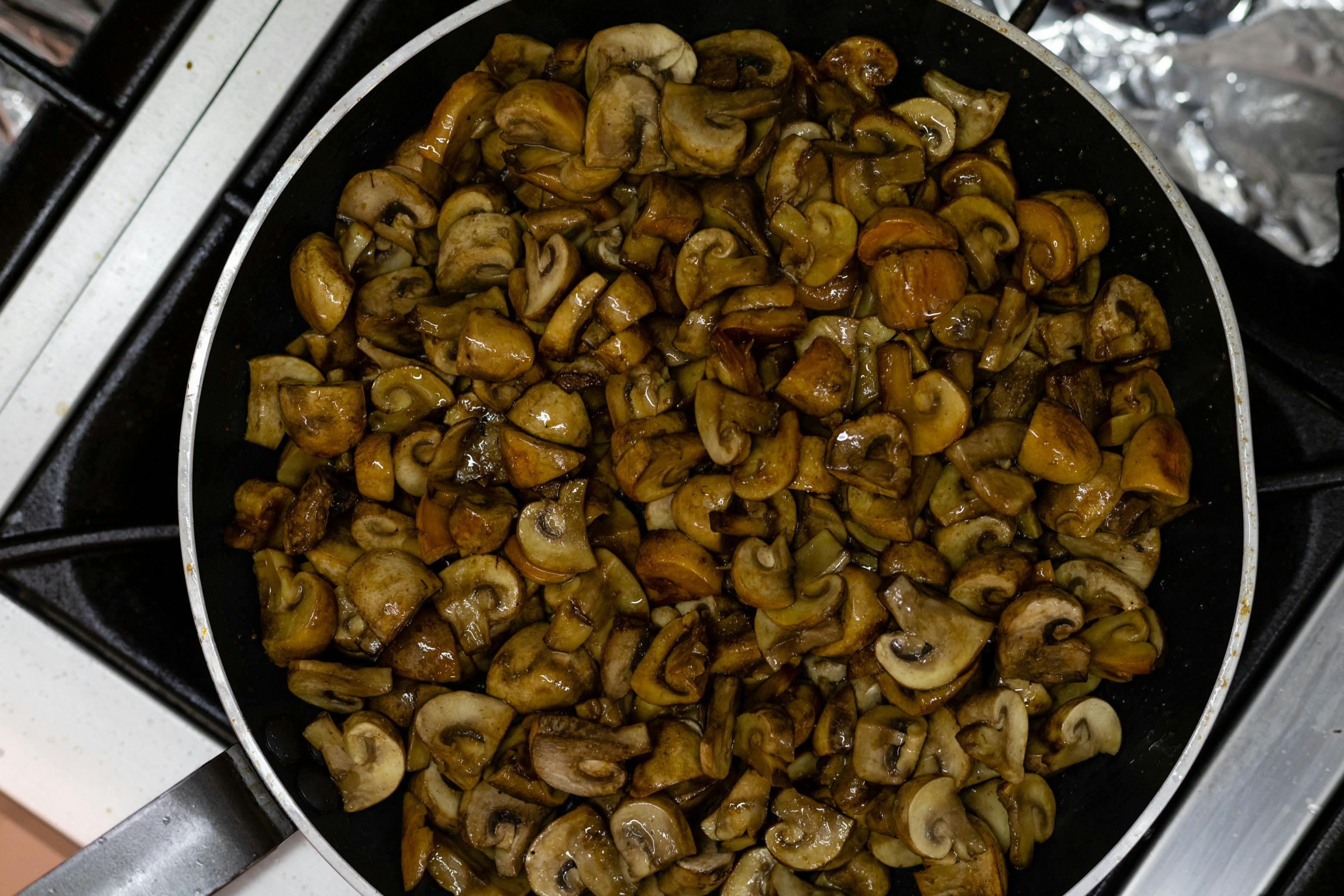
Mushrooms are often rejected for one simple reason in childhood: texture. They can feel slippery, spongy, or oddly squeaky, and for many kids that is harder to accept than the flavor itself. Their earthy aroma can also seem too intense compared with milder foods children usually prefer.
Adults tend to value exactly what kids avoid. Mushrooms have a deep savory quality, often called umami, that adds richness to pasta, soups, risotto, and burgers. When properly browned, they become meaty, concentrated, and almost buttery.
Experience plays a part too. Once you taste mushrooms in a good sauce or cooked with butter, thyme, and garlic, they stop being a suspicious side item and become a key source of flavor.
Olives
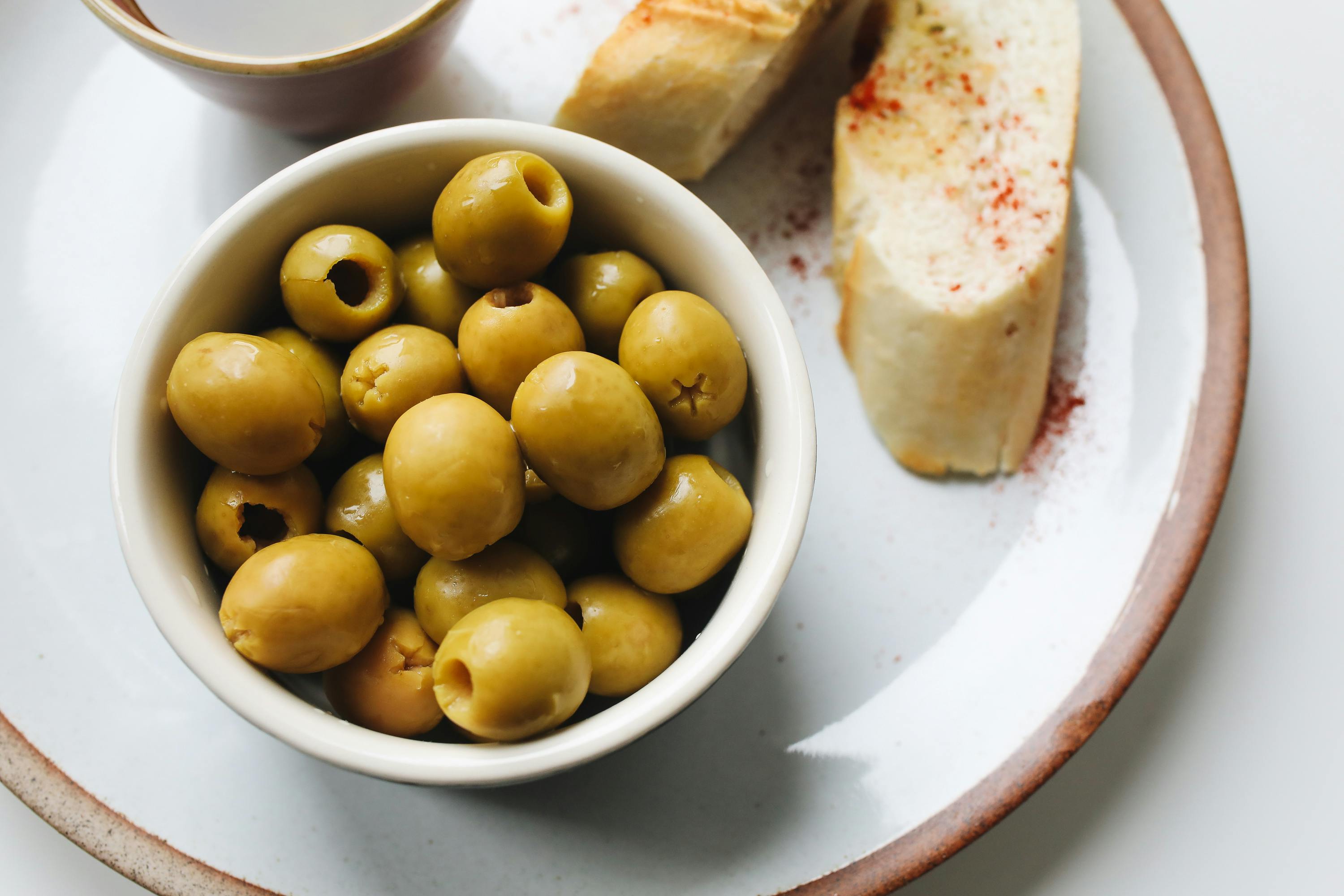
Olives can seem downright baffling to children. They are salty, briny, slightly bitter, and sometimes soft in a way that feels unfamiliar. For a young palate used to straightforward sweetness or bland comfort foods, olives ask for a level of taste tolerance that usually has not developed yet.
Adulthood changes that in two ways. First, repeated exposure makes strong flavors less shocking. Second, adults often start enjoying foods that taste fermented, cured, or preserved because those flavors bring complexity and character.
Olives also shine when paired well. In pasta, salads, tapenade, or on a cheese board, their punchy saltiness balances richer ingredients beautifully. What once tasted aggressive can start to feel elegant and addictive.
Blue Cheese
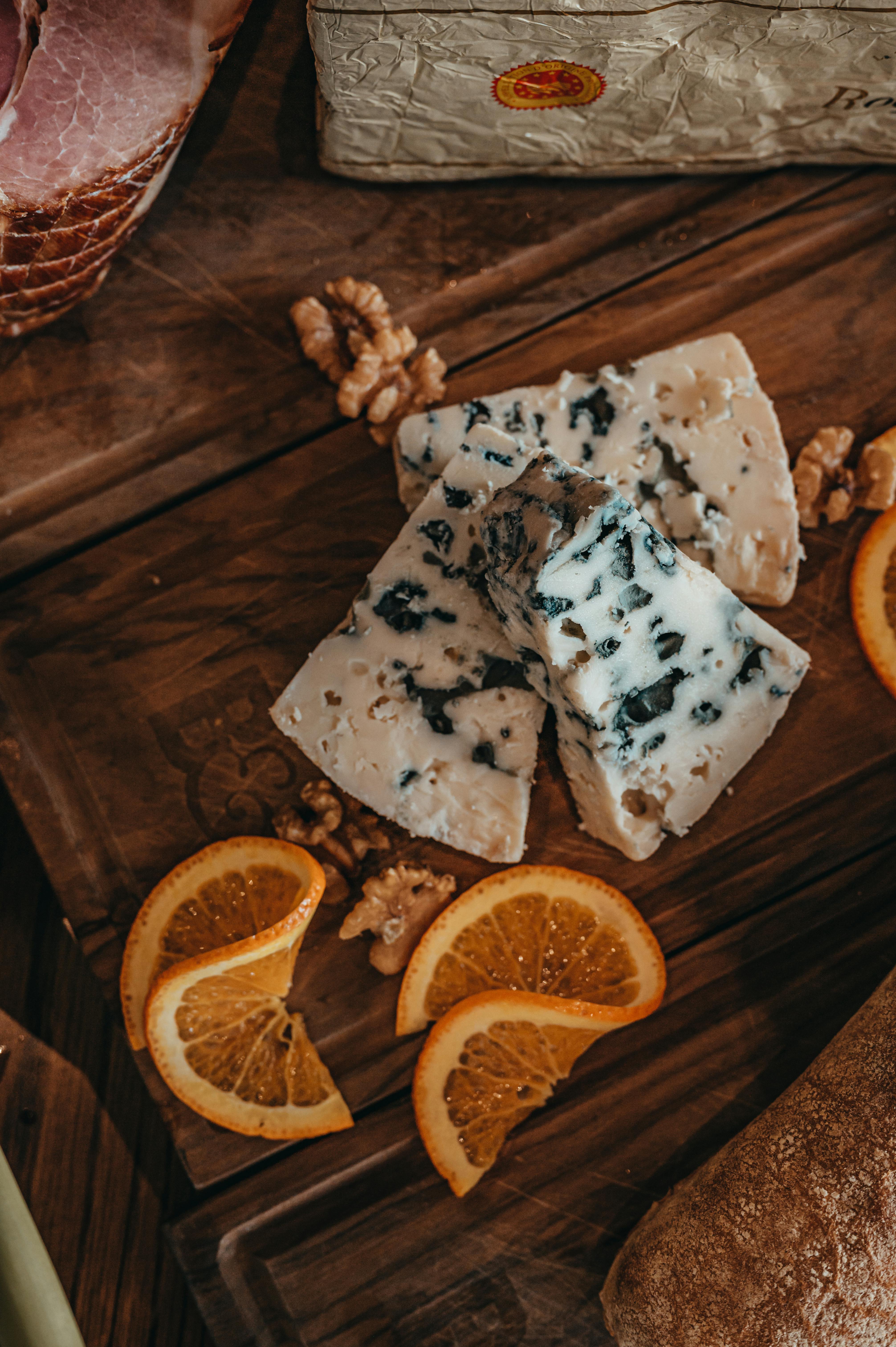
Blue cheese has almost everything a child dislikes in one bite. It smells strong, looks streaked and unusual, and delivers sharp saltiness with a funky finish. Even adults who love cheese can remember a first encounter that felt more like a dare than a snack.
Taste maturity makes a huge difference here. As people age, they often become more open to fermented foods and stronger aromas. Blue cheese then starts to register not as spoiled or strange, but as creamy, complex, and pleasantly bold.
It also helps that adults rarely eat it plain by accident. Crumbled over steak, melted into a sauce, or paired with pears, walnuts, and honey, blue cheese reveals why chefs value contrast so much.
Asparagus

Asparagus tends to confuse young eaters because its flavor is grassy, slightly bitter, and unlike most vegetables they know. The texture can be another issue. If it is undercooked, it feels fibrous. If it is overcooked, it turns limp and stringy, which does it no favors.
Adults often discover asparagus when it is treated properly. Roasting or grilling gives it a smoky sweetness, while lemon, butter, hollandaise, or shaved parmesan highlights its freshness without overwhelming it. Suddenly, it tastes refined rather than severe.
There is also the appeal of seasonality. Many adults come to appreciate asparagus as a sign of spring and good produce. That sense of timing and anticipation can make its flavor even more rewarding.
Beets

Beets often lose kids at first bite because they taste unmistakably earthy. To a child, that can read as dirt-like rather than sweet. Their deep color and dense texture can also feel intimidating, especially if the only version served came from a can and leaned soft and metallic.
Adult tastes are better equipped for earthy foods, and modern preparation helps a lot. Roasted beets turn sweeter and more concentrated, with a tender texture that works beautifully in salads, grain bowls, and purees. Goat cheese, citrus, and nuts make them even more inviting.
There is a reason chefs return to them so often. Beets have natural sweetness, visual drama, and depth, which are qualities people tend to value far more as they get older.
Cabbage

Cabbage has long suffered from bad childhood memories. When boiled too long, it smells strong and turns soft in a way that can make the whole kitchen feel bleak. For kids, that kind of first impression is hard to overcome, especially when the flavor lands as sulfurous or bitter.
In adulthood, cabbage often gets a second chance through better cooking. It can be charred, sauteed, braised, fermented, or served raw in crunchy slaws. Each method brings out a different side, from sweet and mellow to bright and tangy.
That range is what wins people over. Cabbage is no longer just a sad side dish. It becomes a versatile ingredient with texture, freshness, and the kind of humble depth adults often learn to admire.
Eggplant

Eggplant can be a disaster when introduced badly. If it is underseasoned or poorly cooked, it turns bland, watery, and oddly mushy. That texture alone can put off a child, especially when the flavor seems hard to define and the purple skin makes it look more suspicious than inviting.
Adults usually encounter eggplant in dishes that show what it can actually do. Roasted eggplant becomes silky and rich, while grilling adds smoke and a satisfying char. In baba ghanoush, ratatouille, or eggplant parmesan, it absorbs surrounding flavors beautifully.
That talent for soaking up olive oil, tomato, garlic, and spice is exactly why it ages well with the palate. What felt shapeless as a kid can become deeply savory and luxurious later on.
Dark Chocolate

Children usually want chocolate to be one thing: sweet. Dark chocolate breaks that rule. It can be bitter, fruity, roasted, and slightly dry, with less sugar to smooth everything out. To a child, that often feels like a disappointing version of the treat they were expecting.
Adults, on the other hand, tend to enjoy nuance. Once the palate becomes less dependent on sugar, dark chocolate starts to reveal its range. Good bars can carry notes of coffee, red fruit, nuts, or spice, depending on the cacao and how it was processed.
There is also satisfaction in the restraint. Dark chocolate tastes less like candy and more like an ingredient with character. That subtle bitterness, once rejected, can become exactly what makes it appealing.




Leave a Reply