
Montreal bagels are easy to spot and even easier to tell apart from the New York style. Their sweetness, chew and slight smoky finish come from a specific chain of choices that bakers in Montreal have guarded, debated and refined for decades.
The sweeter dough
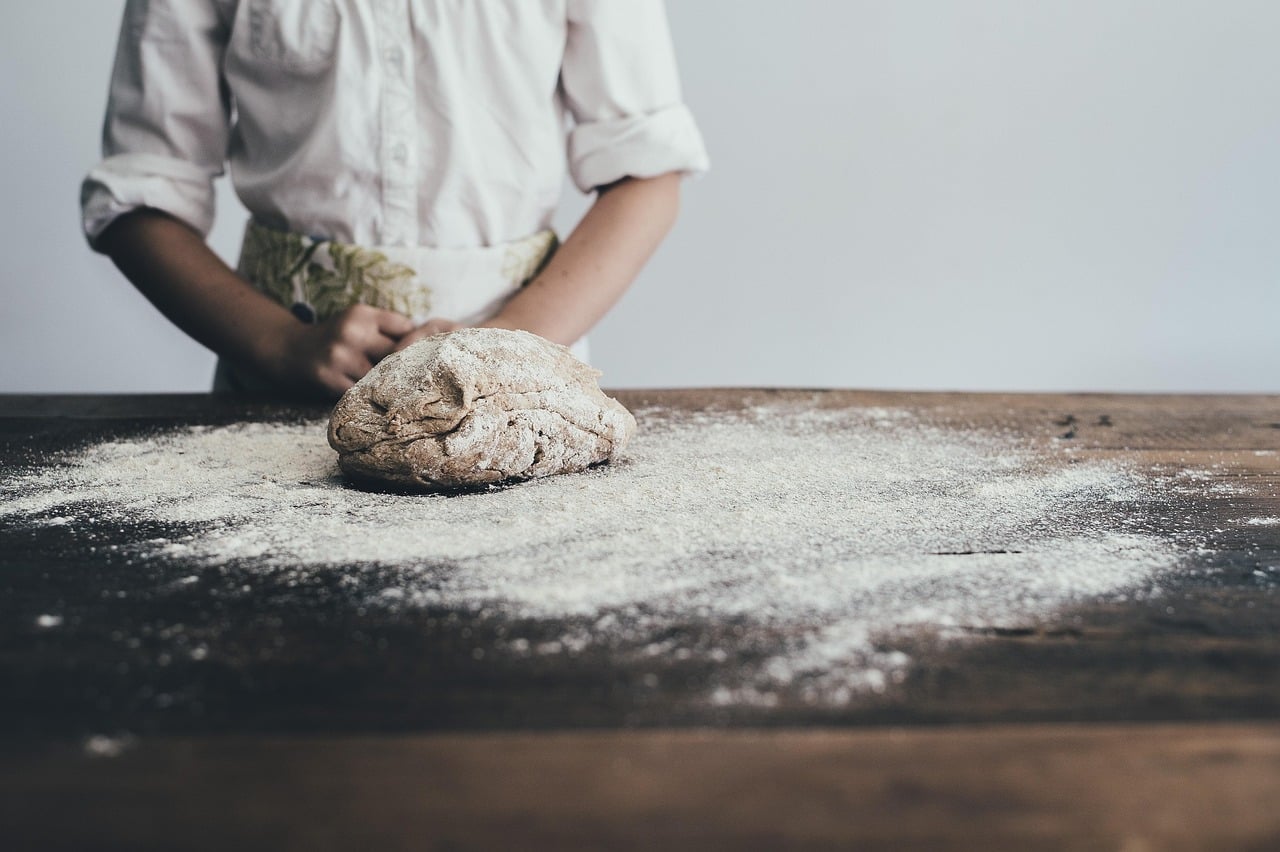
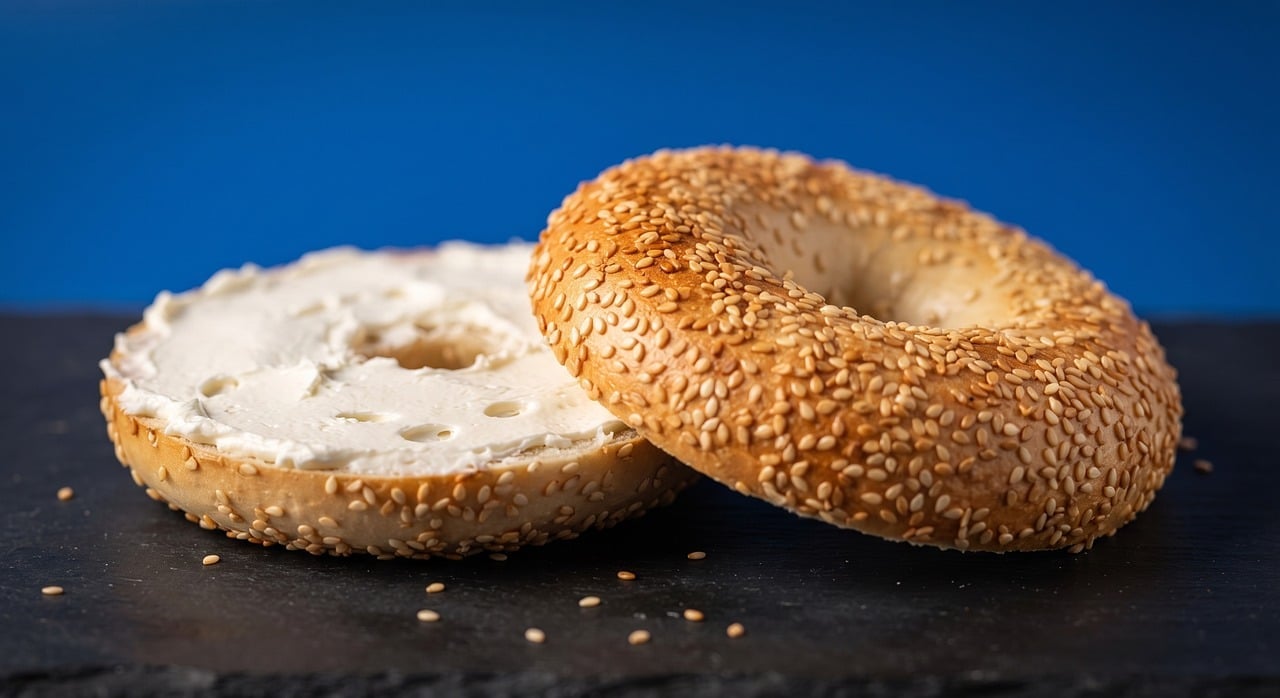
The first difference shows up before a bagel reaches the oven. Traditional Montreal bagel dough is made with malt, sugar and egg, which gives it a lightly sweet taste and a richer color than many New York bagels. The dough is also usually hand rolled, which helps create the slimmer shape and larger center hole people associate with the style.
That formula matters because the bagel starts with less salt and a more pronounced sweetness. The result is not dessert-like, but it is noticeable, especially when eaten plain and still warm.
The honey-water bath
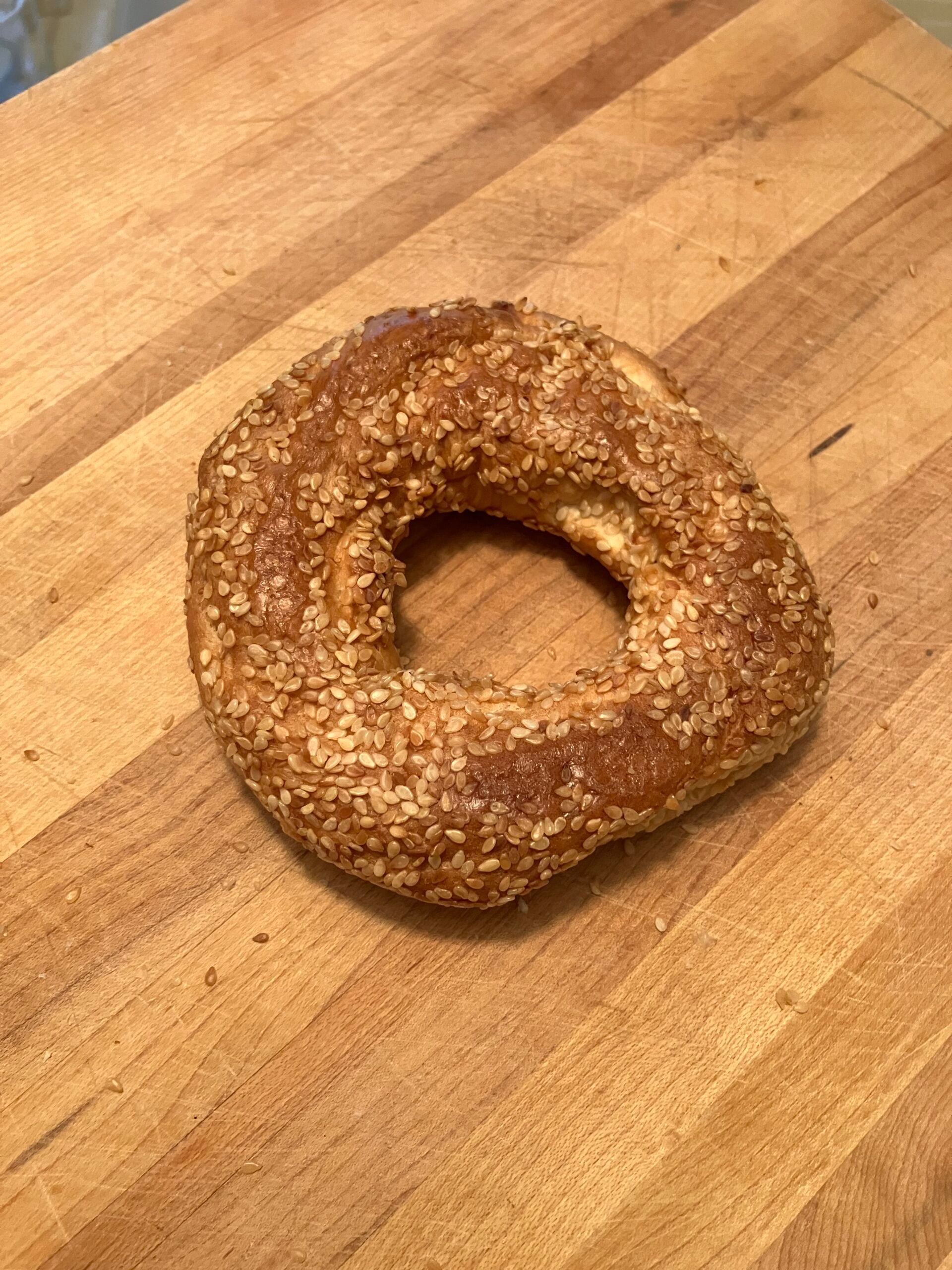
Montreal bakers do not just boil bagels in plain water. A defining step is poaching them in water sweetened with honey before baking. That bath adds a gentle glaze and helps set the crust, which is one reason the finished bagel looks shiny and tastes faintly caramelized.
The sweetness from the honey does not overwhelm the bread. Instead, it rounds out the dough and reinforces the contrast between the crust and the dense interior. It is a small step with a big sensory payoff.
The wood-fired oven
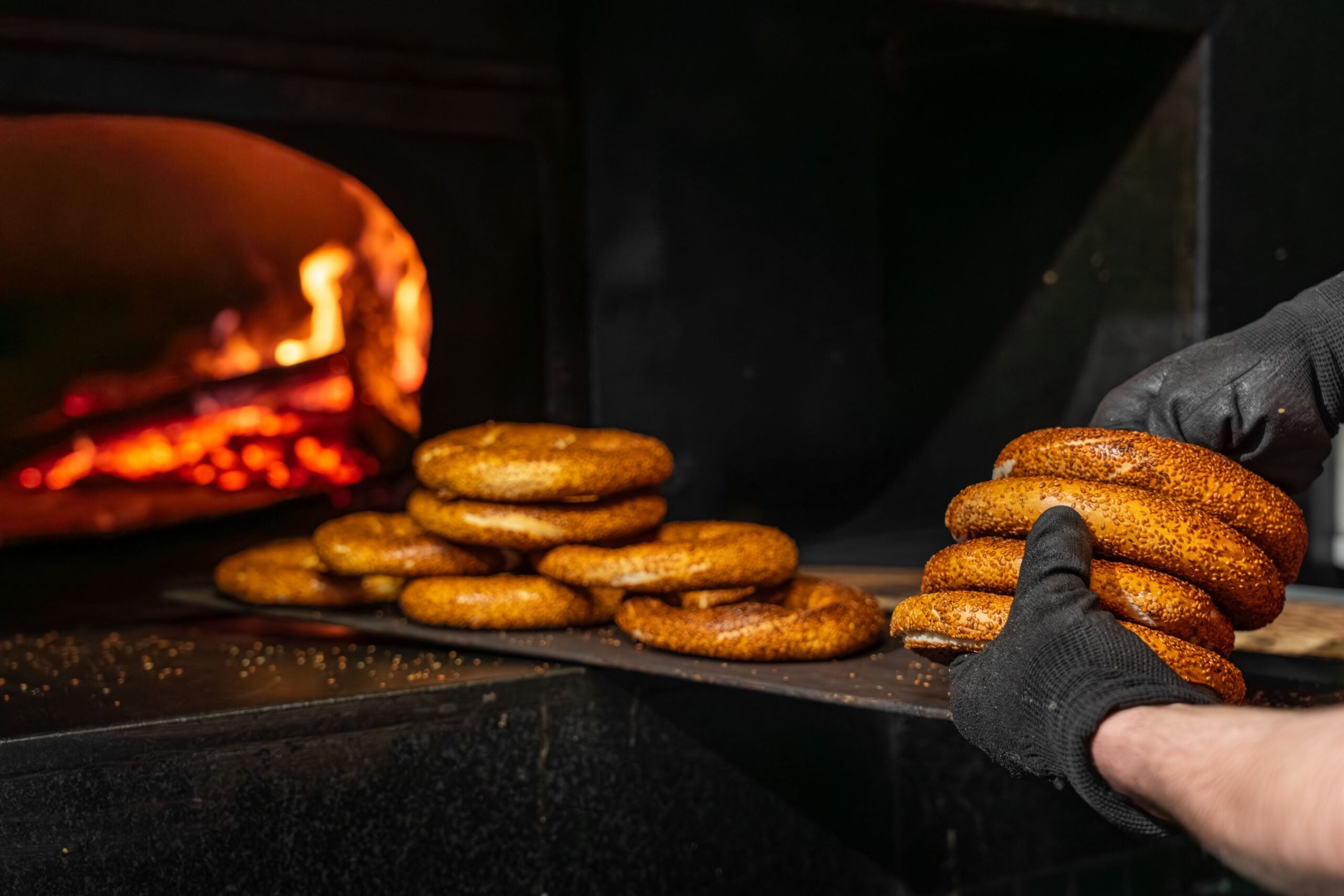
If the honey bath builds sweetness, the oven adds depth. Classic Montreal bagels are baked in wood-fired ovens, a method still used at landmark shops including St-Viateur Bagel and Fairmount Bagel. High heat helps the bagels brown quickly while keeping the inside tight and chewy.
Wood fire also contributes a subtle smoky note that electric or gas ovens do not reproduce in quite the same way. It is part of why a fresh Montreal bagel tastes so complete on its own, without much need for toppings.
Smaller, thinner and denser
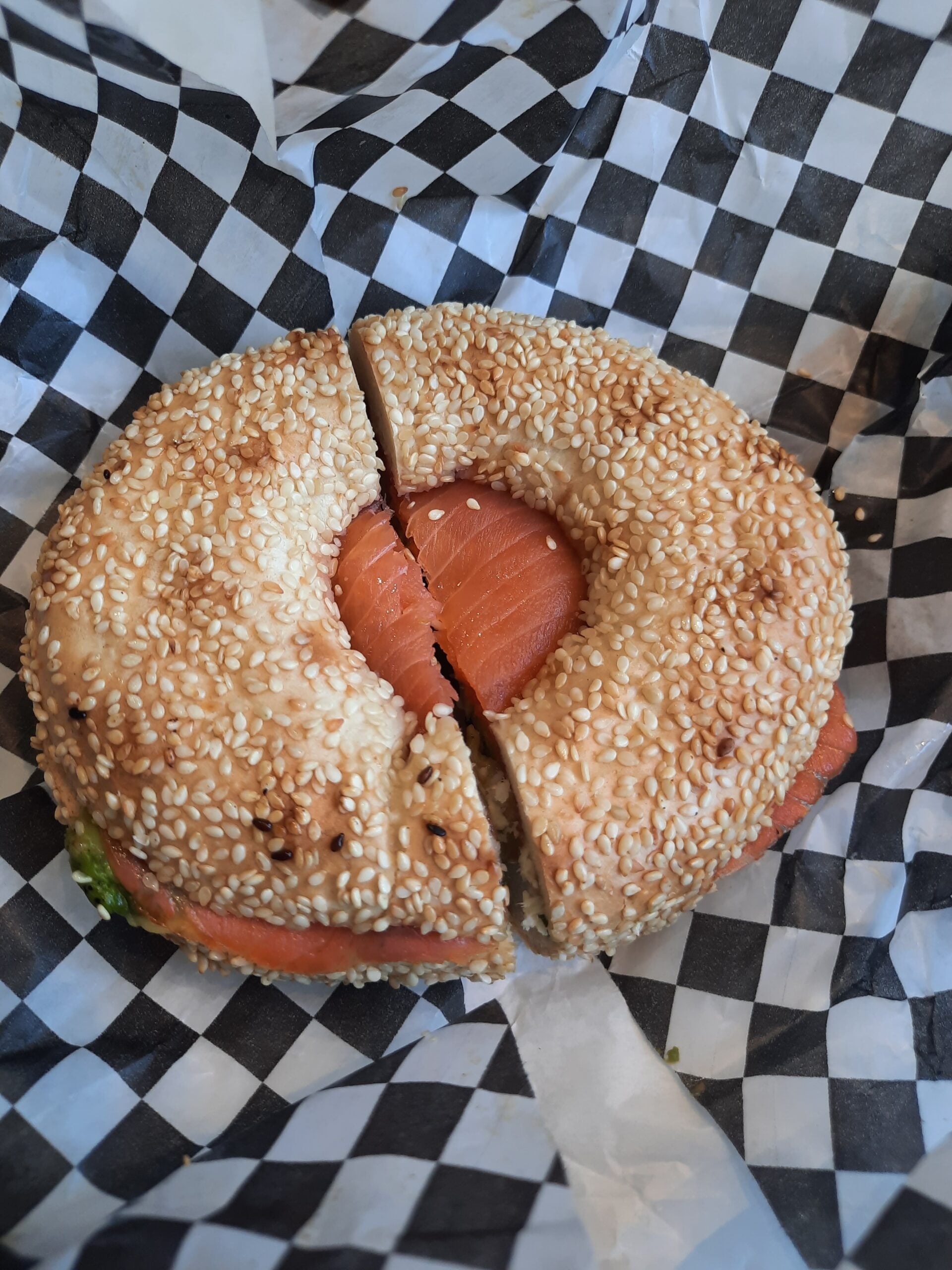
Montreal bagels are usually smaller than New York bagels, with a larger hole and a thinner ring of dough. That shape changes the eating experience. You get more crust in each bite, less pillowy interior and a firmer chew.
Because they are denser, they often feel less bready and more concentrated in flavor. Sesame and poppy seed versions are especially common, and the seeds cling well to the glossy exterior created by the honey-water bath.
The rivalry that sharpened the style
Part of the bagel's identity comes from a long-running local rivalry. Fairmount Bagel opened in 1919 and is widely recognized as Montreal's first bagel bakery. St-Viateur Bagel followed in 1957, and over time the two shops became the names most closely linked to the city's bagel culture.
That competition helped define expectations around freshness, texture and technique. For many Montrealers, choosing a favorite is about more than preference. It is a neighborhood loyalty, a family habit and a small argument that never quite ends.
A bagel shaped by immigration and routine
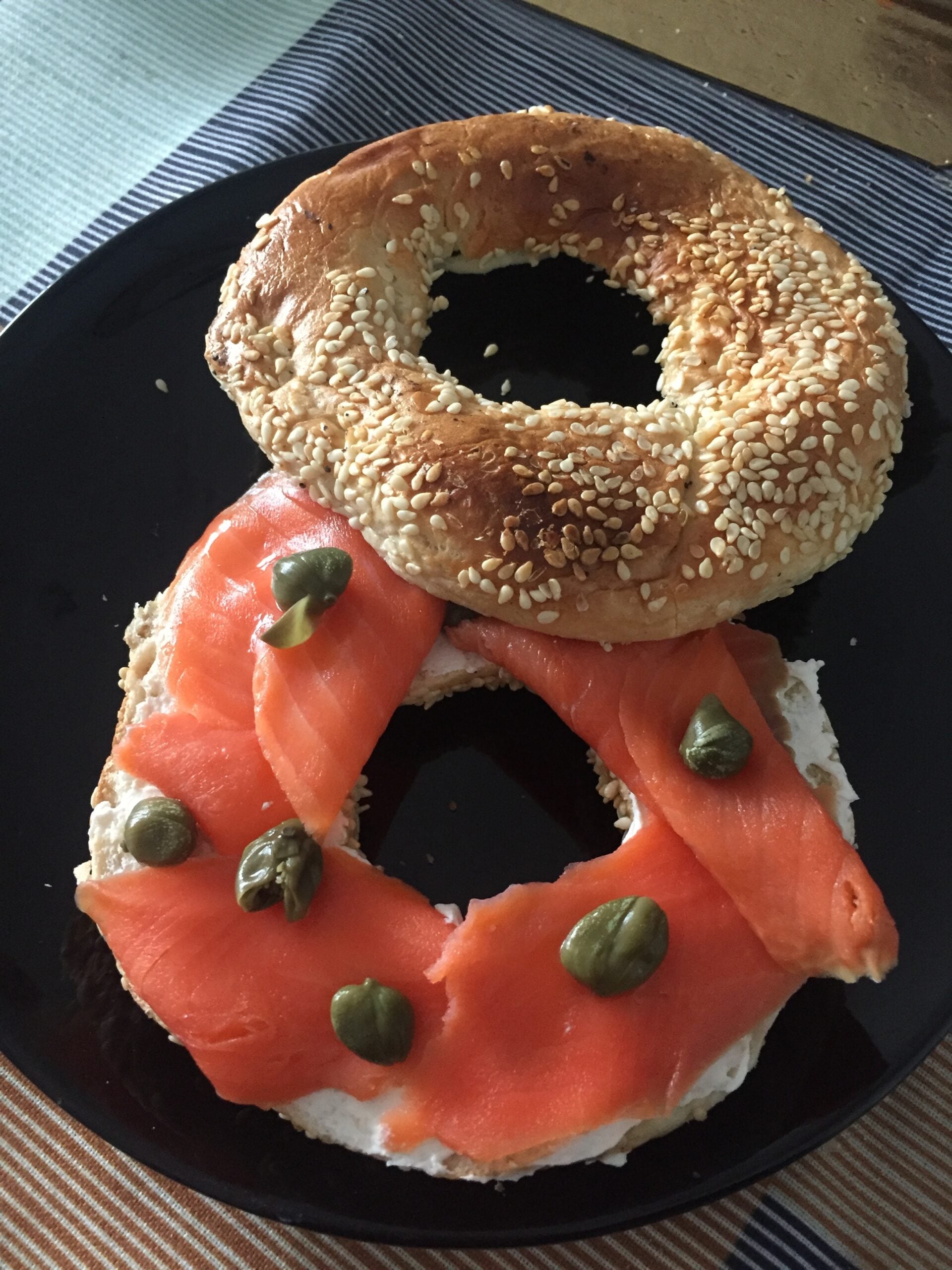
Montreal's bagel tradition traces back to Jewish immigrants from Eastern Europe, who brought bagel-making techniques and adapted them locally. Over time, the city's version developed into something distinct, shaped by available ingredients, customer taste and bakery practice.
That history helps explain why Montreal bagels still feel tied to place. They are often bought by the dozen, eaten warm and treated as an everyday food rather than a special occasion item. The sweetness is real, but so is the story behind it.

Leave a Reply