
Grocery prices have been one of the clearest ways inflation shows up at home. In Canada and the United States alike, food costs jumped hard after 2020, but recent data shows the pace of those increases has cooled, which is good news even if checkout totals still feel heavy.
The 33% jump is not a one-month story
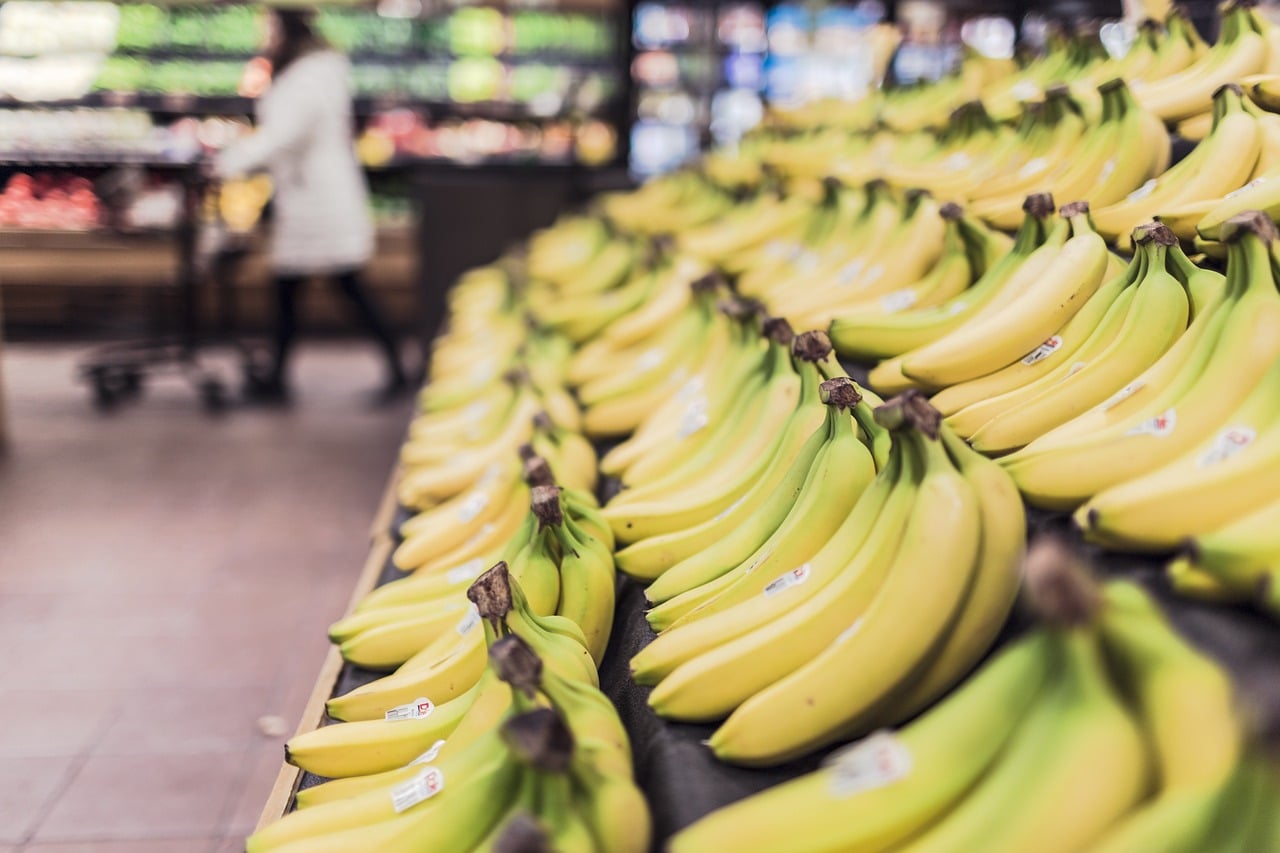
That big 33% figure reflects several years of cumulative increases, not one sudden spike. In the United States, the Bureau of Labor Statistics consumer price index for food at home in September 2024 was about 31% higher than in January 2020, and roughly one-third higher than the pre-pandemic period overall, depending on the month used for comparison.
In Canada, the pattern is similar even if the exact percentage differs by measure and month. Statistics Canada has reported that food purchased from stores rose sharply through 2022 and 2023 before easing in 2024. So the headline point is directionally right, but the exact 33% claim depends on which country, month, and price index are being used.
Pandemic shocks hit the food chain from every angle

The first driver was disruption. Early in the pandemic, farms, food processors, truckers, warehouses and retailers all faced labour shortages, illness-related absences, and sudden shifts in demand from restaurants to grocery stores.
That matters because food systems run on timing. When meatpacking plants slowed, supplies tightened. When containers and shipping routes jammed, imported ingredients arrived late and cost more. Even basics like packaging became pricier. Grocery inflation was not just about one missing item on a shelf. It was a chain reaction across the whole cart.
Energy, fertilizer and feed made food costlier to produce
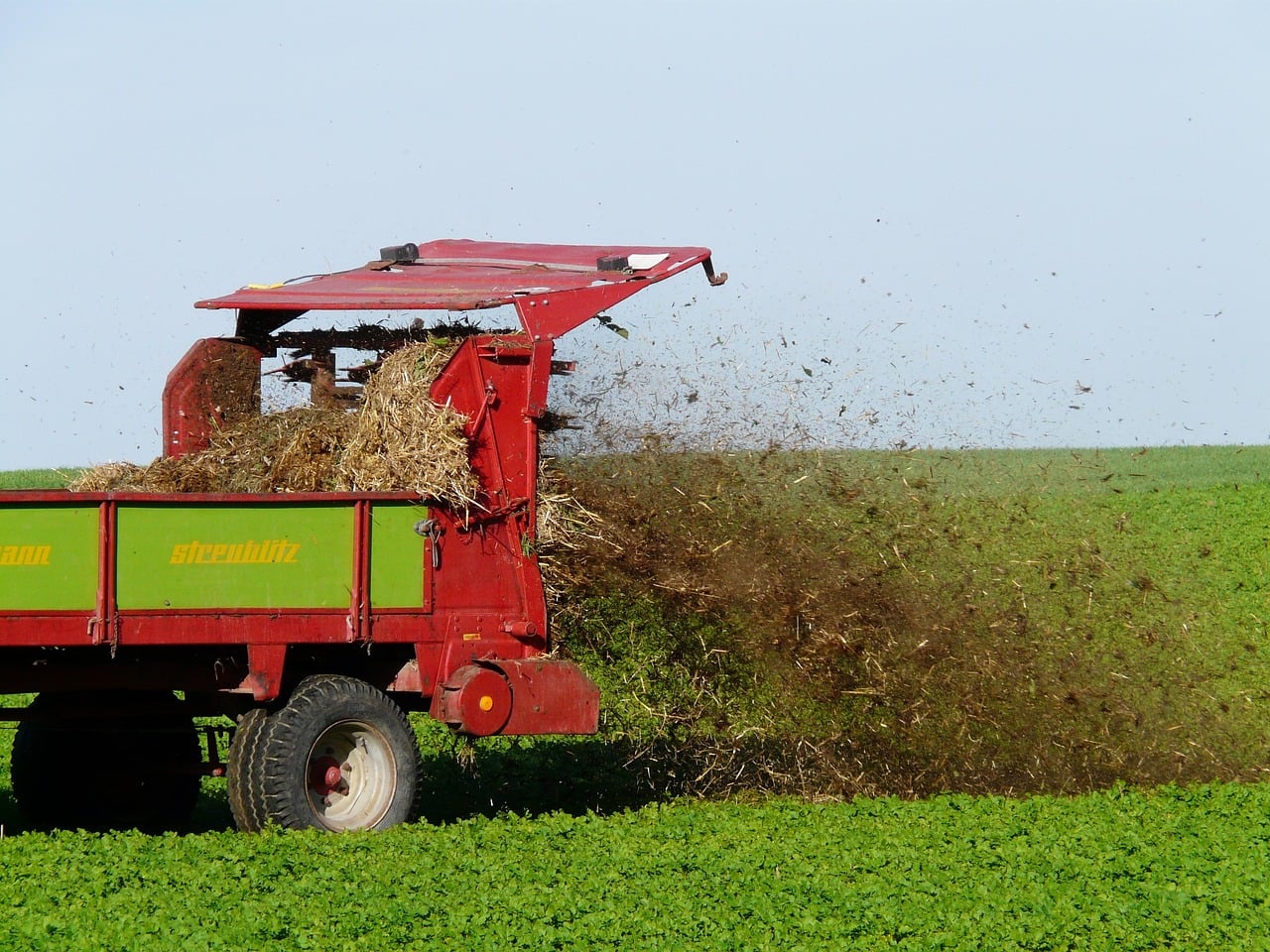
Food prices often start rising long before a shopper reaches the produce aisle. Farmers and manufacturers faced higher diesel costs, higher electricity bills, pricier fertilizer and more expensive animal feed, all of which fed into the final price of bread, milk, eggs and meat.
Russia's invasion of Ukraine added more pressure in 2022 by disrupting global grain, fertilizer and energy markets. The FAO food price index surged that year, reflecting broad international stress in food commodities. Even after those global benchmarks cooled, many grocery prices stayed high because businesses were still working through earlier cost increases. Inflation, sadly, is a bit of a leftover situation.
Labour, interest rates and rent kept pressure on shelves

By the time supply chains began to heal, other costs were still pushing up prices. Wages rose in many parts of the food industry as employers competed for workers, and higher interest rates increased borrowing costs for farms, processors and retailers.
Property and refrigeration costs also matter more than most shoppers realize. Supermarkets run energy-hungry buildings, cold storage and delivery systems. When financing, rent, insurance and utilities rise, those expenses can show up in food prices too. That is one reason prices can remain elevated even after shipping delays and commodity spikes begin to fade.
Why the monthly increases are now much smaller

The recent slowdown does not mean groceries are getting cheap again. It means prices are still rising, just more slowly. In both Canada and the United States, food inflation has cooled markedly from the peaks seen in 2022 and 2023 as supply chains normalized, commodity prices eased, and year-ago comparisons became less dramatic.
The user's note that grocery prices rose 1.7% in September fits the broader picture, but the exact figure depends on the country and index. In the U.S., food-at-home inflation was around that range year over year in late 2024. In Canada, grocery inflation has also slowed significantly, according to Statistics Canada, after much hotter readings earlier.
Slowing inflation helps, but high prices are likely to stick

This is the part shoppers feel instantly. Slower inflation means the speed of price growth is cooling, not that prices are rolling back to 2020 levels. Once costs rise through the system, they usually do not retreat much unless there is a serious drop in demand or a major oversupply.
For households, that means relief may come more from wages catching up, promotions improving and competition sharpening than from dramatic price cuts. For now, the encouraging sign is that the era of steep grocery inflation appears to be easing. The frustrating sign is that a calmer climb still leaves us standing on a much higher hill.



Leave a Reply