
Some meals tell a bigger story than the plate suggests. For Gen Z, the return of "struggle meals" is not just about eating cheaply.
Struggle meals have become symbols, not just recipes
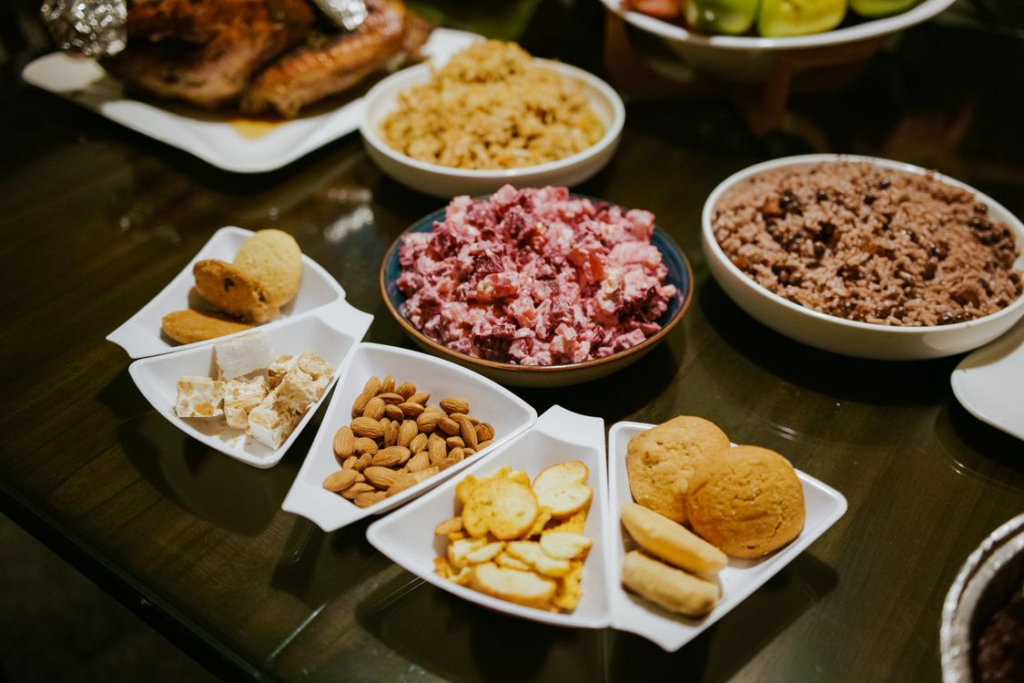
At first glance, struggle meals are simple: instant noodles with an egg, buttered pasta, rice with canned fish, or toast dressed up with whatever is left in the fridge. Historically, these meals signaled tight budgets, unstable work, or periods when stretching groceries mattered more than taste or presentation. They were practical food, built from necessity and often passed quietly through families.
Gen Z has changed the meaning. On TikTok, YouTube, and Instagram, low-cost meals are now framed as clever, cozy, and emotionally honest. A bowl of ramen upgraded with scallions and chili crisp is no longer treated as evidence of hardship alone. It becomes a personal aesthetic, a small act of self-styling in a period when many young adults feel financially squeezed.
That shift matters because Gen Z is navigating adulthood under unusually expensive conditions. Rent has climbed sharply in many cities, grocery bills remain elevated compared with pre-pandemic norms, and entry-level wages have not always kept pace. According to U.S. inflation data over the past few years, food prices rose fast enough to alter how many households shop, cook, and plan meals. For younger consumers with less savings, cheap food is often less of a quirky choice than a rational adjustment.
Still, romanticizing struggle meals does not erase their origin. It softens it. The appeal lies in turning a sign of scarcity into a language of resilience, humor, and creativity that feels easier to share publicly.
Inflation and housing costs are shaping what ends up in the pan

One reason this trend feels so widespread is simple: economic pressure is everywhere. Gen Z entered adulthood amid pandemic disruption, student debt burdens, volatile job markets, and a housing crunch that has pushed rent to painful levels. When a large share of income goes to housing and transportation, food becomes one of the few flexible budget categories people can still control.
That reality shows up in shopping habits. Young adults are buying more store brands, frozen staples, canned proteins, and bulk carbohydrates because they are predictable and affordable. Meals built around potatoes, eggs, beans, noodles, and rice are not glamorous by traditional standards, but they offer calories, flexibility, and room for improvisation. A 2024 consumer trend report found younger shoppers are especially likely to mix value-seeking with experimentation, making low-cost ingredients feel less limiting than older generations might assume.
Restaurants also play a role. Even fast-casual dining now feels expensive to many twenty-somethings, especially after taxes, fees, and tipping. In that context, a homemade "poverty pasta" or loaded instant ramen can feel not only cheaper but smarter. The decision is framed less as sacrifice and more as beating the system.
This is why struggle meals resonate so deeply right now. They match the economics of the moment while giving people a sense of agency in an environment where many costs feel impossible to control.
Social media turns private coping habits into public culture
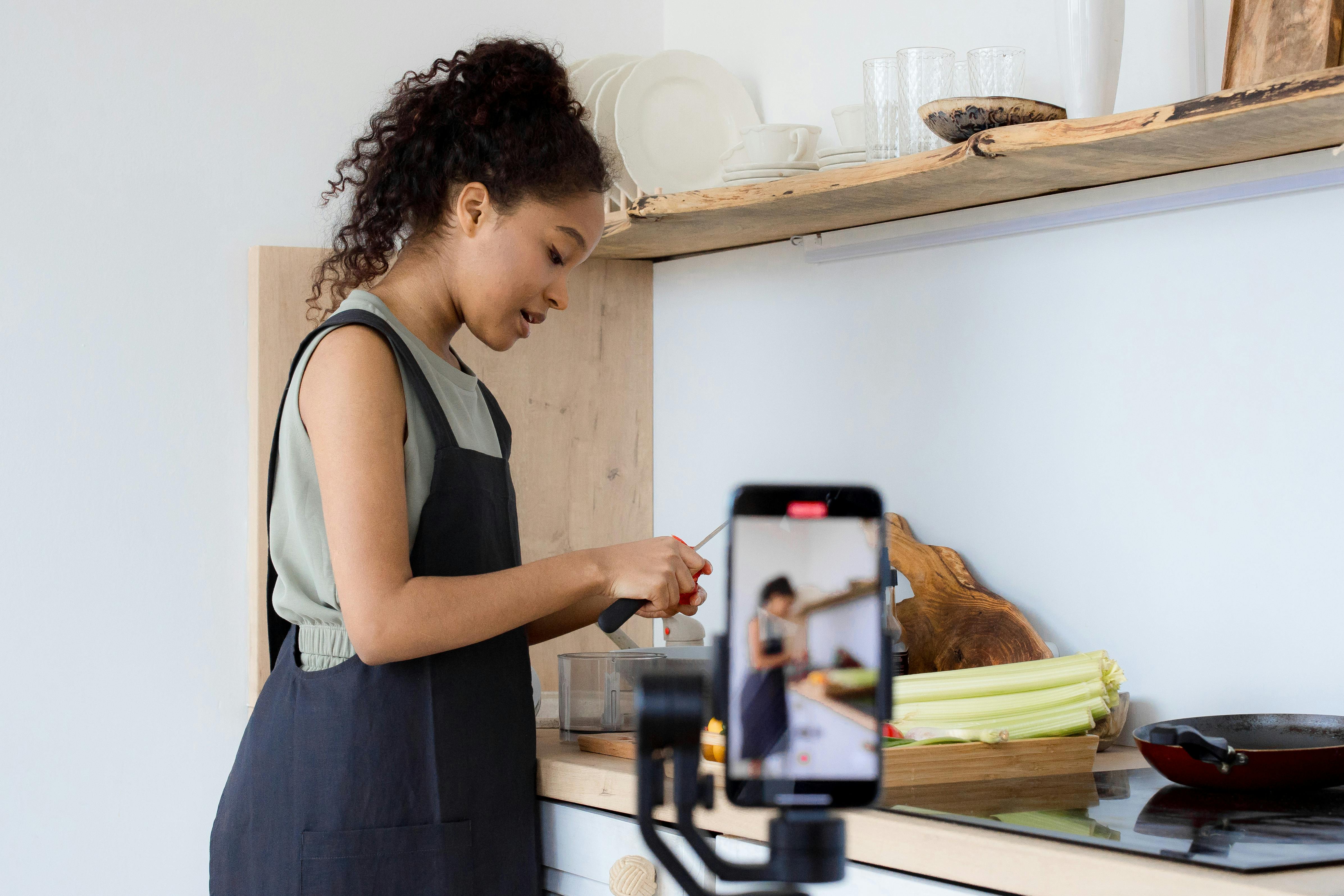
The internet has done more than popularize struggle meals. It has transformed them into shareable identity markers. What older generations might have considered embarrassing or purely utilitarian is now narrated through short videos, captions, jokes, and confessional storytelling. A creator films a $3 dinner not as a sign of failure, but as a badge of resourcefulness.
That framing works especially well on platforms that reward relatability. Viewers respond to content that feels unfiltered and familiar, and struggle meals fit that demand perfectly. They are visually simple, easy to replicate, and emotionally legible. A can of tuna, leftover rice, hot sauce, and a soft-boiled egg can become both a recipe and a story about getting through the week.
There is also a broader cultural appetite for authenticity. Gen Z has grown up around polished influencer content and often reacts against it. The messy kitchen, the budget grocery haul, and the improvised late-night meal signal something more believable than expensive wellness routines or luxury dining. In that sense, struggle meals function as anti-perfection content.
But social media can blur lines. It can turn genuine hardship into trend language, making economic stress look cute or universally manageable. That tension is part of why the phenomenon feels both charming and uncomfortable at the same time.
Nostalgia and family memory give cheap food emotional power
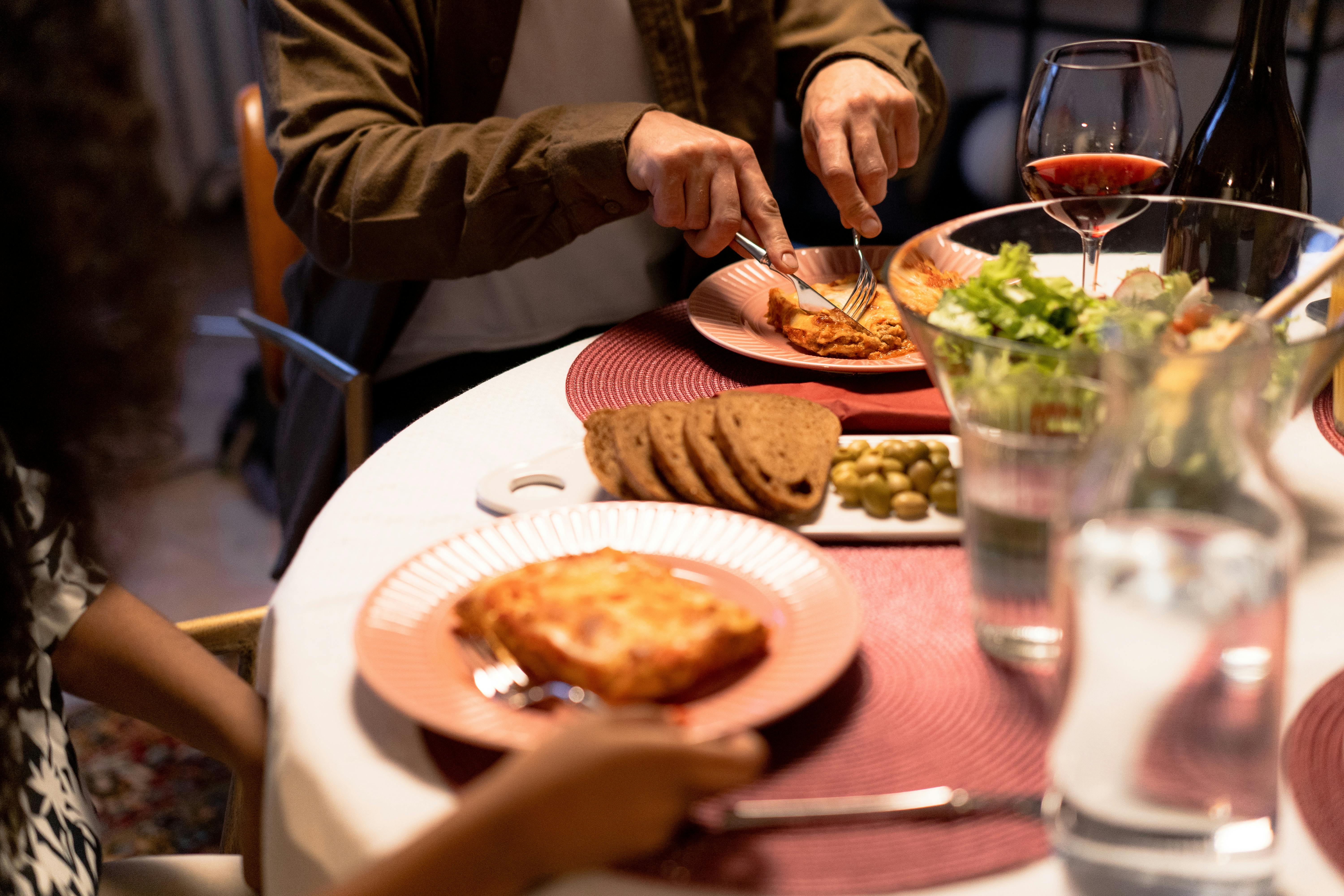
Another reason struggle meals are being romanticized is that they often come with stories. Many young adults grew up eating dishes their parents or grandparents made during recessions, migration, layoffs, or other financially strained periods. Fried bologna sandwiches, beans on toast, rice and eggs, and tomato pasta can carry family memory as much as flavor.
In many households, those foods were never discussed as symbols of poverty. They were simply what people cooked when they needed dinner on the table quickly and cheaply. That matters because memory tends to soften edges. What may once have reflected stress can later feel comforting, even intimate, especially when tied to childhood routines or a beloved relative's kitchen.
This emotional layer makes struggle meals different from ordinary budget eating. They are not just low-cost solutions. They are edible reminders of endurance and care. A simple dish can signal that someone knew how to make very little feel like enough, and that lesson often gets reinterpreted as wisdom rather than deprivation.
Cultural history deepens the point. Across communities, many beloved national and regional dishes began as frugal cooking. What starts as necessity often becomes heritage. Gen Z is inheriting that pattern and rebranding it through contemporary language and aesthetics.
Creativity makes scarcity feel less defeating
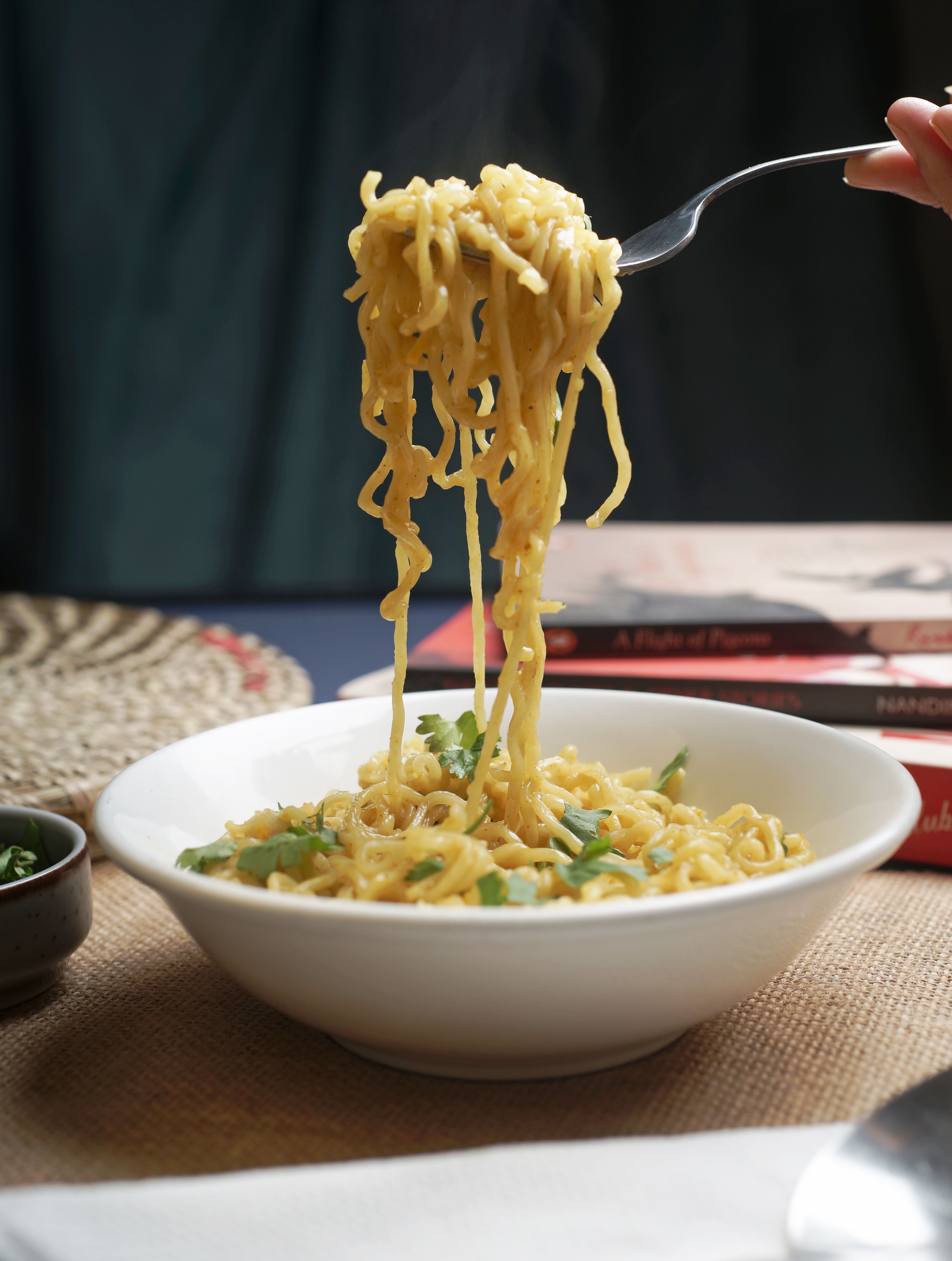
What stands out about Gen Z's approach is the emphasis on customization. A struggle meal today is rarely presented as bare survival food. It is more likely to be shown as a base formula that can be upgraded with seasoning, texture, or presentation. Cheap ingredients become a canvas rather than a constraint.
This mindset reflects a generation trained by internet culture to remix everything. Food trends, thrifted fashion, playlists, and room decor all reward personal spin, and budget cooking fits naturally into that logic. Instant noodles can become a peanut-chili bowl. Leftover rice can turn into crispy rice salad. Canned sardines can be styled as a high-protein pantry meal. The point is not just saving money. It is proving taste and personality can survive tight circumstances.
There is also a psychological benefit. Reframing low-cost meals as inventive can reduce the shame that often surrounds financial strain. Nutrition experts frequently note that stress affects eating habits, and feeling in control of a meal can make a real difference in daily well-being. Even a small ritual like garnishing toast or plating rice carefully can restore a sense of dignity.
That does not solve food insecurity, of course. But it helps explain why these meals feel empowering to people trying to make unstable conditions livable.
The trend reveals both resilience and economic unease

Romanticizing struggle meals may seem lighthearted, but it points to something serious. When a generation embraces low-cost, improvised eating as a lifestyle signal, it reflects more than culinary taste. It suggests scarcity has become ordinary enough to be narrated with humor and style.
That is the central contradiction. Gen Z deserves credit for turning necessity into creativity, preserving family food traditions, and rejecting the idea that affordable meals must be joyless. At the same time, the popularity of struggle meals is also evidence of a harsh economy in which many young adults are normalizing financial precarity. What looks like charming thrift can also be a coping mechanism.
Brands and media have noticed this shift, which creates another layer of tension. Once companies start packaging "budget chic" as an aesthetic, the lived reality behind it can get flattened. A meal born from tight cash flow is not the same as a curated trend. The difference matters.
In the end, Gen Z is not romanticizing struggle meals by accident. They are responding to the world they inherited. The meals may be cheap, but the meaning behind them is anything but small.




Leave a Reply