
A food recall can begin with the same contaminated product, the same warning, and the same science. Yet in Canada and the US, the public response often unfolds in very different ways.
A shared market does not create a shared public mood
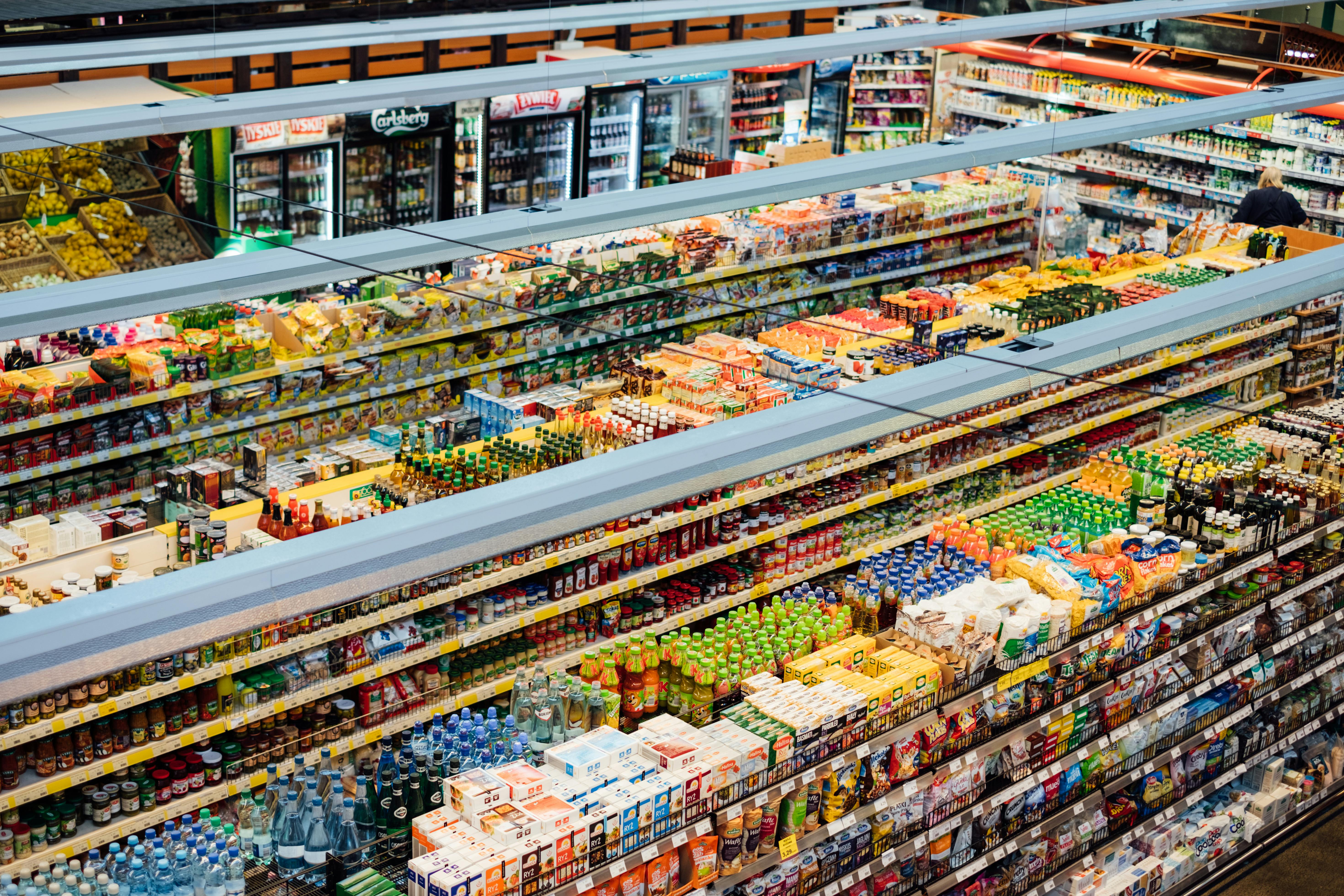
At first glance, Canada and the US should react to food recalls in nearly the same way. The two countries share one of the most integrated food supply chains in the world, many major grocery brands operate in both markets, and regulators frequently coordinate behind the scenes. When a recall involves lettuce, peanut butter, infant formula, or ready-to-eat meat, the underlying hazard may be identical on both sides of the border.
What changes is the public mood around that event. In Canada, recall stories often land in a smaller and more centralized media environment, where national public health messaging can travel with fewer competing narratives. In the US, the same recall enters a larger, louder, and more fragmented information system, where cable news, local outlets, social platforms, and political commentary can all shape the response at once.
Size matters too. A recall affecting several states can feel local and manageable in the US, while a nationwide Canadian recall may feel more unified and immediate. Because Canada has a smaller population and fewer major retail chains, consumers may perceive recalls as collective events. Americans are more likely to experience them as one more risk among many in a highly complex market.
Trust in institutions shapes how warnings are received

One of the clearest differences is trust. Public opinion research has repeatedly shown that Canadians, on average, tend to express somewhat higher trust in government institutions and public health agencies than Americans do. That does not mean Canadians are uncritical, but it does mean recall notices from the Canadian Food Inspection Agency or Health Canada may be more readily accepted as routine safety actions rather than signs of systemic failure.
In the US, trust is more polarized and often filtered through politics. Agencies such as the FDA and USDA carry scientific authority, yet they also operate in an environment where federal expertise is frequently questioned in public debate. A recall can therefore trigger two very different reactions at once: some consumers become alarmed and discard products immediately, while others dismiss the warning or view it as bureaucratic overreach.
Recent history amplifies that divide. The pandemic changed how many people interpret official health communication, and food safety messaging did not escape that effect. In Canada, trust was also tested, but the institutional baseline remained steadier. That difference helps explain why the same recall notice may produce calmer compliance in one country and louder suspicion in the other.
Media systems turn recalls into either guidance or drama

The way recalls are covered matters almost as much as the recalls themselves. In Canada, mainstream coverage often emphasizes practical details: product names, lot numbers, provinces affected, symptoms to watch for, and refund instructions. That style encourages consumers to act without necessarily escalating fear. It frames the event as a public information problem that can be managed if people follow the notice.
American coverage can be just as factual, but it often operates inside a more competitive attention economy. Headlines are more likely to stress danger, scale, or blame, especially when a recall involves children, national chains, or well-known brands. A story about contaminated deli meat or salmonella-tainted produce can quickly expand into a broader debate about corporate negligence, weak regulation, or the safety of the food system as a whole.
Social media intensifies the contrast. In the US, viral posts frequently outrun official guidance, and misinformation can spread before agencies update consumers. In Canada, social sharing also shapes reactions, but the smaller media ecosystem can make corrective messaging easier to circulate. The result is not that one country cares more, but that one often experiences more emotional amplification around the same event.
Legal culture and consumer expectations are not the same

Another major reason for different reactions is legal culture. In the US, recalls are closely tied to the possibility of lawsuits, class actions, and aggressive public accountability. When consumers hear about contamination, many immediately ask who knew what, when the company knew it, and whether damages will follow. That instinct can turn a food safety notice into a broader public reckoning.
Canada has product liability law and class actions too, but the legal environment is generally less adversarial and less central to everyday public thinking. Consumers may still be angry, especially if illness or death is involved, yet the first response is less likely to be shaped by litigation culture. The recall remains more narrowly focused on disposal, refund, and risk avoidance.
This difference also affects how companies communicate. American firms often issue statements crafted with both regulators and future courtroom scrutiny in mind. Canadian messaging can feel more restrained and procedural. In practice, that means US consumers may interpret recalls as signals of conflict and exposure, while Canadians are somewhat more likely to read them as part of a functioning, if imperfect, safety system.
National identity influences how risk is discussed

Every country tells stories about itself, and those stories influence how people talk about food risk. Canada often presents itself as cautious, rules-based, and collectively minded in matters of public welfare. That self-image supports a recall culture in which compliance can be seen as ordinary civic behavior. Checking labels, returning products, and following agency guidance fit neatly into that national style.
The US has a stronger cultural emphasis on individual judgment, consumer choice, and skepticism of centralized authority. That can produce admirable independence, but it can also make consensus harder during recalls. Some Americans respond by becoming hyper-vigilant shoppers who track every alert. Others rely more on personal experience, asking whether they have eaten the product before without problems.
Neither reaction is irrational in isolation. Food recalls involve uncertainty, and consumers naturally interpret uncertainty through cultural habits. But these habits matter. In Canada, the social instinct often leans toward coordinated caution. In the US, the instinct is more mixed, producing a wider range of reactions from swift obedience to public anger to outright dismissal.
The future of recall response will depend on communication, not just science
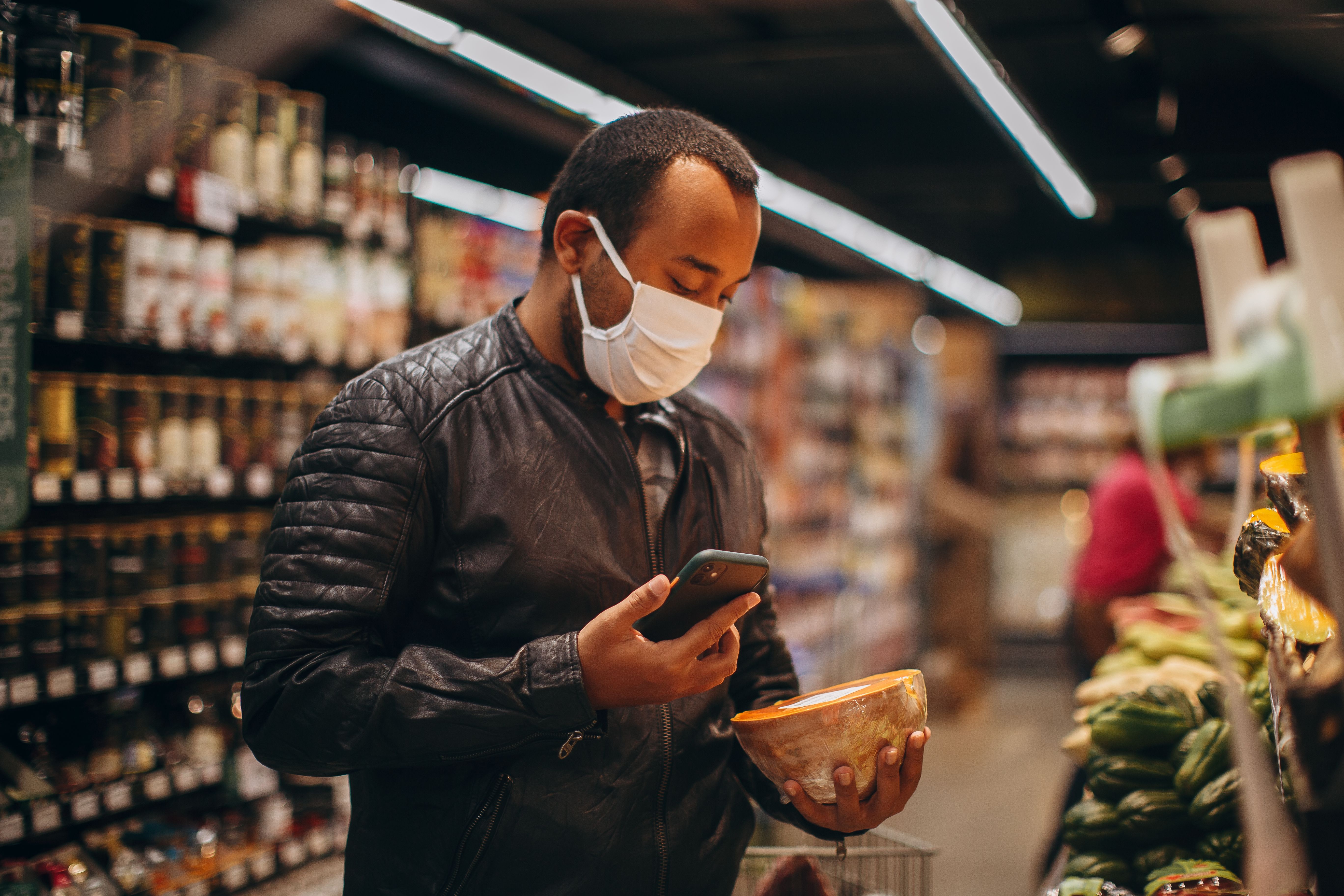
Science identifies the hazard, but communication determines what people do next. Both countries have strong food safety institutions, advanced testing methods, and experienced investigators. Yet the public experience of a recall still depends on whether the warning is clear, timely, specific, and trusted. A technically accurate alert can still fail if consumers do not understand its relevance or doubt its source.
That is why recall strategy is evolving. Agencies increasingly use plain language, retailer alerts, loyalty card notifications, and multilingual outreach to reach consumers faster. According to food safety experts, the goal is not only to announce a problem but to reduce confusion during the critical first hours. In both Canada and the US, better traceability and faster data sharing are making recalls more precise, which can help contain panic.
The deeper lesson is simple. Canadians and Americans are not reacting to food recalls with different values so much as different civic habits, media conditions, and trust levels. The border separates two food cultures that overlap heavily, yet interpret risk through distinct lenses. Understanding that difference helps explain why the same recall can spark calm cooperation in one country and a storm of debate in the other.




Leave a Reply