
The phrase once sounded normal. Now, to many Canadians, it sounds dated, narrow, and out of step with how the country actually eats.
A label that no longer fits the table
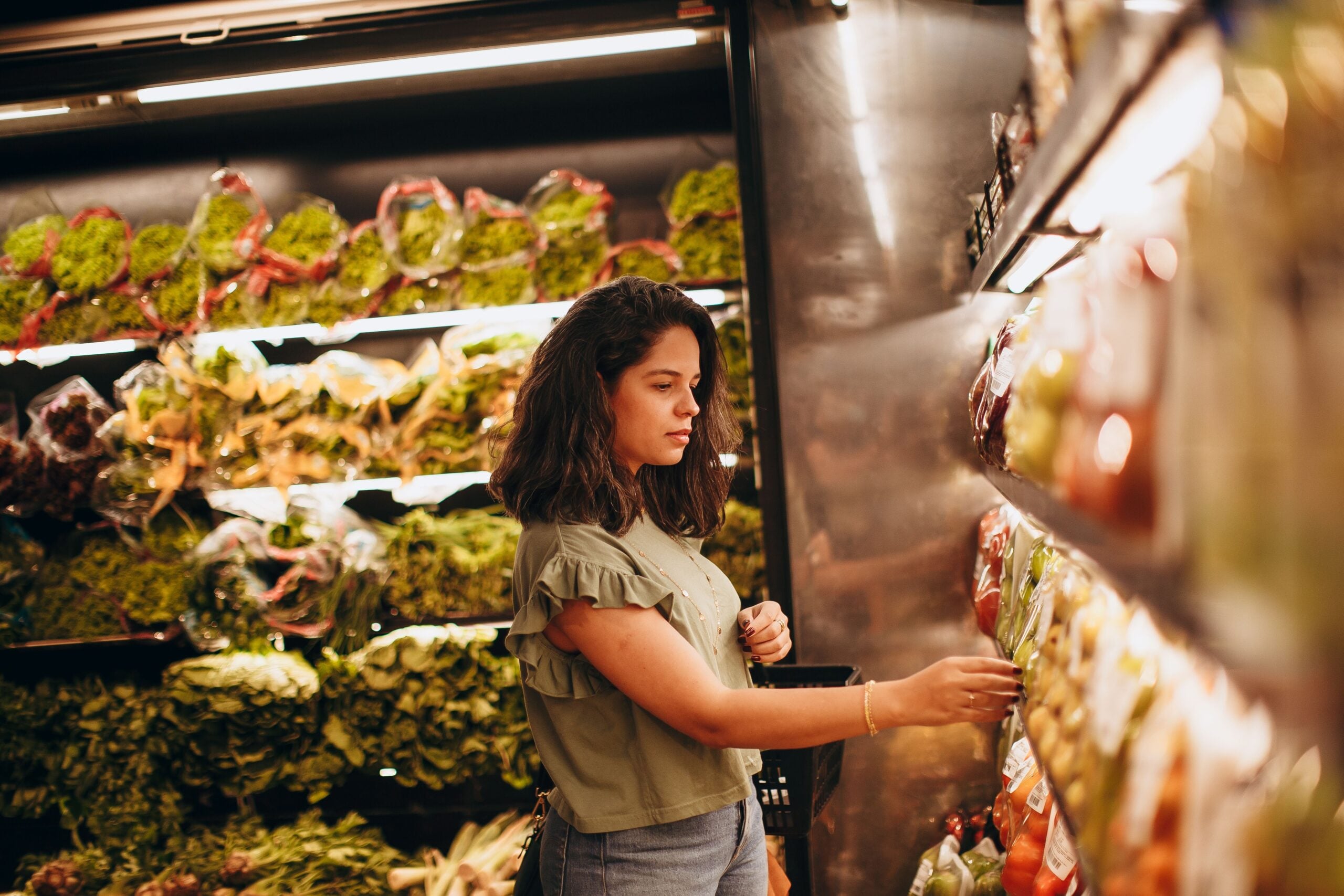
For decades, Canadian grocery stores and restaurant guides used "ethnic food" as a catch-all for anything outside a British, French, or North American mainstream. The problem was built into the term itself. It suggested that some cuisines were standard while others were deviations from that standard.
That distinction became harder to defend as Canada's population changed. According to Statistics Canada, immigration has been one of the country's main engines of growth, especially in cities such as Toronto, Vancouver, Calgary, and Montréal. When millions of households cook Punjabi curries, Cantonese seafood, Filipino adobo, or Lebanese grilled meats at home, those meals stop looking marginal.
Language also matters because it shapes status. Calling one aisle "ethnic" often flattened dozens of distinct food traditions into a single category. It reduced living, evolving cuisines to an outsider label, even when those foods had deep roots in Canadian neighborhoods for generations.
Immigration changed everyday Canadian taste

Canada did not simply add new cuisines beside an unchanged core. Immigration changed the core itself. New arrivals opened bakeries, noodle shops, spice stores, butcher counters, and family restaurants, and over time these businesses became part of local routine rather than culinary tourism.
Walk through suburban plazas in Brampton, Richmond, Scarborough, or Saint-Laurent and the pattern is clear. Hakka Chinese, dosa spots, shawarma counters, Korean fried chicken, and West African takeout are not rare destination foods. They are lunch, weeknight pickup, and quick comfort meals for a broad mix of customers.
Second-generation Canadians accelerated this shift. They grew up moving easily between home cooking and wider consumer culture, bringing biryani to school, ordering sushi after hockey practice, and introducing friends to dishes their parents once had to explain. What was "foreign" to one generation became familiar to the next.
Grocery aisles told the story before the language did
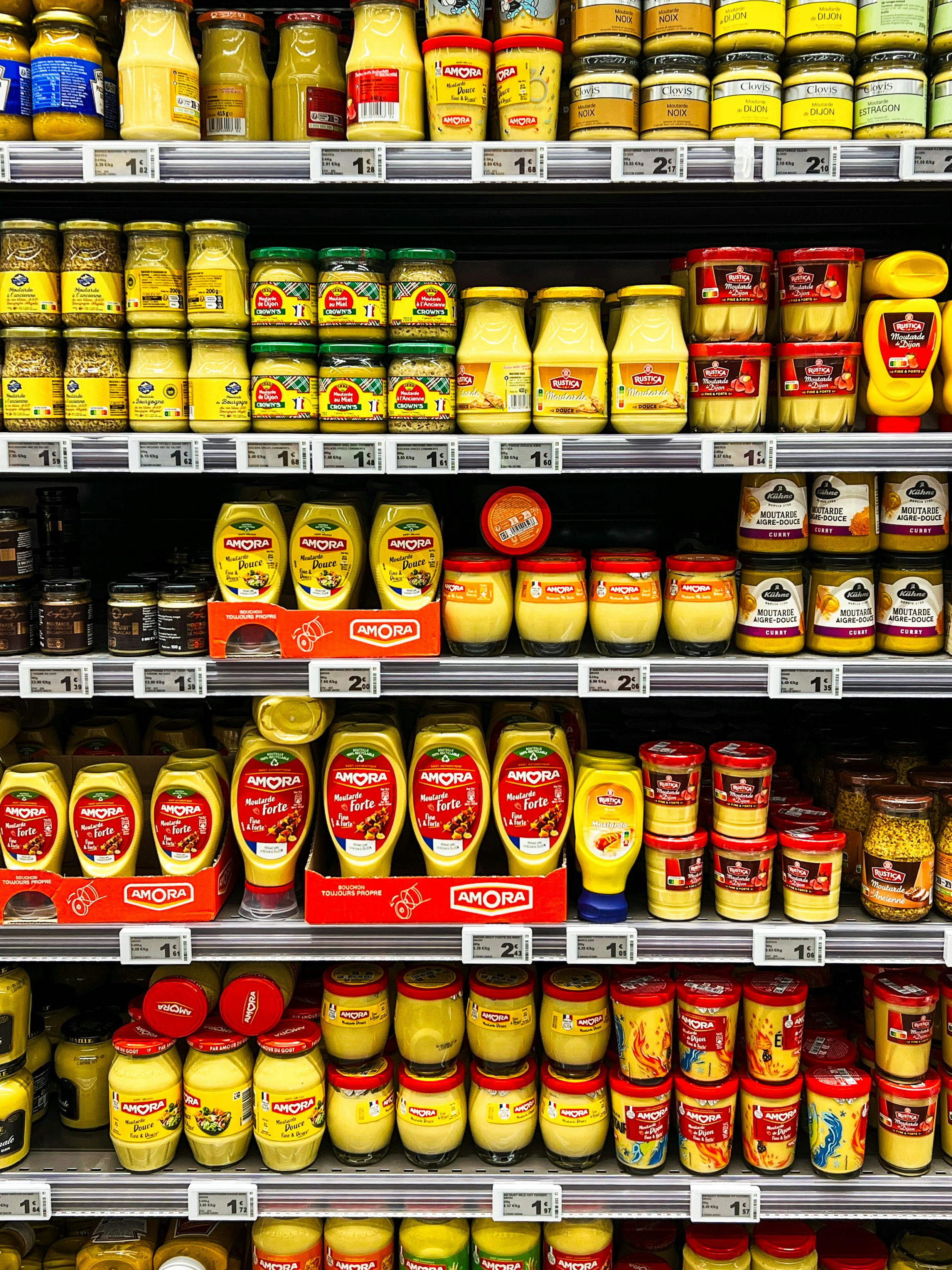
Supermarkets often reveal social change earlier than official vocabulary does. Chains that once grouped soy sauce, tortillas, couscous, coconut milk, and chili paste into one "ethnic" section gradually spread those products across stores or renamed aisles by region and use. That was not just branding. It reflected demand.
Retailers learned that customers were no longer buying these ingredients for special occasions alone. Curry pastes, kimchi, naan, jerk seasoning, tahini, and rice noodles became pantry staples in many homes. Major chains expanded fresh herb selections, halal and kosher offerings, international produce, and ready-made meals because the market had moved.
Food scholars have long noted that grocery language often mirrors power more than taste. If pasta and croissants are treated as normal while injera or roti are treated as "ethnic," the category says less about the food and more about whose history has been centered. Canada has been slowly correcting that imbalance.
Restaurants made multicultural eating feel ordinary

Dining out helped normalize this change faster than policy ever could. In many Canadian cities, people formed emotional habits around pho on cold nights, sushi at office lunches, tacos after concerts, or butter chicken for takeout. Repetition turned novelty into routine, and routine changed the national palate.
Chefs also resisted the old framing. Many argued that being placed in an "ethnic" category kept their food outside fine dining, food media, and critical recognition. As Canadian restaurant culture matured, more writers and diners began evaluating these kitchens by craft, regional specificity, and innovation rather than by exotic appeal.
Even fast-casual dining played a role. Shawarma chains, poke counters, ramen bars, and Jamaican patty shops introduced dishes at prices and speeds that fit daily life. Once a cuisine becomes part of a commuter lunch break, it has already crossed into the realm of ordinary dinner.
The old term started to sound exclusionary
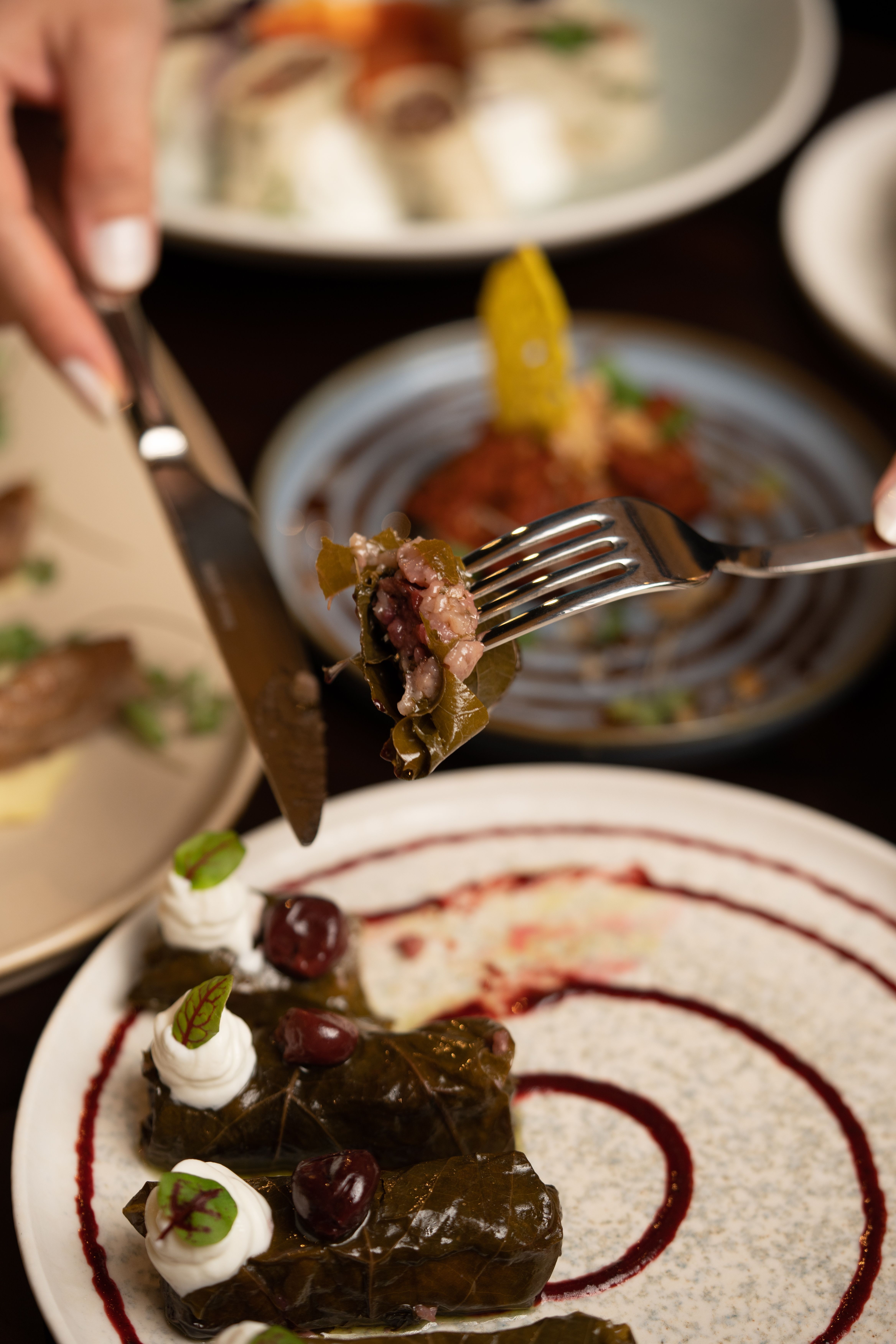
The decline of "ethnic food" was not only about taste. It was also about identity and belonging. For many Canadians, especially those from immigrant families, the phrase implied that their food remained permanently outside the national norm no matter how long they had been here.
That criticism grew louder in media, academia, and the industry itself. Menu writers, retailers, and food editors increasingly recognized that the term bundled together cuisines with different histories, techniques, and geographies. It treated diversity as a side shelf rather than a defining feature of Canadian life.
There is also a practical issue. The term is vague to the point of uselessness. Ethiopian, Vietnamese, Persian, Mexican, and Trinidadian food have little in common as a category beyond being marked as "other." As public conversations around inclusion sharpened, the label began to look both inaccurate and disrespectful.
What Canada calls dinner now
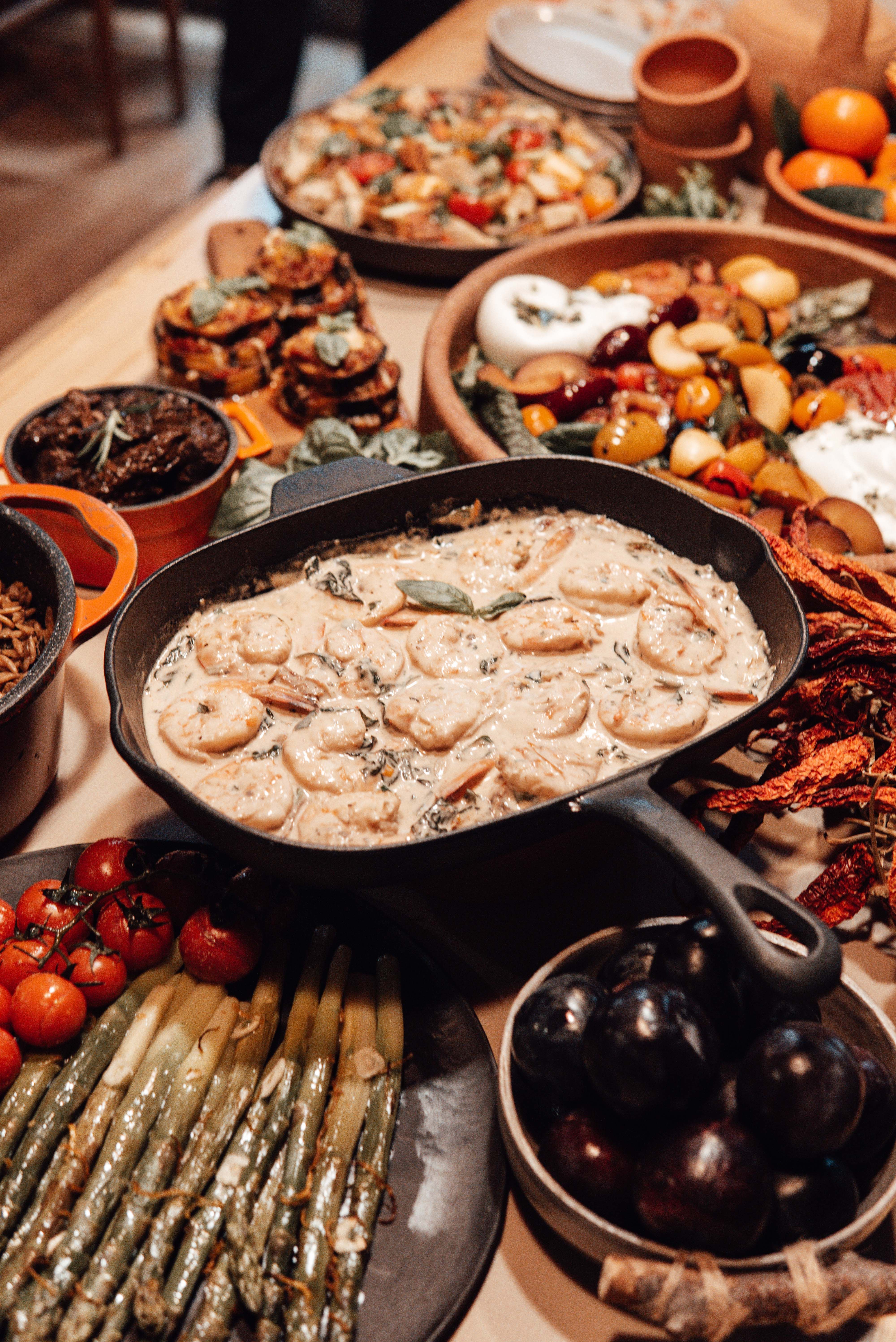
Canada has not erased culinary difference. If anything, people now care more about regional detail and authenticity than before. Diners are more likely to ask whether a dish is Tamil, Sichuan, Oaxacan, or Levantine than accept a broad label that hides where it comes from.
That shift is a sign of respect, but also of familiarity. Foods once introduced as adventurous have become part of family rotation, school lunches, office catering, and holiday gatherings. A country that eats jerk chicken, sushi burritos, samosas, tourtière, and donair in the same week does not need one word to separate the "normal" from the rest.
So Canada did not merely retire a piece of food marketing language. It outgrew the worldview behind it. In a country shaped by migration, mixing, and shared appetite, "ethnic food" gave way to a simpler and more accurate term: dinner.




Leave a Reply