
The warning signs are no longer subtle. Canada's restaurant crisis is already underway, even if many people have not yet noticed how widespread it has become.
The scale of the closures is bigger than it sounds
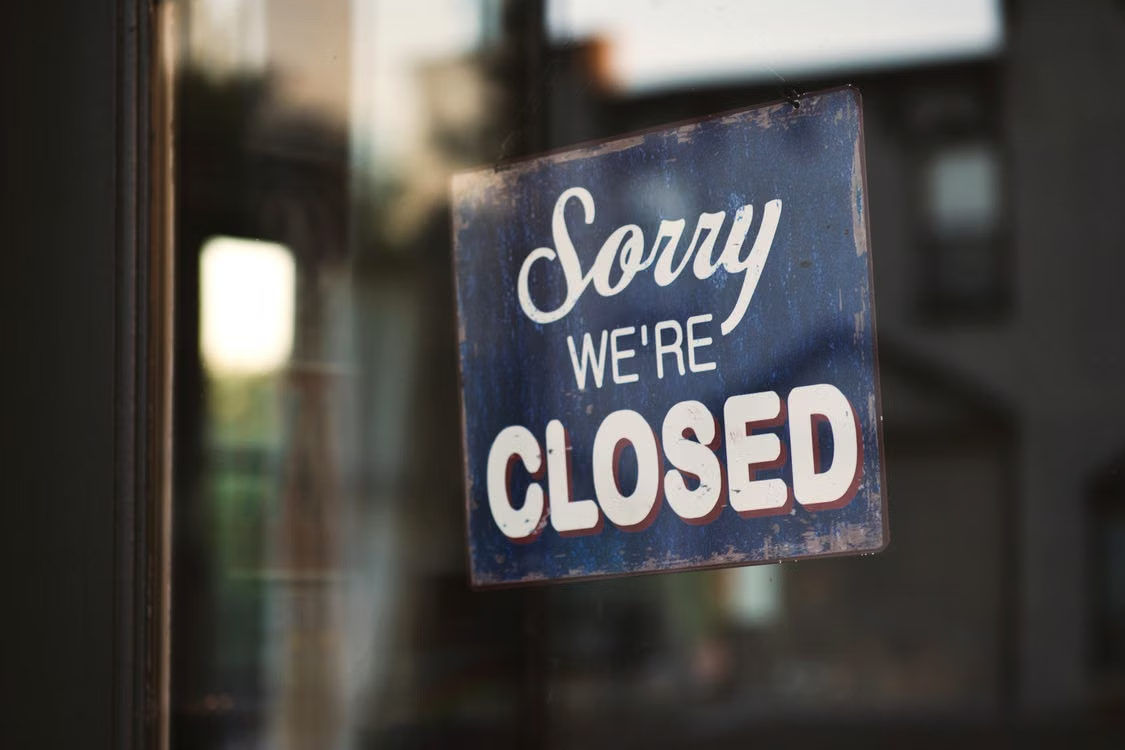
A forecast from Dalhousie University's Agri-Food Analytics Lab suggests roughly 7,000 restaurants closed in 2025, with another 4,000 expected to shut in 2026. That would bring the two-year total to 11,000, a number large enough to reshape main streets, food courts, and neighborhood dining strips across the country.
These are not just underperforming businesses disappearing from oversupplied markets. Restaurants have always operated on thin margins, but the current wave reflects a much harsher reality where even well-run operators are struggling to absorb repeated cost shocks.
Sylvain Charlebois of Dalhousie has described recent years as extremely difficult for the industry. That matters because this is not a short-lived correction after a slow season. It points to a broader reset in how restaurants survive, what customers will pay for, and how many establishments the market can still support.
Canadians are quietly changing how they spend on food

The most immediate problem is demand. When household budgets tighten, dining out often moves from routine habit to occasional treat, and many Canadians are making that shift without much fanfare.
Instead of restaurant meals, more families are cooking at home, packing lunches, and cutting back on add-ons that make a meal out more expensive. Consumers are not only avoiding menu prices. They are also sidestepping tips, drinks, delivery fees, and taxes that can make a modest outing feel expensive fast.
That behavior change is especially damaging because restaurants depend on regular traffic, not just weekend splurges. A small drop in customer frequency can be enough to push an already fragile business from modest profitability into monthly losses.
Costs are rising from every direction at once
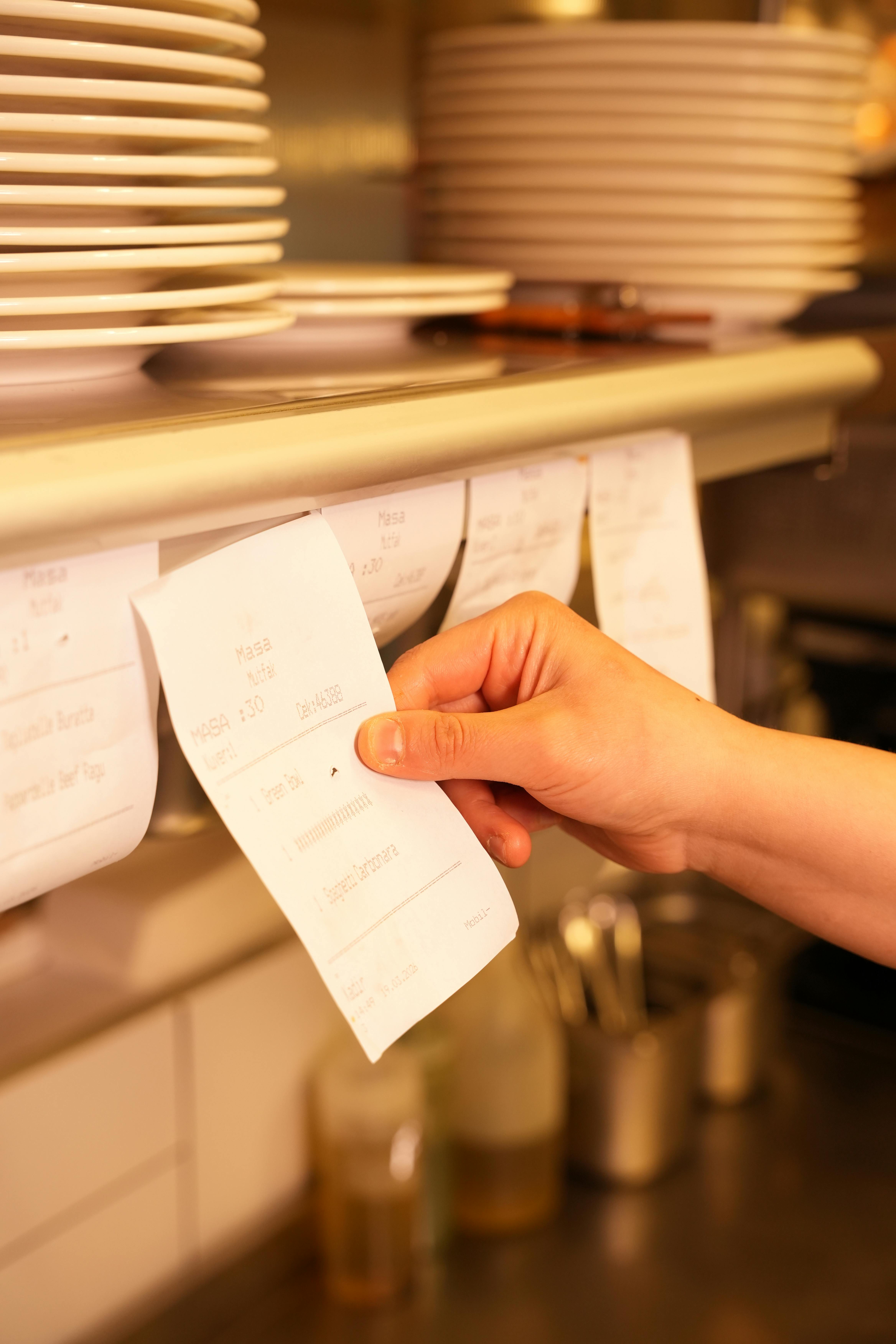
Weak demand would be difficult on its own, but operators are also facing relentless expense increases. Restaurants Canada says 41% of restaurants are either losing money or only breaking even, a striking figure for a sector that relies on constant cash flow.
Food costs remain elevated, while commercial rents, wages, utilities, insurance premiums, and loan payments have all become more burdensome. Even simple items such as cooking oil, proteins, packaging, and cleaning supplies have seen enough cumulative inflation to pressure margins.
Many restaurants cannot fully pass those costs on to customers because diners are already price sensitive. That leaves owners trapped between two bad options: raise prices and risk losing traffic, or hold prices down and watch profitability evaporate.
The old profit model is weakening fast

For many establishments, alcohol once helped offset the weaker margins on food. That cushion is getting thinner. National retail data showed alcohol sales down 10.6% year over year in October, removing a crucial source of restaurant profit.
Tipping fatigue is adding another layer of resistance. Many consumers still accept tipping at full-service restaurants, but they increasingly resent prompts at counters, kiosks, and quick-service locations. That irritation may seem cultural rather than financial, yet it directly shapes whether people feel good about spending at all.
The result is a weaker economic model. If guests skip drinks, question tips, and visit less often, average cheque sizes shrink. When that happens across thousands of businesses, closures stop looking like isolated failures and start looking systemic.
Tax relief has become a serious industry demand

One of the clearest policy fights centers on sales tax on restaurant food. Ontario temporarily removed GST/HST on restaurant meals, prepared foods, snacks, and some alcoholic beverages between December 14, 2024, and February 15, 2025, giving both operators and diners short-term relief.
Restaurants Canada wants that kind of measure restored and made permanent. President and CEO Kelly Higginson has argued that taxing food during a cost-of-living crisis works against affordability, especially when consumers are already cutting discretionary spending wherever they can.
Charlebois has gone even further, saying taxes should be removed from all food regardless of where it is consumed. Supporters see that as a practical way to stimulate demand, though critics would note governments would have to replace lost revenue somewhere else.
This looks less like a slump and more like a reset
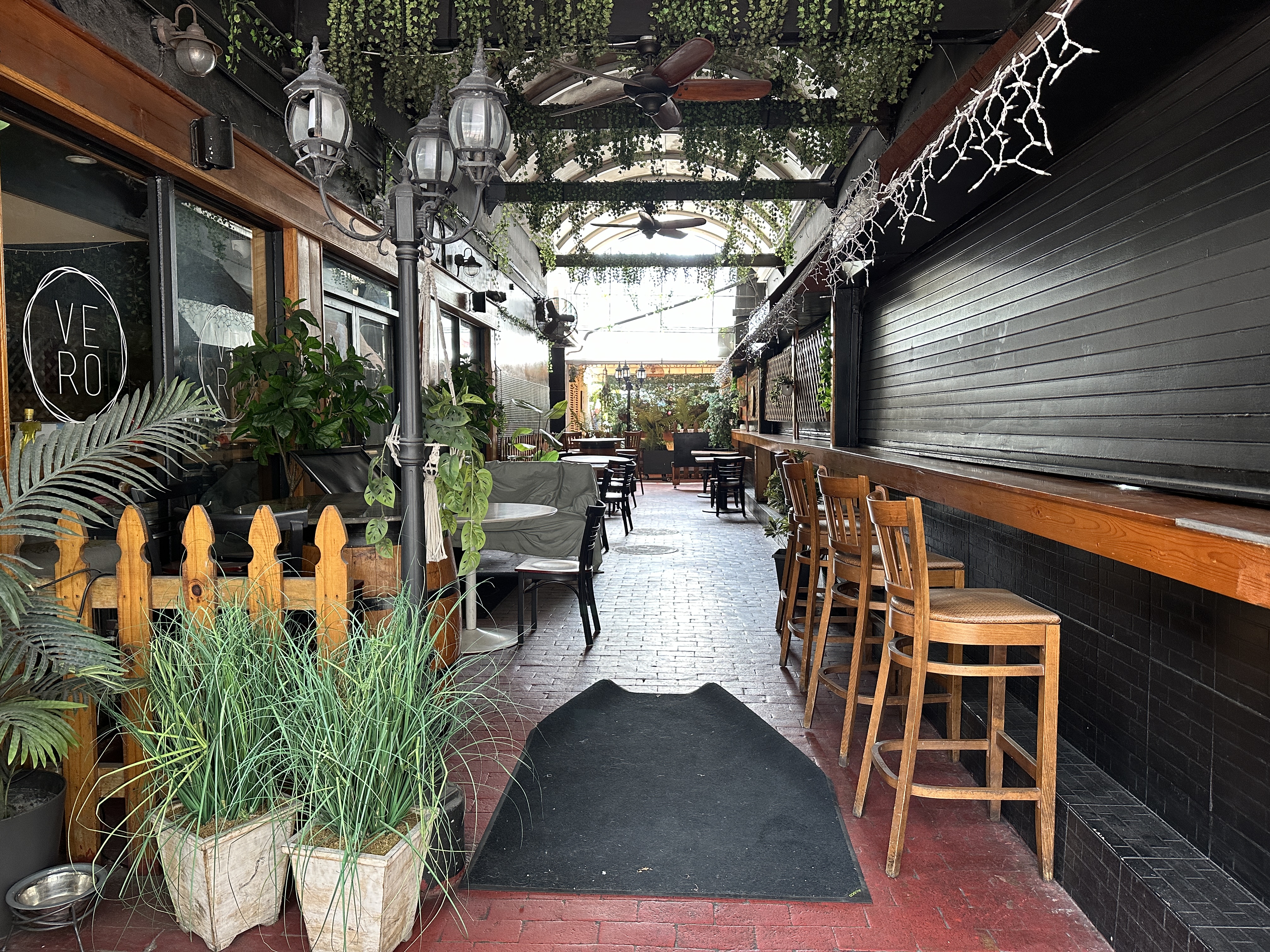
The most important point is that experts increasingly do not view these closures as a temporary downturn. Inflation, borrowing costs, labor pressure, changing attitudes toward dining out, and falling beverage sales are combining into a structural shift.
That means the restaurant industry emerging from this period may be smaller, more cautious, and less diverse. Independent operators are especially vulnerable because they often lack the purchasing power, cash reserves, and scale that larger chains can use to manage prolonged stress.
For Canadians, the consequences will be visible in everyday life. Fewer local restaurants means fewer jobs, emptier retail streets, less competition, and fewer places that give communities character. By the time most people fully notice it, thousands of those doors may already be closed for good.




Leave a Reply