
For many Canadians, Tim Hortons was once as much about staying for a second cup as grabbing coffee on the run. That shift from refill friendly coffee stops to faster, more tightly managed service says a lot about how the chain, and customer habits, changed.
The classic ceramic mug era
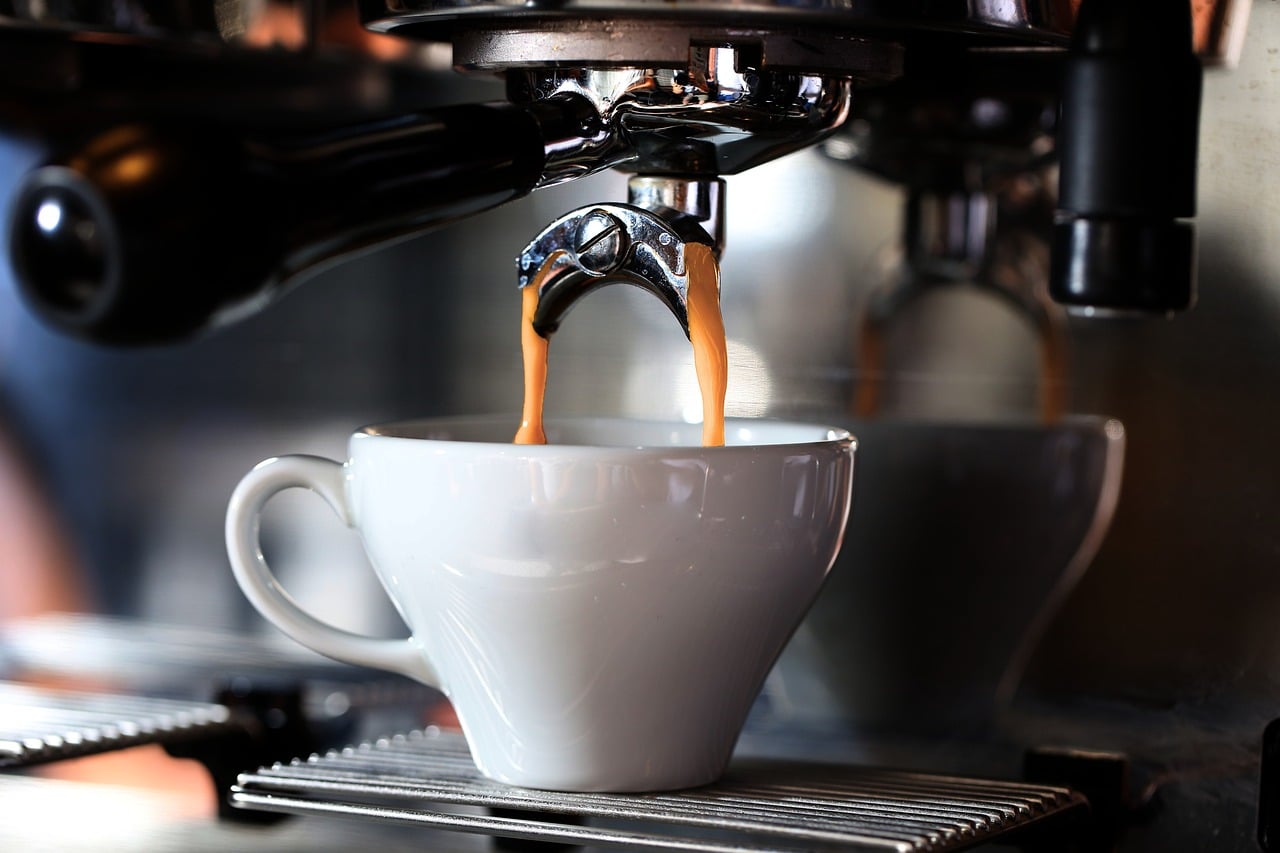
There was a time when the Tim Hortons coffee counter invited people to linger. In many locations, dine in customers were served hot coffee in ceramic mugs, and free refills helped turn a simple purchase into a longer break.
That mattered because the chain built much of its reputation on everyday routine. Office workers, retirees, students, and road trippers could sit for a while without feeling rushed. The refill was not just a small perk. It reinforced the idea that Tim Hortons was a community stop, not only a transaction.
A perk tied to dine in service
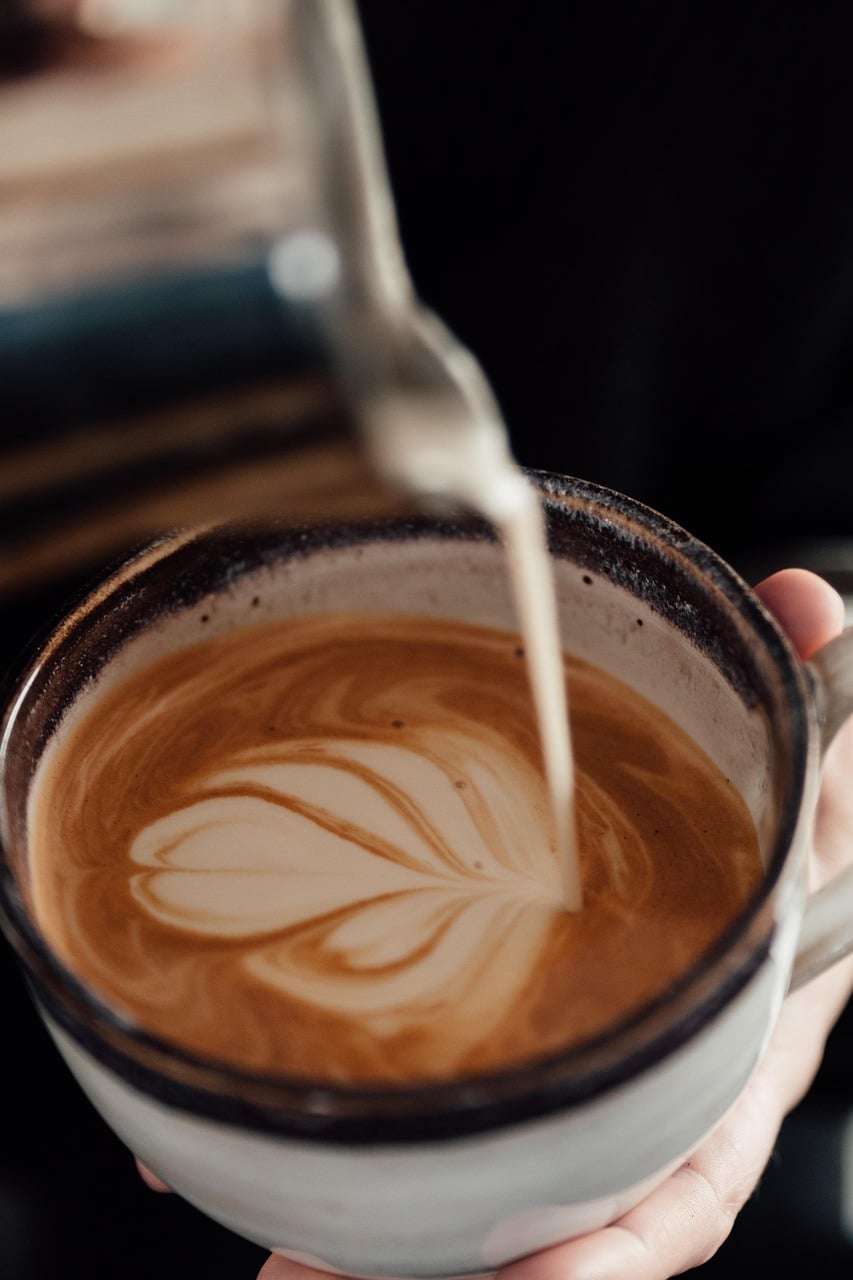
Free refills were generally associated with customers who stayed in the restaurant. The idea was straightforward: buy a coffee, keep your mug, and staff could top it up while you remained on site.
That setup worked best in an earlier Tim Hortons model, when dining rooms played a bigger role in the visit. It also fit a simpler menu, with coffee and baked goods at the center. As service patterns became more focused on speed, drive thru volume, and takeaway orders, a refill policy naturally became less visible in the overall experience.
Drive thru changed the rhythm
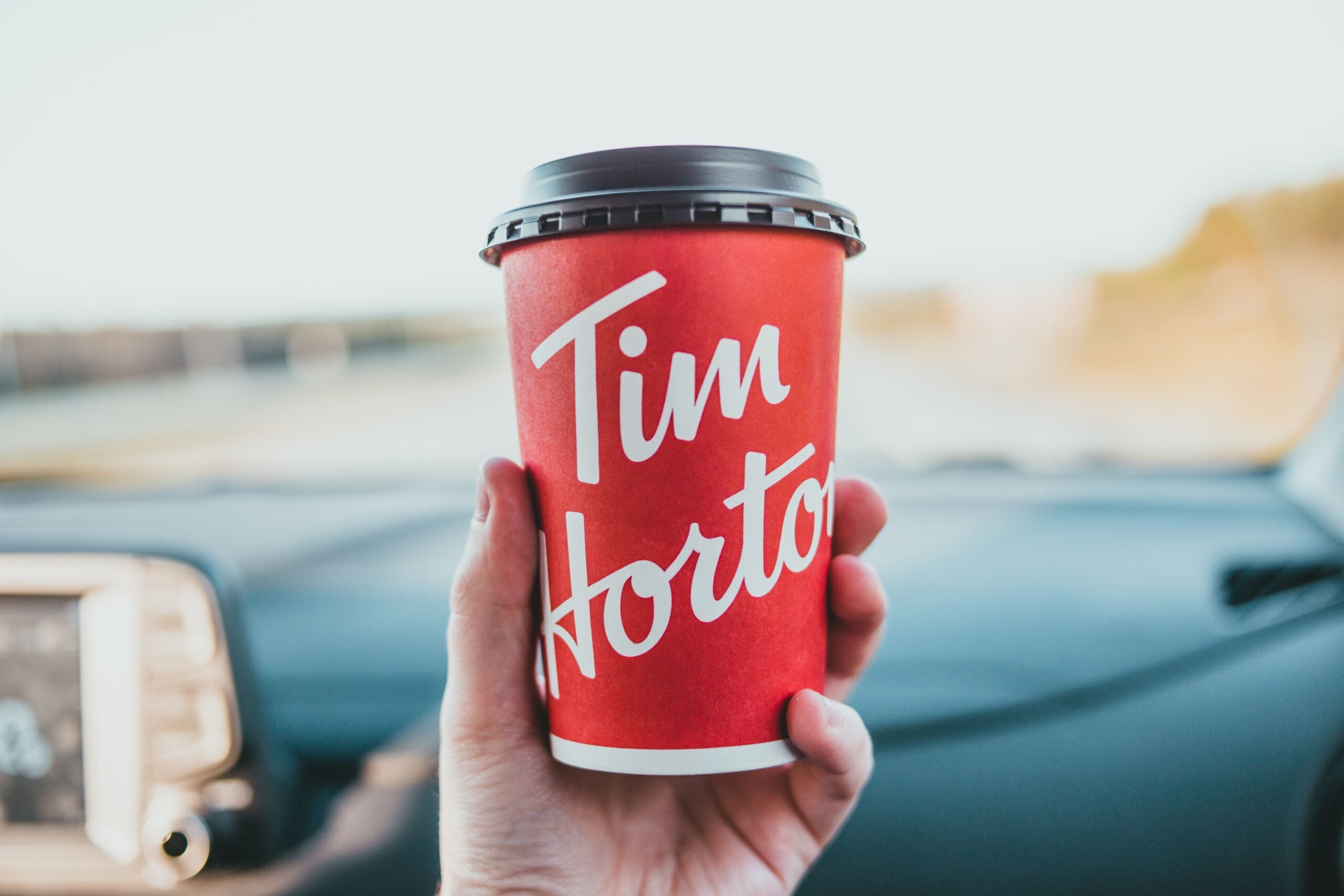
One of the biggest changes at Tim Hortons was not the coffee itself, but how people bought it. The growth of drive thru service pushed the chain toward speed, consistency, and quick turnover.
In that environment, free refills stopped being a headline feature because many customers were no longer staying put. They were commuting, picking up breakfast, or ordering from the car. A benefit built around sitting in the dining room had less cultural weight once the typical visit became shorter and more mobile.
Disposable cups changed expectations

The refill culture also belonged to a different era of restaurant service. Ceramic mugs made repeat pours feel natural, while disposable cups emphasized single purchases taken to go.
That shift changed customer expectations. When most people carry coffee out the door, the ritual of returning to the counter for another pour becomes rarer. The refill loses some of its practical value, even before any official policy changes enter the picture. In that sense, the decline was about behavior as much as rules.
A broader menu changed the visit
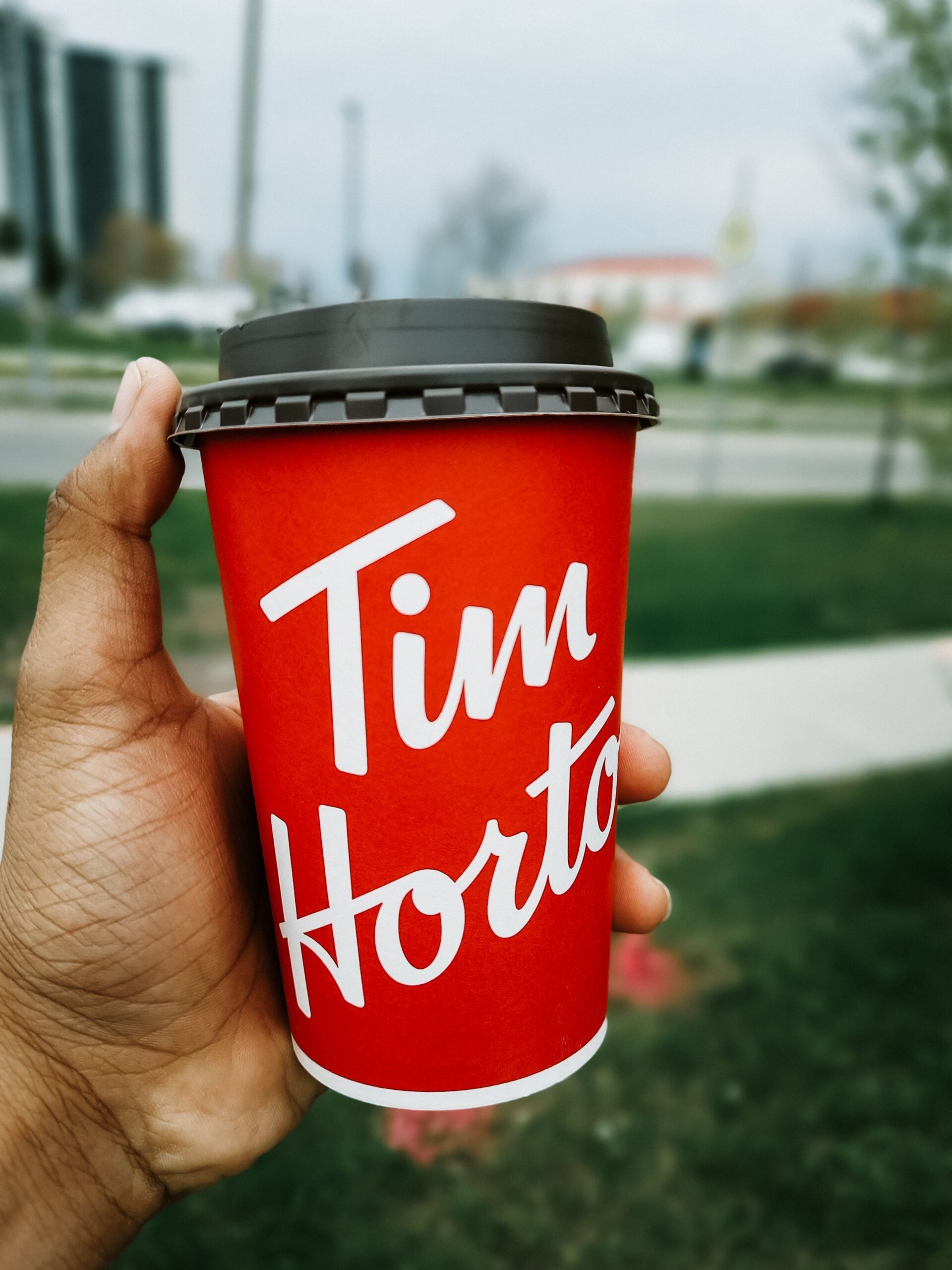
As Tim Hortons expanded beyond coffee and donuts into sandwiches, wraps, breakfast items, and specialty drinks, the visit became more varied. Customers were no longer all having the same simple coffee break.
That broader menu changed how the brand used space, labor, and service time. Staff had more products to prepare, and restaurants had more moving parts to manage. In a setting built around efficiency and high volume, the old refill friendly atmosphere could be harder to maintain as a defining part of the brand.
The memory still means something

Even if free refills are less central to the Tim Hortons identity now, people still remember what they represented. They stood for value, familiarity, and a slower kind of coffee shop routine.
That is why the idea still resonates. It was never only about getting more coffee for the same price. It was about the feeling that a neighborhood chain had room for regulars to stay a little longer. As Tim Hortons evolved, that sense of lingering became less visible, and many customers noticed the difference.

Leave a Reply