
Canada's seasonal table shifts quickly, and that is part of the appeal. From short spring harvests to summer fruit and seafood runs, these ingredients show up at their best for a brief window, then disappear again.
Asparagus
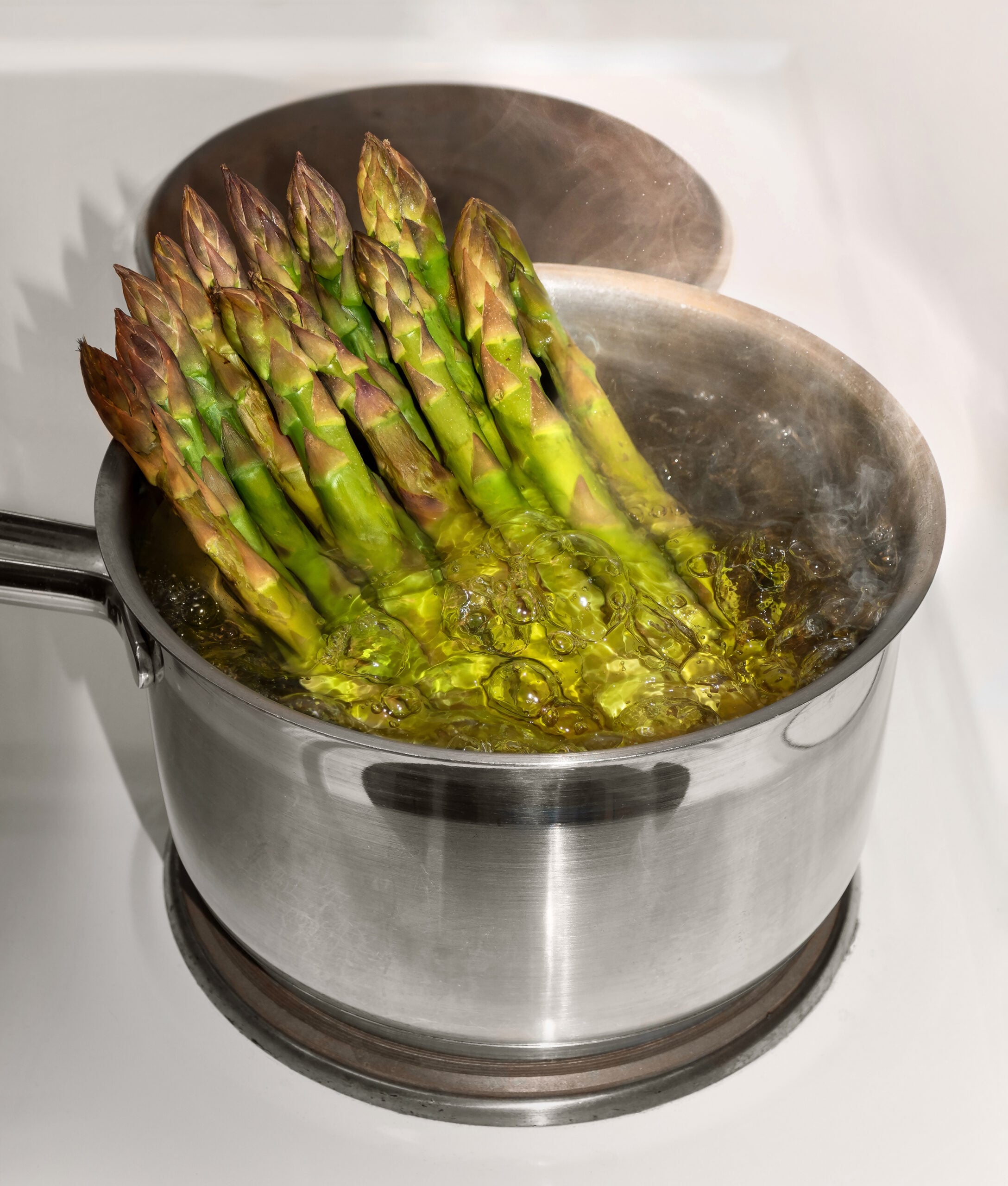
Few ingredients announce a Canadian spring as clearly as asparagus. Ontario is the country's largest producer, and the local season typically begins in May and runs into June, which is why farmers' markets and roadside stands suddenly fill with bunches at the same time.
Fresh asparagus gives you a useful visual cue. The stalks should feel firm, and the tips should be tight rather than soft or wet. Thin stalks cook quickly, while thicker ones are often more tender than people expect once the woody ends are trimmed away.
The easiest way to cook it is to roast it. Toss the spears with oil and salt, spread them on a hot pan, and cook until the tips crisp slightly and the stalks turn bright green. It also works well blanched and chilled for salads, or shaved raw into ribbons with lemon and hard cheese.
Fiddleheads
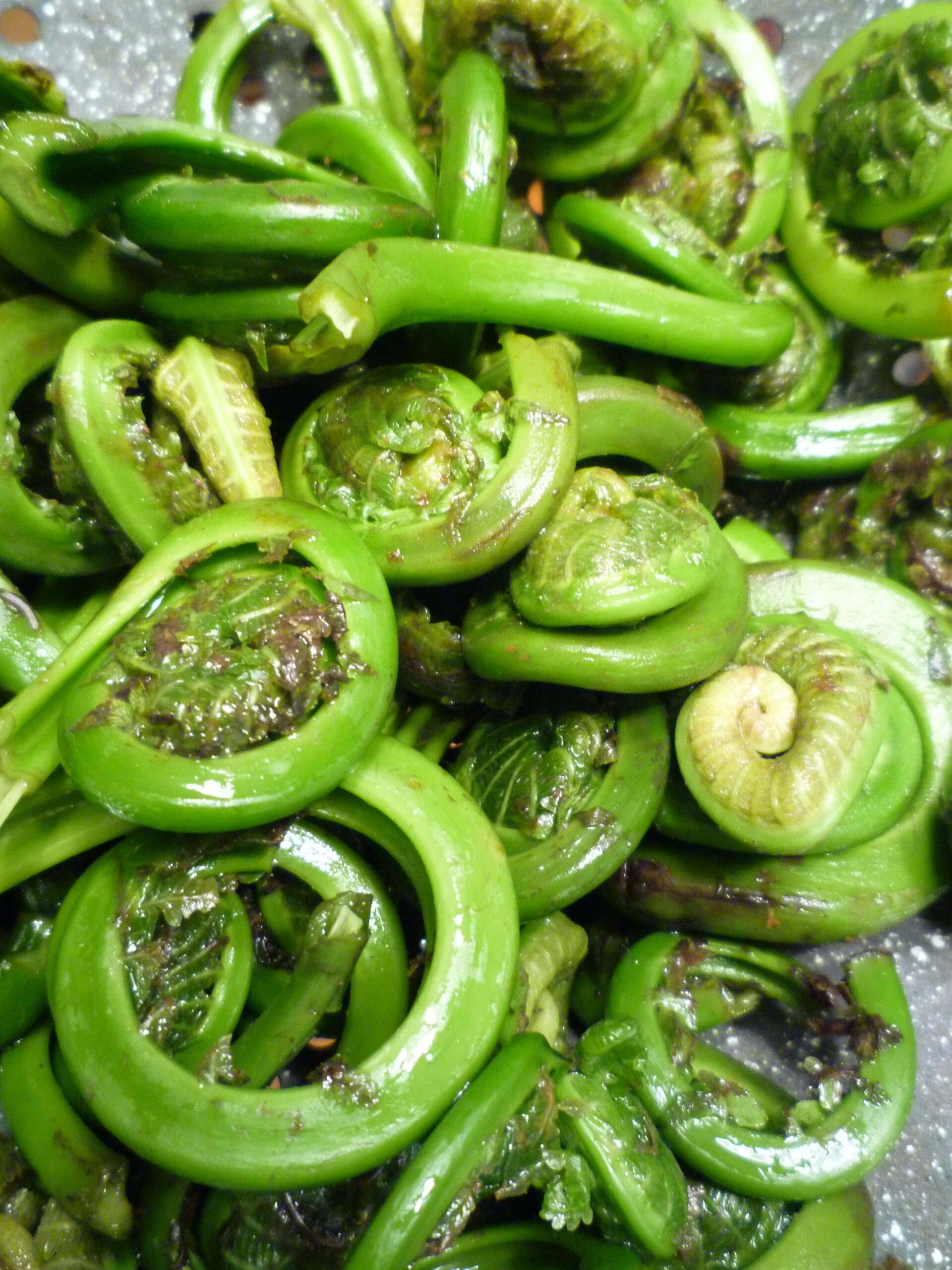
Fiddleheads are one of the shortest and most distinct spring foods in Canada. These tightly coiled young fern fronds are especially associated with New Brunswick, where they are harvested for a brief period in spring and sold fresh, frozen, and canned.
They need more care than many vegetables. Health Canada advises cooking fiddleheads thoroughly before eating, first by washing away the brown papery covering, then boiling them for 15 minutes or steaming them for 10 to 12 minutes.
Once fully cooked, their flavour lands somewhere between asparagus and green beans, with an earthy edge. A simple finish is often best: butter, garlic, and a squeeze of lemon. They are also good folded into pasta, spooned beside salmon, or added to a warm potato salad.
Spot prawns
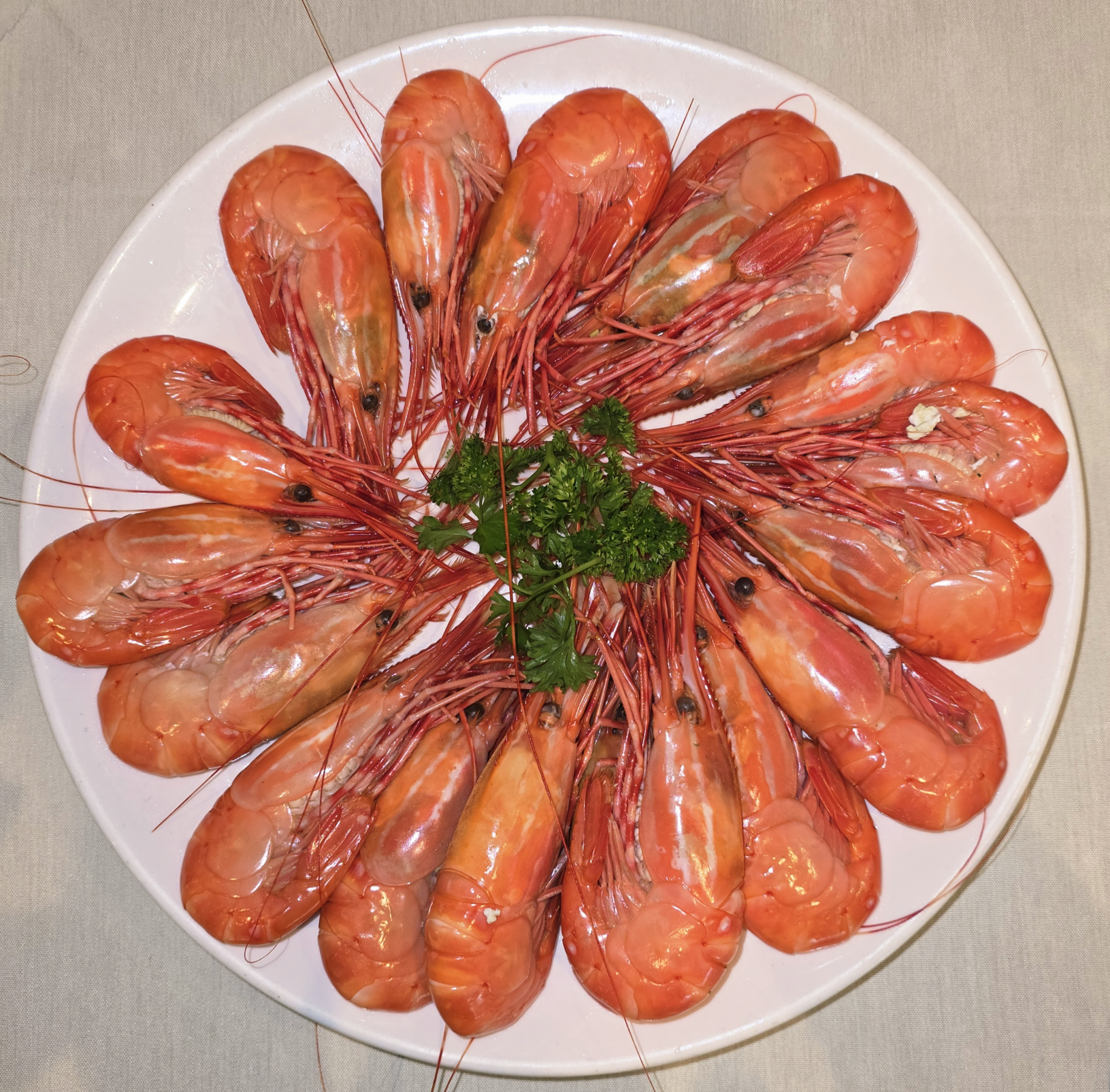
On the West Coast, spot prawn season is a major food event. These prawns are harvested in British Columbia, and the commercial season usually opens in May. They are prized for their sweetness and delicate texture, which is why many cooks keep the preparation minimal.
Fresh spot prawns are highly perishable, so timing matters. Many buyers look for live prawns or very fresh tails from fishmongers during the short season. The shells are also valuable, because they can be simmered into a stock with real depth for risotto or seafood soup.
For the prawns themselves, a fast cook is the point. Sear them briefly in a hot pan or poach them just until opaque. Overcooking makes them firm and dull. Butter, garlic, chili, and a little white wine are often all they need.
Strawberries
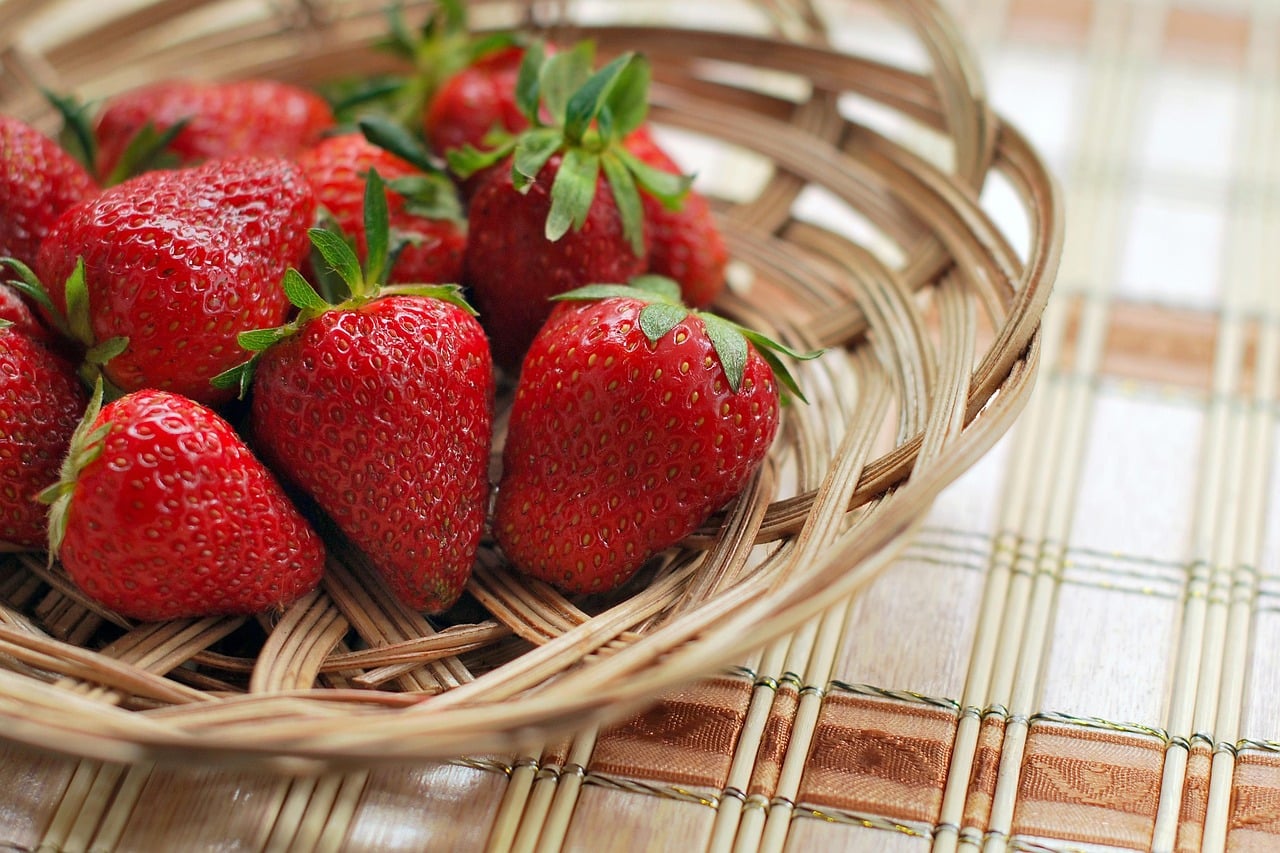
Local strawberries are one of the clearest examples of why seasonality changes flavour. In many parts of Canada, the field season begins in June, and the berries are usually smaller and softer than imported ones, but also more fragrant and noticeably sweeter when fully ripe.
That softness is useful in the kitchen. Fresh berries can be sliced over yogurt, spooned onto shortcake, or stirred into rhubarb compote. Because they release juice quickly, they also make an easy no-cook topping for pancakes, ice cream, or plain cake.
If you want to preserve the season, jam is a practical choice. Strawberries cook down fast, and their flavour holds up well in the freezer too. A simple maceration with sugar and a little lemon also creates a syrup that can be used for desserts and drinks.
Wild blueberries
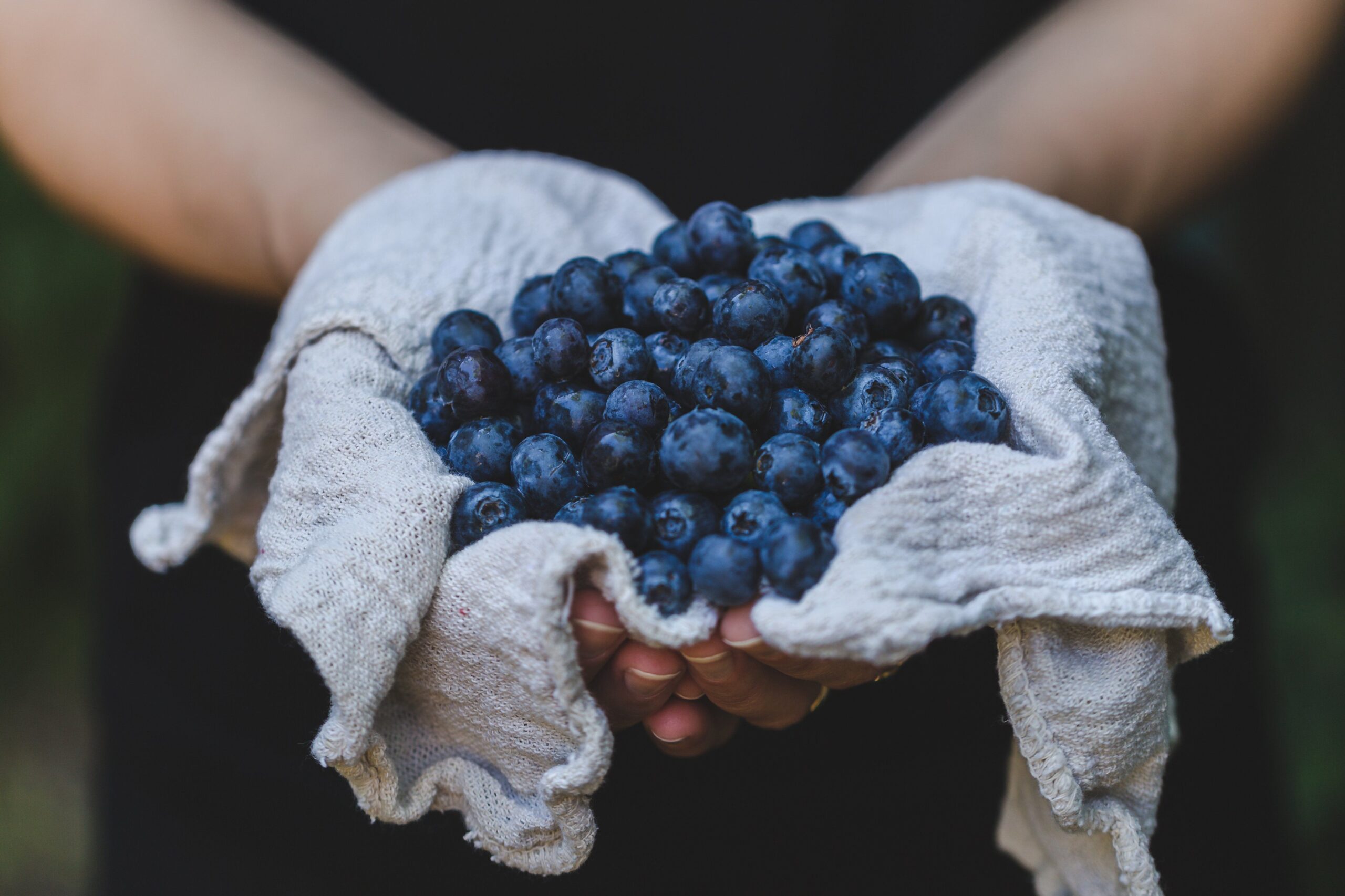
Wild blueberries are a defining crop in Atlantic Canada, especially in Nova Scotia and New Brunswick, where lowbush blueberries are widely grown and harvested. They are smaller than cultivated highbush berries, and that size difference matters because it creates a higher skin-to-pulp ratio and a more concentrated flavour.
In the kitchen, that means they stand up well in baking. Muffins, pies, crisps, and pancakes all benefit from berries that keep their shape while still bursting enough to stain the batter purple. They are also excellent simmered into sauces for spooning over oatmeal or roast pork.
Their season is short, so frozen wild blueberries are common and useful. Because they are picked and processed close to harvest, they remain a dependable option long after summer ends. Straight from the freezer, they work well in smoothies and cooked breakfasts.
Corn
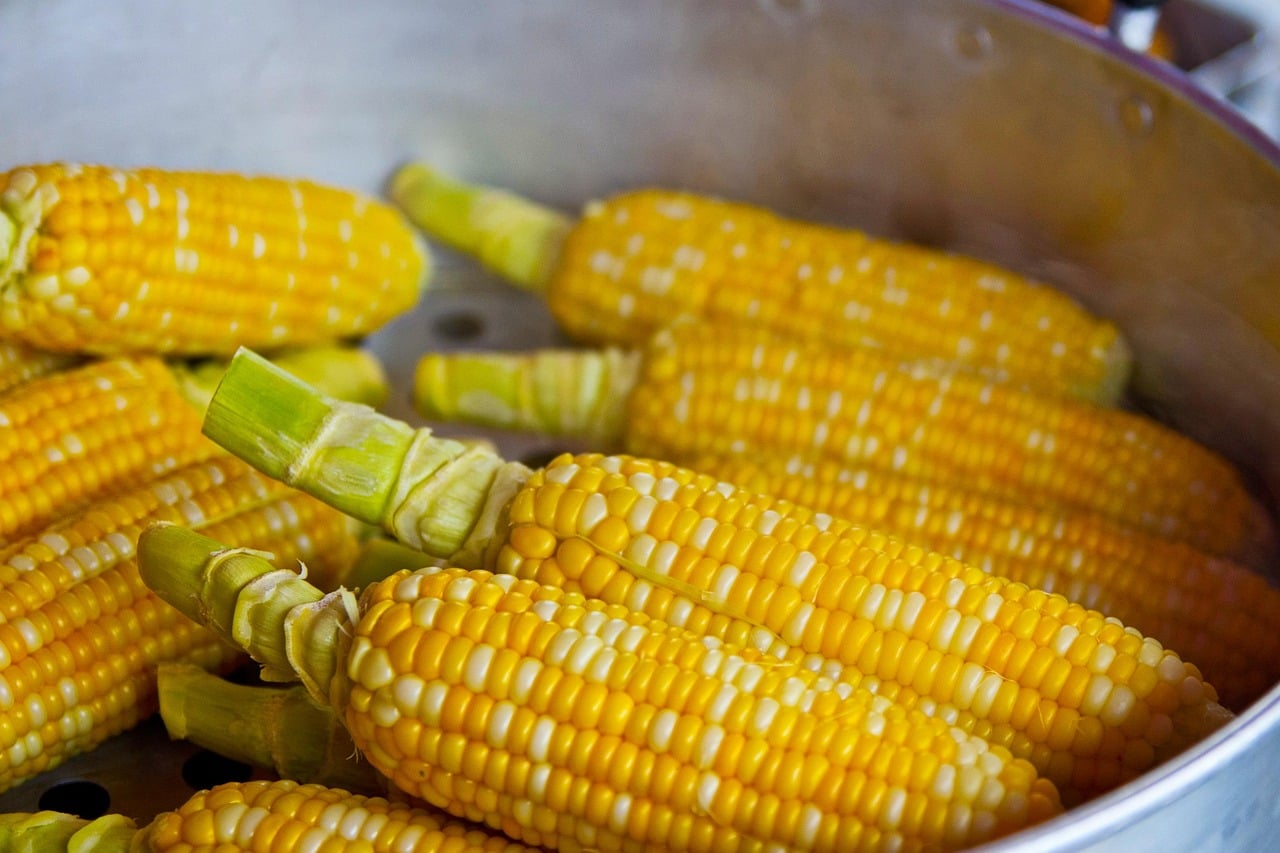
Sweet corn closes the loop on the warm season in much of Canada. Ontario, Quebec, and other provinces see local corn peak in late summer, when roadside stands pile up cobs picked close to the day of sale and the kernels still have plenty of moisture.
The best cooking method depends on what you want from it. Boiling keeps the kernels plump and tender, while grilling adds char and a light smokiness. Corn can also be cut from the cob and sautéed, then added to chowder, salads, or fritters.
At its best, corn needs very little. Butter and salt are enough, and lime with chili works well too. If the cobs are especially fresh, the natural sugar is the main attraction, which is exactly why eating it in season makes such a difference.


Leave a Reply