
A carton of milk can tell you a lot about how modern grocery pricing works. In Canada, the price on the shelf is not always a simple reflection of what an item costs to make or ship.
Geography Shapes the Price First

Location is often the biggest reason two Canadians see different grocery prices. A shopper in downtown Toronto may pay less for one item than someone in a smaller Northern community, even when both are buying from the same chain. Freight, fuel, warehousing, and delivery frequency all change the final shelf price. Remote regions usually face higher transportation costs, and those costs ripple through the entire supply chain before a product ever reaches the store.
Provincial differences matter too. Labour costs, commercial rent, utilities, and local competition are not the same across the country. A store in Vancouver or Halifax may be dealing with a very different operating environment than a store in Winnipeg. Even weather can affect spoilage, delivery schedules, and refrigeration costs. When a retailer builds a price, all of those local pressures get folded into the number a consumer sees.
Competition Can Lower or Raise What You Pay

Grocery pricing is also shaped by who else is selling nearby. In neighbourhoods where several major chains compete closely, retailers often sharpen prices on popular items to attract traffic. Bread, milk, eggs, bananas, and chicken are common examples because shoppers notice those prices quickly. If one store drops a staple by a small amount, nearby competitors may react fast to avoid losing regular customers.
The opposite can happen in areas with fewer choices. A community served by one dominant supermarket and a smaller discount option may not see the same aggressive price matching. Retailers study local shopping habits carefully and know where customers are likely to switch stores and where they are not. That is why the exact same yogurt, cereal box, or bag of rice can carry a different price tag just a few postal codes away.
Promotions Mean Not Everyone Pays the Shelf Price
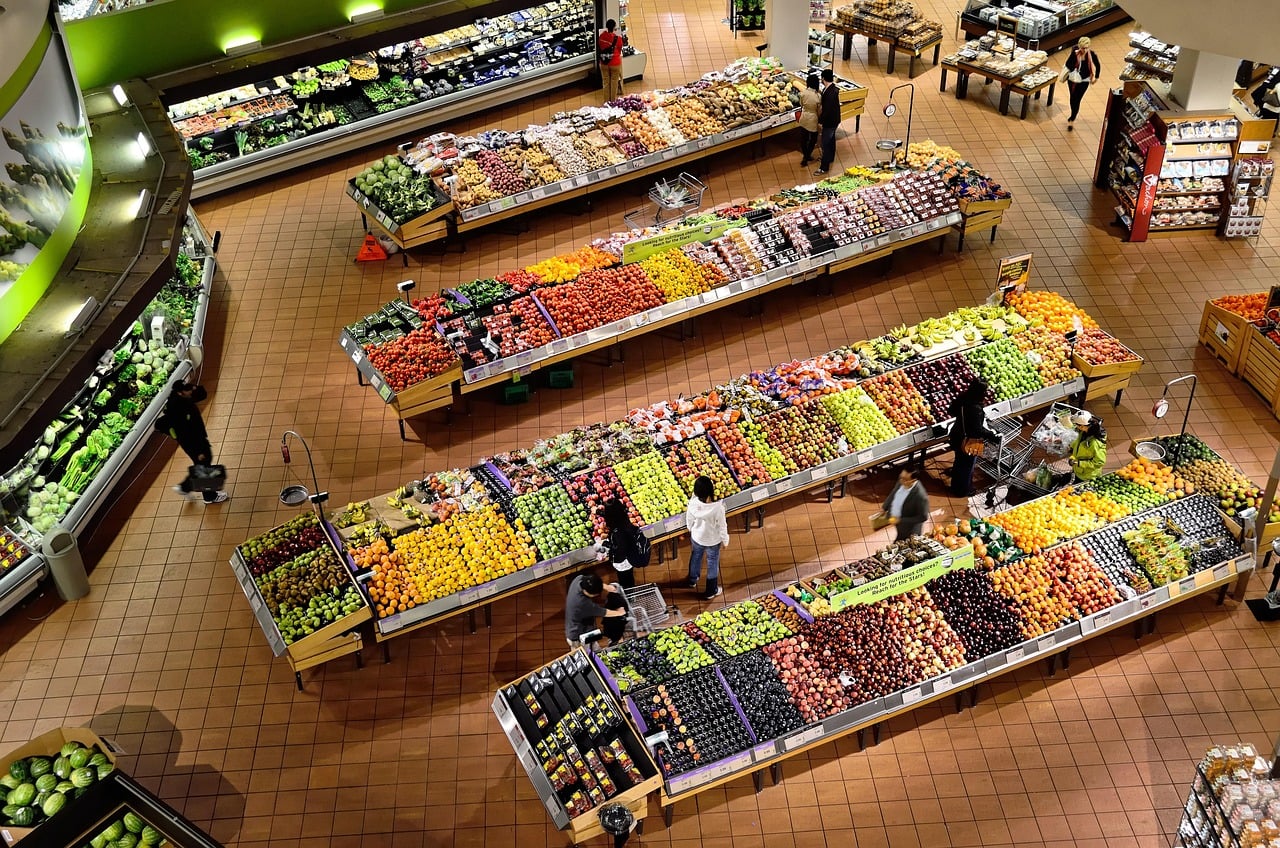
A shelf label does not always reveal the real price being offered. Loyalty programs, app-only deals, multi-buy offers, and personalized discounts can all create different outcomes for different shoppers standing in the same aisle. One customer may scan a membership card and get a lower price on coffee, while another pays the regular amount simply because they are not enrolled or did not activate the offer.
This has become more common as grocers use digital tools to target promotions. Some discounts are based on shopping history, region, or the products a customer buys most often. Retailers defend this as a way to reward loyalty and deliver relevant savings. Critics argue it makes grocery shopping less transparent. Either way, the result is clear: two people can buy the same item at the same store and still leave with different totals.
Suppliers and Contracts Also Affect Shelf Prices

Behind every grocery shelf is a web of supplier agreements that most shoppers never see. Large chains negotiate different terms based on volume, distribution efficiency, storage requirements, and promotional support. A brand may offer a temporary discount to one retailer in exchange for prominent placement or flyer exposure. Another retailer may have a separate contract, a different delivery schedule, or less leverage, which changes the cost base before pricing decisions are made.
Private-label products add another layer. Stores usually have more control over margins on their own in-house brands than on national brands. That lets them price strategically, sometimes keeping one product low to pull shoppers in while taking a larger margin on another nearby item. According to competition experts and retail analysts, grocery pricing is rarely item by item in isolation. It is often part of a broader basket strategy.
Timing Changes Prices More Than Shoppers Realize

The day and week you shop can matter almost as much as where you shop. Prices often move with flyer cycles, supplier funding windows, seasonal demand, and inventory pressure. Fresh produce is especially sensitive. Lettuce, berries, tomatoes, and avocados can rise quickly when harvests are disrupted by drought, storms, or transportation delays. A shopper on Monday may face a different reality than a shopper on Thursday after a promotion starts.
Timing also matters for meat, bakery goods, and prepared foods nearing best-before dates. Many stores use markdowns to reduce waste, but markdown practices vary by location and manager. One branch may discount aggressively in the evening, while another may do so earlier in the day. Consumers who shop strategically often notice these rhythms. In effect, the same product is not always sold in the same market conditions, even inside one chain.
What Canadian Shoppers Can Do About It
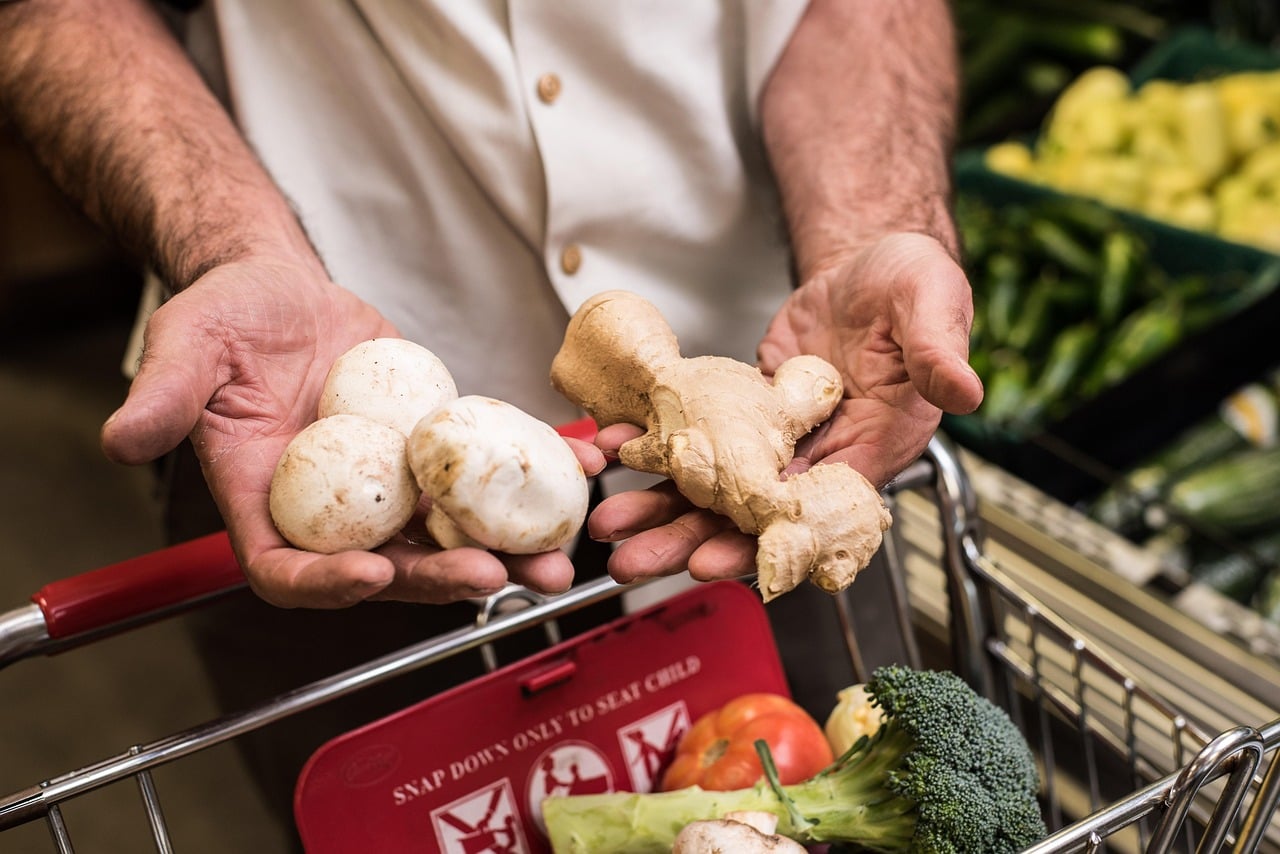
Understanding price differences helps shoppers make smarter choices without assuming every variation is unfair. Comparing unit prices, checking flyers, joining loyalty programs, and watching for regional specials can reduce the gap significantly. For staples, shoppers may also find value by switching between national brands and store brands, which are often produced to similar standards. Small habits, repeated weekly, can make a noticeable difference over a month.
At the policy level, price transparency remains an important public issue. Canadians have paid closer attention to grocery costs as food inflation has squeezed household budgets, and governments have faced pressure to examine competition and consumer fairness. But even in a stable inflation period, different prices for the same item will not disappear. They are built into how modern grocery retail works, from freight routes to algorithms to local market strategy.



Leave a Reply