
Tourtière is one of Quebec's best-known Christmas dishes, especially during réveillon, the late-night meal tied to Christmas Eve celebrations in many French Canadian homes. The catch is that "real" tourtière does not mean just one thing, which is exactly why this pie can start more debate than dessert.
The meat is where the arguments start
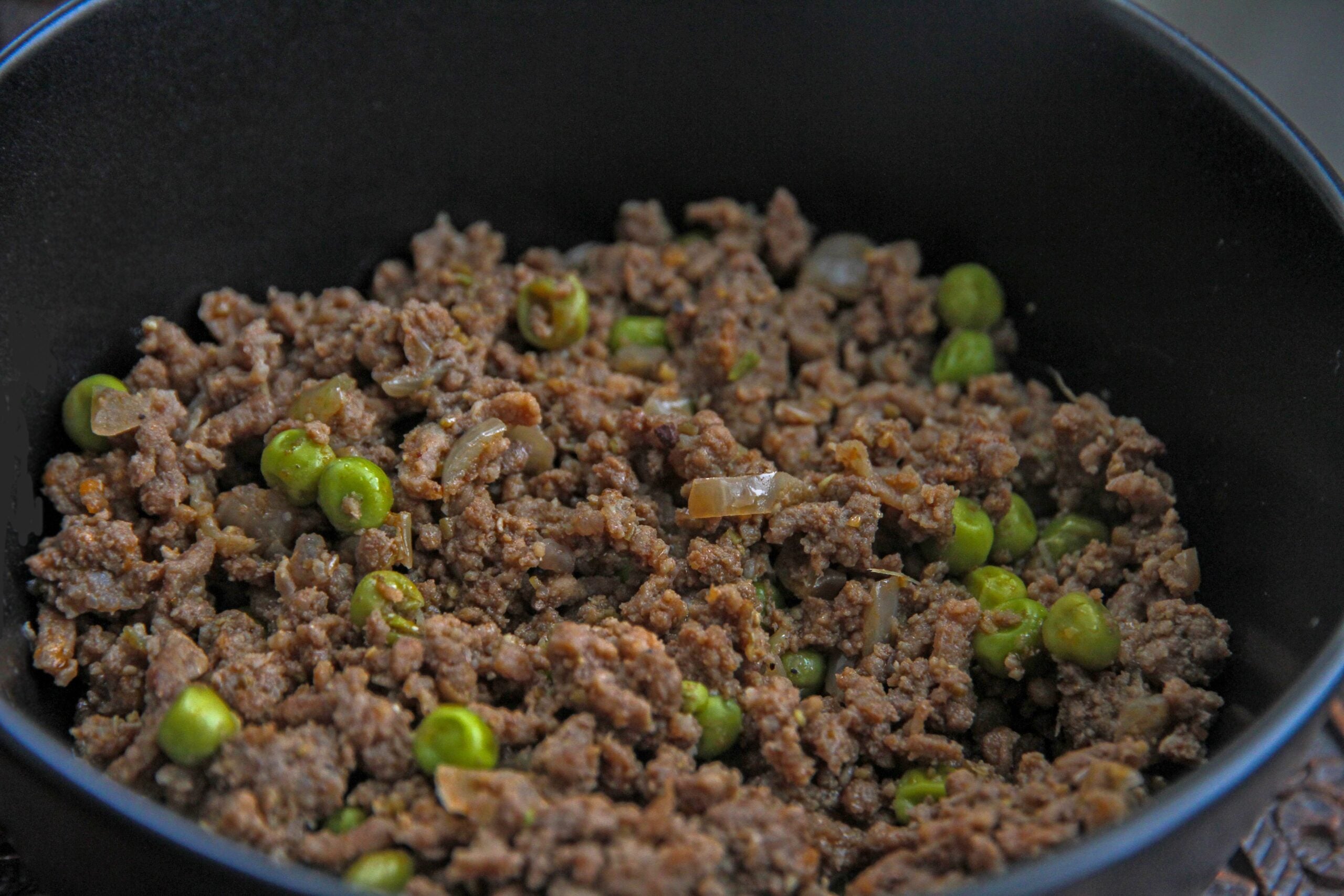
Ask ten Quebec cooks what belongs in tourtière, and the first disagreement is usually the meat. In many recipes, the filling is made with pork, beef, veal, or a mix of several meats. Some older and regional versions have also used game, depending on what was available locally and historically.
That variety is not a modern food trend. According to the Government of Canada's Canadian Heritage material on holiday traditions, tourtière has long been associated with French Canadian Christmas and New Year meals. Over time, family recipes adapted to budget, access, and local taste, so one household's standard became another household's culinary heresy.
In Saguenay, the pie becomes a deep dish event
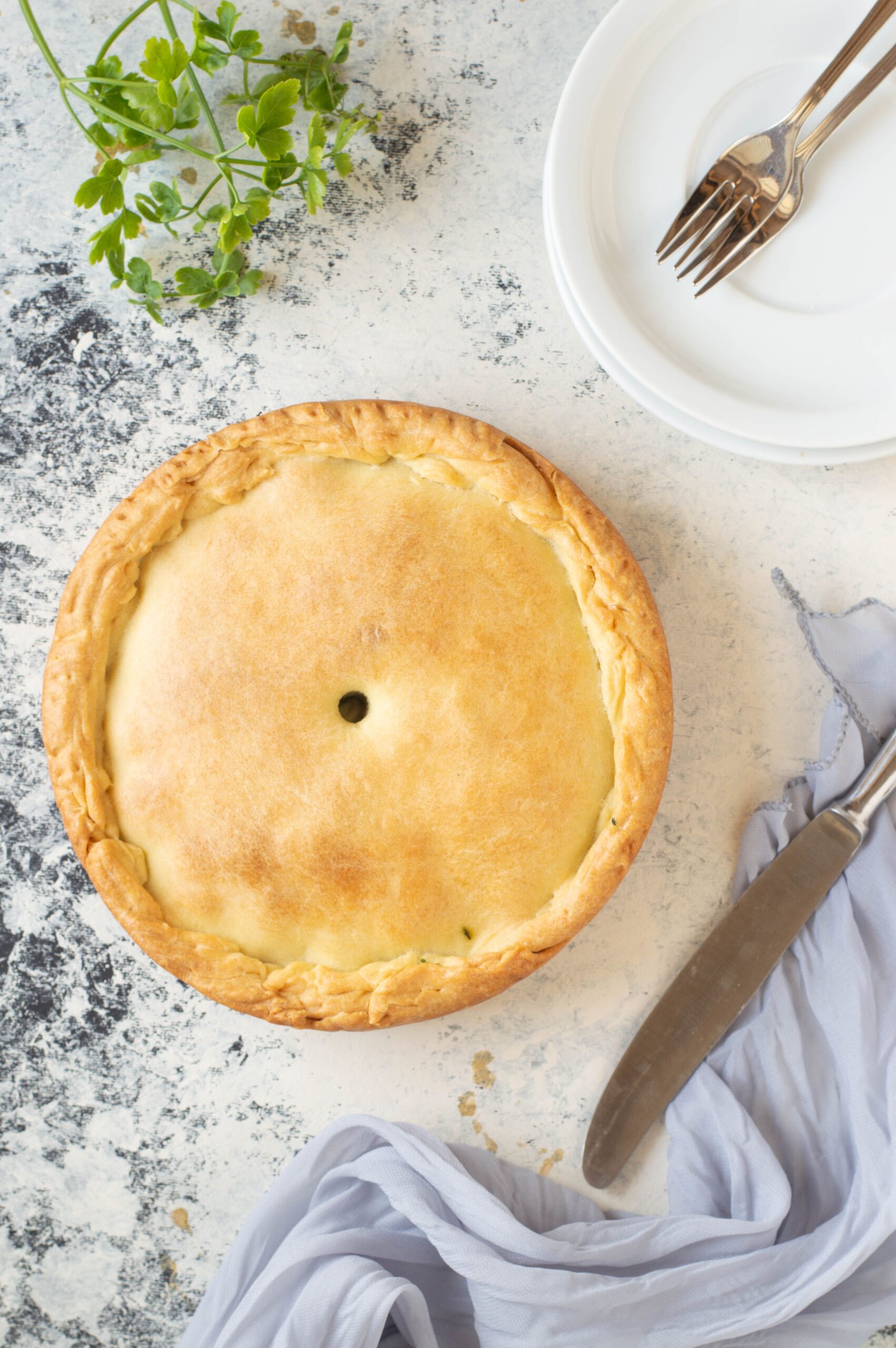
In the Saguenay, Lac-Saint-Jean region, tourtière often means something more specific and much larger than the everyday meat pie many outsiders imagine. Tourtière du Lac-Saint-Jean is a deep, slow-baked pie filled with cubes of meat, often several kinds, plus potatoes and broth inside a substantial crust.
This regional version is distinct enough to be recognized as its own traditional preparation in Quebec food writing and heritage discussions. It is less about finely ground meat and more about long cooking and rich texture. If one branch of the family grew up on this style, a shallow pie with minced filling may be greeted politely, then judged silently.
Spices matter more than heat
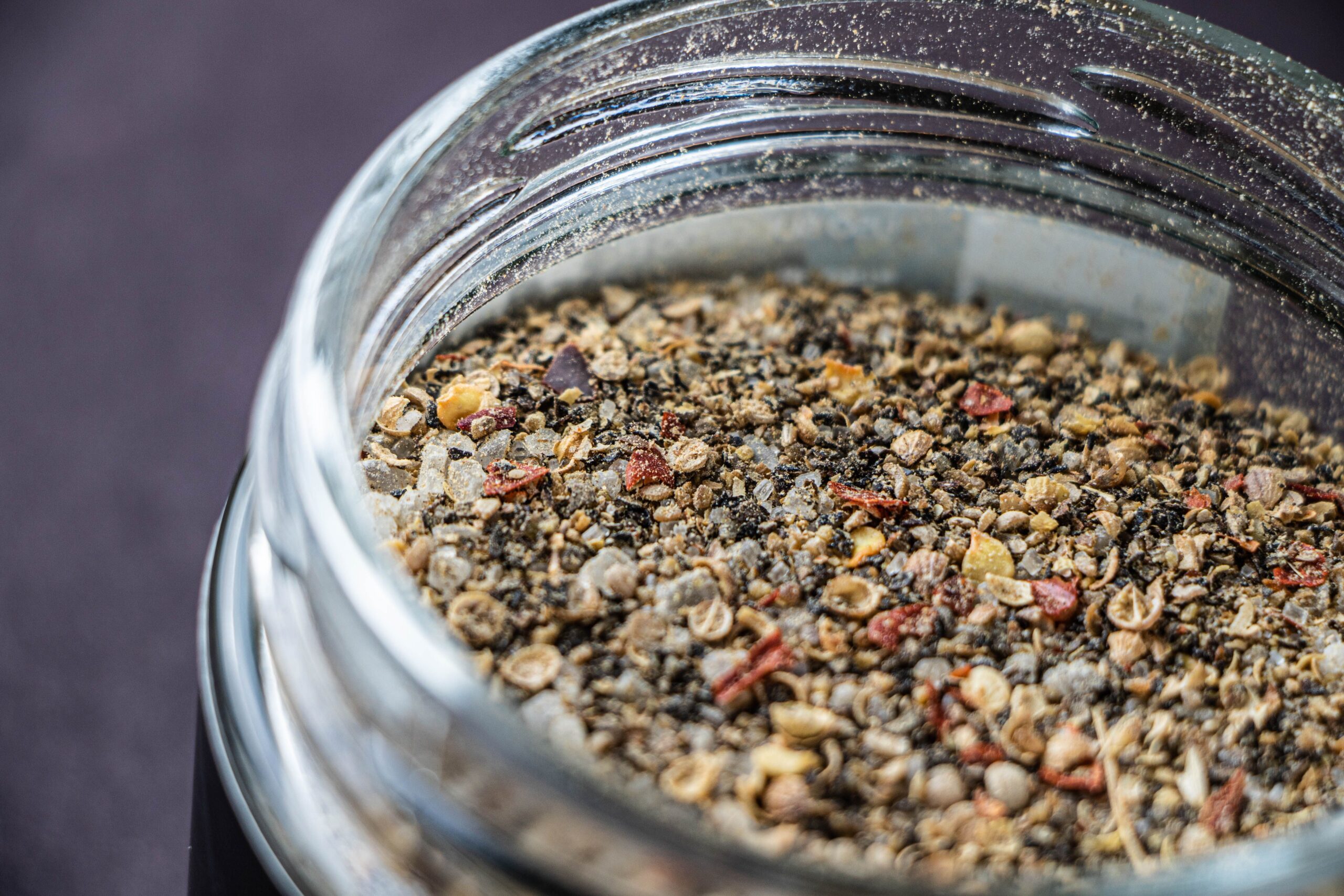
Tourtière is not usually a spicy pie in the hot-pepper sense, but seasoning is where family identity really shows up. Common additions include onion, salt, pepper, clove, cinnamon, nutmeg, and sometimes savoury. The goal is warmth and depth, not fire.
Clove is especially divisive. A light hand can give the filling that unmistakable holiday aroma, while too much can make the whole pie taste like a spice drawer fell into it. Cinnamon and nutmeg can create the same split. These details sound small, but they are often the difference between "just like my grandmother's" and "who made this?"
Some cooks swear by potatoes, others refuse them
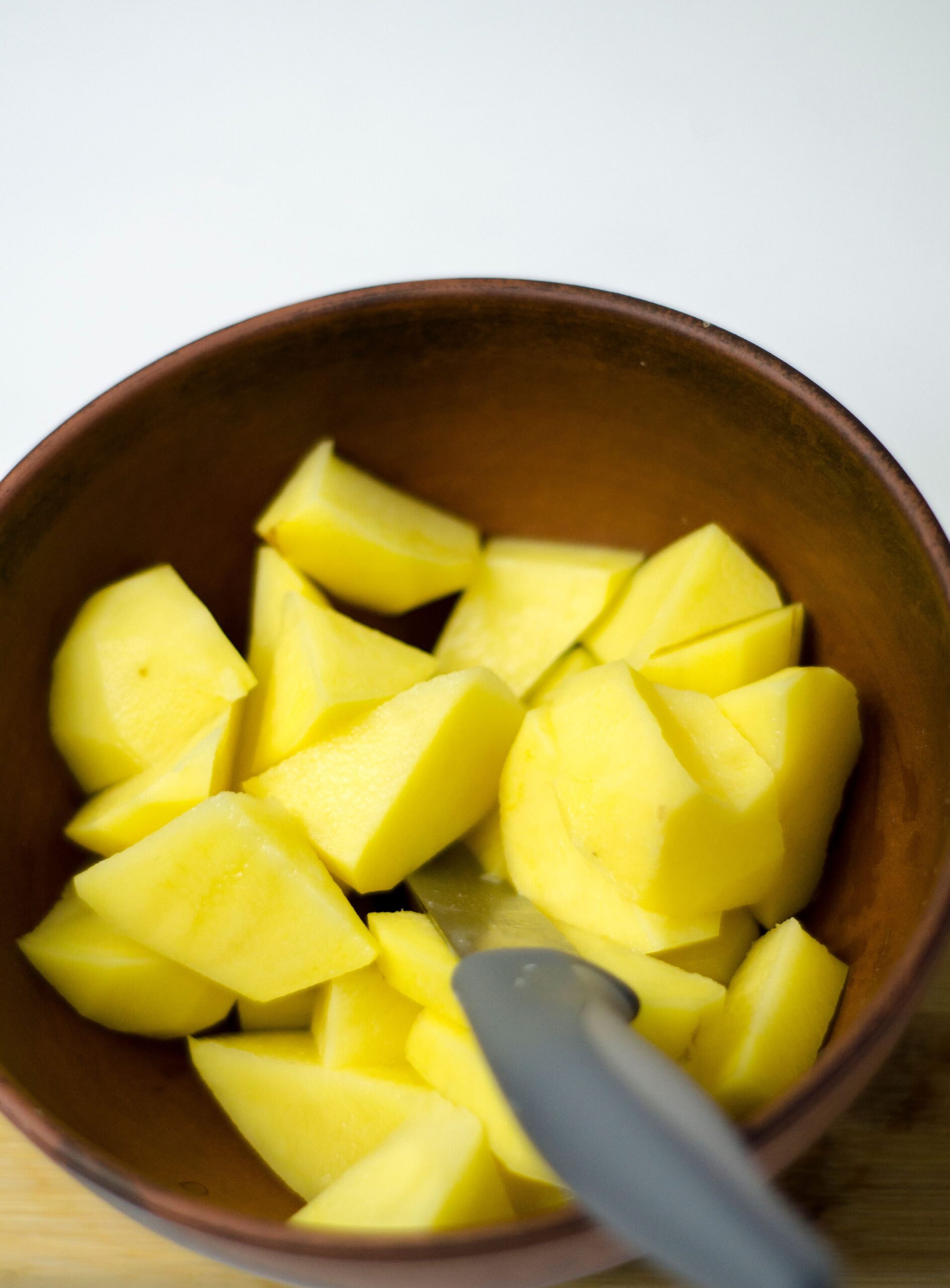
Potatoes show up in some tourtières as a practical and regional ingredient, especially in the Lac-Saint-Jean style, where they help create a hearty, stew-like filling. In other recipes, especially finer-textured meat pies, potatoes may be absent altogether, with the focus staying on meat, onion, stock, and spices.
That difference reflects two overlapping traditions. In one, tourtière is a substantial main dish built to feed a gathering. In the other, it is a more compact meat pie that slices neatly and lets the seasoning lead. Neither version is more "authentic" across all of Quebec, but families often defend theirs like a point of law.
The crust can be flaky, sturdy, or top-only
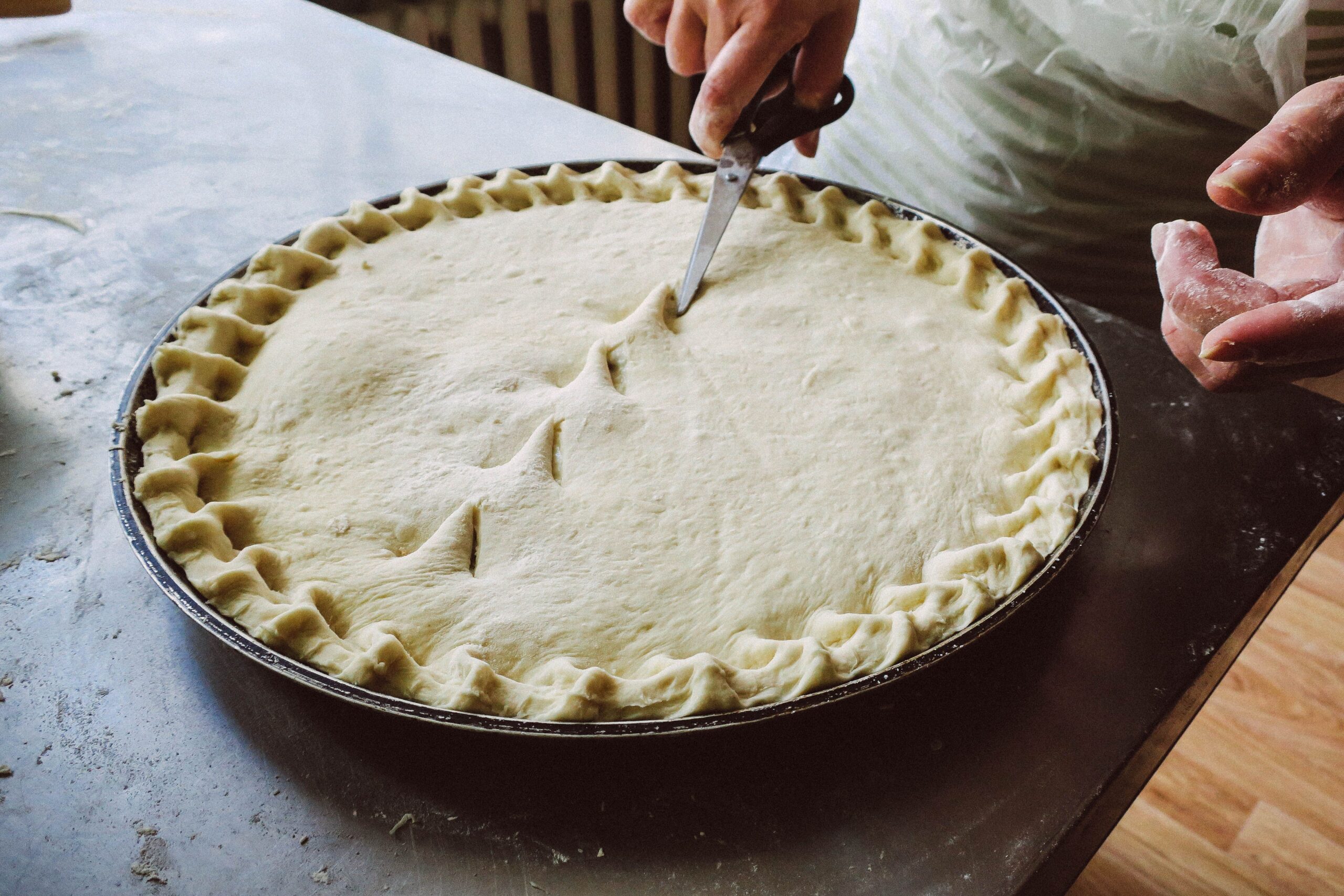
Even the pastry can spark opinions. Some households bake tourtière with a bottom and top crust, while others prefer a sturdier shell for deep pies that need hours in the oven. A few cooks focus almost entirely on the filling and treat the crust as engineering, not romance.
That sounds less dramatic than the spice debate, but crust texture changes the whole experience. A flaky pastry suits a thinner meat pie, while a thicker crust supports heavier fillings with potatoes and broth. If the filling is the heart of tourtière, the pastry is the peace treaty that keeps it all together, at least until supper starts.
It is a Christmas dish, but also a family archive
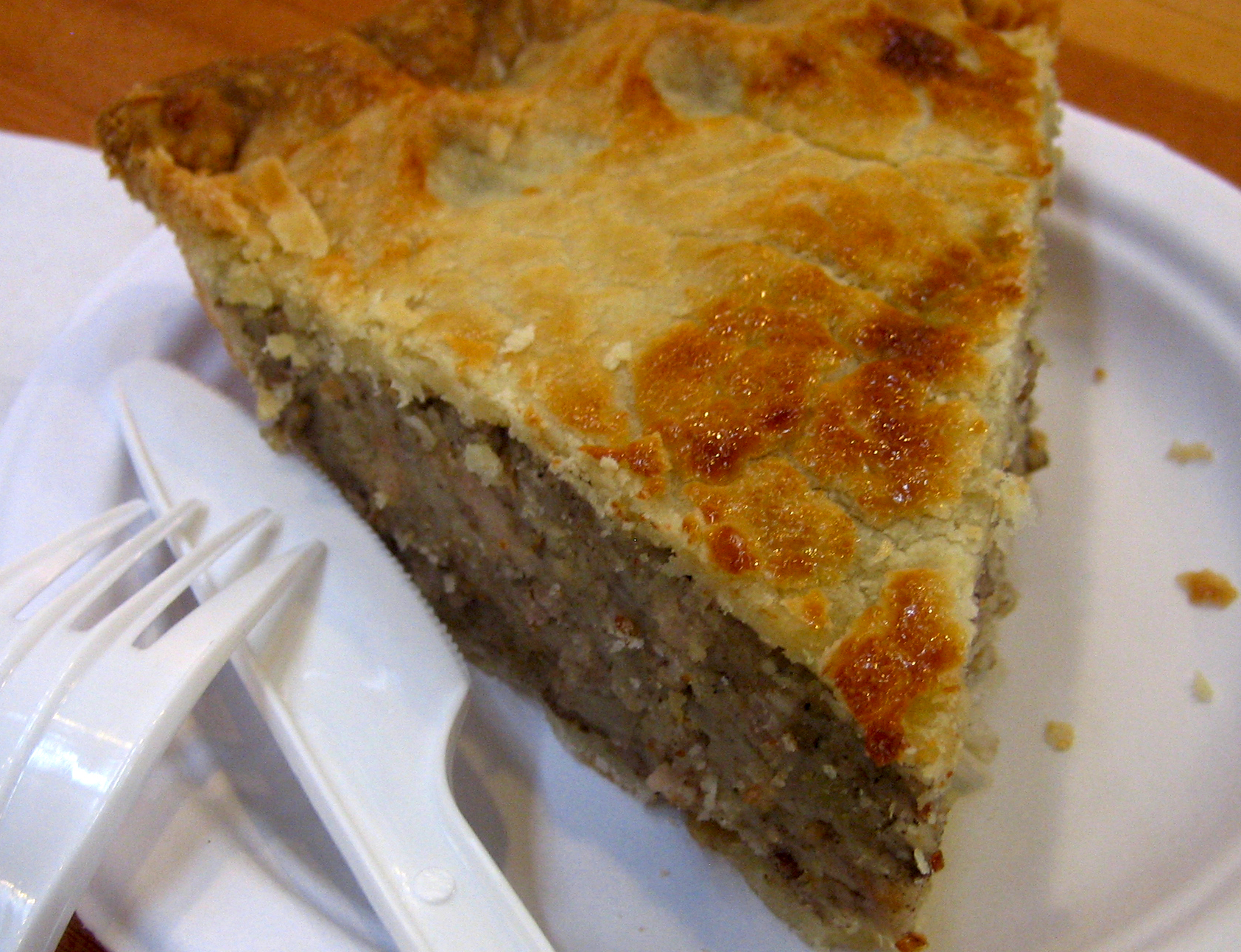
Tourtière matters at Christmas because it carries memory as much as flavour. Quebec holiday tables often bring together recipes passed down through generations, and tourtière is one of the dishes most likely to arrive with strong opinions attached. It is food, but it is also family history baked into a pan.
That helps explain the annual arguments. People are not only defending pork versus beef, or cloves versus no cloves. They are defending the version tied to a grandmother, a region, a church-basement supper, or a childhood réveillon. When Quebecers debate tourtière, they are really debating belonging, and that is a recipe no one measures exactly.

Leave a Reply