
Tim Hortons is putting unusual focus on cold drinks as it works to win back traffic, especially among younger Canadians who increasingly treat coffee runs as an all day habit instead of a hot morning ritual. The shift is showing up in menu design, seasonal launches and drink formats that look built for phones as much as for drive thru windows.
Iced Capps still anchor the cold menu

The Iced Capp remains one of Tim Hortons' best known cold drinks, and it still gives the chain a familiar entry point for younger customers who want something sweet, blended and easy to customize. It is less of a new launch than a reliable signature, which matters when a brand is trying to modernize without losing what people already associate with it.
Tim Hortons has kept the drink relevant by offering flavor spins and dairy swaps, making the product feel flexible rather than fixed. That matters with younger buyers, who often expect to tweak a drink to match mood, season or dietary preference. A photogenic blended drink also fits the kind of social sharing that helps food trends travel quickly.
Cold blended beverages also serve a practical business purpose. They help Tim Hortons compete in the afternoon and evening, dayparts that are less tied to traditional hot coffee. For a chain known first for brewed coffee and breakfast, a drink like the Iced Capp widens the occasions when customers might stop in.
Iced coffee broadens the brand's appeal

Iced coffee may sound basic, but for quick service chains it has become one of the clearest ways to appeal to younger consumers who want caffeine in a colder, lighter format. At Tim Hortons, that puts iced coffee near the center of its comeback strategy, because it offers a lower commitment option than a richer blended beverage.
The drink also sits at a useful middle point on the menu. It feels more indulgent than a standard hot coffee, yet more routine and affordable than a specialty drink. That balance is important in a period when many restaurant customers are watching spending but still want small treats built into the day.
For Tim Hortons, iced coffee helps refresh the brand without making it unrecognizable. It also opens the door to add ons, flavor shots and limited time variations that keep regular customers interested. In a crowded market, familiarity with room for novelty is a strong combination.
Refreshers speak directly to younger tastes

Fruit forward Refreshers have become one of the clearest signs that Tim Hortons is chasing a broader beverage identity. These drinks push the chain beyond coffee and toward the colorful, cold, lightly caffeinated or caffeine free options that have become common across fast food and cafe menus.
That matters because younger consumers often want variety over routine. They may visit for coffee one day, a sweet drink the next and a fruit based cooler later in the week. A menu that supports that behavior can raise visit frequency, especially in warmer months when hot drinks naturally lose some appeal.
Refreshers also work visually. Bright color, visible fruit cues and clear cups can turn a standard menu item into a more shareable one. For a legacy brand, that kind of visual update can help signal that it understands current habits, not just older ones.
Cold foam and customization add a premium feel
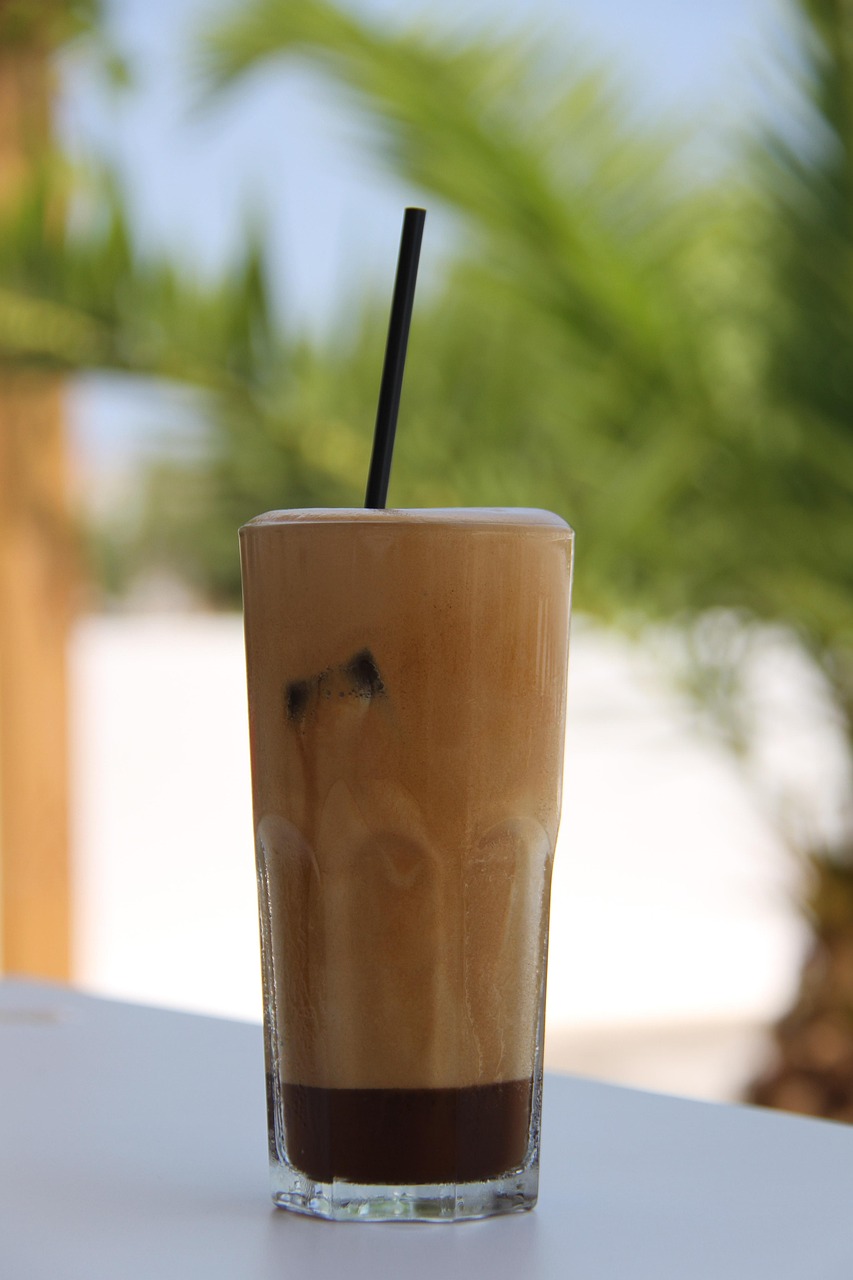
Part of Tim Hortons' challenge is not simply getting customers in the door, but convincing them to trade up from the most basic order. Cold foam, flavored toppings and other custom touches help do that by making a drink feel more current and more tailored, even when the base order starts simple.
Younger customers often respond to menu items that feel personalized but still easy to order. A cold drink with one or two clear upgrades can hit that sweet spot. It offers a sense of choice without requiring the long, complicated ordering language that can make some cafe menus feel intimidating.
For Tim Hortons, those premium cues matter because they can raise average check while modernizing the brand image. A familiar chain can suddenly feel more in step with competitors when it offers texture, layers and customization in a format that still moves quickly through the line.
Seasonal launches keep the cold lineup fresh

Limited time cold drinks give Tim Hortons a reliable way to create buzz without overhauling the entire menu. Seasonal fruit drinks, dessert inspired iced beverages and summer focused launches help the chain feel active and responsive, which is especially valuable when younger consumers are quick to chase novelty.
These launches also create moments. A summer menu can prompt trial from customers who have not visited in a while, while a fall cold drink can remind people that iced beverages are no longer just a hot weather category. That stretches the relevance of the cold menu across more of the calendar.
From a brand standpoint, seasonal drinks are also low risk signals of change. They let Tim Hortons test flavors and formats, learn what resonates and keep the conversation moving. If a drink connects, it can return or influence future menu development.
Cold drinks help Tim Hortons reclaim relevance
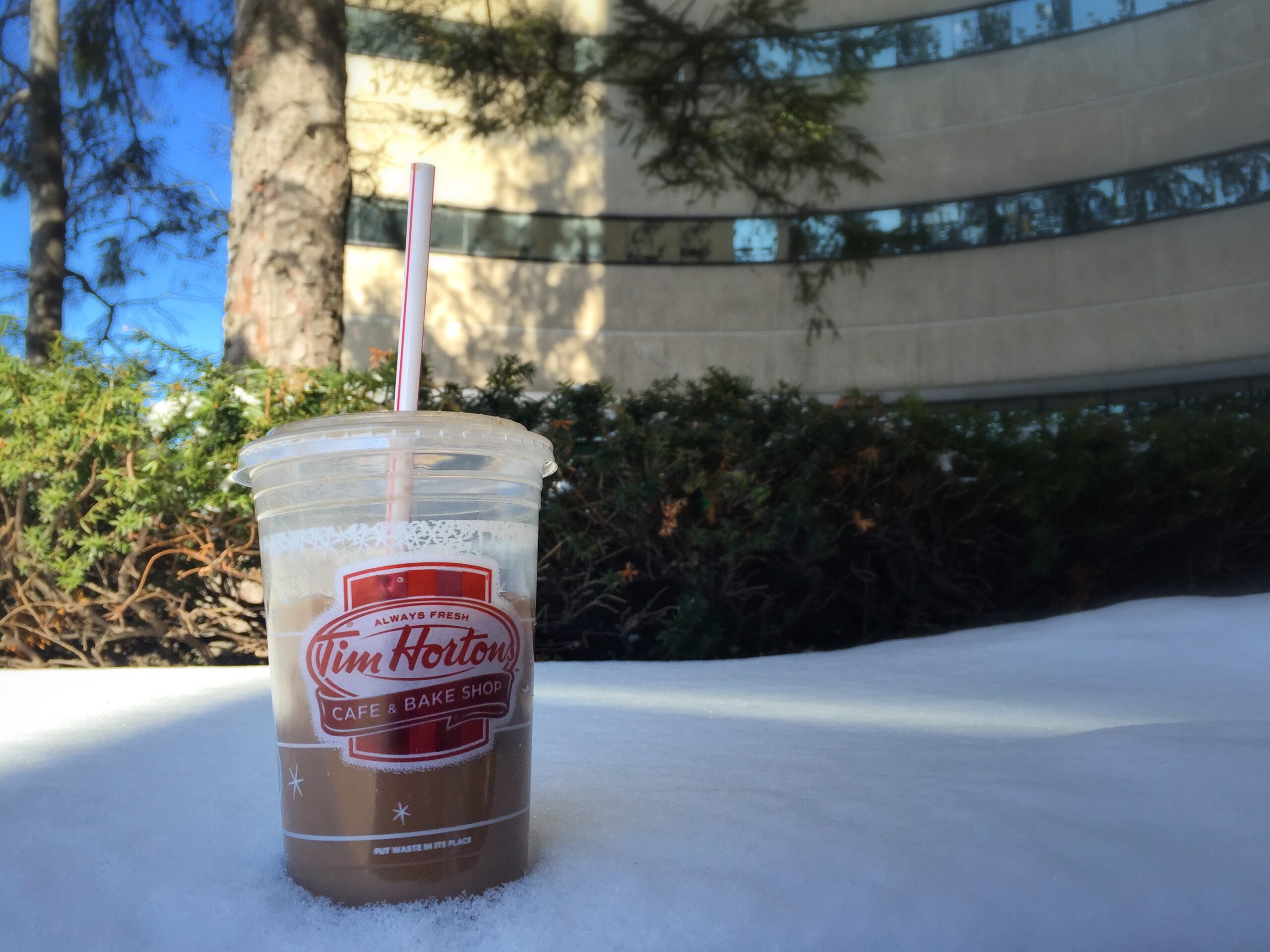
The bigger story is not one single beverage but the role cold drinks now play in Tim Hortons' identity. For years, the chain was defined by hot coffee and baked goods. Cold beverages give it another lane, one that lines up more closely with how many younger Canadians snack, caffeinate and socialize today.
That does not mean abandoning the core. Instead, Tim Hortons appears to be using cold drinks to bridge old strengths and newer expectations. Familiar formats like iced coffee sit beside brighter, more trend driven options, giving the menu a wider emotional range.
If the strategy works, Tim Hortons can become a more frequent stop across more parts of the day. That is the real value of the cold drink push. It is not just about adding colorful cups to the menu, but about making the brand feel timely again.




Leave a Reply