
Caviar has a reputation for luxury, but understanding it starts with a few simple facts. These six slides break down what it is, how it tastes, how it is sold, and how people actually serve it.
What caviar actually is

At its most precise, caviar means salt-cured eggs from sturgeon, according to the U.S. Food and Drug Administration. Roe from salmon, trout, or paddlefish may be delicious, but it is not true caviar in that strict sense. That distinction matters when you are reading a menu or buying a tin.
Sturgeon are ancient fish, and several species are used for caviar, including beluga, osetra, and sevruga. Because wild sturgeon populations declined sharply from overfishing and habitat loss, much of today's caviar comes from aquaculture, which means farm-raised fish. That shift changed the market, making real caviar more available than it once was.
How the flavor should feel
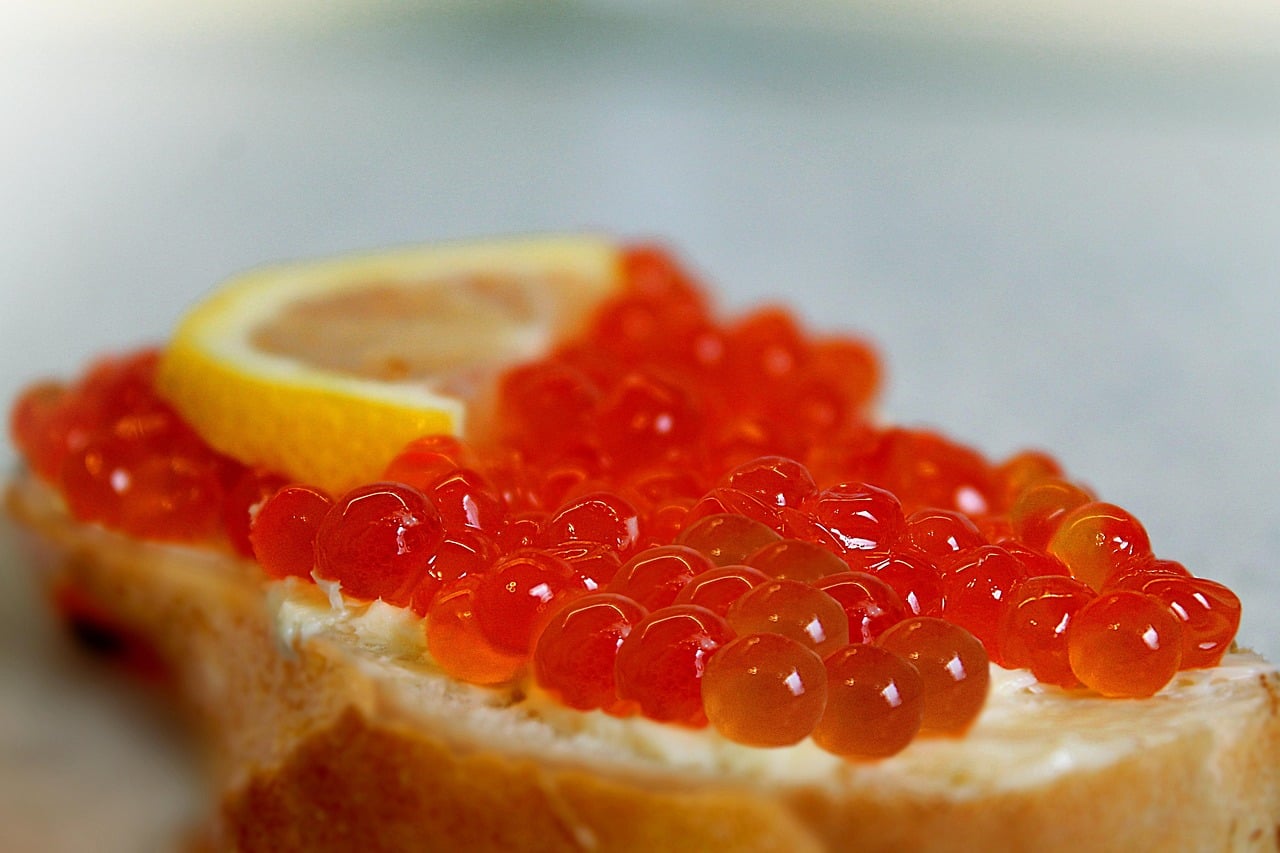
The first surprise for many people is that good caviar should not taste aggressively fishy. Instead, it is usually described as clean, briny, buttery, and gently nutty, with each egg, often called a pearl, giving a soft pop. Texture is part of the experience, not a side note.
Different sturgeon species produce different effects. Osetra is often associated with a firmer texture and nutty notes, while sevruga is known for smaller pearls and a stronger sea-like flavor. Beluga is prized for large, delicate eggs, though it is also heavily restricted in the United States under wildlife protection rules.
Why prices vary so much
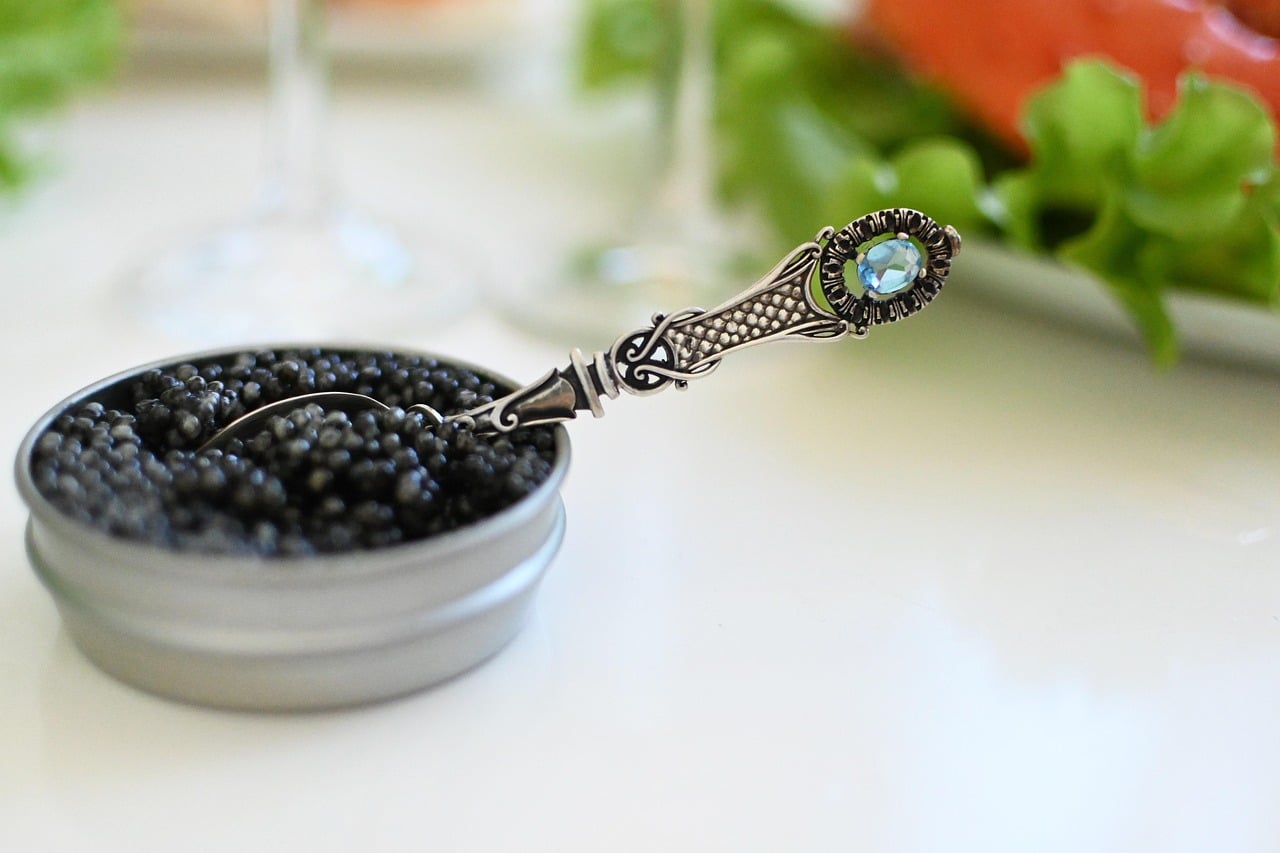
One reason caviar costs more than many other seafoods is time. Sturgeon can take years to mature before producing roe, and that long timeline raises farming costs. Size, species, rarity, and production method also affect the final price.
Packaging adds another layer. Labels may describe the egg size, color, and grade, but those terms are not universal across every seller. A lower-priced tin can still be excellent, especially when it comes from a reputable farm. What matters most is freshness, careful handling, and clear labeling about species and origin.
How to buy it without guessing
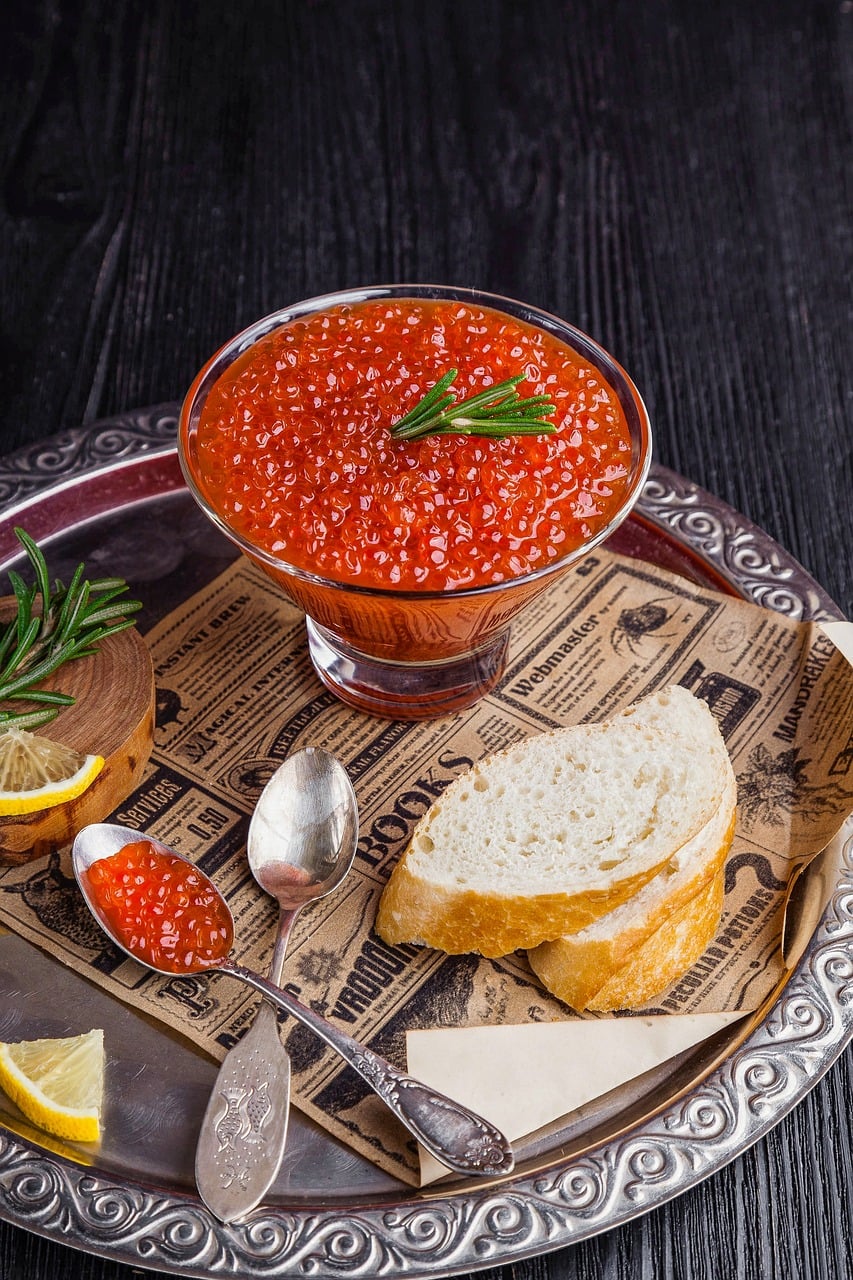
A smart first purchase is usually a small tin from a trusted fish market, specialty grocer, or established producer. Look for refrigerated storage, a clear harvest or packing date if available, and a species name you recognize. If the label simply says black caviar, ask more questions.
Pay attention to the ingredient list. Traditional caviar is usually just roe and salt, a style often called malossol, a Russian term that means lightly salted. If you are new to it, starting with osetra or a well-reviewed farmed sturgeon caviar can be a practical way to learn your preferences without paying for a large amount.
How to serve it properly
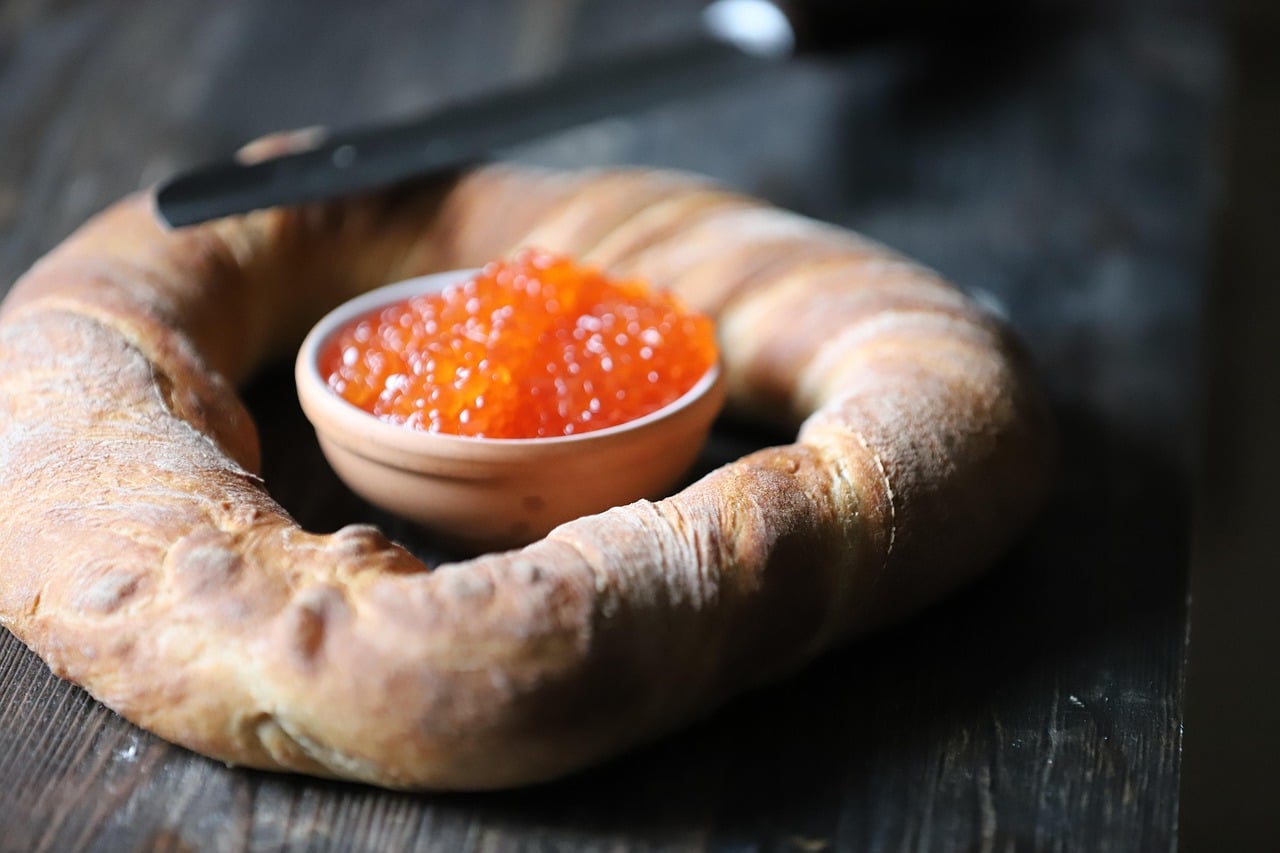
Caviar is usually served very cold, often in its tin set over ice. Many enthusiasts avoid metal spoons because metal can affect flavor, so mother-of-pearl, horn, glass, or plastic spoons are common choices. The point is to keep the taste clean and the texture intact.
Classic accompaniments include blini, which are small pancakes, toast points, crème fraîche, and finely chopped egg or chives. Purists often prefer caviar on its own first. A small spoonful lets you notice the salinity, richness, and finish before adding anything else. You do not need a lavish spread to appreciate it.
What makes the experience worth it
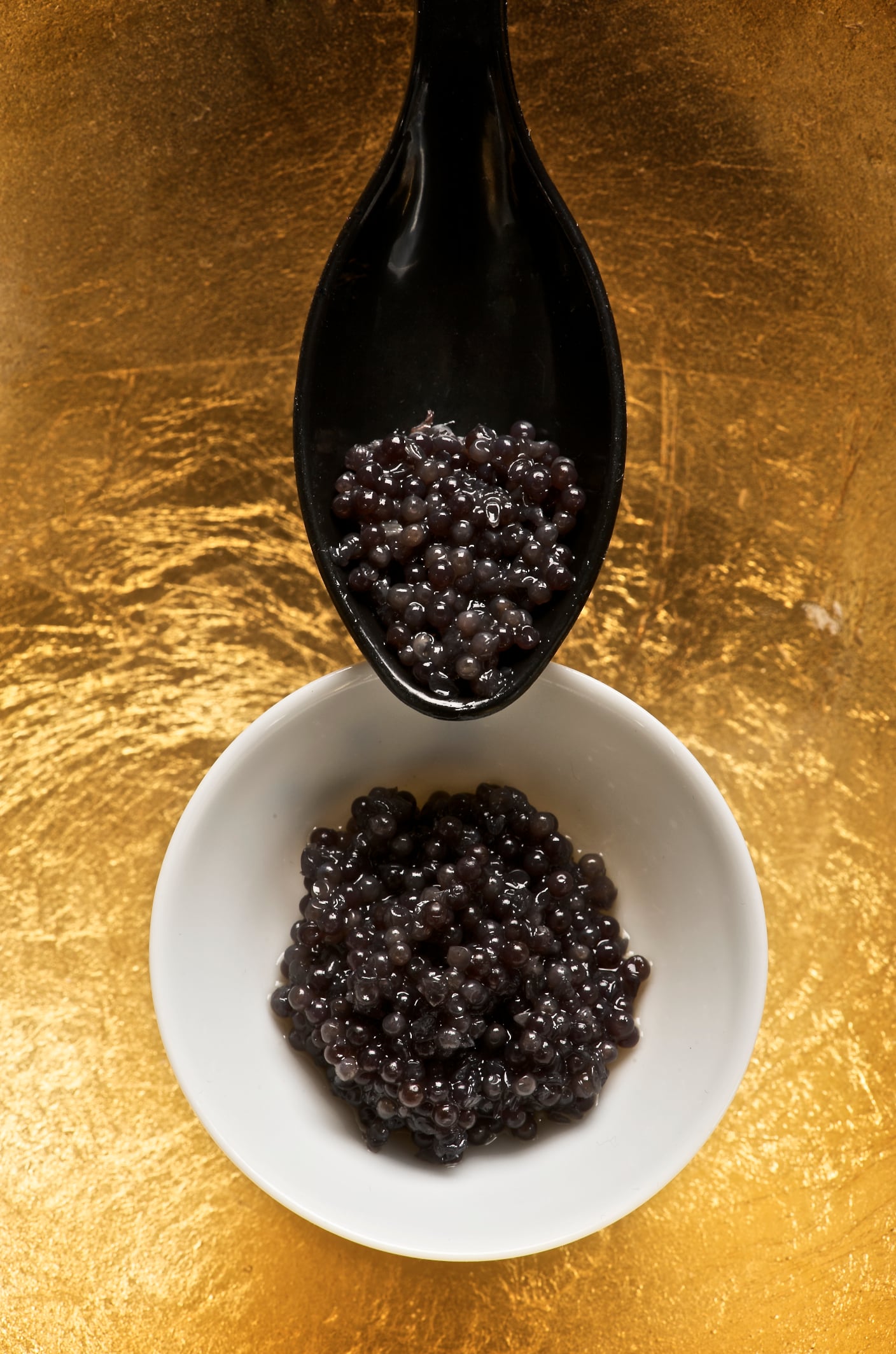
The appeal of caviar is not just status. It is the combination of rarity, craft, texture, and restraint. Because the flavor is concentrated, even a little can change a dish, which is why chefs often use it as a finishing ingredient on potatoes, pasta, or seafood rather than serving huge portions.
For a first try, expectations matter. Caviar is subtle, not overwhelming, and the pleasure often comes from paying attention to details. If you approach it as a tasting experience instead of a test of luxury, it becomes easier to understand why people value it and easier to decide if it is something you would order again.




Leave a Reply