
Tipping in Canada did not disappear in 2026, but the way it shows up on the payment screen clearly changed. After years of bigger default prompts at restaurants, coffee shops and counter service spots, many businesses began dialing them back as customer frustration over "tipflation" became harder to ignore.
Bigger tip prompts became the flashpoint
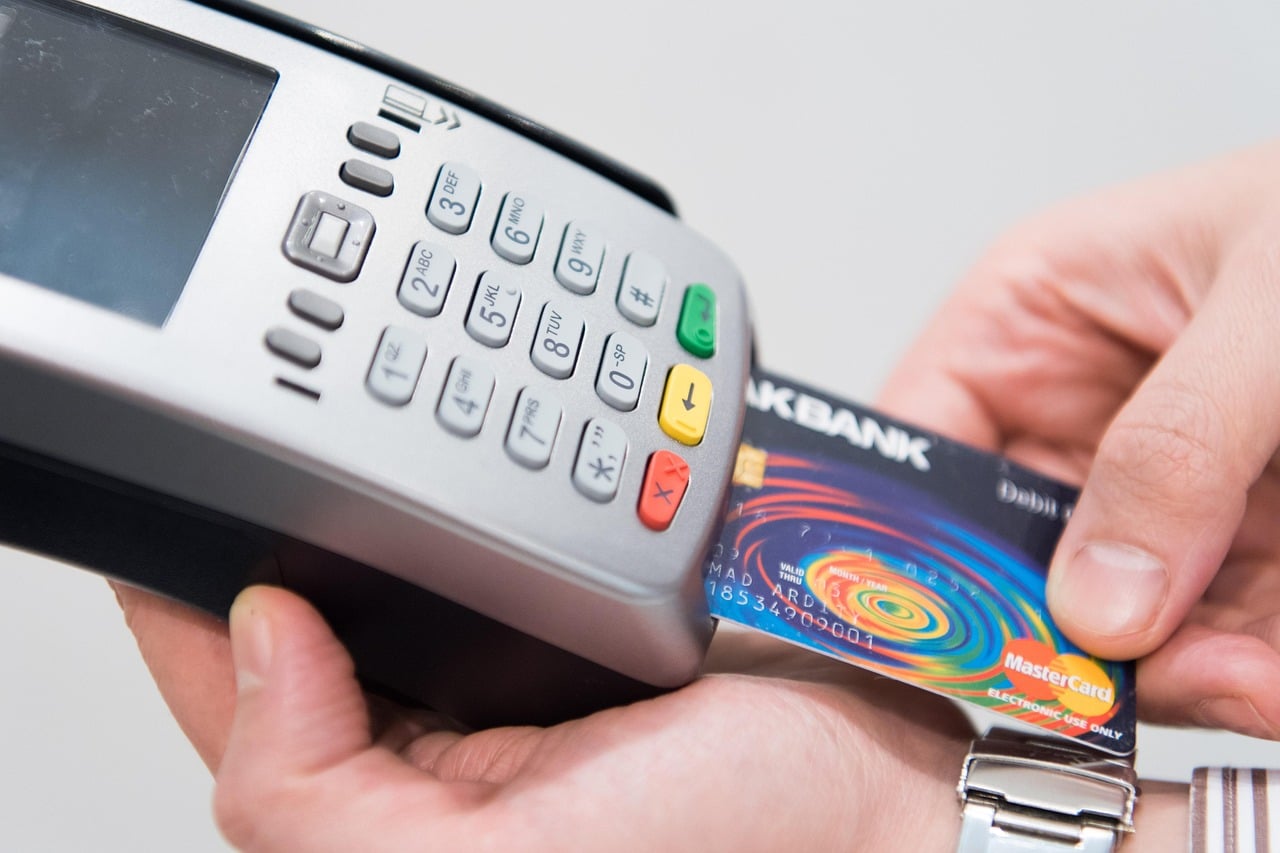
What many diners noticed first was not the bill, but the payment terminal. In plenty of Canadian restaurants and cafes, default tip buttons had climbed into the 25% to 30% range, even in places where table service was limited or absent.
That shift stood out because it changed the psychology of paying. Instead of quietly deciding on a tip, customers were being asked to reject a high preset amount in front of staff. The tension was especially noticeable at counter service, coffee shops and takeout counters, where traditional expectations around tipping have always been less clear.
By 2026, those prompts had become the most visible symbol of a broader irritation that Canadians increasingly described as tipflation. The term stuck because it captured two things at once, rising suggested percentages and the sense that tipping requests were spreading far beyond the classic sit-down restaurant meal.
Counter service changed the tipping debate
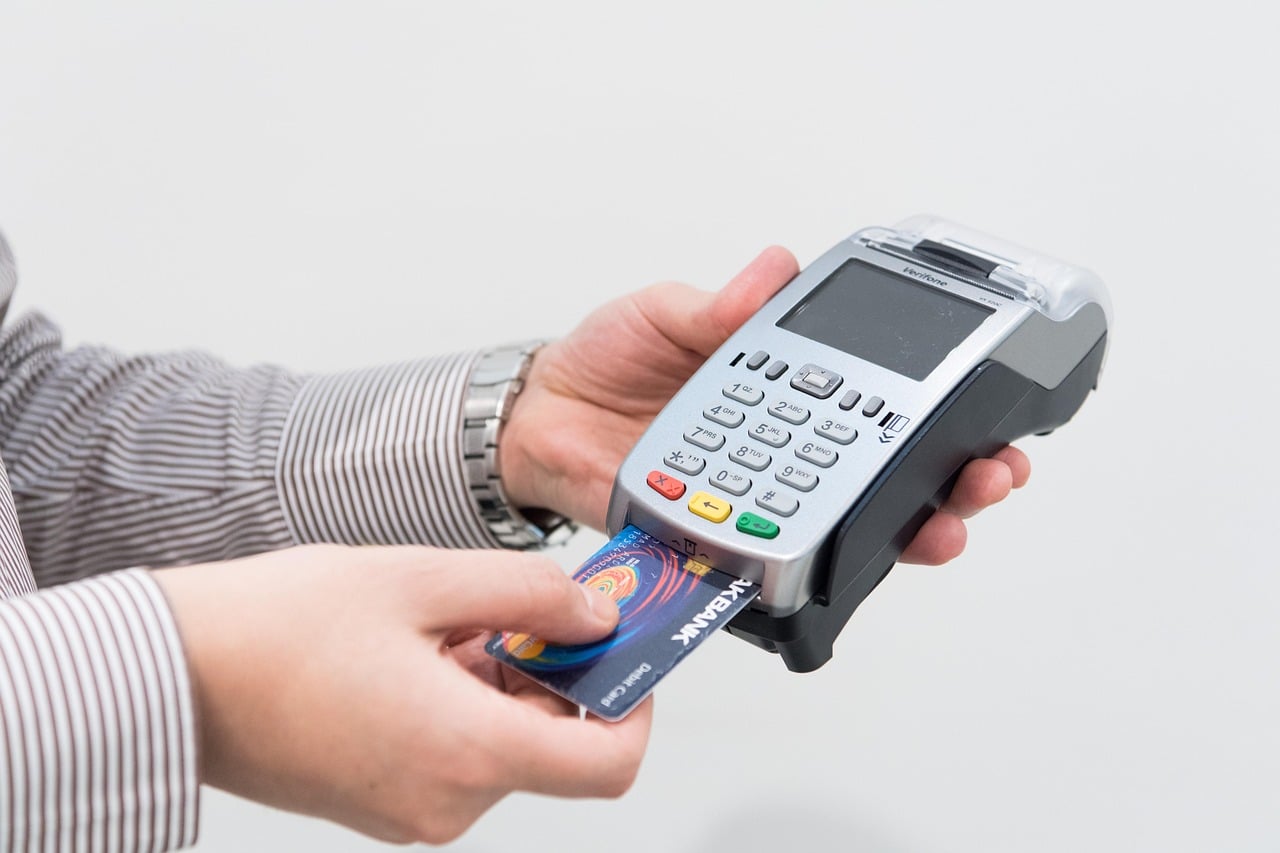
The strongest pushback did not come from full-service dining rooms alone. It came from everyday transactions, ordering a latte, picking up lunch or grabbing takeout, where many customers felt the preset screens were asking them to follow fine-dining customs in situations that did not match the service.
That matters because tipping in Canada has long been shaped by context. A meal served at the table, with repeated contact from staff, has usually carried a different expectation than a muffin handed across a counter. When digital terminals blurred those lines, many customers felt that the social script had changed faster than the service itself.
Restaurants and cafes learned that people were not only reacting to the percentage. They were reacting to the feeling of being cornered by the machine. In 2026, that distinction pushed more operators to rethink how the first screen looked and how much pressure it placed on the guest.
Public backlash pushed restaurants to reset screens
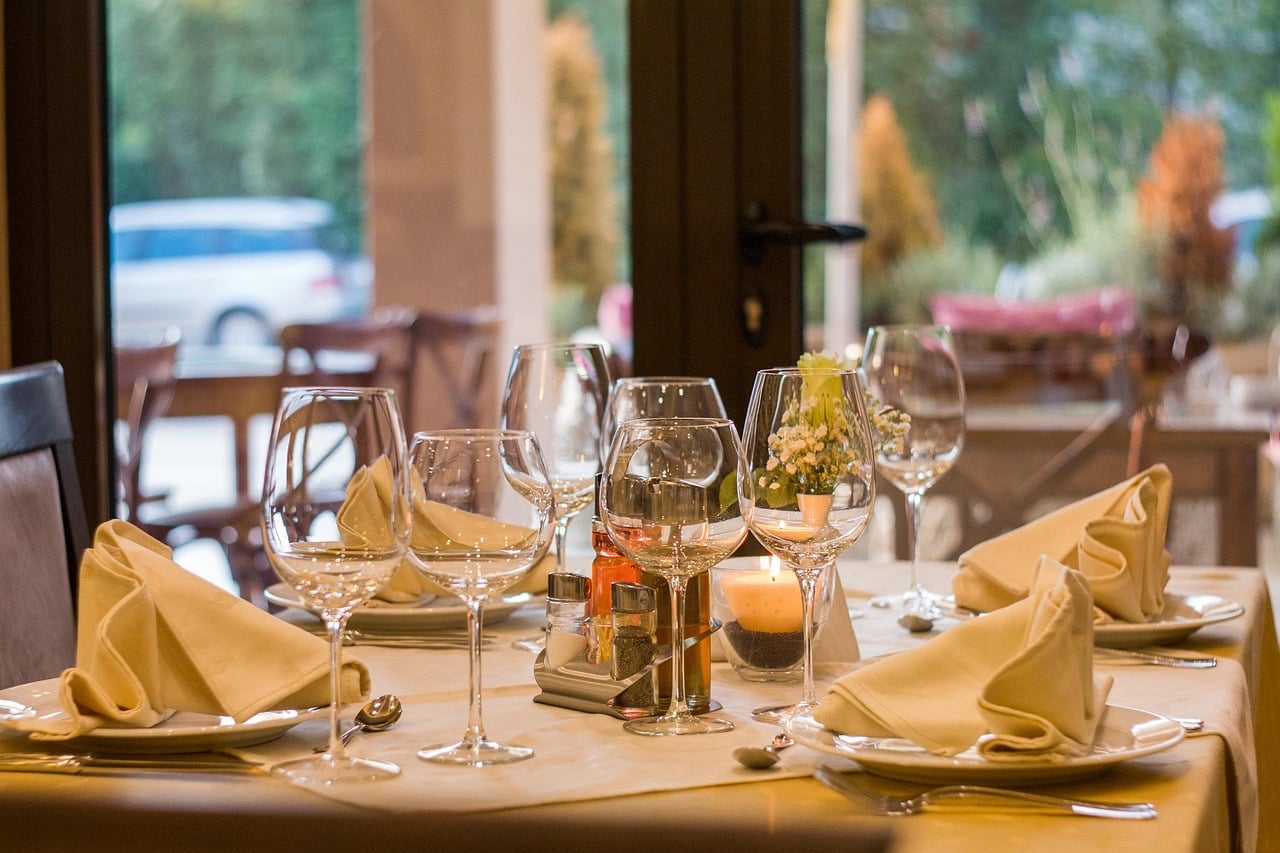
The tipping change in 2026 was driven less by a formal rule than by a practical business response. As complaints about tipflation spread, some restaurant owners and operators started resetting payment terminals to softer prompts, lower percentages, more balanced options or less aggressive layouts.
For many businesses, this was about protecting the guest relationship. A payment screen is the last moment of the visit, and it can sour the whole experience if it feels manipulative. Operators who had adopted higher prompts during years of rising costs found that customers increasingly saw those screens as a pricing trick rather than a simple convenience.
The reset also signaled something important. Businesses were acknowledging that payment design is part of hospitality. In other words, how a tip is requested can matter almost as much as the service that came before it.
Rising costs helped fuel the pressure
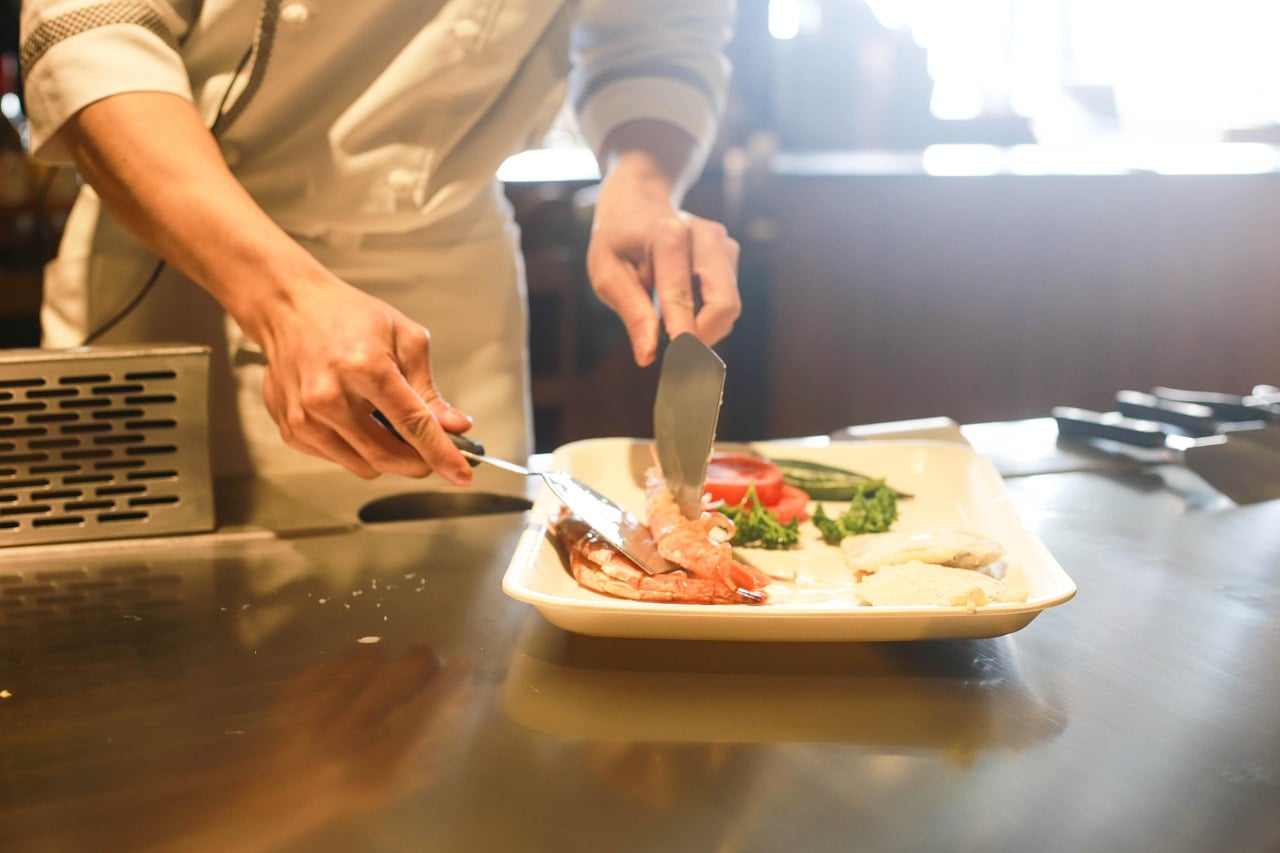
Restaurants did not move to bigger tip prompts in a vacuum. Higher food costs, labor expenses and operating pressure all shaped the environment in which digital payment systems became more aggressive. Suggested tip buttons often looked like a quick way to support staff income without raising menu prices as sharply.
But customers experience that choice differently. When menu prices are already higher, a large preset tip can feel like a second round of inflation at the terminal. That feeling became especially sharp when the prompt appeared after tax, or when the service model was quick and limited rather than fully staffed table service.
This is why the backlash landed so forcefully in 2026. Diners understood that restaurants were under strain, but many no longer accepted the idea that every cost pressure should be resolved through a more ambitious tipping screen.
Diners now want clearer, lower-pressure choices
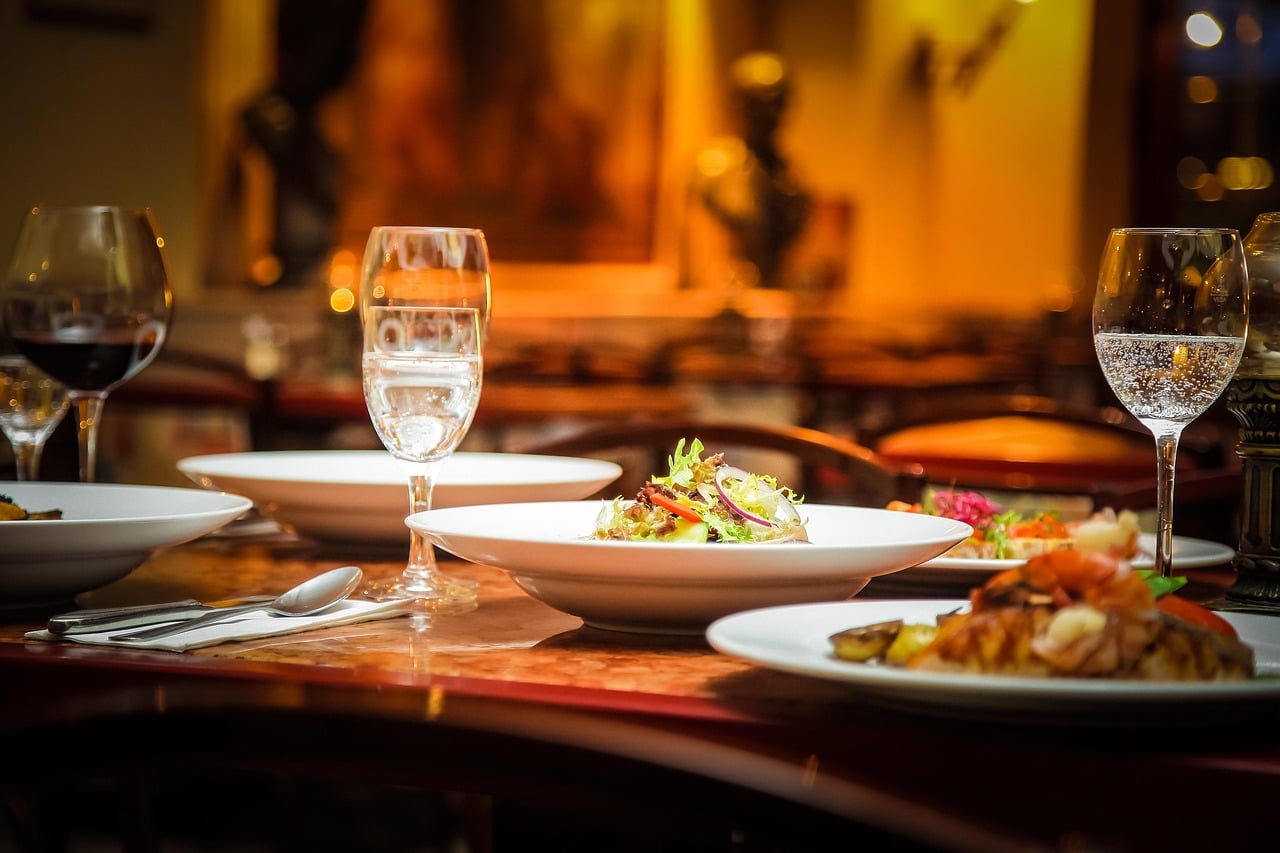
One notable shift in 2026 is that many Canadians are not rejecting tipping outright. They are rejecting pressure. Softer prompts work because they give customers room to decide, instead of nudging them toward the highest visible option.
In practice, that can mean more moderate preset percentages, a clear custom-tip button, or a screen design that does not make "no tip" feel like a public act of defiance. For operators, those small interface choices can calm the transaction and reduce the sense of embarrassment or resentment.
This matters because payment habits are emotional as well as financial. Diners want the freedom to reward good service, but they also want the final step of the meal to feel fair, transparent and proportionate to what they actually received.
The new tipping mood is about trust
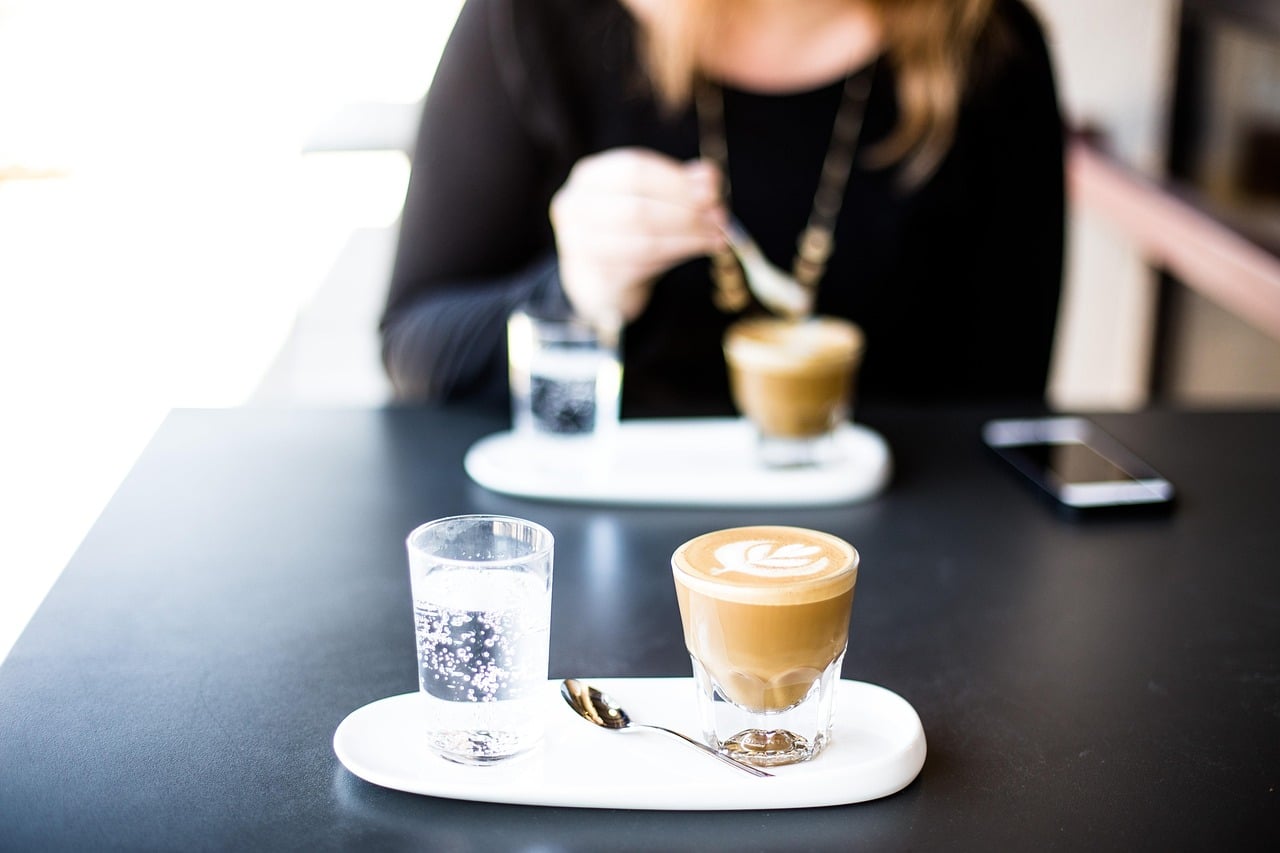
The biggest change in 2026 is not a fixed national standard. It is a change in tone. Canadians are showing less patience for automated tip escalation, and restaurants are responding by making the request feel more reasonable and less loaded.
That does not mean the debate is over. Tipping remains tied to service culture, staff earnings and the economics of eating out. But the public backlash against tipflation made one point clear, customers notice the difference between a genuine thank you and a payment screen that feels engineered to extract more.
In that sense, the reset is really about trust. When restaurants soften tip prompts, they are not just changing a terminal setting. They are trying to restore a final moment of goodwill that had started to disappear.



Leave a Reply