
For many Canadians, the Tim Hortons drive-thru runs on more than menu boards and speaker boxes. It also runs on a set of shared habits, the small courtesies and practical choices that regulars pick up over time because they make the whole line work better.
Know your order before the speaker
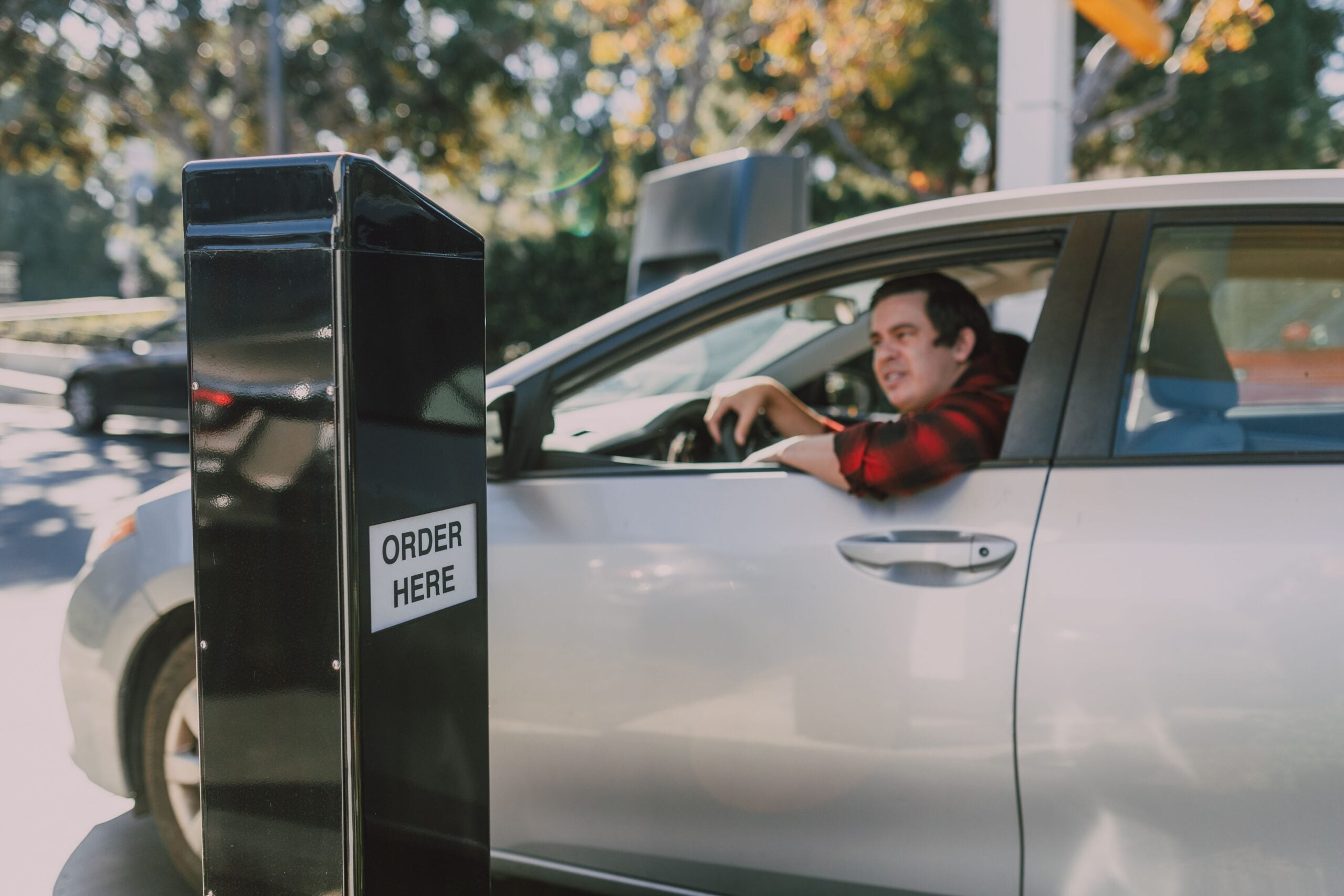
The first rule starts before your car even stops. At Tim Hortons, the speaker is where the line can either glide or stall, so regulars usually decide on their order ahead of time, especially during the morning rush.
That matters because the chain serves a very broad menu, from brewed coffee and steeped tea to breakfast sandwiches, wraps, baked goods and cold drinks. A customer who waits until the speaker to compare every option slows everyone behind them, including people ordering only a single coffee.
Seasoned drive-thru users also know to say sizes, sugar and dairy details clearly the first time. In a place where orders are often shorthand, like a double double or a regular coffee, clarity saves a repeat question and keeps the queue moving.
Keep big or complicated orders to a minimum
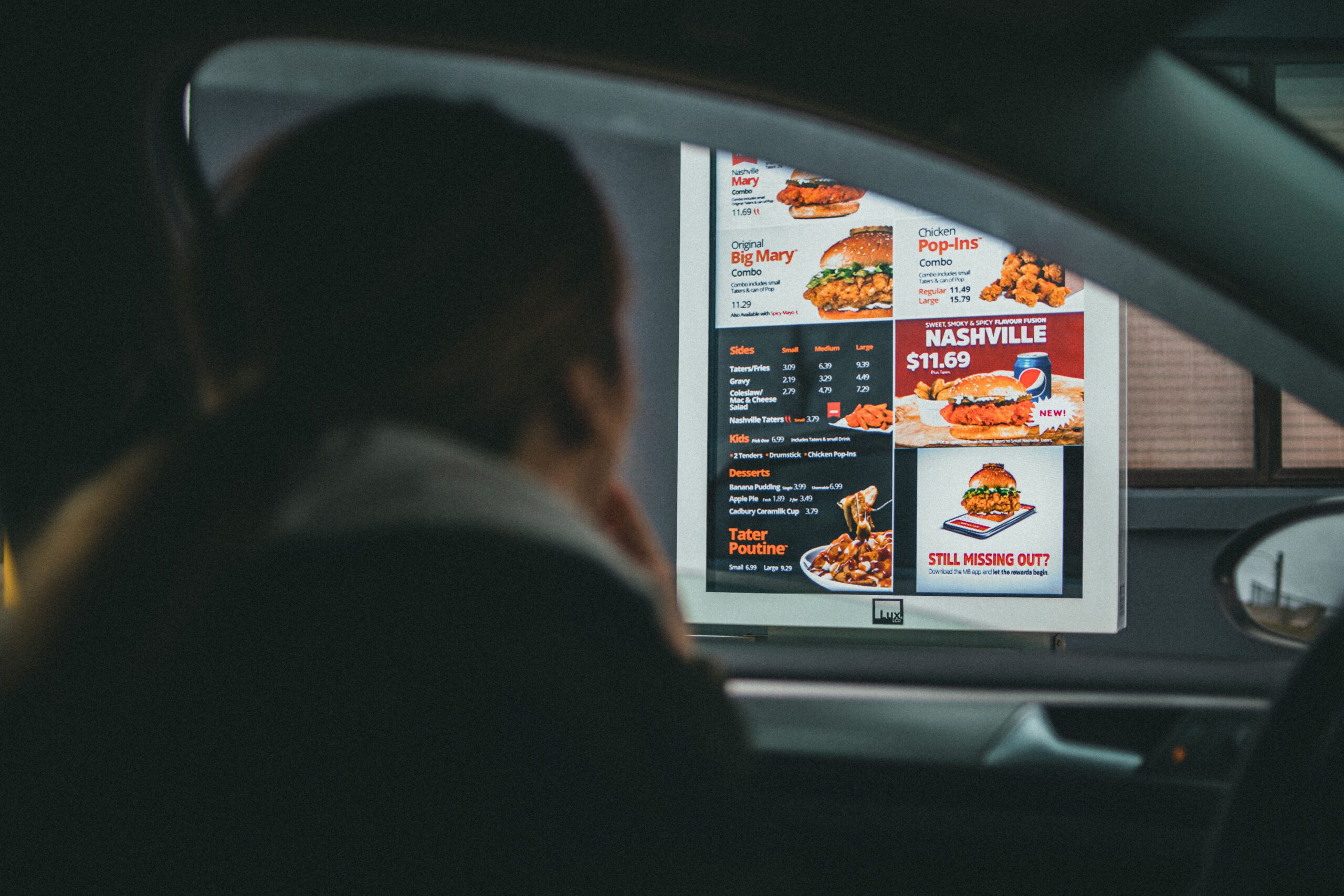
There is a difference between ordering lunch and ordering for the entire office. One of the most widely understood drive-thru rules is that very large or highly customized orders are better handled inside, where they are easier to check and less likely to hold up a long line of cars.
Tim Hortons offers many combinations, from breakfast bundles to lunch items and drinks with add-ons, and that flexibility is useful. But in the drive-thru, regulars tend to read the room. If the lineup wraps around the building, a dozen sandwiches and several specialty drinks can turn a quick stop into a wait for everyone else.
This is less about formal policy than shared etiquette. The drive-thru works best when orders match the pace of the setting, which is why many customers save especially complex requests for the counter or the mobile app.
Have your payment ready at the window
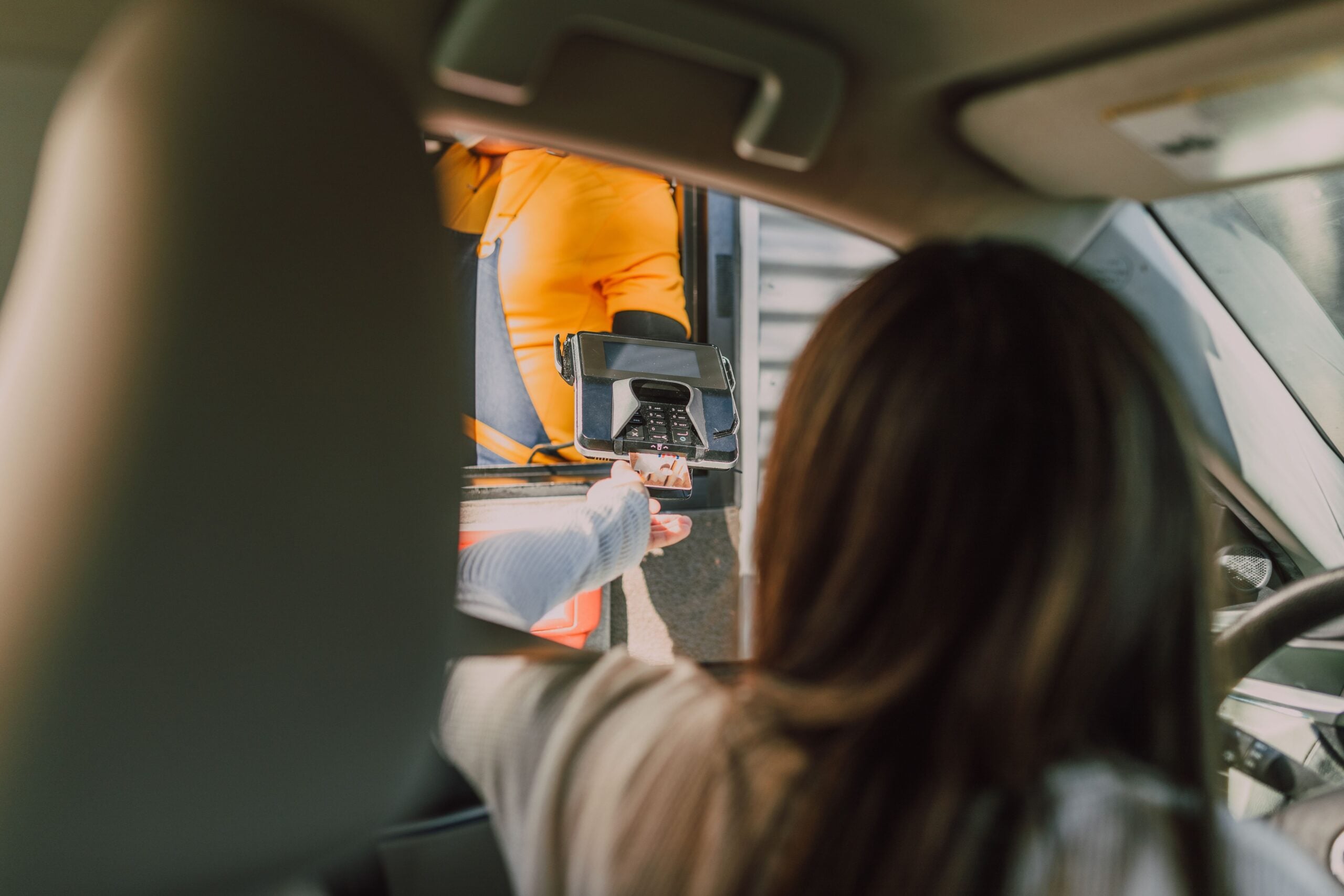
The payment window is where small delays become visible. Canadians who use the Tim Hortons drive-thru a lot usually have their card, cash or app ready before they reach the cashier, because searching through a bag or scrolling through a phone adds time at the busiest point in the process.
That habit has become even more practical as loyalty programs and mobile payment have become common. Tim Hortons lets customers pay and collect rewards through its app, but a barcode still needs to be ready to scan if you want the transaction to stay quick.
The same rule applies if you are paying for more than one order. Sorting out split payments at the window is possible, but it interrupts the rhythm that makes a drive-thru efficient in the first place.
Use the lineup as it forms
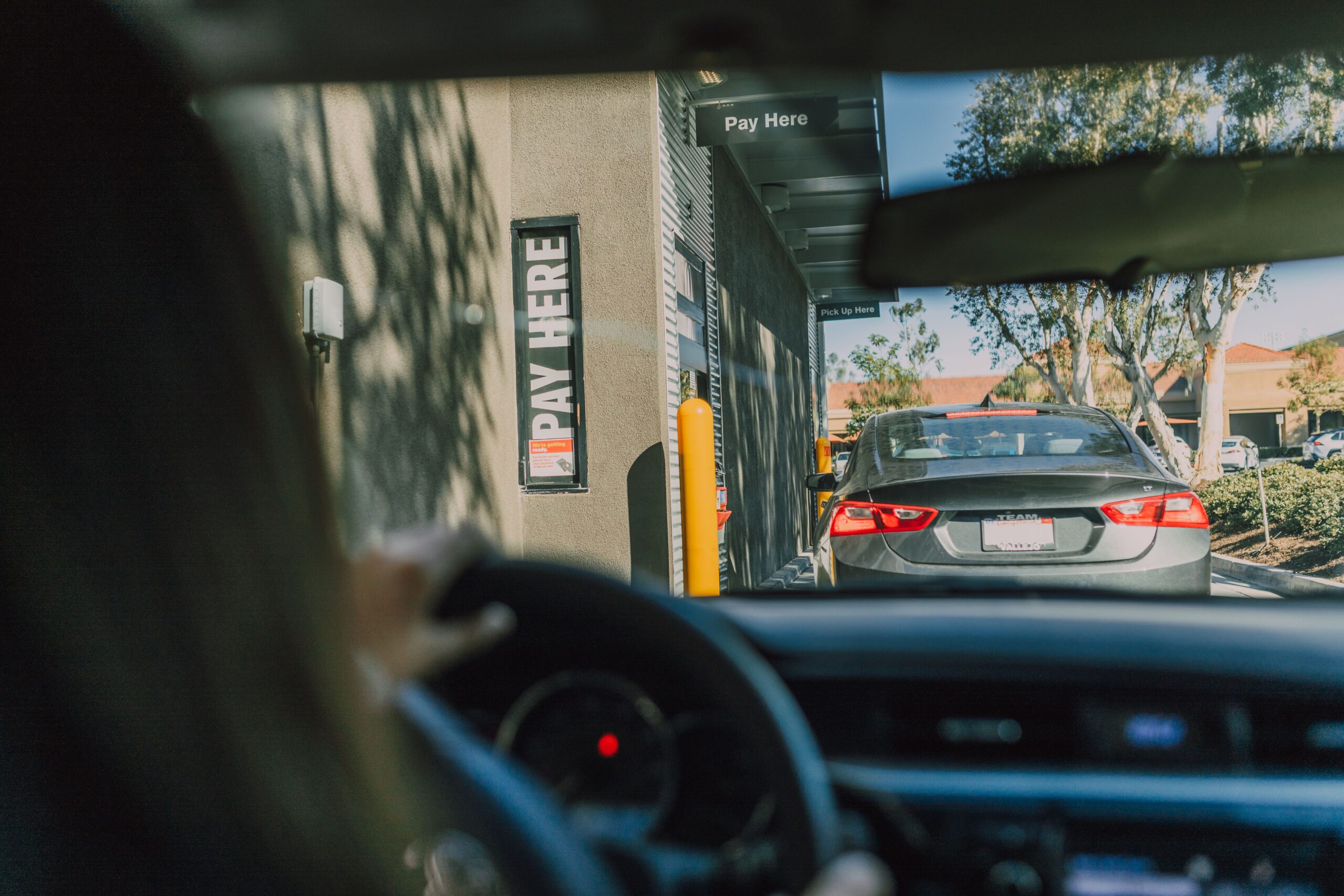
The lane itself has etiquette. At busy Tim Hortons locations, drivers generally follow the order of arrival and avoid trying to edge ahead, even in parking lots where the line curves awkwardly or merges near the speaker.
This matters most at locations with dual approach lanes or tight spaces near the building. The drive-thru is not only about speed, it is also about predictability, and everyone behind the wheel depends on other drivers behaving in a way that feels fair and easy to read.
Regulars also tend to leave enough space for the car ahead to move without blocking cross traffic or parking spots. It is a small courtesy, but at a crowded restaurant it can prevent the kind of bottleneck that spills into the rest of the lot.
Pull ahead when staff ask you to
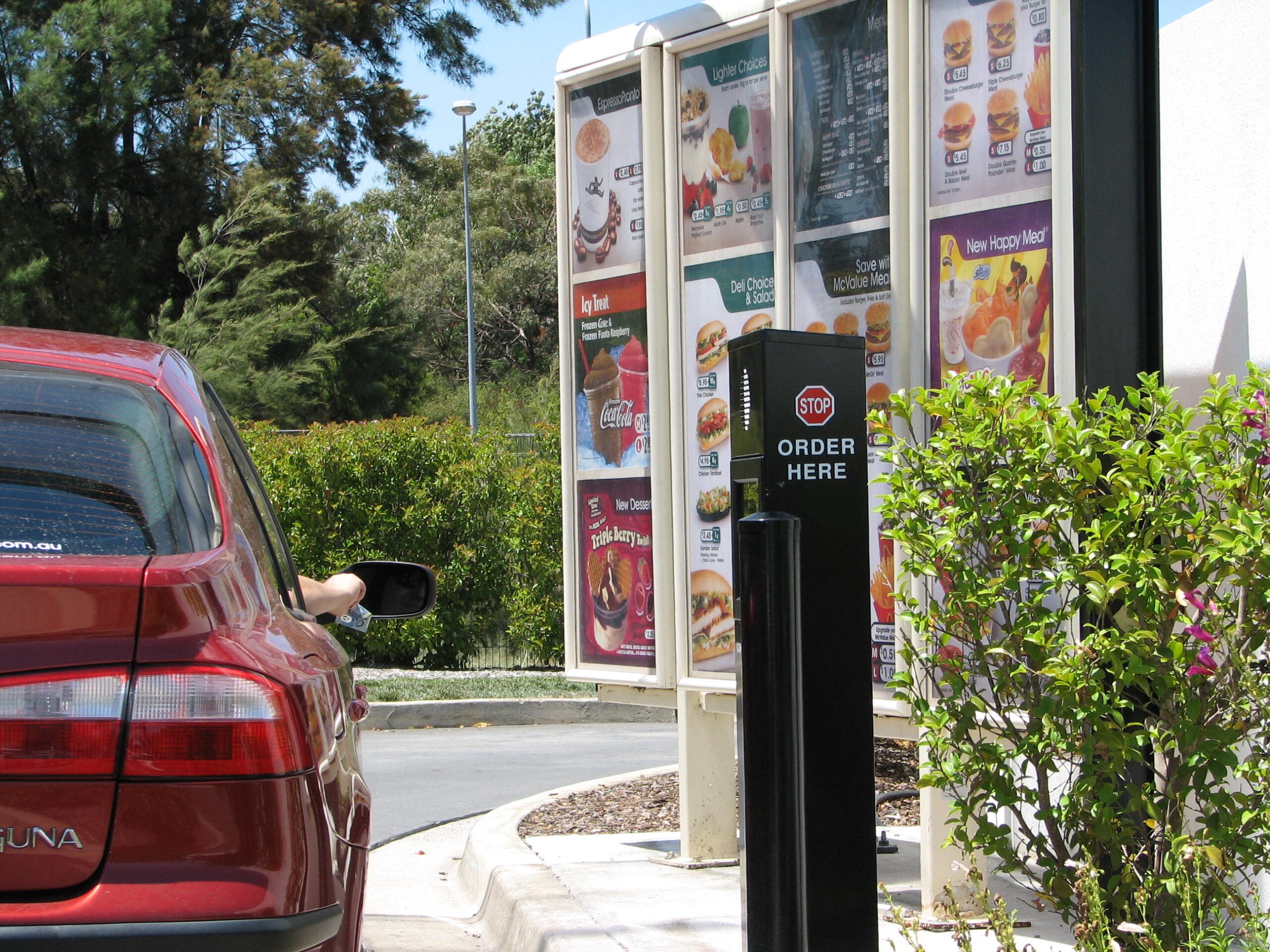
Sometimes the fastest way to keep a line moving is to move one car out of it. If a food item needs another minute, Tim Hortons staff may ask a customer to pull into a waiting spot so the next cars can receive simpler orders and leave.
Most regulars understand that this is not a slight, it is flow control. A brewed coffee and a box of Timbits can be handed out quickly, while a hot breakfast item or a larger food order may need a short extra wait.
The unwritten rule is simple: pull ahead promptly, stay alert and wait where directed. That keeps the lane clear and helps staff bring out the delayed order without confusion or extra honking from the queue behind.
Save the window check for essentials
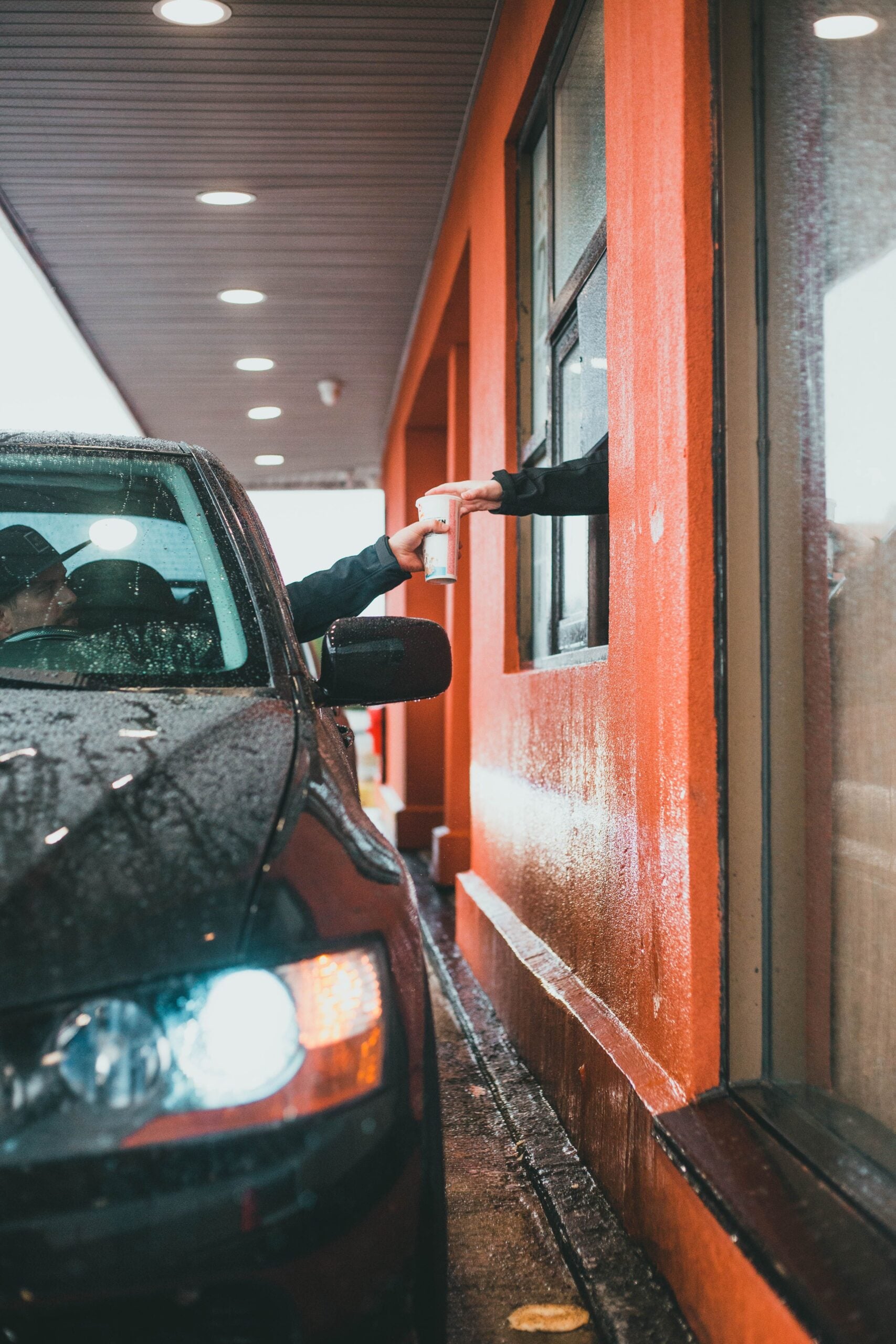
The final rule is about balance. It is perfectly reasonable to make sure you received the basics you paid for, especially if your order includes several items, but the drive-thru window is not the ideal place for a full unpacking session.
Regular customers often do a quick check for missing drinks, obvious food errors or the right count of items, then move forward before sorting napkins, straws or toppings in detail. If something is wrong, they can still address it without holding every car behind them in place.
That habit captures the broader Tim Hortons drive-thru code. Be prepared, be clear and be considerate. No sign has to say it, because in Canada's most familiar coffee line, most people already know.


Leave a Reply