
Sugar talk is louder than ever, yet much of it is still incomplete. In 2026, the real story is not that sugar is harmless or evil, but that the details most people need are often left out.
Sugar is not one single metabolic story

The first thing often missed is that "sugar" is a label, not a single biological event. Glucose, fructose, lactose, and sucrose do not move through the body in exactly the same way, even if they all count as sugars on a label. That difference matters when people are trying to understand energy, cravings, and disease risk.
Glucose can be used broadly by body tissues, while fructose is handled mainly by the liver. In very high amounts, especially from sweetened drinks and ultra-processed foods, fructose places a bigger burden on liver metabolism. Researchers have linked this pattern to fatty liver risk, elevated triglycerides, and poorer insulin regulation in susceptible groups.
That does not mean fruit belongs in the same category as soda. Fruit comes packaged with water, fiber, polyphenols, and a structure that slows eating and changes absorption. Many nutrition messages flatten these distinctions, leaving people afraid of blueberries while still underestimating the metabolic punch of liquid sugar.
The food matrix matters more than many sugar rules admit
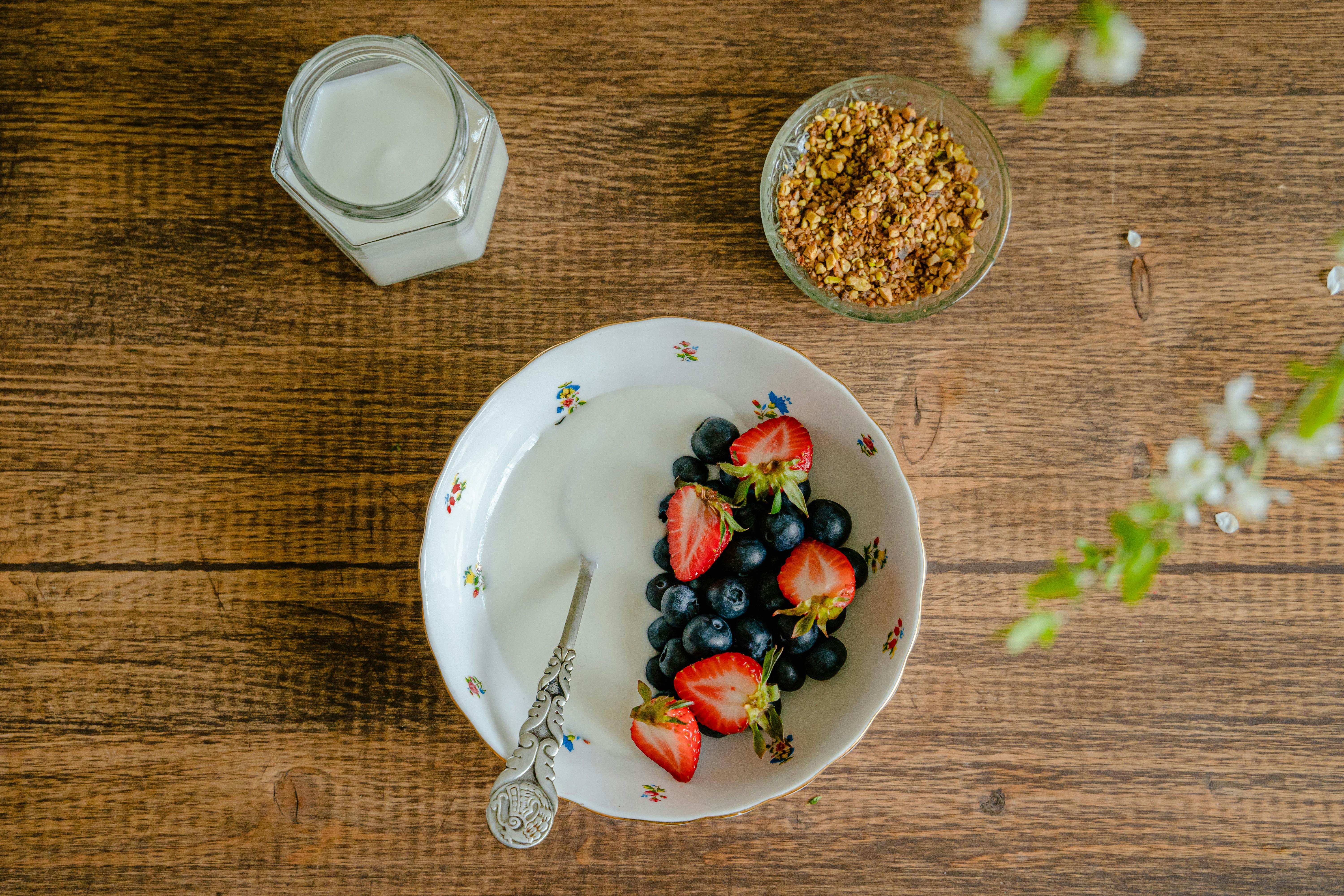
A useful truth nutrition experts sometimes underplay is that the body responds to whole foods, not isolated nutrients in a vacuum. Ten grams of sugar in plain yogurt with protein is not experienced the same way as ten grams in candy. The surrounding food matrix changes digestion speed, fullness, and blood sugar response.
Fiber is especially important here. When sugar arrives with intact plant cell walls, as it does in fruit, digestion is slower and satiety is stronger. By contrast, refined foods engineered to dissolve quickly can create a sharper rise and fall in blood glucose, which many people experience as renewed hunger a short time later.
This is one reason heavily sweetened breakfast cereals, coffee drinks, and snack bars can feel strangely unsatisfying. They may fit a calorie budget, yet still push repeat eating. In 2026, the stronger public health message should be less about fearing every gram of sugar and more about recognizing which forms train the appetite to ask for more.
Liquid sugar still slips past the brain's appetite controls

Here is the uncomfortable point: people tend not to compensate well for calories they drink. A sweet beverage can add substantial energy without producing the same fullness as chewing whole food. That basic mismatch remains one of the strongest reasons sugary drinks are consistently tied to weight gain and metabolic trouble.
Large cohort studies and policy reviews over the past several years have kept reinforcing this pattern. Soda, sweet teas, energy drinks, flavored coffees, and even many "healthy" smoothies can deliver fast sugar loads that disappear from the stomach quickly. Because they are easy to consume and poorly matched by later calorie reduction, they quietly raise daily intake.
Even fruit juice deserves a more careful conversation than it usually gets. Although it contains vitamins and plant compounds, juicing strips away much of the fiber that slows intake and improves satiety. Drinking three oranges in a minute is simply not the same physiological event as eating three whole oranges.
Sugar cravings are often designed, not just personal weakness

Many people are told they need better discipline, when in reality modern food is built to be hard to resist. Food companies use combinations of sugar, salt, fat, flavor chemistry, and texture to maximize reward and repeat purchase. The issue is not only sweetness itself, but how sweetness is engineered into highly palatable products.
This helps explain why some foods seem to disappear once opened. A frosted cereal, filled cookie, or dessert yogurt is formulated for rapid pleasure, low chewing effort, and sensory consistency. That combination can override normal satiety cues, especially during stress, sleep loss, or distracted eating.
There is also a behavioral layer that standard sugar advice often skips. Habits form around timing, emotion, and environment, not just taste. An afternoon vending machine run or nightly ice cream ritual can become neurologically efficient, which is why changing sugar intake often works better when routines and triggers are redesigned, not merely judged.
"No added sugar" can still mislead consumers
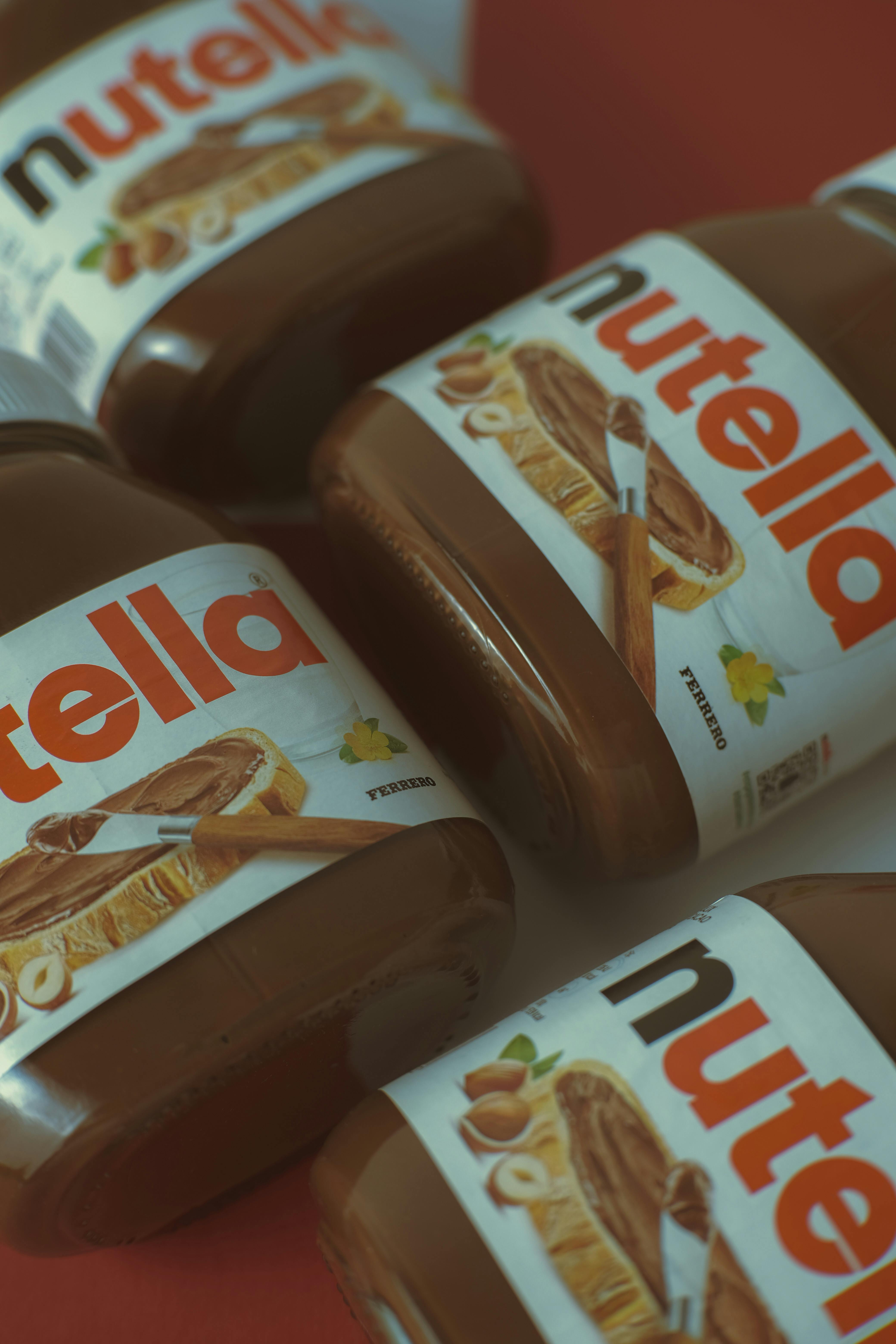
One of the least discussed realities in 2026 is that health halos have become more sophisticated. Packages now lean on terms like "no added sugar," "naturally sweetened," or "fruit-based" to suggest a product is metabolically gentle. In many cases, that impression is far kinder than the nutrition profile deserves.
A bar sweetened with concentrated date paste, apple juice concentrate, or tapioca syrup may avoid table sugar while still delivering a dense, fast-absorbing sugar load. Consumers often read these labels as cleaner and safer, then eat larger portions. The result can be the same excess intake, just wrapped in better branding.
This is where label literacy matters. Looking only at front-of-pack claims misses the bigger picture of total sugar, fiber, protein, portion size, and ingredient order. A product with 18 g sugar and 1 g fiber does not become nutritionally impressive just because the sweetness came from a source that sounds rustic.
The healthiest sugar strategy is not total avoidance
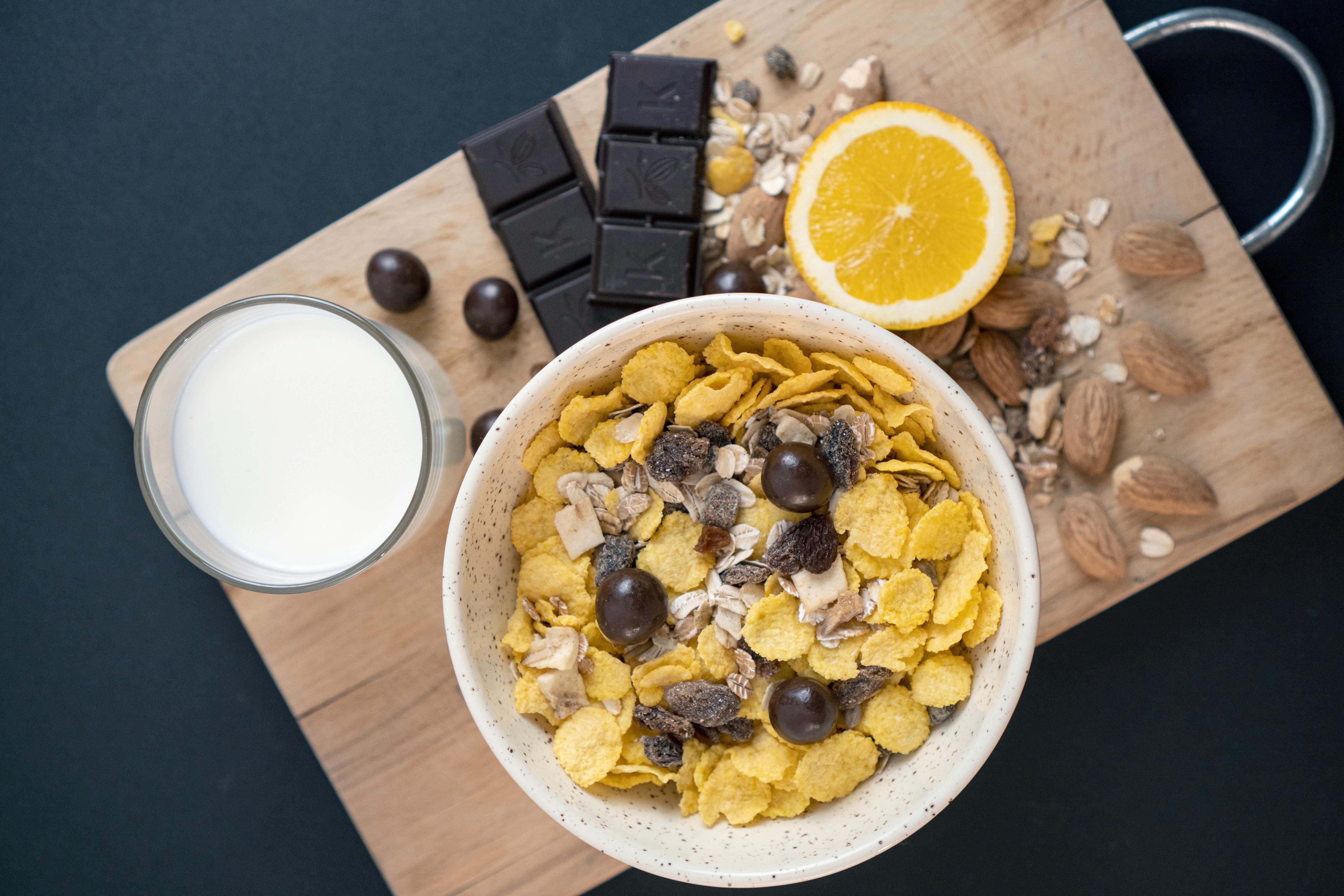
The final point nutritionists sometimes fail to emphasize is that extreme restriction can backfire. For many people, rigid "never eat sugar" rules increase preoccupation, guilt, and rebound overeating. A more durable strategy is to reduce the forms of sugar that cause the most harm while keeping eating patterns realistic and satisfying.
That usually means prioritizing whole fruit, unsweetened staples, protein-rich meals, and high-fiber carbohydrates, while treating sugary drinks and ultra-processed sweets as occasional rather than routine. It also means paying attention to sleep, stress, and meal timing, since all three can intensify desire for quick sugar. Good nutrition is easier when biology is working with you.
The most honest message about sugar in 2026 is simple: context decides the outcome. Sugar inside a whole-food diet behaves differently from sugar delivered constantly through beverages and hyper-palatable snacks. Once people understand that distinction, they can make smarter choices without fear, confusion, or nutrition theater.




Leave a Reply