
Bagged milk can look like a national Canadian quirk, but the real story is more regional and more practical. Its rise had a lot to do with metric packaging changes in the 1970s, and its staying power comes down to habit, price perception and the way families buy milk.
The metric switch helped bagged milk take off
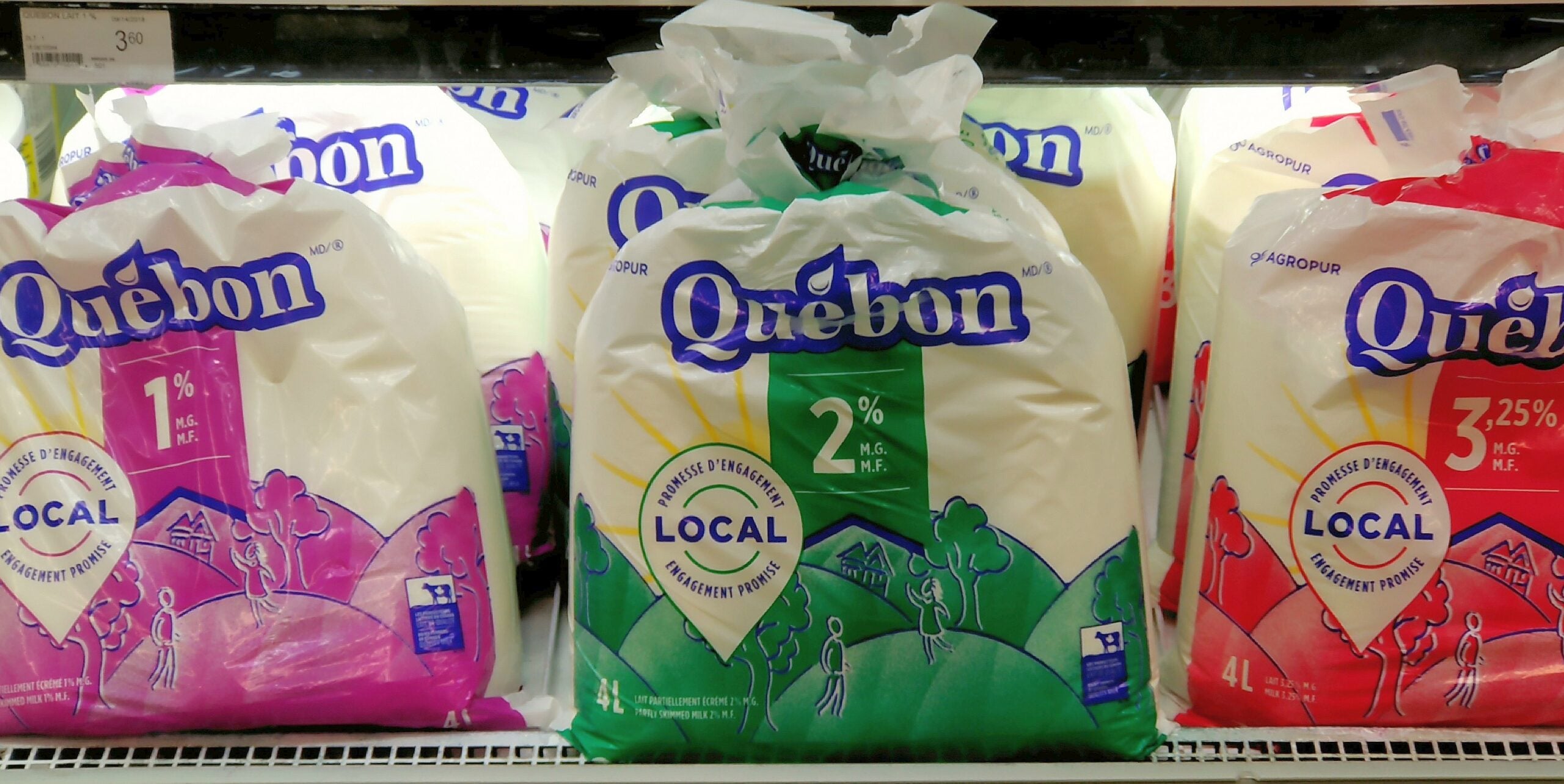
One big reason bagged milk spread in Canada was timing. When Canada began metrication in the 1970s, dairies had to adjust from imperial sizes to metric volumes. Reworking packaging lines was part of that shift.
Flexible plastic bags fit neatly into that transition. Instead of relying only on rigid glass or plastic jugs, processors could package milk in larger multi bag formats that matched new metric measurements for household use. In practice, many shoppers came to know the standard format as three smaller bags sold together, adding up to 4 liters.
That did not mean every province embraced the idea equally. But in Central Canada, especially Ontario, the new format became part of everyday grocery shopping and stayed there long after the metric change itself stopped feeling new.
The familiar 4 liter trio became a household standard
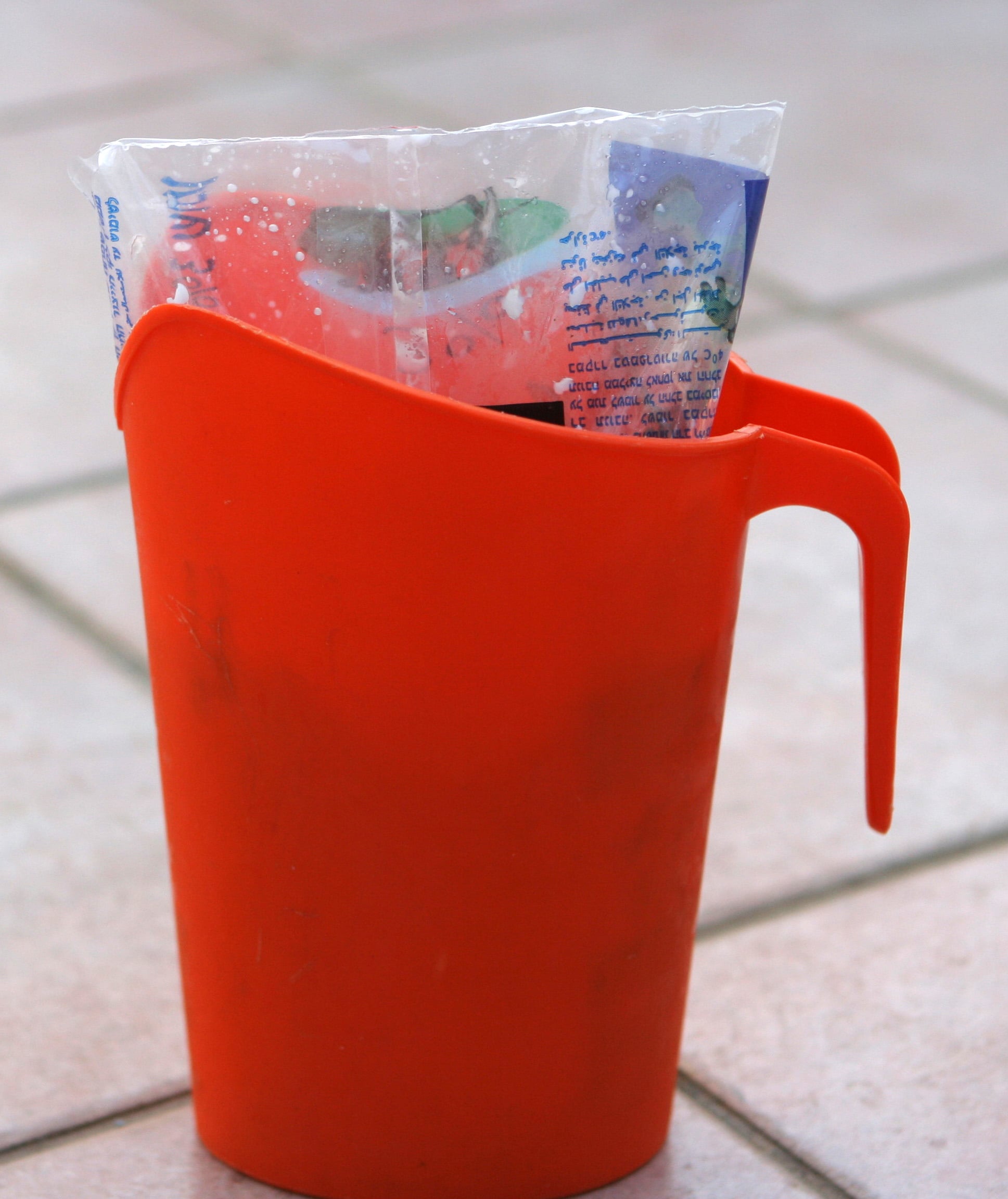
The image most people associate with Canadian bagged milk is simple: a larger outer bag holding three inner pouches. Each inner bag is placed into a reusable pitcher, and one corner is snipped off for pouring.
That system is most commonly linked with 4 liters of milk sold as three bags. It works well for households that go through milk steadily, because only one inner pouch is open at a time while the others remain sealed. Supporters often say that helps keep the milk fresher in day to day use.
The format also became normal through repetition. If you grew up in a home where milk lived in a pitcher in the fridge, the setup feels efficient rather than odd. For many shoppers, bagged milk is less a novelty than a routine.
Bagged milk is common in some provinces, not all
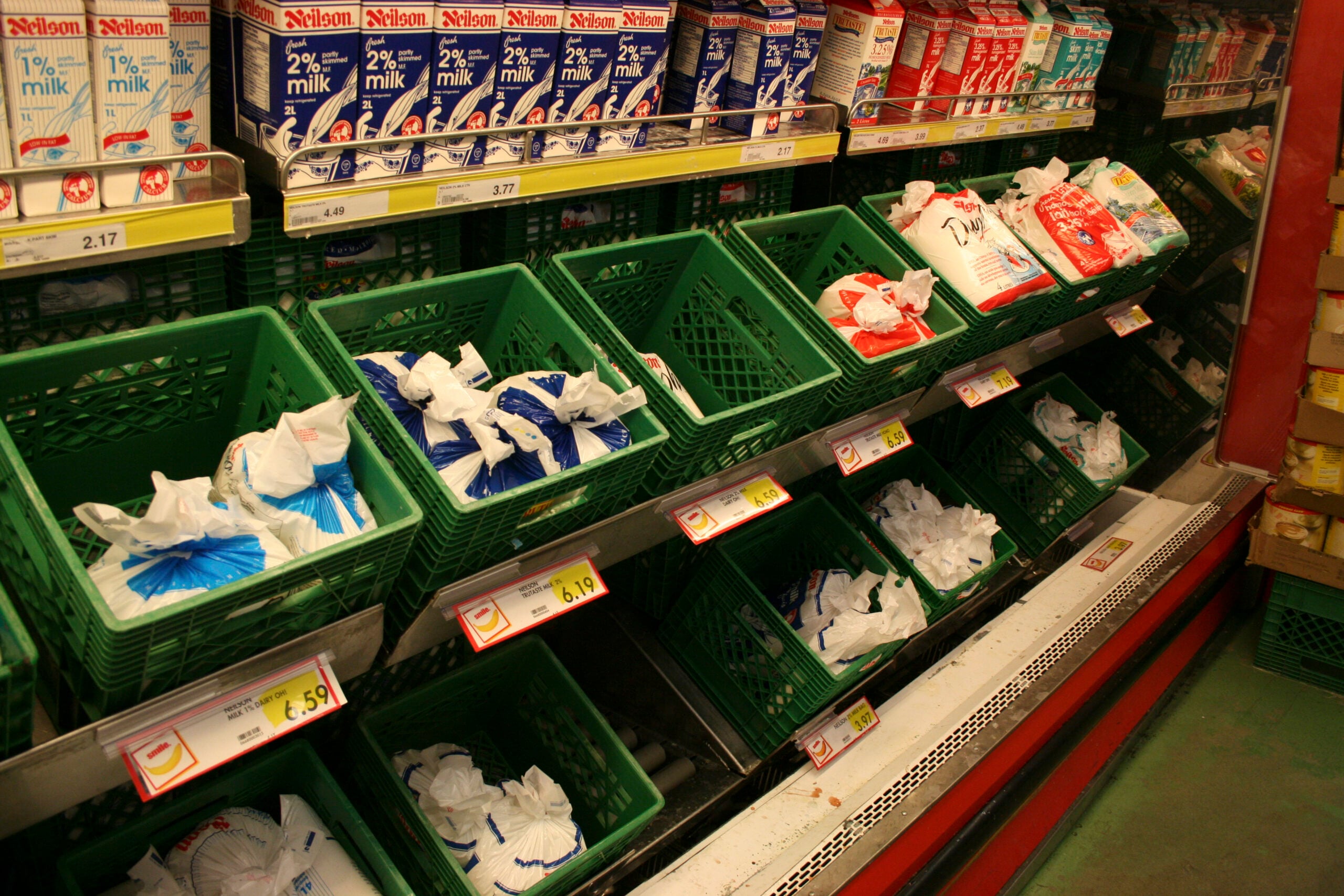
A lot of non Canadians assume bagged milk is sold the same way across the whole country. It is not. Its strongest foothold has long been in Ontario, and it has also been common in Quebec and the Maritime provinces.
Elsewhere, jugs and cartons are more typical. Western provinces are often cited as places where bagged milk is much less common, which helps explain why even many Canadians see it as a regional habit rather than a truly national one.
That regional split matters because it shapes the debate around the package itself. In places where bagged milk is standard, the pitcher and pouch setup can feel perfectly ordinary. In places where it never caught on, it often looks inconvenient before anyone even tries it.
Supporters like the storage and waste tradeoff
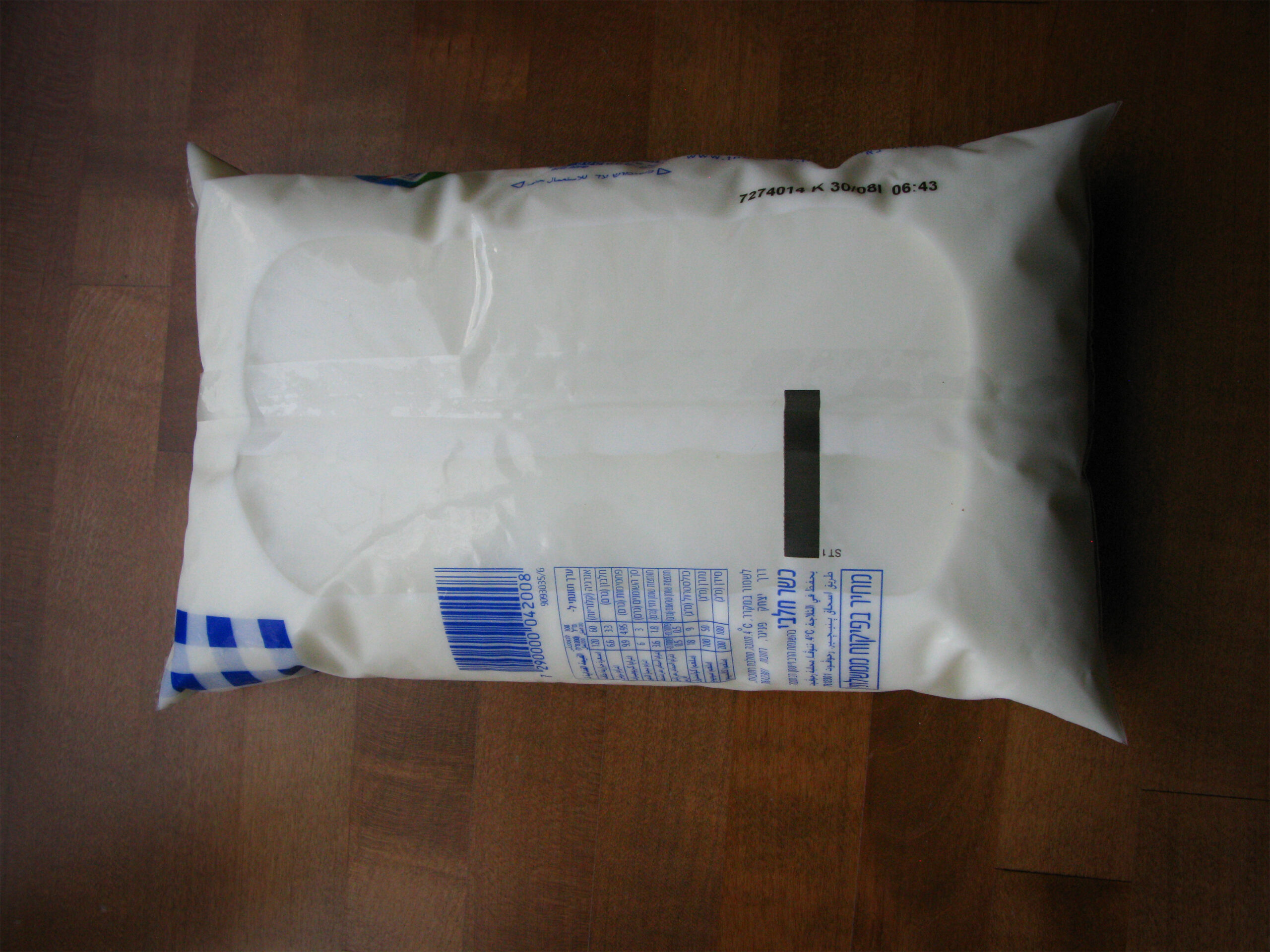
For fans, bagged milk has a practical logic. The sealed inner pouches can take up fridge space in flexible ways, and the reusable pitcher means part of the container stays in use rather than being discarded every time milk is finished.
Some shoppers also like the way the format spreads the supply across three pouches. If one bag is opened, the other two stay closed until needed. In a busy household, that can feel tidier than handling one large container from start to finish.
There is also the long memory of how people learned to buy milk. Packaging habits can become cultural habits. What seems awkward to one shopper can seem economical and efficient to another simply because it matches years of routine.
Critics point to spills, cutting and flimsy handling

The complaints are easy to understand once you use bagged milk yourself. You need a pitcher. You need scissors. You need to cut the corner cleanly, because too large a cut can make pouring messy.
For some people, that extra setup is the whole problem. A jug can be opened and poured immediately, while a milk bag asks for one more step before breakfast or coffee. If the bag slips in the pitcher or the cut corner folds awkwardly, spills become part of the experience.
There is also a perception issue. Even when the bag works exactly as intended, some shoppers simply prefer the sturdiness of a carton or jug. Rigid containers feel easier to grip, reseal and carry, especially for smaller households.
Today it survives because habits are hard to replace

Bagged milk has lasted in Canada not because it conquered the whole country, but because it stayed useful in places where people built routines around it. Grocery formats often persist when stores, dairies and customers all keep expecting the same thing.
That is why bagged milk can be both ordinary and controversial at once. In one kitchen it is the default way to buy 4 liters. In another, it is an awkward object that seems to solve a problem nobody has.
The story behind it is less about novelty than inertia, infrastructure and local preference. Canada did not choose one single milk identity. It kept several, and the milk bag remains one of the most recognizable.




Leave a Reply