
The burger that ruled the algorithm may be losing its edge. A thicker, taller style is suddenly becoming the one people want to photograph, post, and order.
Why the smashburger became the internet's favorite
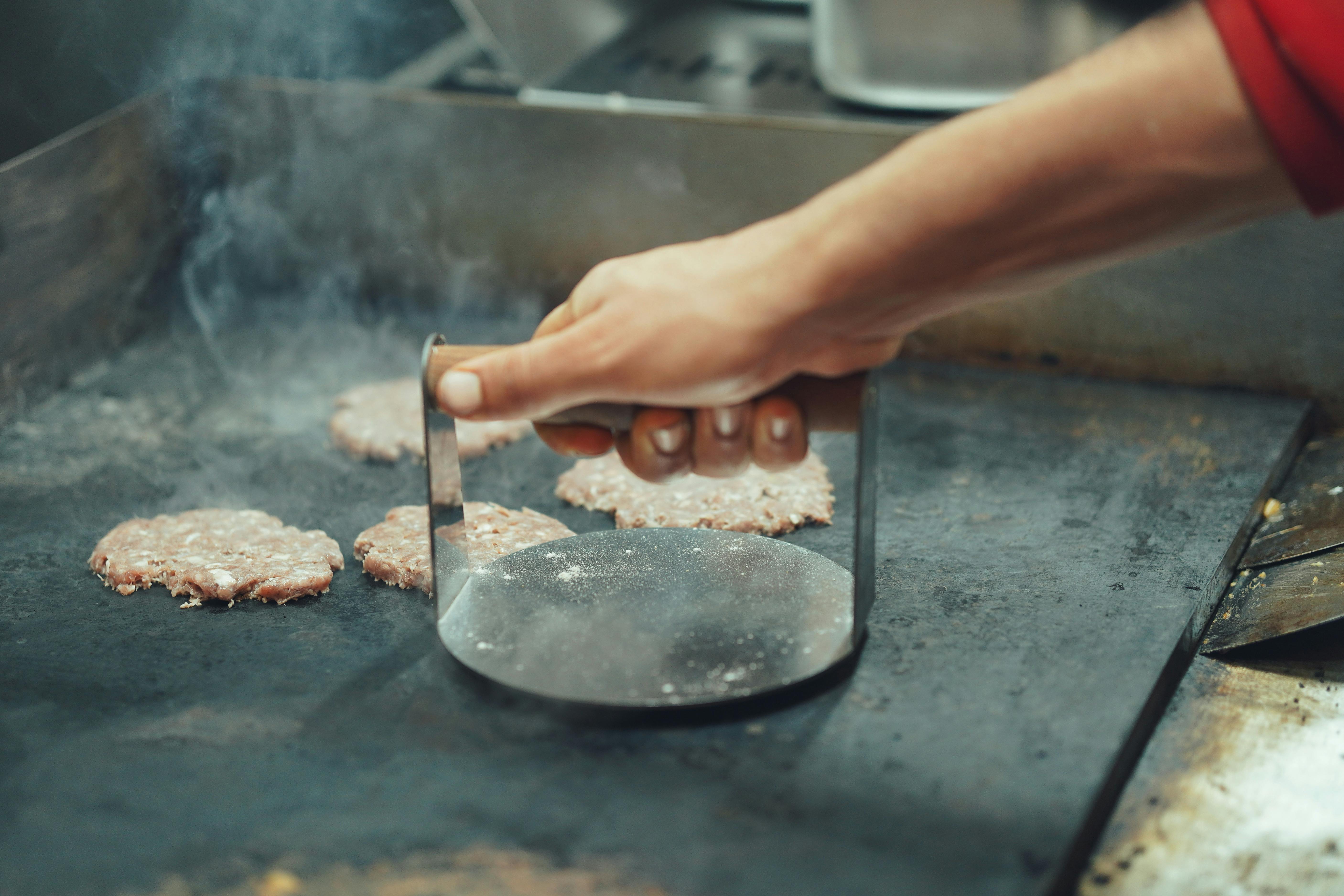
At first, the smashburger felt like the perfect food for the social media age. It delivered instant visual payoff: crisp edges, melted cheese, glossy buns, and a dramatic griddle sizzle that translated beautifully on short-form video. Restaurants loved it because the process was fast, repeatable, and easy to showcase from raw beef ball to finished stack in under a minute.
Its appeal was also culinary. Smashing a loosely packed beef ball onto a hot flat-top maximizes surface contact, creating deep browning through the Maillard reaction. That means more savory flavor in a short cook time. For diners, the result was thin patties with crackly edges and rich crust, often doubled up for heft without requiring a single thick interior.
The economics helped turn a trend into a movement. Thin patties cook quickly, need less training to execute consistently, and fit neatly into compact menus built for takeout and delivery. During the past several years, especially as delivery apps and social platforms reshaped restaurant marketing, the smashburger became both a product and a piece of content.
What this new thicker burger looks like
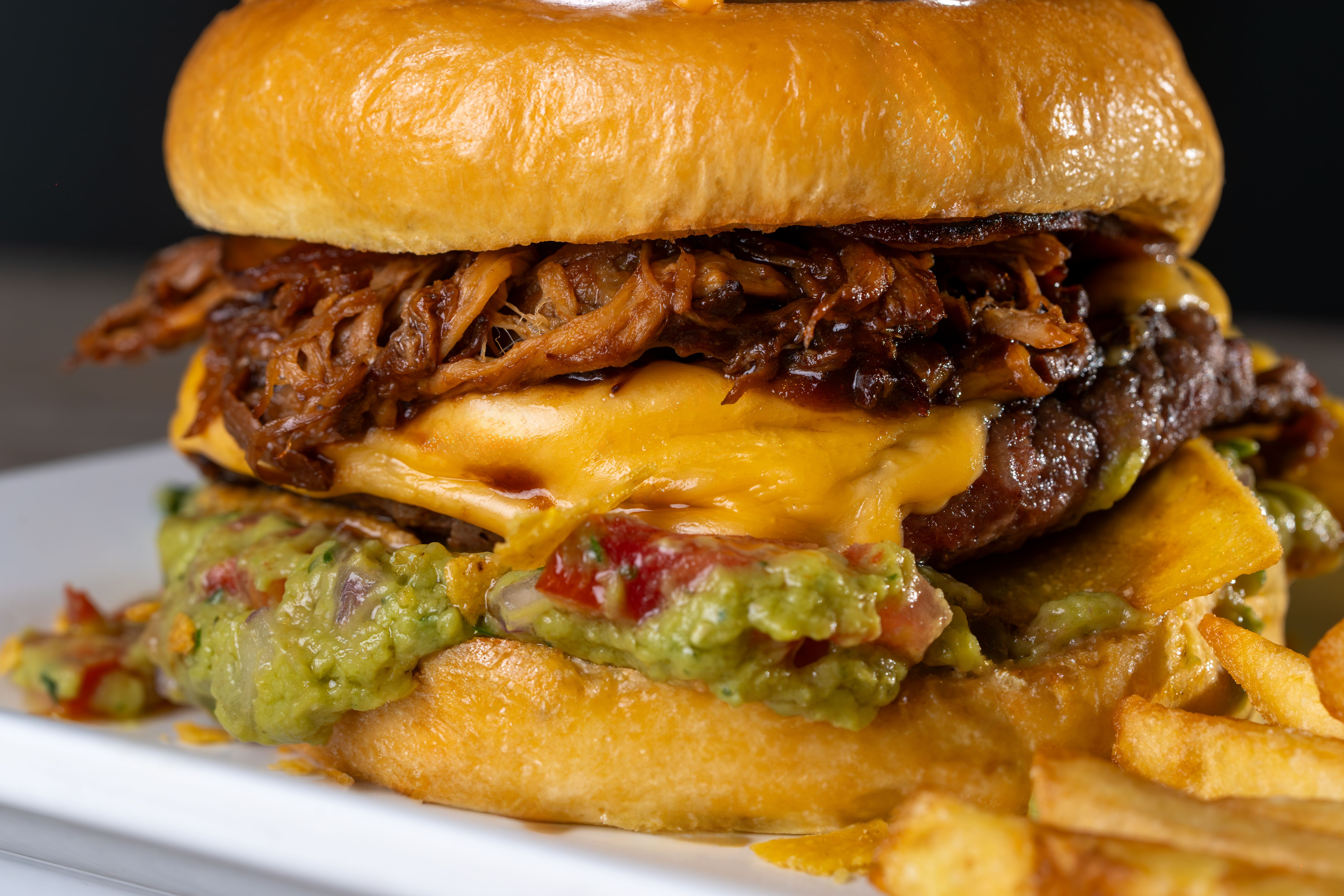
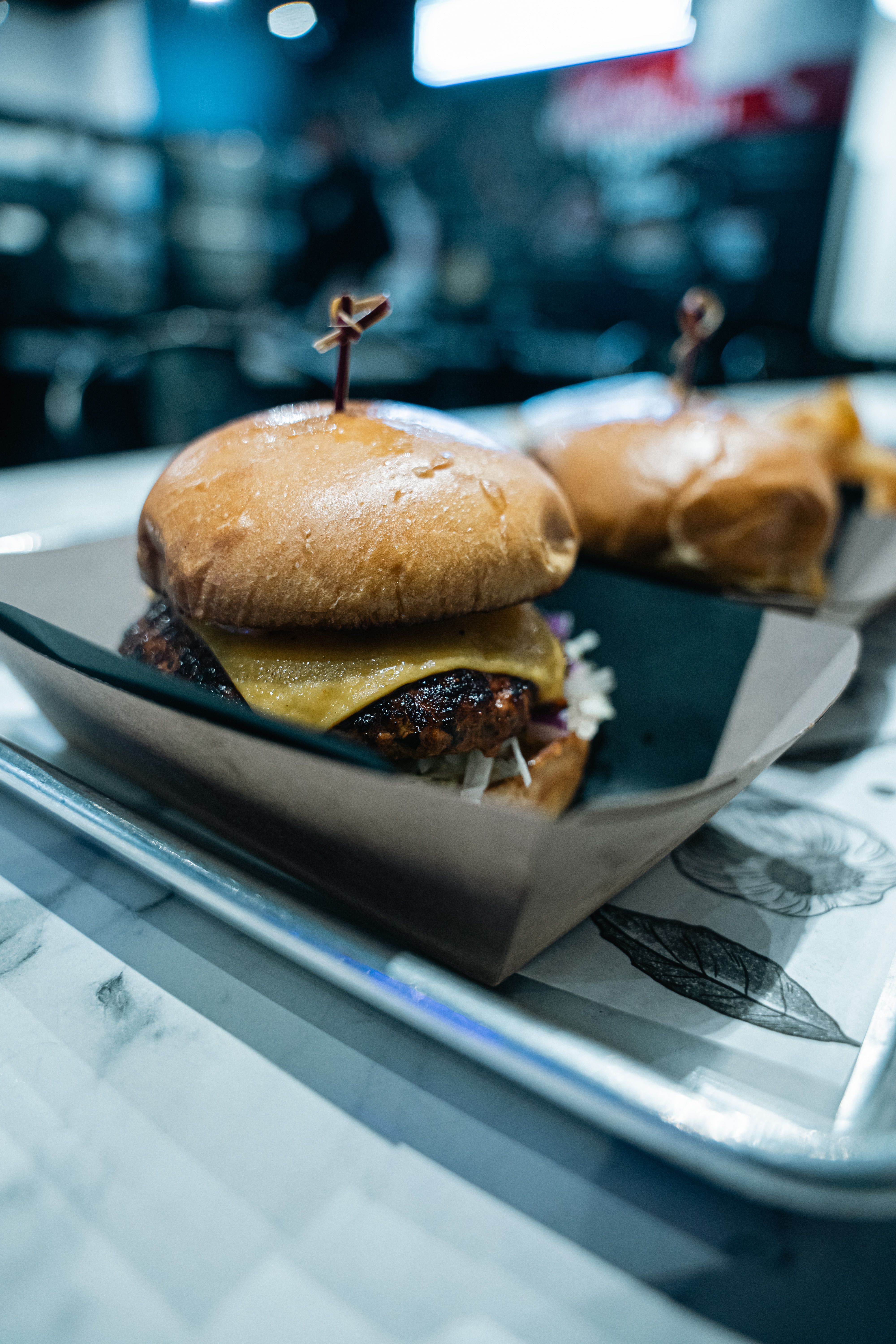
Now the visual center of gravity is shifting. The burger rising on feeds is thicker, often medium-thick to steakhouse-thick, with a visibly juicy interior and a taller build that signals indulgence before the first bite. Instead of lacy, wafer-thin edges, the camera lingers on a plump patty, sometimes dry-aged, sometimes flame-grilled, with juices running into the bun.
This is not simply a return to the old pub burger. The new version is more deliberate and style-conscious. Many chefs are combining butcher-shop cues with modern presentation: potato buns, house pickles, premium American cheese, onions cooked in beef fat, and patties that look substantial without becoming unwieldy.
Its social advantage is obvious. Height, cross-sections, and visible juiciness read well on camera. When creators slice into a thicker burger, viewers can see a gradient from browned crust to rosy center, or at least a soft, moist interior. That adds drama in a way a fully cooked thin patty often cannot.
Why diners may be ready for a change
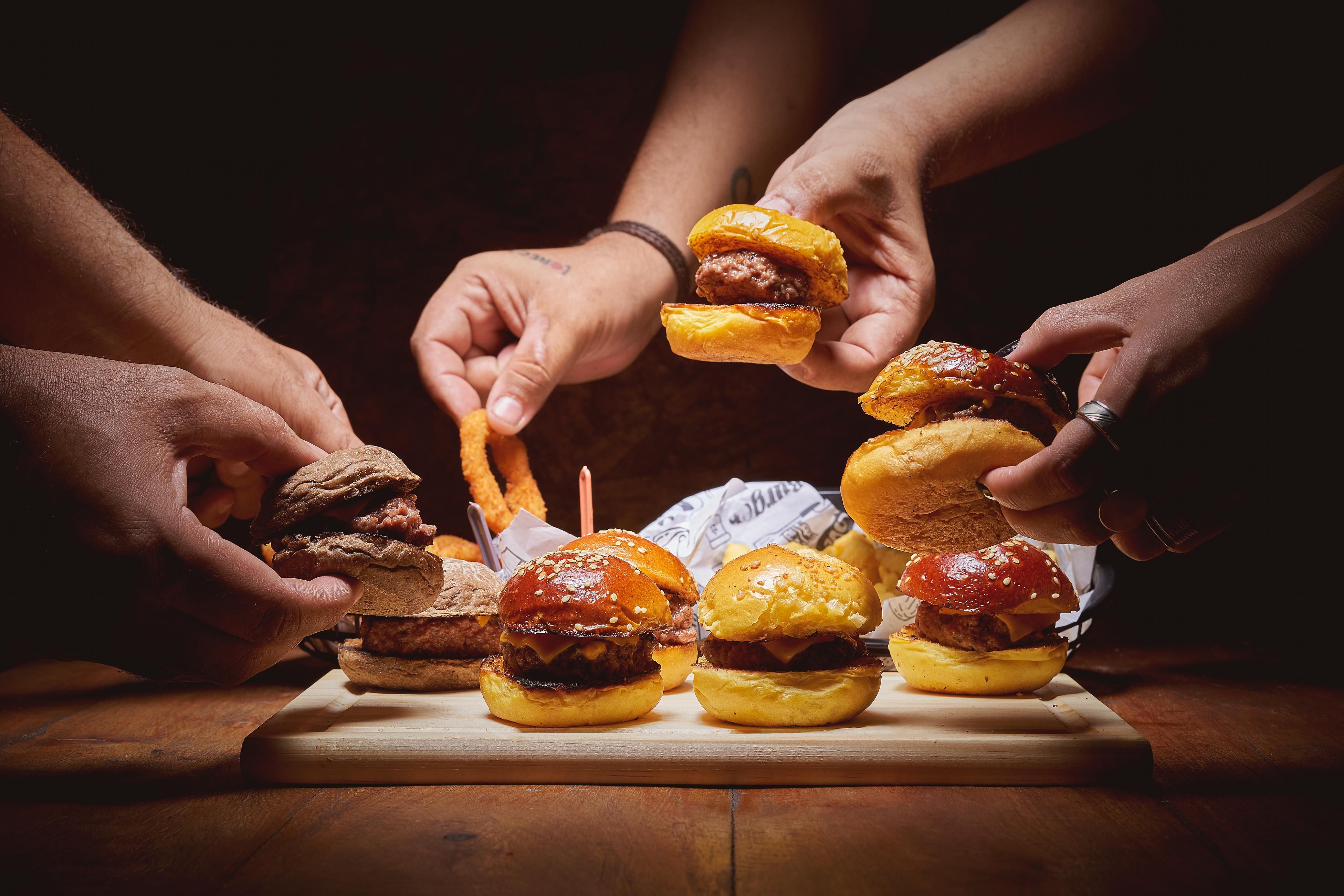
Trends in food rarely disappear because they fail. More often, they peak through overexposure. The smashburger's success inspired countless copies, from independent pop-ups to national chains, and the result has been a crowded market where many versions look and taste similar. Once every menu has two thin patties, grilled onions, pickles, and sauce, novelty starts to fade.
There is also a satisfaction factor. A thicker burger can feel more substantial and less fragile, especially for diners who want beefiness rather than pure crust. Some consumers never stopped preferring a juicier center and a meatier bite, even while smashburgers dominated online conversation.
Restaurant operators are paying attention to that fatigue. In many cities, chefs are looking for ways to stand apart without abandoning burgers altogether. A thicker patty offers a clear point of difference. It signals craftsmanship, ingredient quality, and a slightly more premium experience, all valuable in a competitive dining market.
The chefs and restaurants driving the shift

This change is being pushed from both ends of the industry. Upscale burger specialists have long argued that beef blend, grind size, and doneness deserve as much attention as crust. Their influence is now filtering into casual dining, where thicker burgers are presented as chef-built rather than mass-trend imitations.
Some restaurants are using specialty beef blends with brisket, chuck, and short rib to create a richer flavor profile that benefits from extra thickness. Others are leaning on live-fire cooking, which gives a thicker patty smoky depth and a restaurant aroma that flat-top smashburgers do not always deliver in the same way.
Even major chains are experimenting with heft, premium toppings, and more dramatic burger builds because customers increasingly associate visible abundance with value. On social platforms, creators amplify that message. A burger that towers, stretches with melted cheese, and drips onto the wrapper is easier to turn into a compelling post than one that looks neat and familiar.
What the thicker-burger boom says about food culture
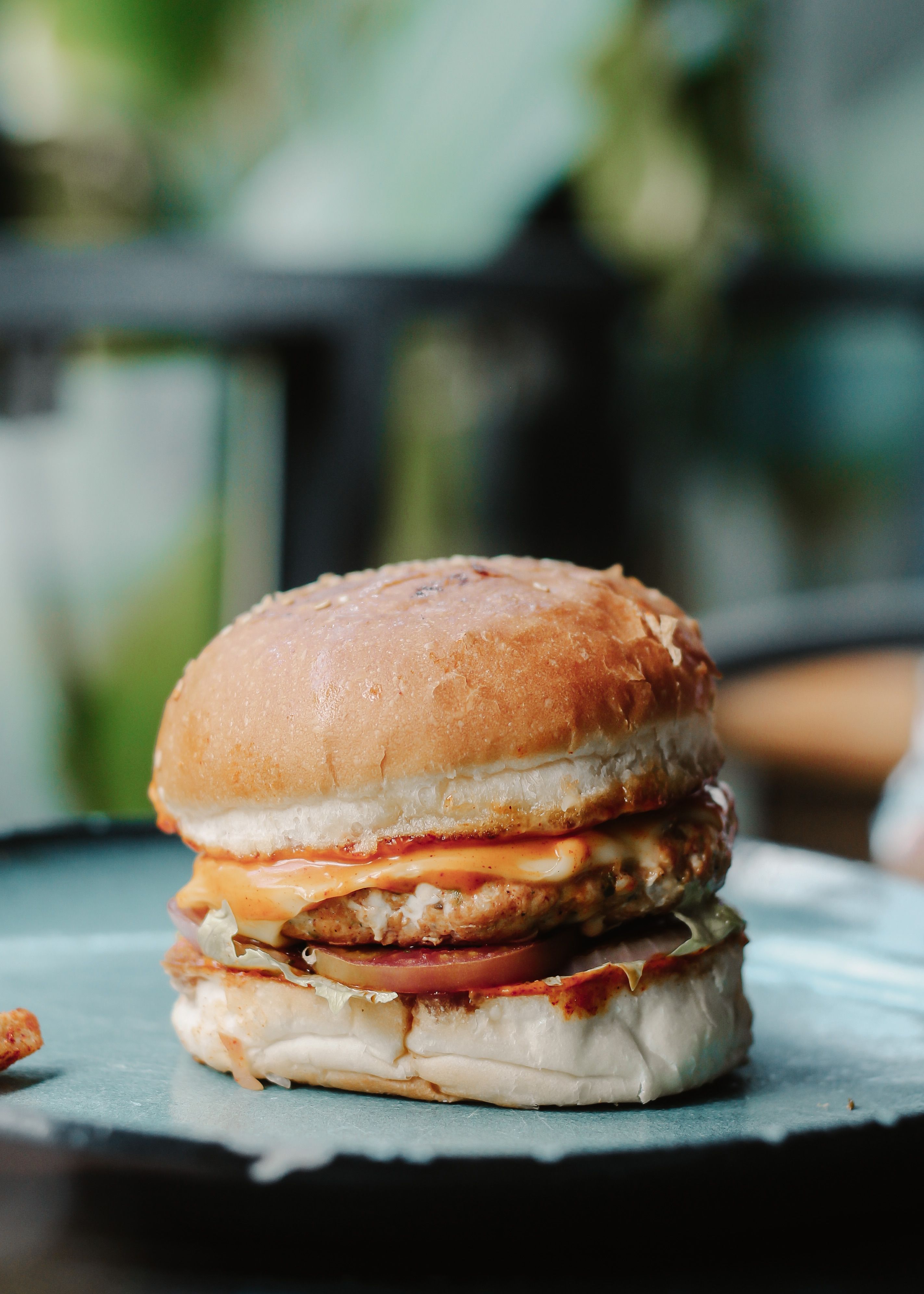
Every food trend reveals something about the moment that produced it. The smashburger matched an era obsessed with speed, repetition, and satisfying process videos. The thicker burger fits a mood that is more focused on abundance, texture, and the promise of a fuller experience, especially as diners become more selective about where they spend money.
There is also a broader aesthetic shift underway. Across food media, people are responding to dishes that look handcrafted, substantial, and slightly messy rather than optimized only for efficiency. In that context, a thicker burger feels less like assembly and more like a statement.
That does not mean diners suddenly care less about flavor science or crave fewer crispy edges. It means visual storytelling has changed. People still want browning, cheese melt, and a soft bun. They just also want a burger that feels generous, restaurant-worthy, and distinct from the flood of lookalike smashburgers that dominated the past few years.
Will the smashburger disappear or simply share the stage?
The likely outcome is not extinction but coexistence. Smashburgers still offer speed, affordability, and a uniquely crisp texture that many people genuinely prefer. They remain ideal for high-volume operations and craveable weeknight meals. For plenty of burger fans, no thick patty will replace that thin, caramelized edge.
Still, food culture moves in cycles, and attention is already drifting toward burgers with more height and more visible juiciness. Menus follow desire, and social feeds magnify it. If the thicker burger keeps gaining traction, expect more restaurants to add one as a flagship item, even if they keep smashburgers on the board.
In other words, the smashburger may not be ending so much as losing its monopoly on burger cool. The next phase is about contrast. Diners will choose between crisp and juicy, flat and tall, fast nostalgia and premium theater. Right now, the thicker burger has the momentum and the camera loves it.



Leave a Reply