The grocery store bakery used to be a place of low expectations. Now, in many stores, cupcakes and muffins are earning a second look for very practical reasons.
Better ingredients are changing first impressions
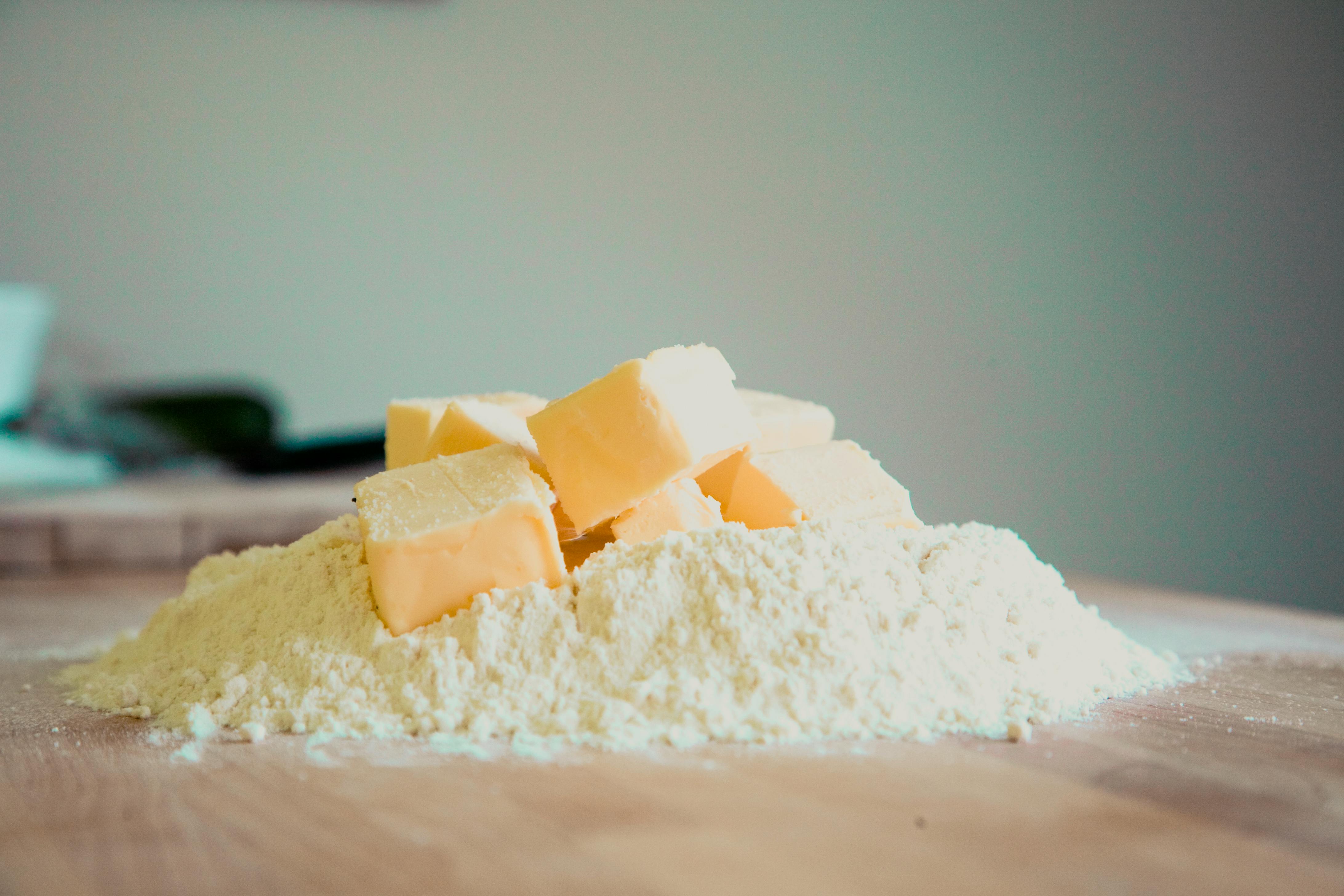
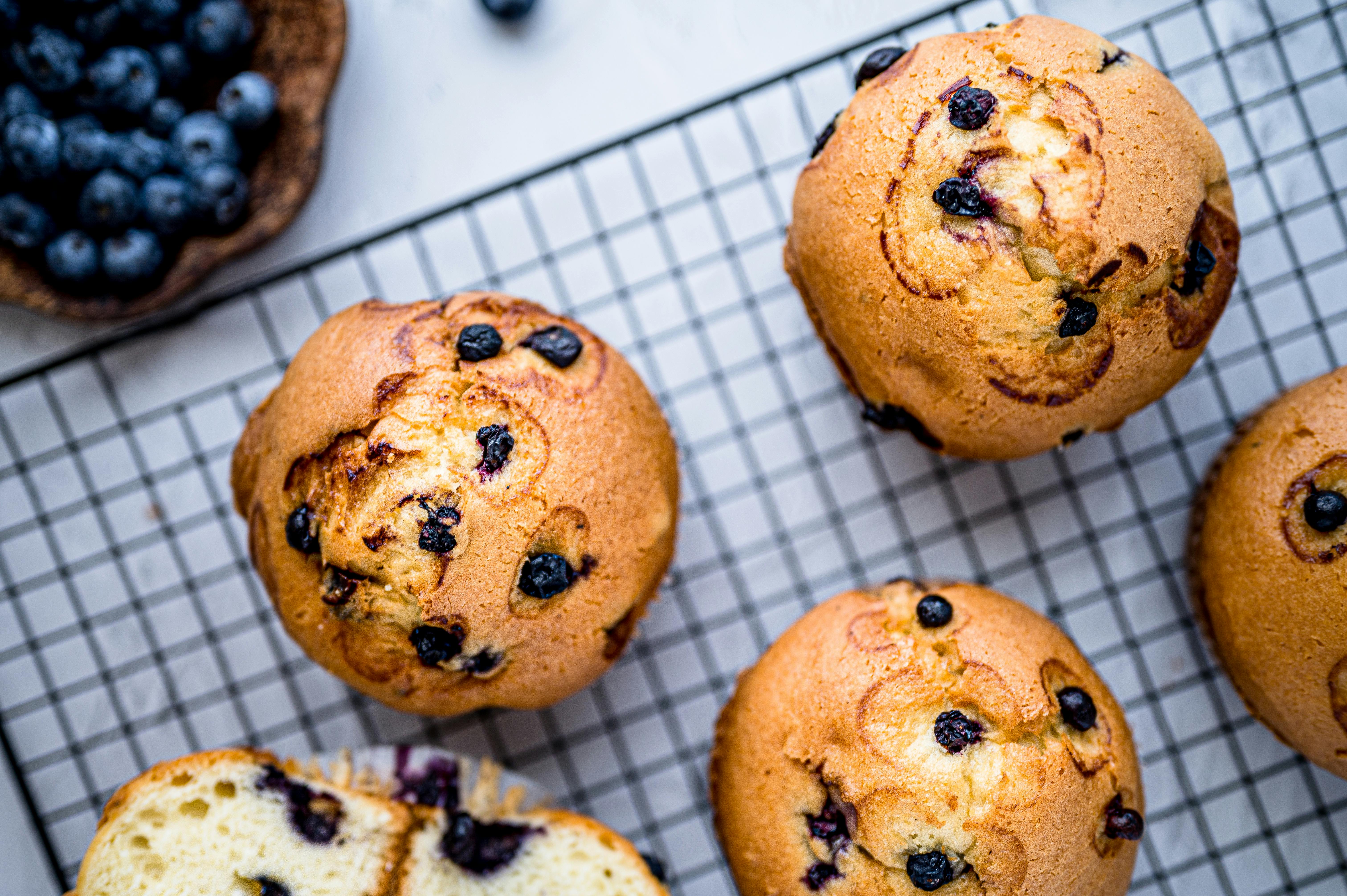
The fastest way to improve a cupcake or muffin is to stop treating ingredients like background details. Across supermarket bakery departments and large packaged-bakery brands, many producers have upgraded the basics first: better flour blends, real butter in at least part of the fat system, higher-quality cocoa, more recognizable vanilla, and fruit inclusions that taste like fruit instead of candy. These choices sound small, but they shape the very first bite. A muffin with visible blueberries and a tender crumb signals quality before flavor fully registers.
One major improvement is the pullback from the overly engineered sweetness that dominated commercial baked goods for years. Shoppers have become more sensitive to products that taste flat, greasy, or aggressively sugary. In response, bakers are using salt more intelligently, balancing sweetness with acidity, and leaning on brown sugar, cultured dairy, citrus zest, and spices to build dimension. A lemon poppy seed muffin with real lemon oil or zest tastes brighter and cleaner than one built mainly on sugar and flavoring. That contrast is easy for consumers to notice.
Ingredient labels matter too. Retailers know many shoppers now scan packaging for fewer preservatives, no artificial colors, or familiar pantry ingredients. Even when a product is not fully "clean label," small reductions in gums, dyes, and synthetic flavors can improve trust. This is not only a marketing shift. It often changes texture as well, especially in frostings and fillings that used to rely on stabilizers more heavily than taste.
There is also a premiumization effect at work. According to industry trend reporting from food retail analysts over the past few years, consumers have shown they will pay a little more for baked goods that feel bakery-made rather than factory-neutral. That has encouraged manufacturers to improve ingredients where shoppers can taste the difference most clearly: chocolate, berries, nuts, dairy, and spice blends. For cupcakes and muffins, that investment is paying off because these are simple products. When the ingredients improve, the whole item improves with them.
Texture is finally getting the attention it deserves
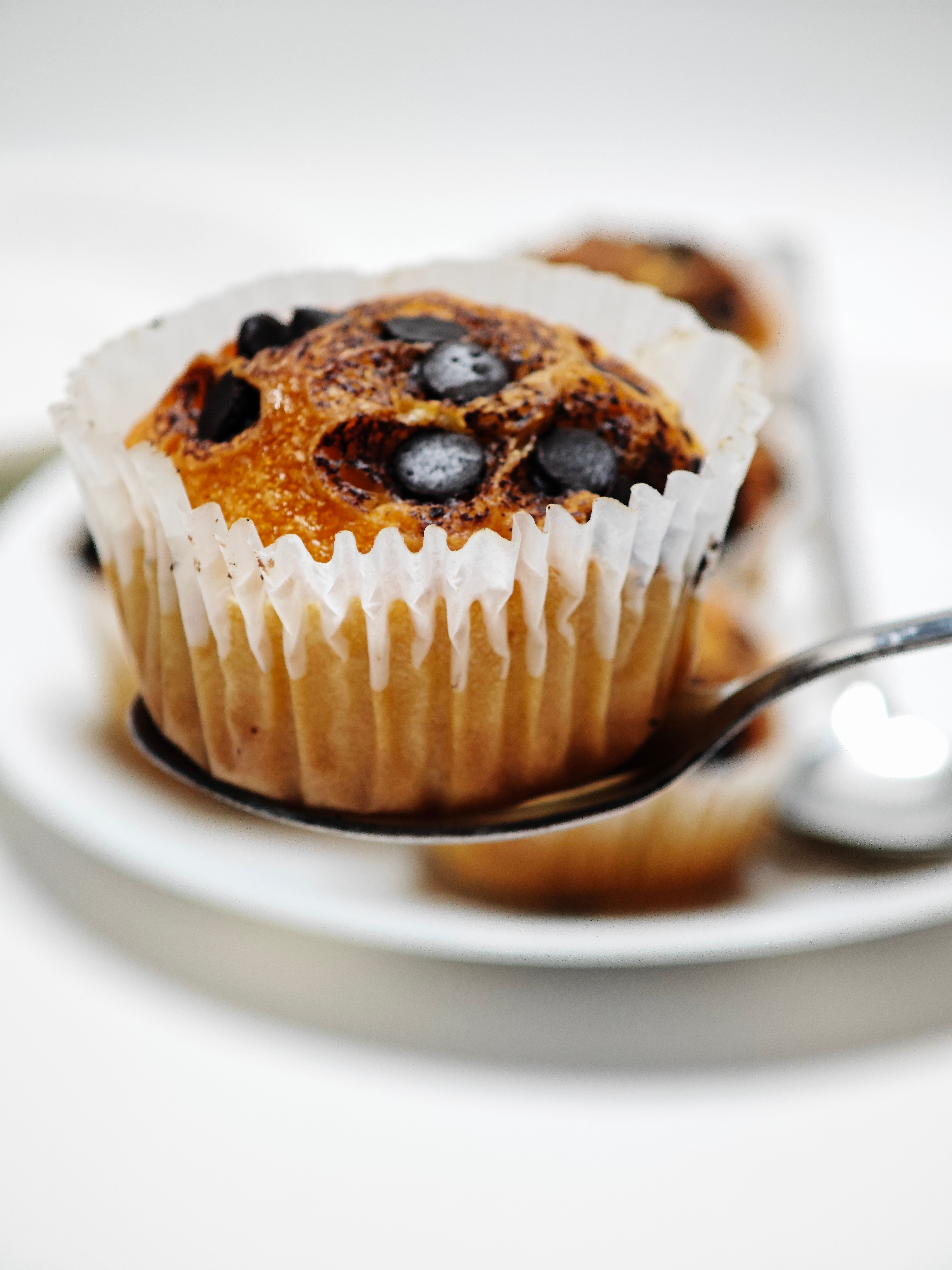
People may say they want flavor first, but texture often determines whether they buy a product again. The old complaint about store cupcakes and muffins was rarely that they were inedible. It was that they were dry, rubbery, oily, or oddly dense. Bakers have become much better at controlling those outcomes through mixing methods, moisture management, and more precise bake profiles. These technical fixes are not flashy, but they are responsible for much of the category's improvement.
In muffins, one of the biggest upgrades is a more deliberate contrast between top and center. Consumers like a domed muffin top with slight firmness or sparkle, but they still expect a soft interior. Better batter hydration, improved rest times, and more careful oven programming help create that split personality. A good muffin now has an edge that can hold fruit or streusel without collapsing, while the inside stays tender. That alone makes store-bought versions feel more satisfying and less mass-produced.
Cupcakes have seen similar gains, especially in crumb structure and frosting consistency. Instead of a sponge that springs back like packaging foam, better cupcakes now tend to have a finer, softer crumb with more moisture retention. Some bakers achieve this through sour cream, yogurt, buttermilk solids, or oil-butter combinations that preserve softness over shelf life. Frosting has improved too. Whipped icings, cream cheese blends, and buttercream-style toppings are replacing some of the waxy, overly sweet shortenings that once made grocery cupcakes feel stale even when fresh.
Packaging plays a role here as well. Better clamshells, inserts, and moisture barriers protect delicate tops and keep products from drying out too quickly. That sounds like logistics, but texture lives or dies in transit. A muffin can leave the bakery in excellent condition and still disappoint if condensation ruins the top or airflow hardens the crumb. The renewed focus on texture shows that retailers understand a basic truth: if the mouthfeel is wrong, no flavor improvement can fully rescue the experience.
Flavor development is becoming more thoughtful and less gimmicky

There was a time when supermarket bakery innovation meant making things bigger, sweeter, and more colorful. That strategy delivered novelty, but not always pleasure. What is making cupcakes and muffins worth buying again is a move toward flavors that feel considered rather than chaotic. Instead of relying on frosting dye and candy toppings, many bakeries are building recognizable profiles such as carrot cake with cream cheese icing, banana nut with cinnamon streusel, chocolate with ganache-style topping, or blueberry lemon with a tart glaze.
This shift reflects broader consumer behavior. Shoppers still enjoy indulgence, but they increasingly want that indulgence to feel coherent. In practical terms, that means flavor components should support one another. Chocolate should taste cocoa-rich rather than just sweet. Pumpkin should carry spice and depth, not just orange color. A good muffin today might use oats, toasted nuts, and a touch of molasses to create warmth and complexity. These are modest choices, but they create a product that tastes intentional.
Seasonal rotation has also gotten smarter. Limited-time bakery items used to feel like shelf-stable ideas transferred into fresh cases. Now, stronger operators are using seasonality to align with actual cravings. In fall, apple cider muffins with crumb topping make more sensory sense than random candy-stuffed offerings. In spring, strawberry cupcakes with light vanilla frosting and a jam center feel fresher and more relevant. That rhythm keeps the category interesting without exhausting shoppers.
Another quiet improvement is restraint. Better store bakeries are learning that not every product needs filling, drizzle, crunch, frosting, and inclusions all at once. When each component has a job, the product reads as higher quality. Consumers may not use the term flavor architecture, but they recognize it instinctively. A balanced bakery item leaves a cleaner finish, invites another bite, and avoids the sugar fatigue that made so many store-bought cupcakes and muffins easy to ignore in the past.
Freshness systems are improving behind the scenes
A cupcake or muffin does not need to be made from scratch on-site to taste fresh, but it does need a strong freshness system. This is one of the least visible and most important upgrades in the category. Retailers have improved forecasting, production schedules, thaw-and-sell timing, and in-store rotation practices. That means fewer products sitting too long under bright case lighting and fewer stale items lingering because no one wants the waste. The consumer sees a prettier display, but the real change is operational discipline.
Many supermarket bakeries now rely on more data-driven ordering. Stores can track what sells by daypart, weather pattern, local event traffic, and holiday cycle. That allows managers to stock fewer units at the wrong time and replenish more intelligently during peak demand. Muffins benefit especially from this, because they are often purchased in the morning or as grab-and-go snacks. A batch that lands at the right hour will outperform one that has spent all afternoon losing moisture and aroma in a display case.
Packaged bakery brands have also tightened freshness through formulation and sealing without making products feel excessively industrial. Better oxygen barriers, resealable packaging, and improved tray design help preserve softness and keep toppings intact. In some cases, producers have reformulated to maintain moisture naturally rather than simply extending life with heavy preservatives. Ingredients like invert sugar, fruit purees, cultured dairy, and fiber blends can support softness while preserving a more pleasant eating quality.
The result is that "store-bought" no longer automatically means "past its best." Consumers are noticing because freshness has sensory markers that are hard to fake: aroma when the package opens, a soft crumb that does not crumble into dust, frosting that still feels creamy, and fruit pieces that have not turned leathery. These are basic standards, yet for years they were inconsistently met. As stores improve freshness controls, the category becomes more dependable, and dependability is one of the strongest reasons shoppers come back.
Portion, nutrition, and labeling are making these treats easier to justify

One reason cupcakes and muffins fell out of favor is that they became symbols of excess. Oversized muffins could carry calorie counts closer to a meal than a snack, while cupcakes often looked designed for parties rather than ordinary life. The recent improvement in the category is not only about taste. It is also about making these products easier to fit into real routines. More stores now offer smaller formats, 2-packs, mini cupcakes, and muffins that feel satisfying without being oversized.
This matters because consumers increasingly make trade-offs instead of following rigid food rules. They may want a treat, but they also want portions that feel manageable and labeling that helps them make a quick decision. Clearer packaging, visible ingredient information, and front-of-pack cues about flavor, allergens, and count all reduce friction. A shopper is more likely to buy a 4-count pack of well-made mini cupcakes for a family dessert than a giant container of frosted cakes with vague labeling and uncertain freshness.
Nutrition improvements have been subtle but important. Some brands are reducing sugar slightly, increasing whole grain content in selected muffin lines, or using fruit and dairy ingredients to improve texture and flavor without simply adding sweetness. No one is mistaking a bakery muffin for a health food, but there is a meaningful middle ground between indulgent and excessive. A bran-blueberry muffin with a softer crumb, better fruit distribution, and moderate sweetness appeals to consumers who want something comforting but not cloying.
The language around these products has changed too. Instead of selling every cupcake as a celebration and every muffin as a breakfast shortcut, retailers are positioning them for everyday occasions: office snacks, school pickups, weekend brunch, simple desserts, and coffee breaks. That reframing is powerful. When the portion is sensible and the product is clearly labeled, shoppers do not have to overthink the purchase. They can simply buy something enjoyable that feels proportionate to the moment.
The best store bakeries now understand convenience and pleasure at the same time
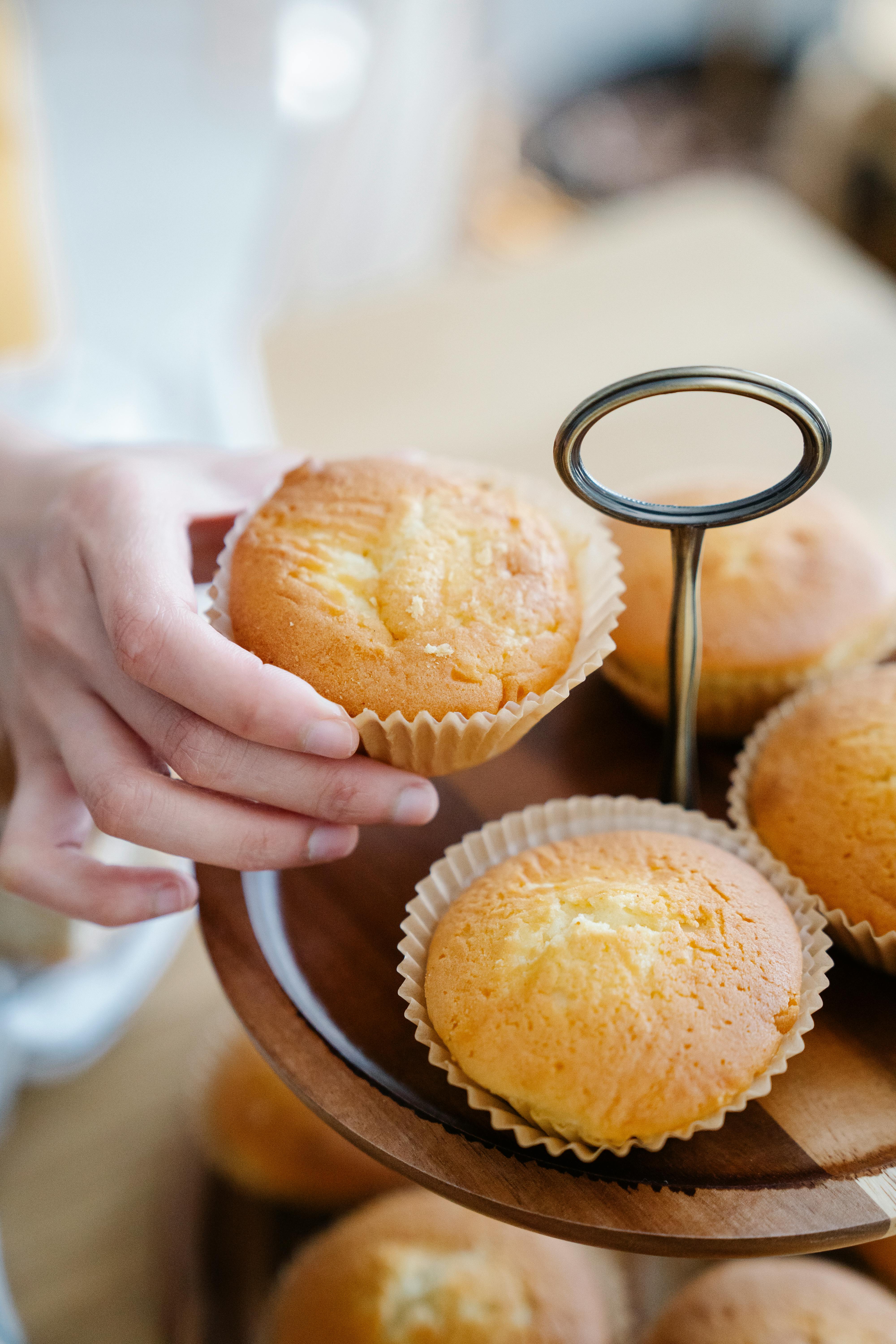
The old divide in baked goods was simple: truly delicious items came from independent bakeries, while convenient items came from grocery stores. That line has not disappeared, but it has narrowed. The reason store cupcakes and muffins are worth buying again is that many retailers have realized convenience alone is not enough. People want products that save time and still deliver pleasure. That has pushed bakery teams, suppliers, and private-label developers to compete on eating quality, not just price and shelf life.
Private label has been a major force here. Store brands used to signal compromise in bakery, but in many chains they now represent some of the most focused product development in the aisle. Retailers can test regionally, react to customer feedback quickly, and tailor flavor assortments to local preferences. A chain in the South may lean into banana nut, cinnamon coffee cake, and cream cheese-frosted red velvet. A coastal urban market may push lemon blueberry, chocolate sea salt, and seasonal fruit-forward cupcakes. That localization makes products feel less generic.
Social media and online grocery shopping have added pressure in a useful way. Shoppers now see product images before visiting a store and often make bakery decisions from thumbnails. That has encouraged better decoration, tidier packaging, and more visually honest products. At the same time, repeat online reviews punish disappointment quickly. If a muffin arrives dry or a cupcake looks better than it tastes, consumers say so. Retailers that respond by improving consistency are the ones gaining trust.
Ultimately, the comeback of store-bought cupcakes and muffins is not about one dramatic breakthrough. It is about dozens of practical upgrades that work together: better ingredients, stronger texture, smarter flavors, fresher handling, more sensible portions, and sharper retail execution. These are not glamorous changes, but they are exactly the ones that matter. When a simple baked good tastes fresh, balanced, and well made, people do not need a sales pitch. They buy it again because it finally feels worth it.