
A smooth Thanksgiving usually comes down to timing, not luck. This hour by hour schedule highlights the big kitchen moments experienced hosts plan around so the turkey, sides, table, and serving window all come together calmly.
Start with the turkey timeline
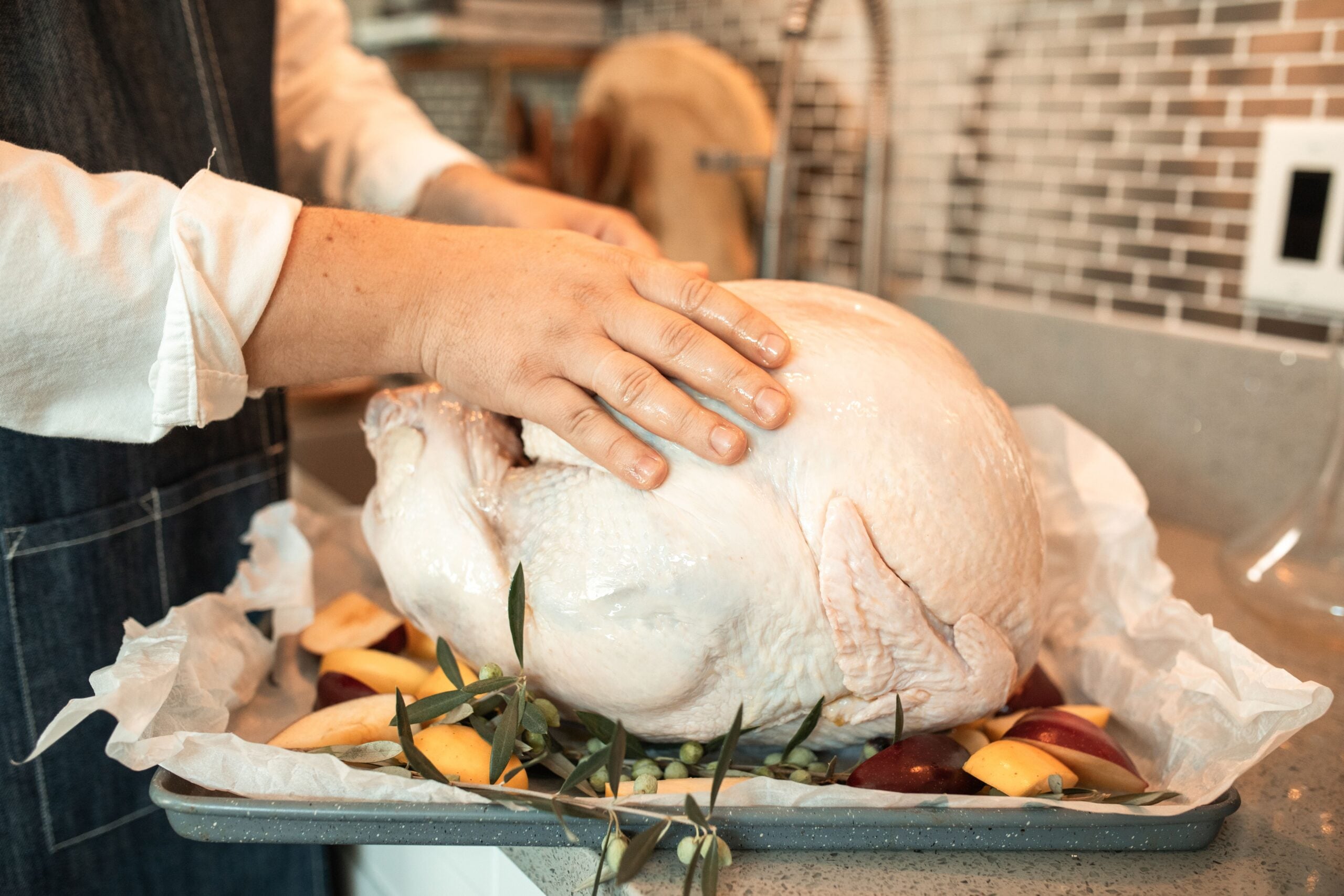
The turkey sets the pace for the whole day, so experienced hosts usually build the schedule around its weight and roasting time. The USDA advises thawing a frozen turkey in the refrigerator, allowing about 24 hours for every 4 to 5 pounds. For roasting, the agency says a 325 degree oven is the minimum safe temperature, and doneness is reached when the thickest part of the breast, thigh, and wing joint hits 165 degrees.
That is why many hosts begin Thanksgiving morning by taking stock of the bird, checking the pan, and confirming the thermometer is working. A stuffed turkey takes longer to cook than an unstuffed one, according to the USDA, which is one reason many cooks prefer dressing baked separately. Getting the turkey into the oven on time often determines whether every other dish feels organized or rushed.
Prep the make ahead sides first
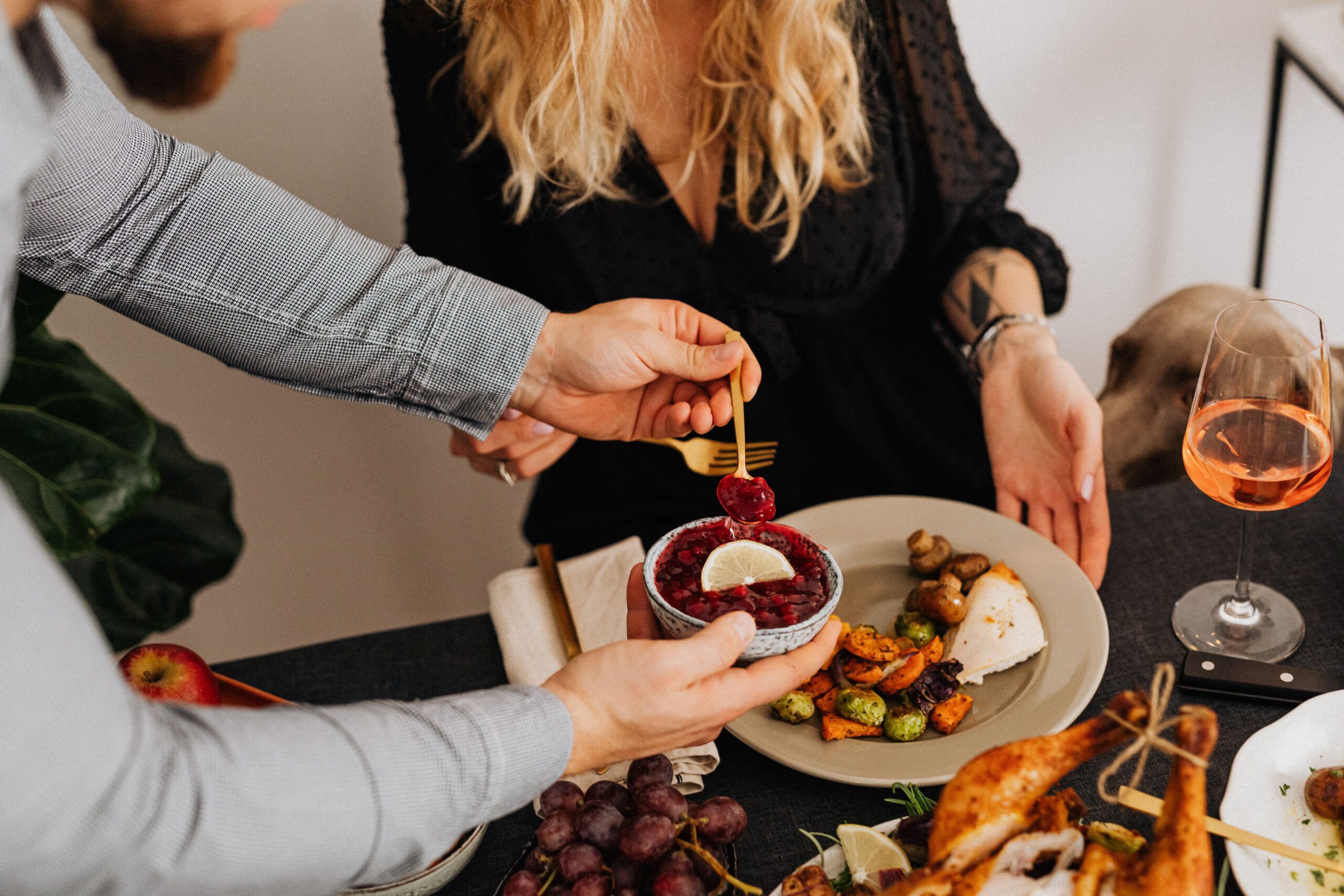
The smartest Thanksgiving cooking often starts with dishes that can wait. Casseroles, roasted vegetables, cranberry sauce, and pie fillings usually hold well, which gives hosts a chance to use the oven and stovetop before the final rush. This is also the moment to peel potatoes, trim green beans, and measure ingredients so the kitchen runs more like an assembly line than a scramble.
Food safety matters here too. The USDA recommends keeping hot foods hot, at 140 degrees or above, and cold foods cold, at 40 degrees or below. Hosts who do well with big meals often label serving bowls, group dishes by reheating method, and clear refrigerator space in advance. That little bit of staging can save valuable minutes when multiple sides need attention at once.
Use the oven in shifts
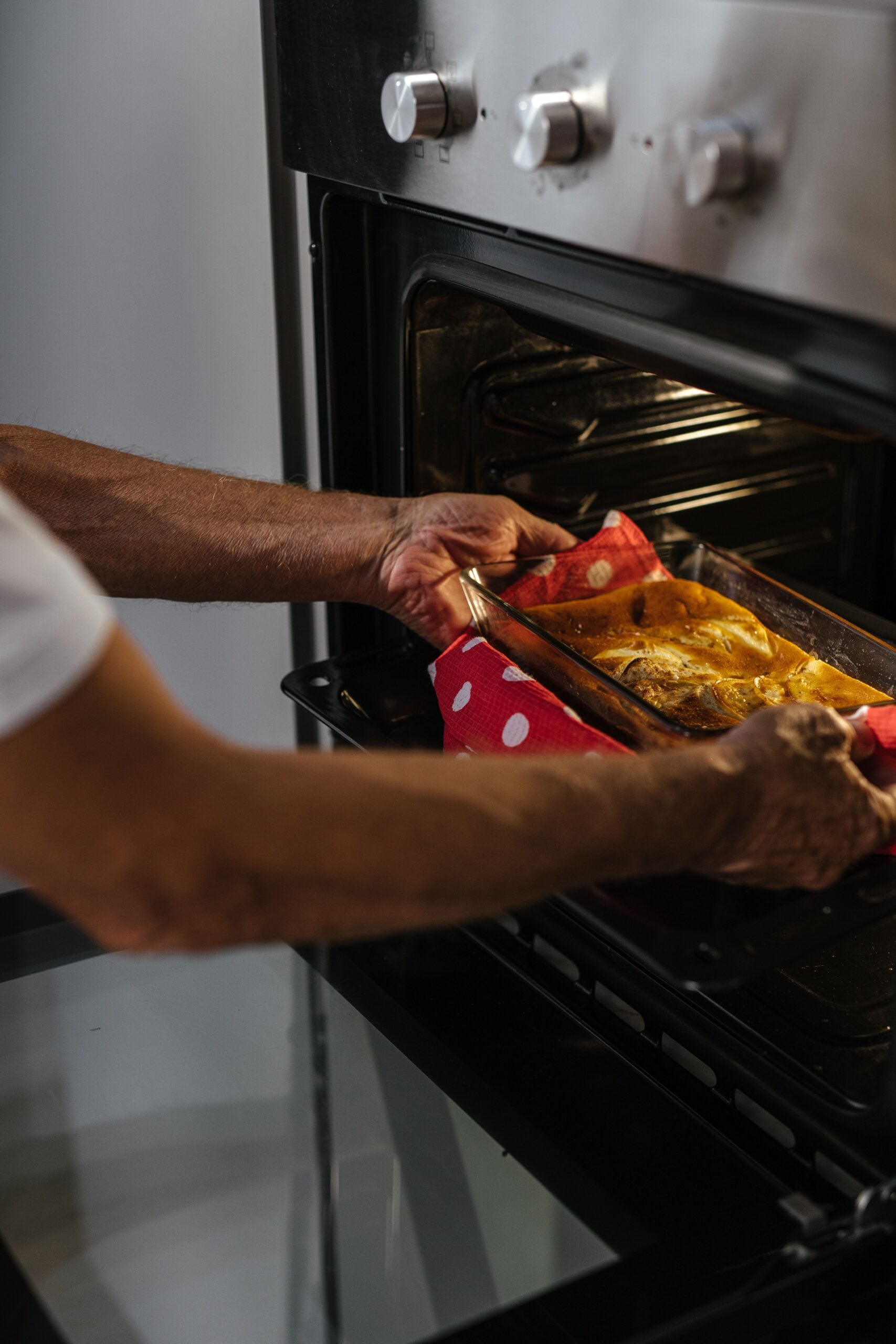
Thanksgiving ovens are always in demand, so skilled hosts think in waves. The turkey usually gets first priority because it needs the longest uninterrupted time, but once it comes out to rest, casseroles, rolls, and vegetable dishes can rotate in. This handoff is one of the most useful parts of the day because the turkey should rest before carving anyway.
The USDA notes that a turkey should rest for about 20 minutes before carving. During that window, many side dishes can heat through, and foil can help keep foods warm. Hosts often choose a few dishes that bake at similar temperatures to reduce constant adjustments. A coordinated oven plan also helps prevent overbrowned tops and underheated centers, two common Thanksgiving problems.
Set the table before the final rush
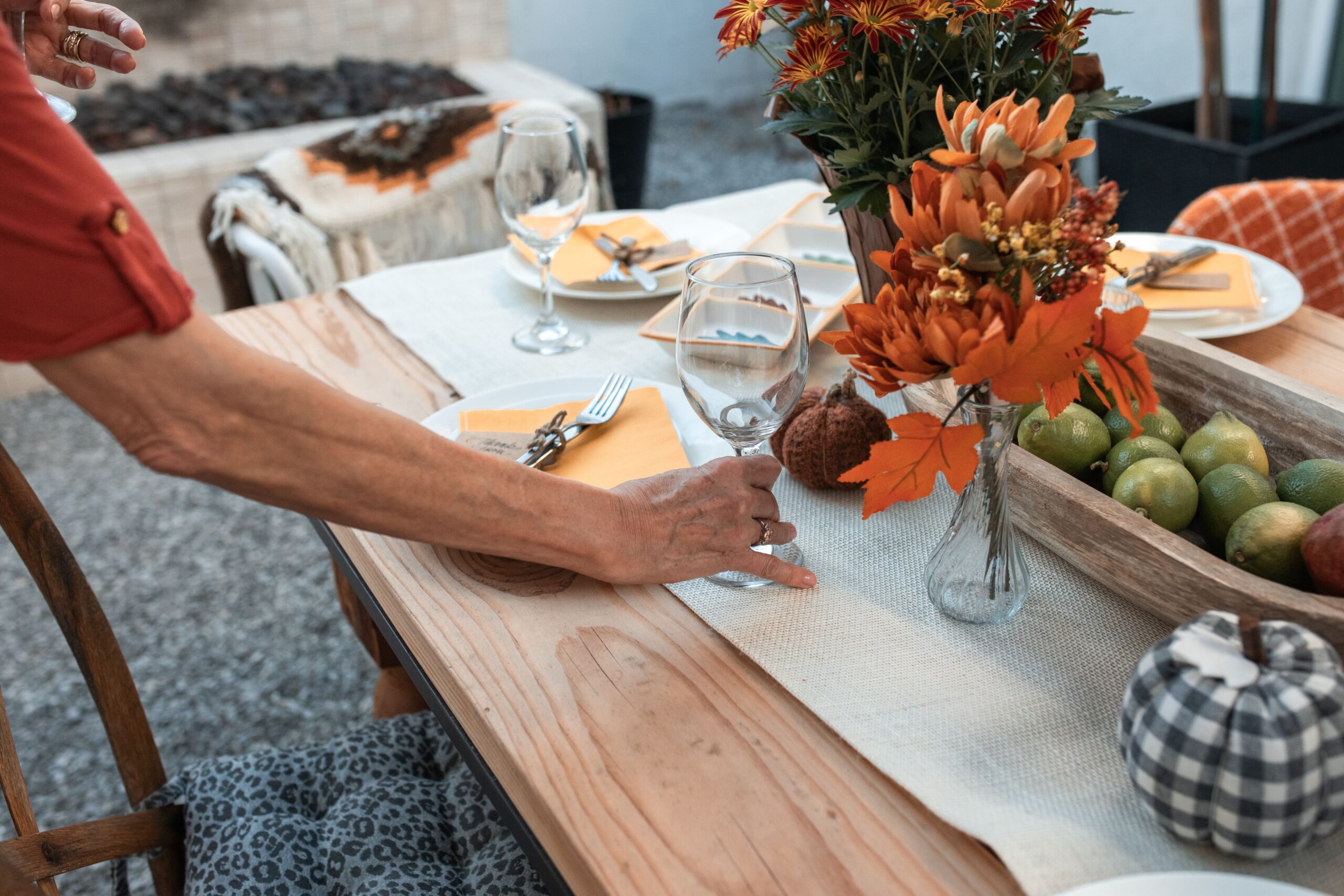
One of the easiest ways to lower stress is to finish the dining setup before the kitchen gets busiest. Plates, glasses, serving spoons, trivets, napkins, and water pitchers are easy to forget when roasting pans and boiling pots need attention. Hosts who swear by a timeline often treat table setup as a separate job, not something to squeeze in at the last minute.
This is also a good time to assign space for each dish so people are not shifting platters around with oven mitts on. If guests are bringing food, a cleared sideboard or counter can prevent traffic jams near the stove. A fully set table changes the feeling of the day too. It signals that the meal is taking shape, even while the cooking is still underway.
Save mashed potatoes and gravy for late
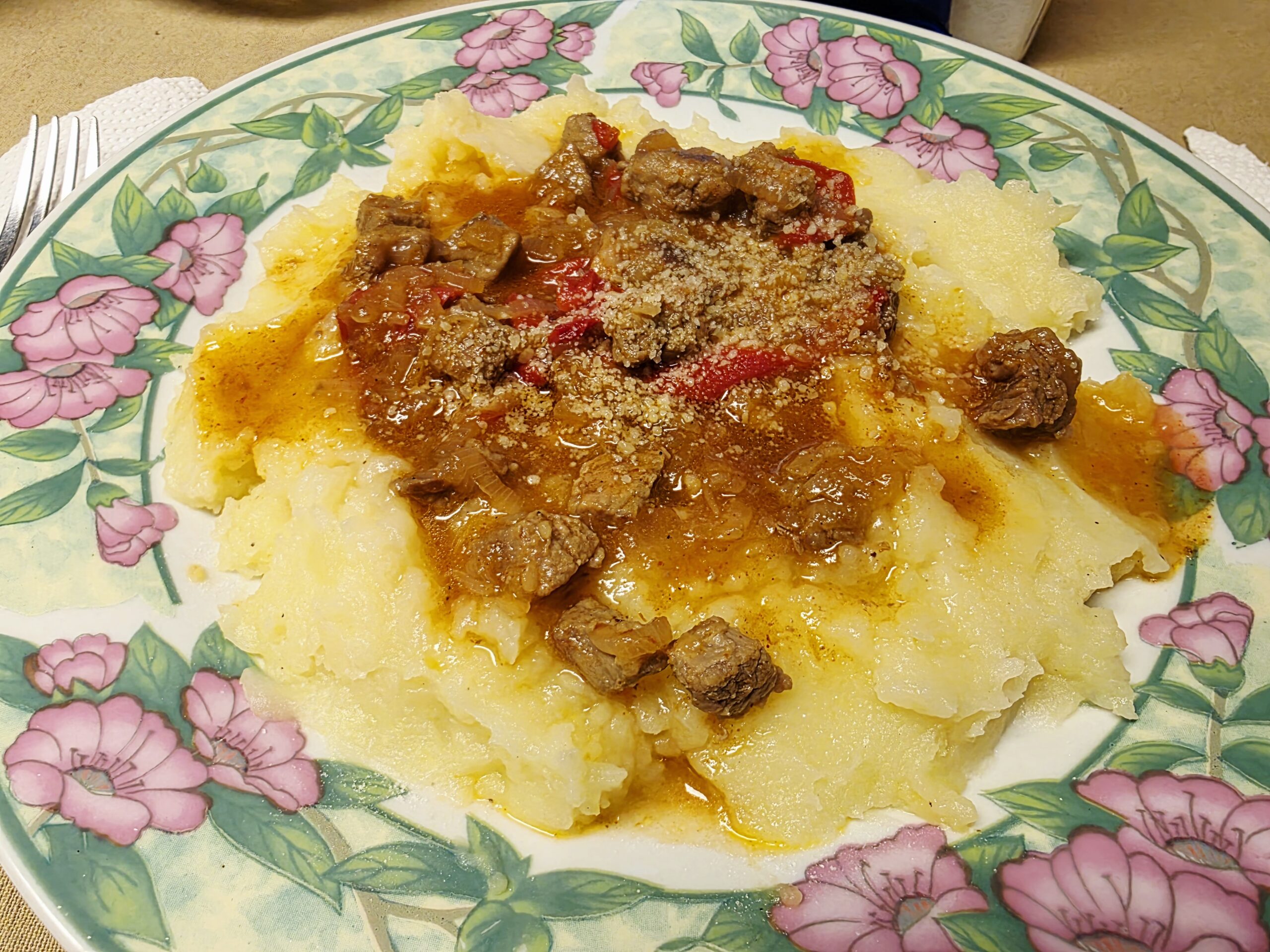
Some dishes simply taste better when they are finished closer to dinner. Mashed potatoes can turn gluey if held too long or overmixed, and gravy benefits from being made after the turkey has roasted so the drippings can add flavor. That is why many hosts save these two tasks for the final stretch, even if most other sides are already done.
The USDA recommends bringing gravy to a rolling boil when reheating for safety. Hosts often keep potatoes warm in a covered heatproof bowl or slow cooker, then whisk gravy while the turkey rests. This is a busy part of the schedule, but it is also where the meal starts to feel complete. Freshly mashed potatoes and hot gravy can make the entire plate taste more finished.
Carve, serve, and handle leftovers safely
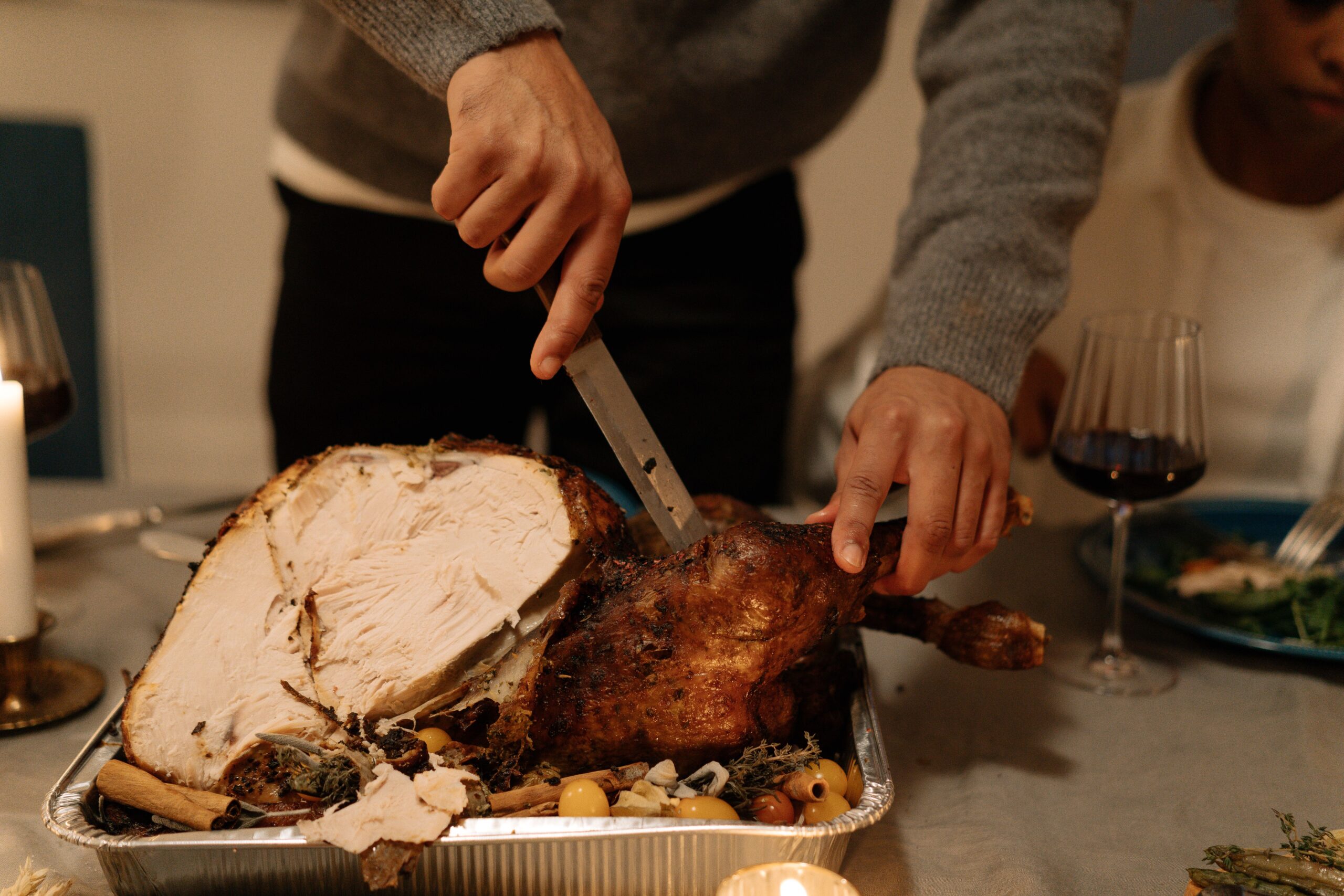
The last hour is less about cooking and more about pacing the handoff from kitchen to table. Once the turkey has rested, carving can begin, and the meal can move out while hot dishes are still at their best. Hosts who keep this stage orderly often bring food to the table in batches, starting with the main dish and the sides that cool fastest.
After the meal, food safety becomes the next priority. The USDA says leftovers should be refrigerated within 2 hours, or within 1 hour if the temperature is above 90 degrees. Shallow containers help food cool faster, and clear labels make leftovers easier to use in the next few days. A strong finish is not just a good dinner, it is a clean and safe reset.

Leave a Reply