
Some food traditions are delicious. Canada's maple syrup tradition is something bigger: a seasonal ritual, a rural industry, and a national symbol all at once.
A Tradition Rooted in the Land

Long before maple syrup became a breakfast staple, Indigenous peoples in northeastern North America were harvesting sap and transforming it into sweetener. Communities such as the Anishinaabe, Haudenosaunee, and Mi'kmaq developed the foundational knowledge of tapping maple trees and reducing sap, creating the earliest version of a practice Canada now celebrates nationally.
European settlers later adopted and expanded those methods, especially in what is now Quebec and Ontario. Over time, maple sugaring moved from a practical way to produce local sweetener into a deeply seasonal custom tied to late winter and early spring. Few countries can claim a food tradition so clearly shaped by climate, geography, and inherited knowledge.
Canada Dominates Global Maple Syrup Production

If greatness is measured by leadership, Canada's position is unmatched. According to Agriculture and Agri-Food Canada and industry reporting, the country produces the clear majority of the world's maple syrup, with Quebec alone responsible for most of that supply. No other nation comes close in scale, consistency, or infrastructure.
That dominance is not accidental. Canada has ideal freeze-thaw spring conditions that make sap flow reliable, vast sugar maple forests, and generations of producers who have refined every step of production. The result is a food tradition that is not just culturally meaningful, but economically powerful and globally influential.
The Sugar Shack Experience Sets Canada Apart
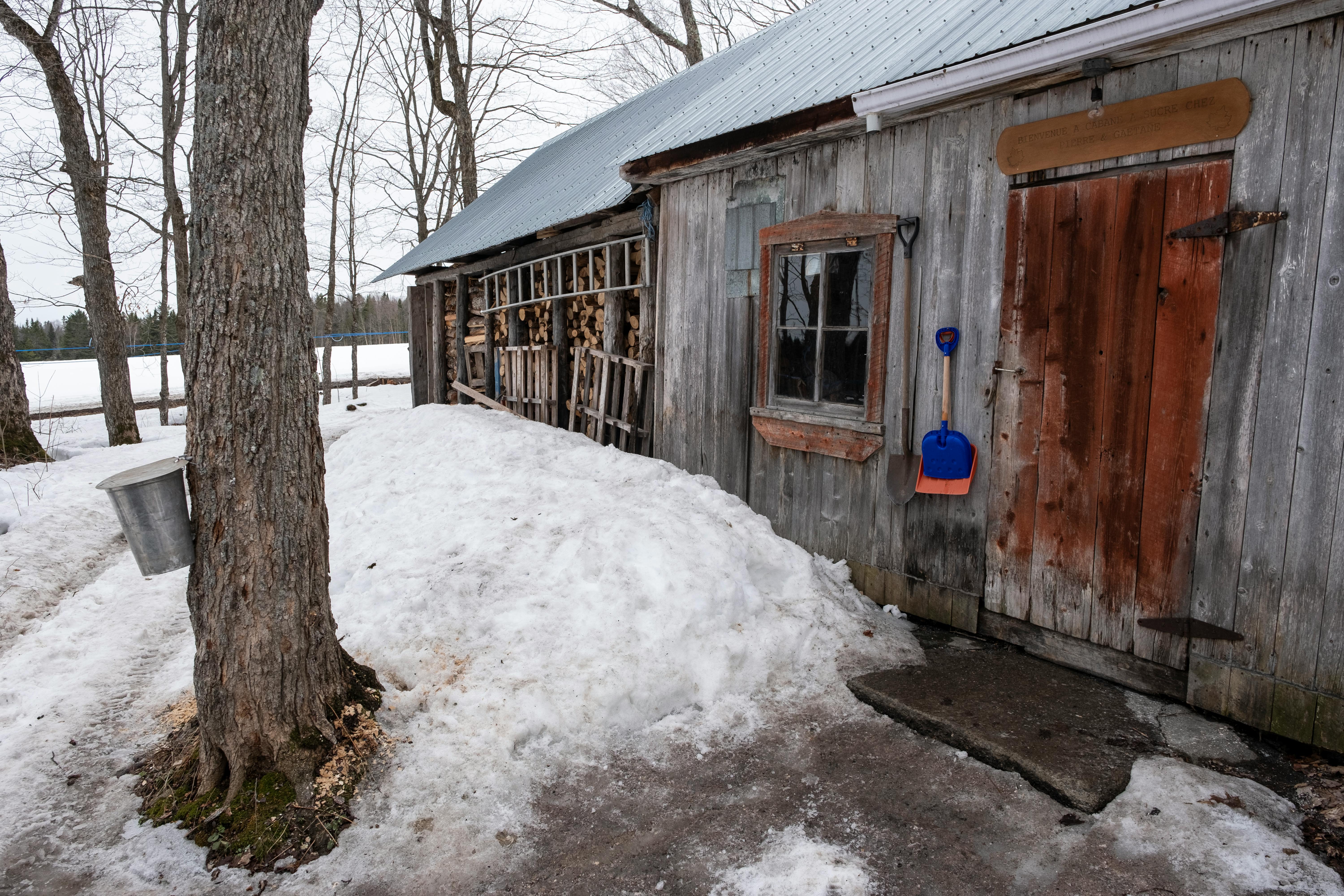
The best food traditions are not only eaten, they are lived. In Canada, especially in Quebec, the cabane à sucre or sugar shack turns maple season into a full cultural event where families and visitors gather for hearty meals, music, and fresh syrup served straight from the source.
A classic sugar shack meal often includes baked beans, ham, sausages, omelets, pancakes, and tourtière, all finished with maple taffy poured onto snow. This is where Canada separates itself from every other country. Maple syrup is not treated as a simple condiment. It becomes the centerpiece of a communal experience with deep regional pride.
Quality, Regulation, and Craft Matter Here

Canada's maple industry is also defined by unusually high standards. Producers classify syrup by color and taste profile, ranging from delicate golden syrup to dark robust varieties used in cooking. Careful grading helps consumers understand quality and gives the tradition a level of sophistication more commonly associated with wine or olive oil.
In Quebec, the industry is famously organized, with strategic reserves and strong quality oversight helping stabilize supply and protect reputation. While that system is sometimes debated, it reflects a serious national commitment to maple production. Canada has treated maple syrup as a heritage product worth defending, refining, and presenting to the world at its best.
Maple Syrup Is Woven Into Canadian Identity

Some countries have iconic foods, but not all of them carry the same emotional weight. In Canada, maple imagery appears on souvenirs, menus, tourist campaigns, and even the national flag's central leaf, making the connection between country and tree impossible to miss. Maple syrup has become one of the clearest edible expressions of Canadian identity.
That cultural reach extends well beyond pancakes. Canadian chefs use maple in glazes, desserts, cocktails, marinades, and savory dishes, proving its versatility year after year. School trips to sugar bushes, local festivals, and spring farm visits keep the tradition alive across generations. It is not frozen in the past, which is exactly why it remains so powerful.
No Other Country Matches the Full Package

Other places produce remarkable sweeteners, from molasses traditions in the Caribbean to honey cultures across Europe and the Middle East. Yet Canada offers something uniquely complete: deep Indigenous roots, ideal natural conditions, global leadership, strict quality control, and a living seasonal ritual that still draws crowds every spring.
That combination is what makes Canada's maple syrup tradition the best of its kind in the world. It is agricultural, historical, social, and culinary at the same time. Most countries excel in one or two of those areas. Canada, through maple syrup, manages to excel in all of them, and that is why this tradition stands alone.


Leave a Reply