
Some breads feel intimidating. This one absolutely does not.
Why this focaccia works so well
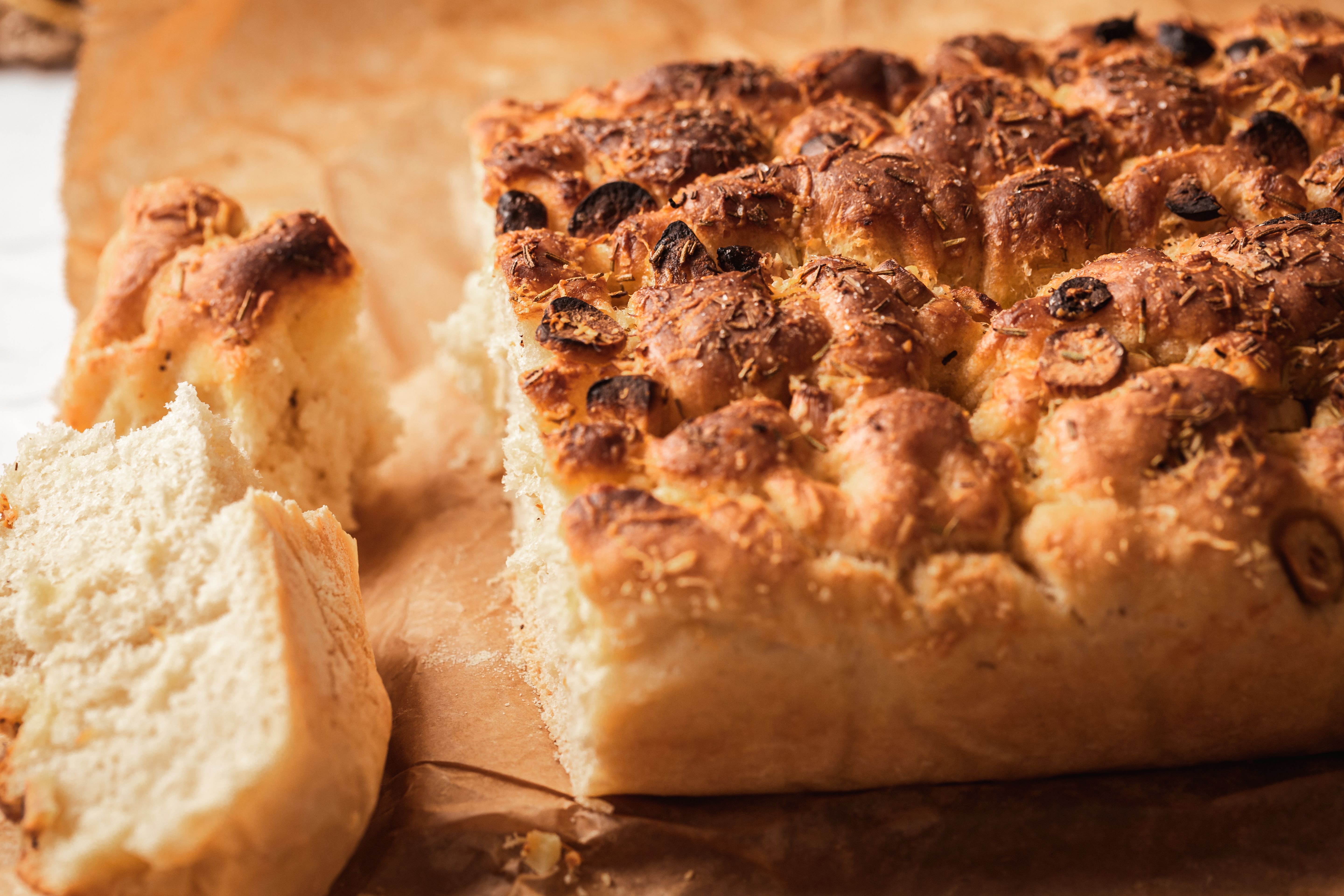
Focaccia has a reputation for looking bakery-level fancy, but the truth is that it is one of the most forgiving breads you can make at home. The dough is wet, which means you do not need aggressive kneading to build structure. Time does most of the heavy lifting for you, and that makes it ideal for beginners who want great results without mastering complicated techniques.
The 5 ingredients are exactly what you would expect: flour, water, yeast, salt, and olive oil. That short list works because focaccia is really about texture and fermentation rather than enrichment. Unlike sandwich bread, it does not rely on milk, eggs, sugar, or butter for character. The olive oil creates flavor, the high hydration keeps the crumb open, and the salt sharpens everything.
Professional bakers often point out that focaccia is a confidence-building dough because it tolerates small mistakes. A slightly longer rise, a little more oil in the pan, or an uneven dimple here and there rarely ruins the final loaf. In fact, some of those imperfections create the crispy, craggy top that makes focaccia so good.
The 5 ingredients and what each one does
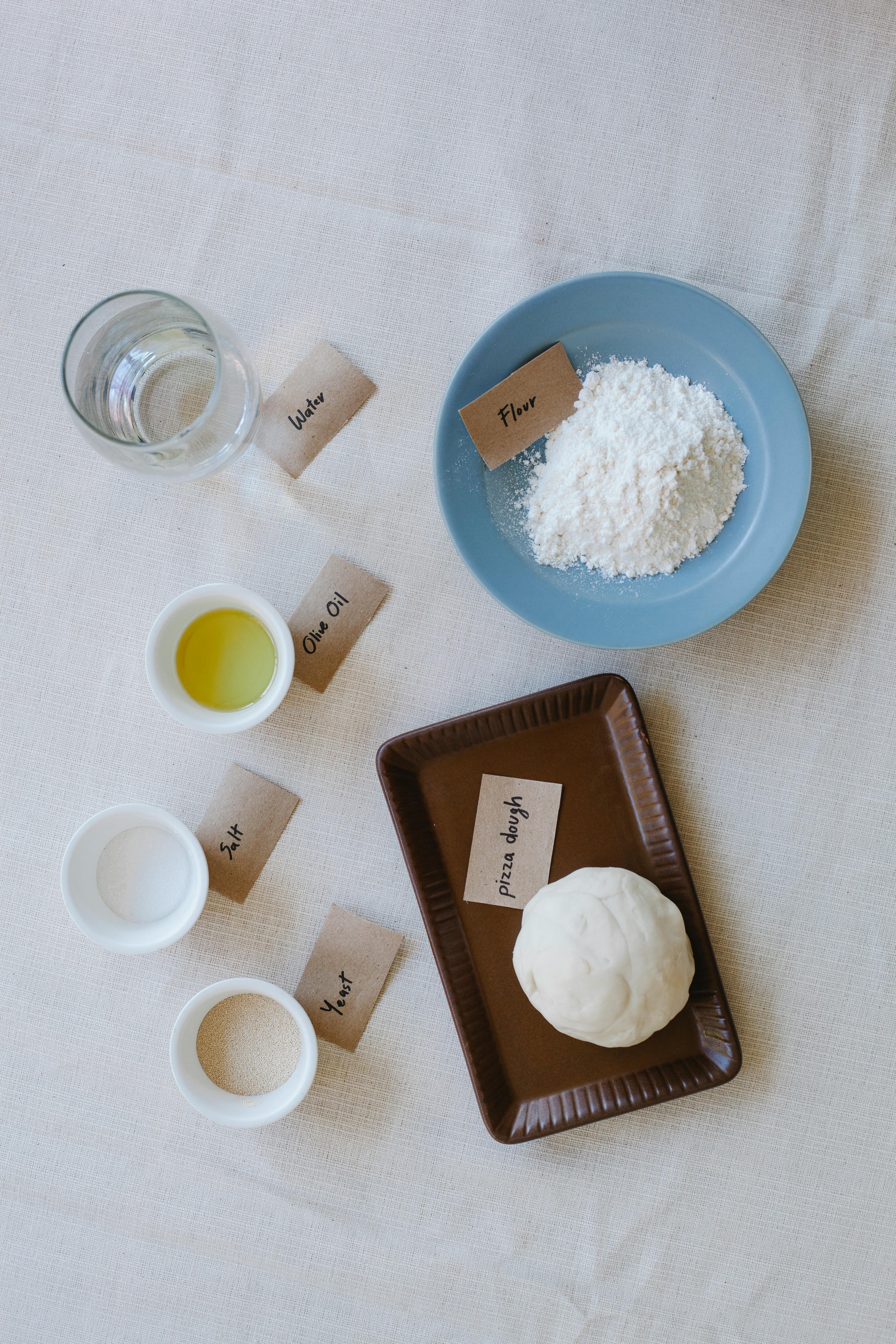
Flour gives the dough its body, and all-purpose flour works beautifully here. Bread flour can create a slightly chewier texture, but it is not necessary for success. That flexibility is one reason this recipe is so approachable for everyday cooks using pantry staples.
Water wakes up the yeast and hydrates the flour, helping gluten develop naturally over time. Yeast fills the dough with air and gives focaccia its light, bubbly interior. You can use instant yeast for convenience, though active dry yeast works too if you give it a few minutes to bloom.
Salt is not just there for flavor. It also helps strengthen the dough and controls fermentation so the rise stays balanced rather than wild. Olive oil is the ingredient that defines focaccia most clearly, coating the pan, enriching the dough, and helping create that deeply golden bottom that tastes almost fried in the best possible way.
How to make it with almost no effort

Start by mixing flour, water, yeast, and salt in a large bowl until no dry patches remain. The dough will look shaggy and sticky, which is exactly right. Add a little olive oil, cover the bowl, and let it rest so the flour can absorb the water and the dough can begin organizing itself.
Over the next hour or two, give the dough a few simple stretch-and-fold turns if you want a little extra structure. If not, it will still work. That is the beauty of this style of bread. According to many test kitchen methods, minimal handling often produces a lighter result because you preserve more of the gas created during fermentation.
Once the dough has risen and looks puffy, transfer it to a well-oiled pan. Gently spread it outward, then let it relax if it springs back. After a final rise, drizzle more olive oil over the surface and press your fingertips all over the top to make the classic dimples that hold oil and encourage even browning.
The baking details that make the difference
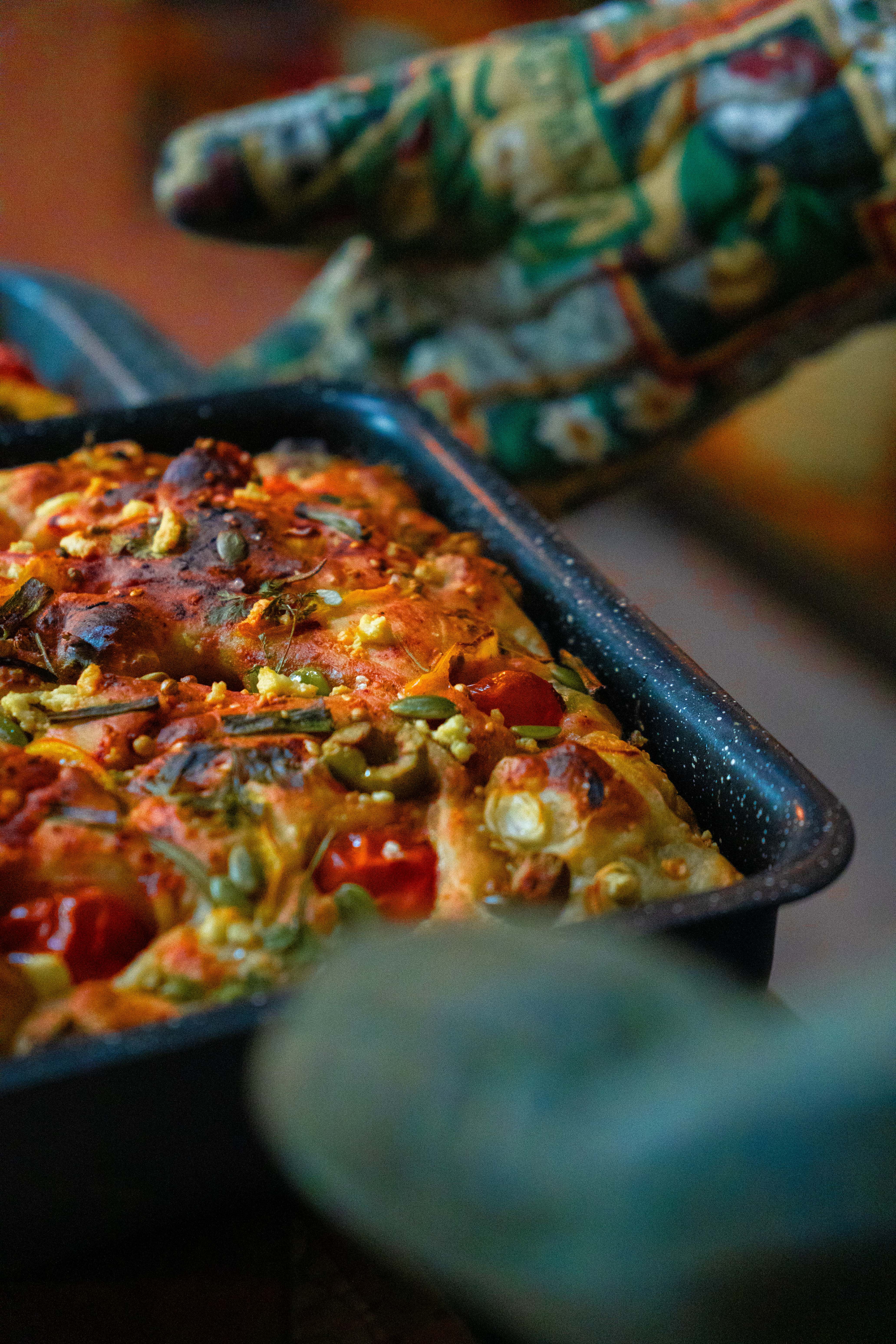
A hot oven is the key to focaccia that is crisp on the outside and tender in the middle. Most home bakers get excellent results at 425°F to 450°F, depending on the pan and oven behavior. Dark metal pans tend to brown the bottom faster, while glass pans often need a little more time.
Do not be shy with olive oil in the pan. It prevents sticking, of course, but it also helps fry the underside of the dough as it bakes. That contrast between the crunchy base and the soft interior is one of focaccia's signature traits, and it is what makes even a plain version taste special.
Bake until the top is deeply golden rather than merely pale blond. If you pull it too early, you miss the best texture. Many experienced bakers also let focaccia cool briefly in the pan, then move it to a rack so steam does not soften the crust. That small step keeps the edges from going limp.
Easy ways to flavor it without changing the formula
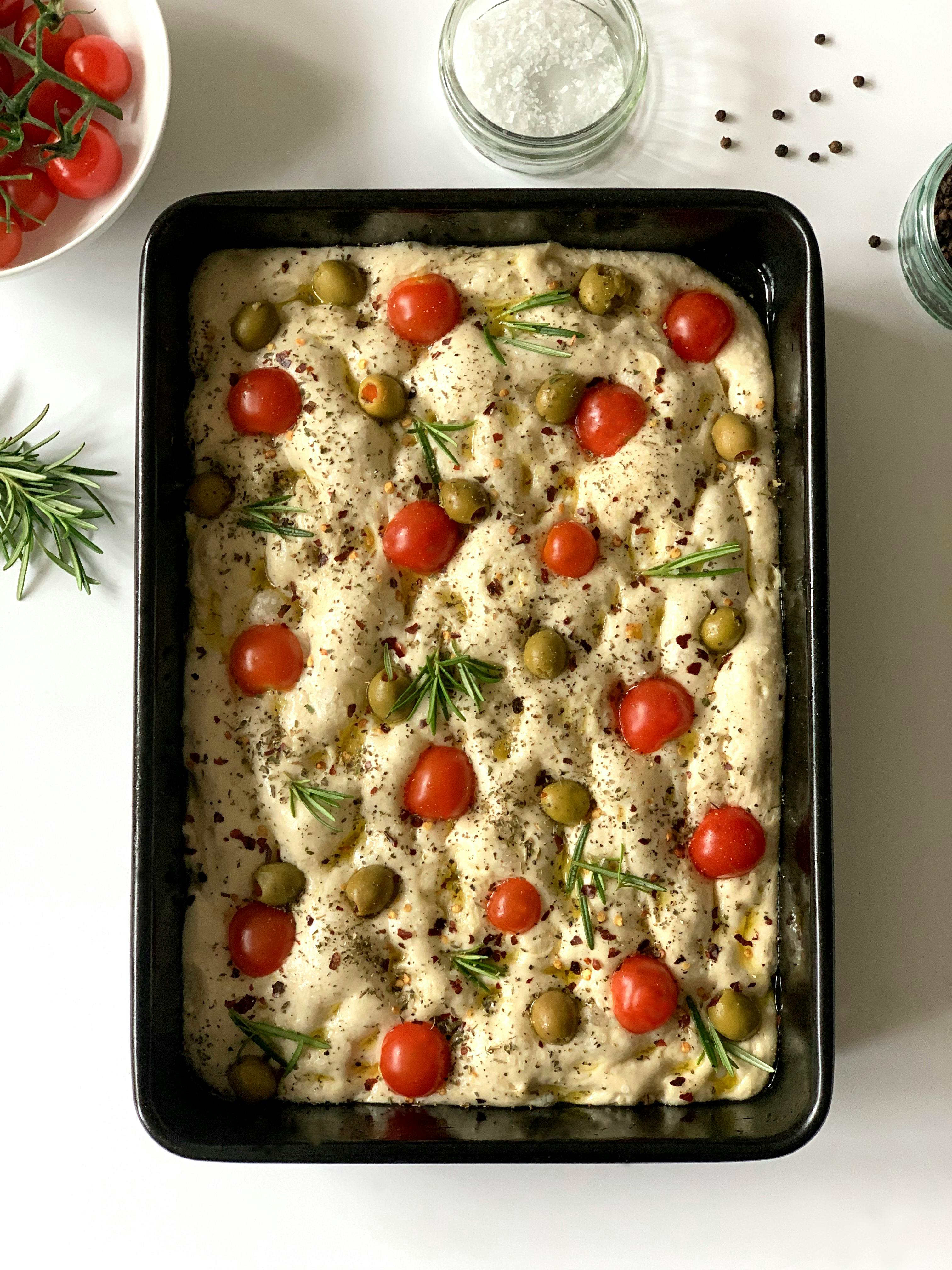
The beauty of a 5-ingredient focaccia is that the dough itself stays simple, but the finish can go in almost any direction. A sprinkle of flaky salt and rosemary is the classic move, and it works because the herb perfumes the oil without overwhelming the bread. Thinly sliced garlic is another favorite if you want a stronger, savory edge.
You can also add halved cherry tomatoes, caramelized onions, or cracked black pepper right before baking. These are toppings rather than core ingredients, so the recipe still keeps its basic identity. In many Italian bakeries, seasonal vegetables are pressed into focaccia dough this same way, turning a humble bread into something that feels tied to a place and time.
If you want to serve it as part of a meal, pair it with soup, a salad, or a simple platter of cheese. It also makes excellent sandwich bread when sliced horizontally. The sturdy crust and airy crumb hold fillings well without turning dense or heavy.
Common mistakes and how to avoid them
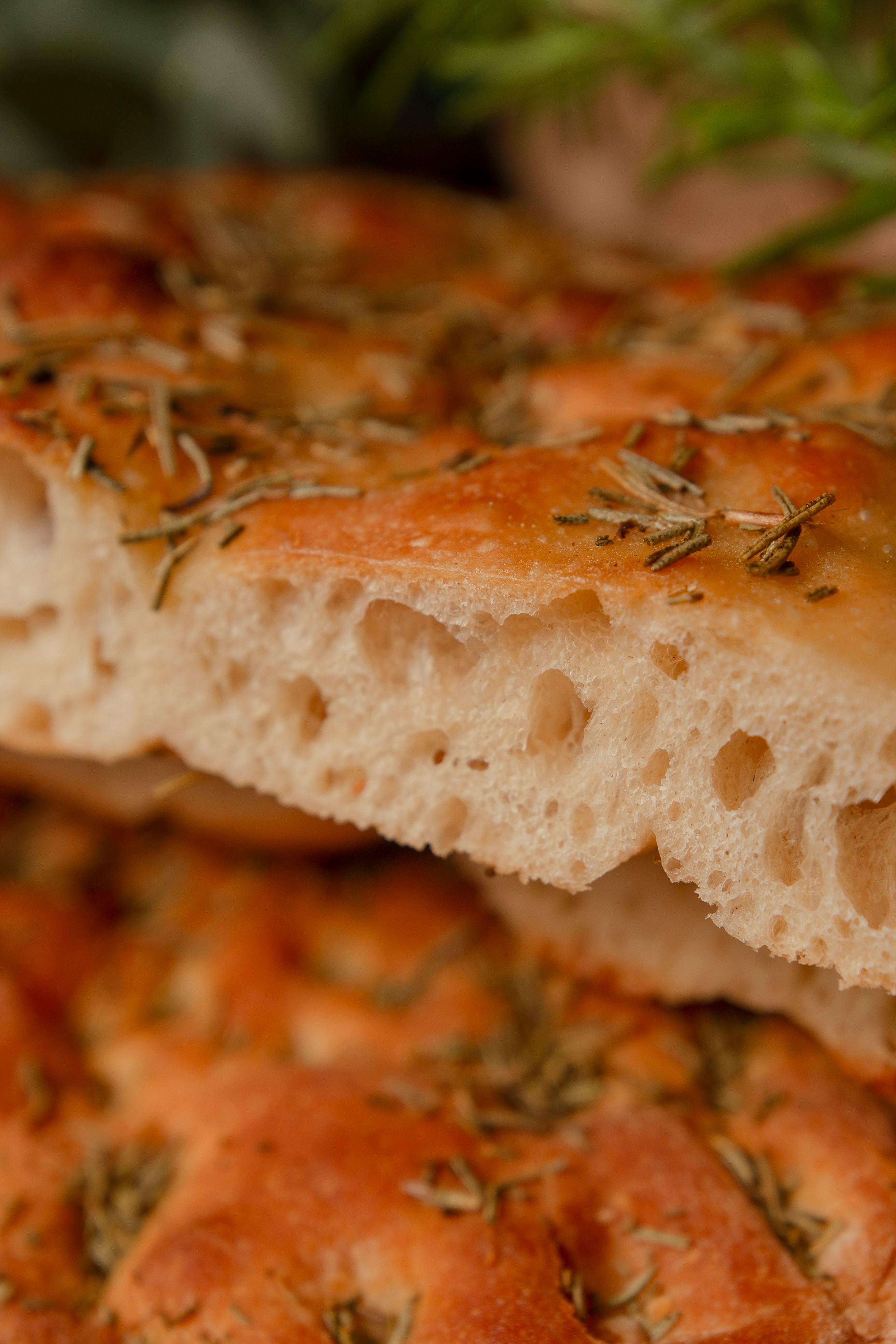
The most common mistake is adding too much flour because the dough looks wetter than expected. Resist that urge. Sticky dough is normal for focaccia, and a higher-hydration dough is what creates those large, irregular air pockets. If you flour it heavily to make it easier to handle, you will end up with a tighter, drier bread.
Another issue is underproofing. If the dough has not had enough time to become airy and relaxed, the finished focaccia will bake up flat and somewhat tough. Look for visible bubbles and a noticeably puffed surface before it goes into the oven. Patience matters more here than precision.
Finally, do not skimp on salt or olive oil. With only 5 ingredients, every one of them has to pull its weight. When each element is used properly, the result is a bread that tastes far more complex than its ingredient list suggests, which is exactly why this is the easiest focaccia you will ever want to make again and again.



Leave a Reply