
Chocolate is still one of the world's favourite treats, but the business behind it is under strain. From cocoa harvests in West Africa to ingredient labels in Canada, several forces are changing how chocolate is grown, made and sold.
Cocoa prices have surged
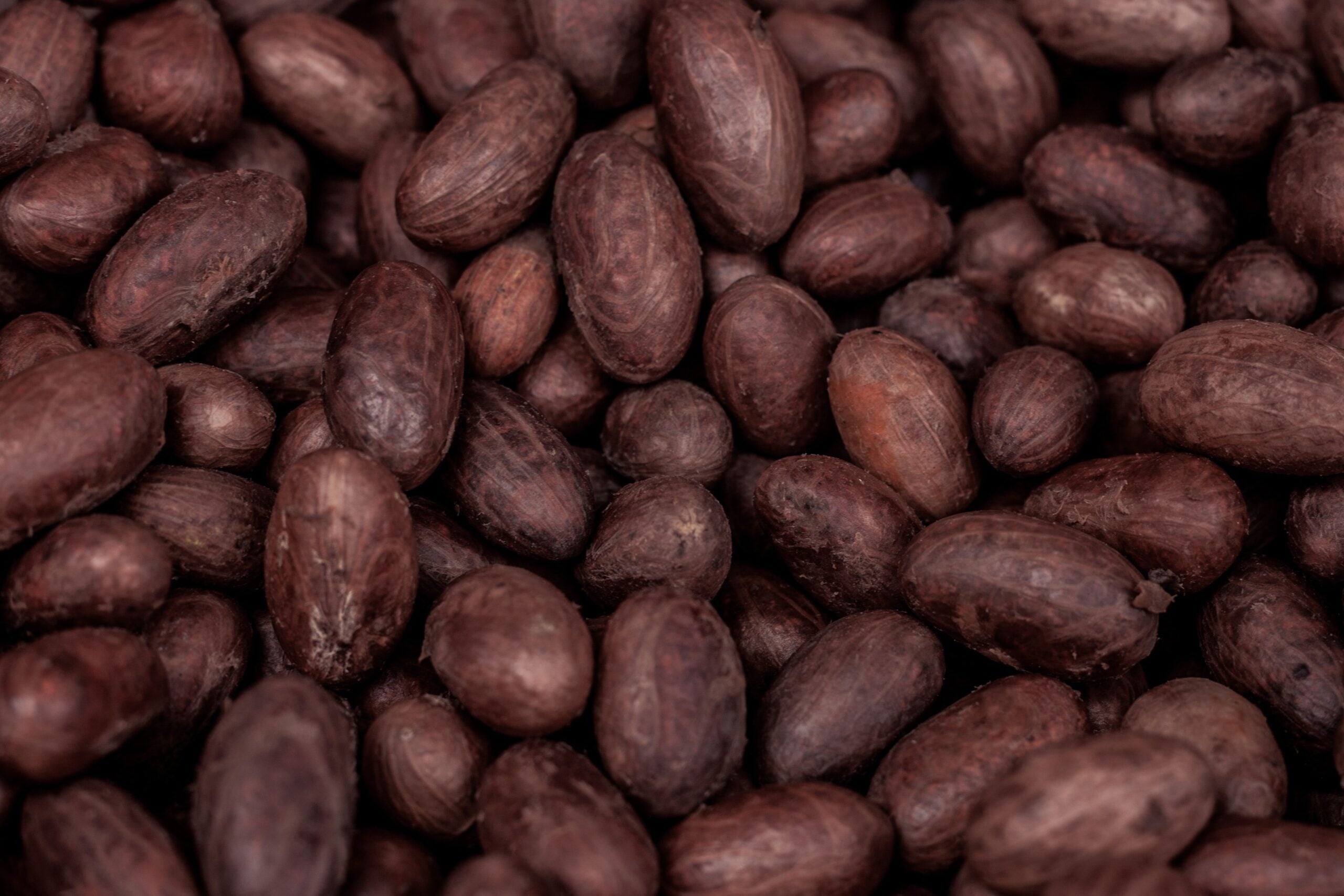
The biggest recent shock has come from cocoa itself. In 2024, cocoa futures hit record highs after poor harvests in key producing countries, especially Côte d'Ivoire and Ghana, which together supply a large share of the world's cocoa, according to the International Cocoa Organization and widespread market reporting.
That price spike did not come out of nowhere. Weather problems, including periods of heavy rain and drought, hurt yields. Cocoa swollen shoot virus and other crop pressures also affected trees in West Africa.
For shoppers, higher cocoa prices can mean more expensive chocolate bars, smaller package sizes, or recipes that use less cocoa. It is the kind of supply chain story you can actually taste, which is not the sweetest plot twist.
Climate change is becoming a cocoa problem
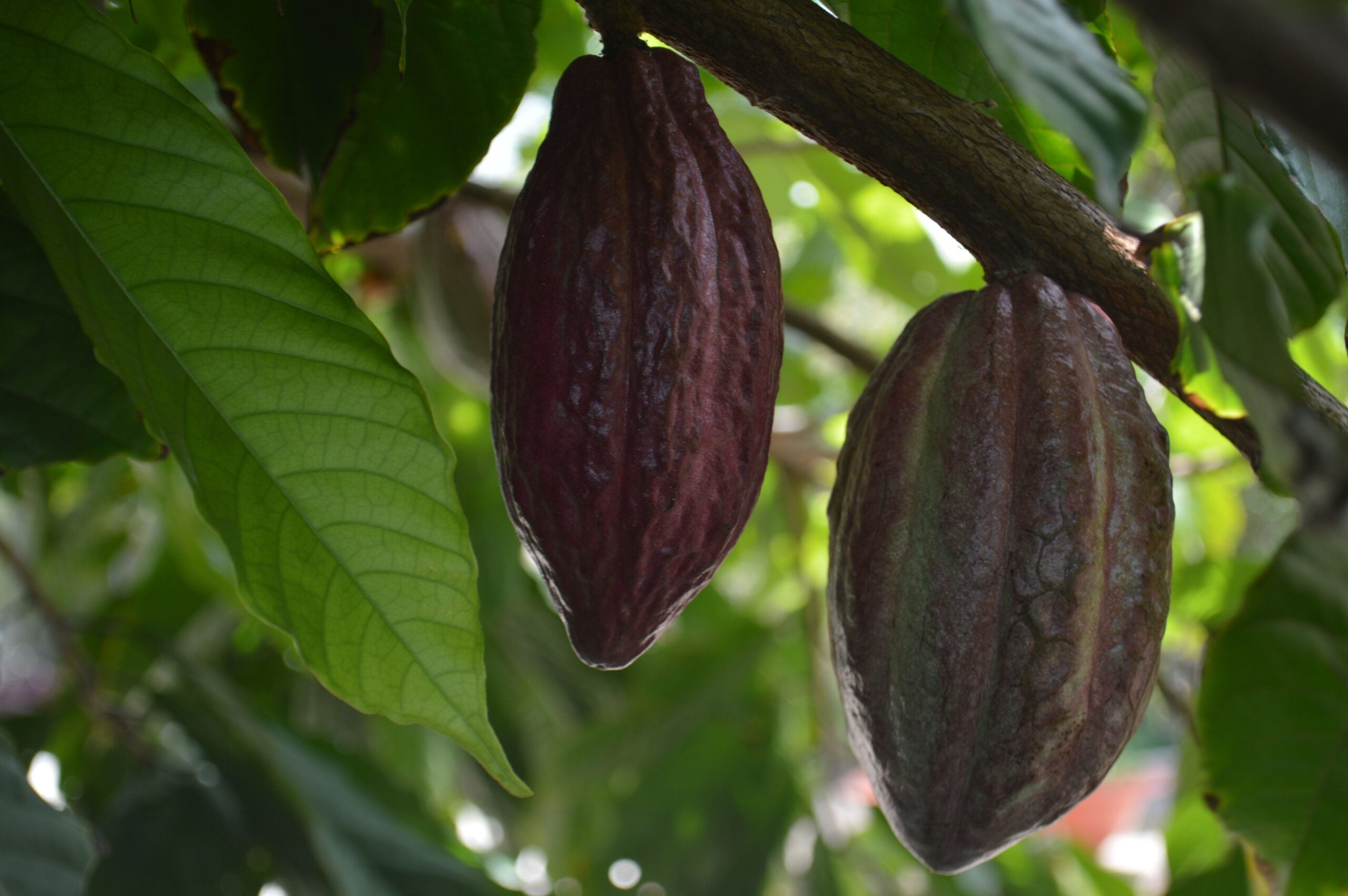
Chocolate starts with a crop that is unusually sensitive to its growing conditions. Cocoa trees need heat, humidity, rain and shade in a fairly narrow balance, which makes them vulnerable when weather patterns shift.
Research published in journals including PLOS Climate has pointed to growing climate risks in West African cocoa regions. Hotter temperatures can stress trees, and irregular rainfall can disrupt flowering and pod development. Scientists and industry groups have also warned that suitable cocoa-growing land could change over time.
That does not mean chocolate disappears tomorrow. It does mean growers, governments and chocolate companies are investing more in shade trees, new farming methods and crop support programmes to protect yields in the years ahead.
Farmers are under more scrutiny, and pressure
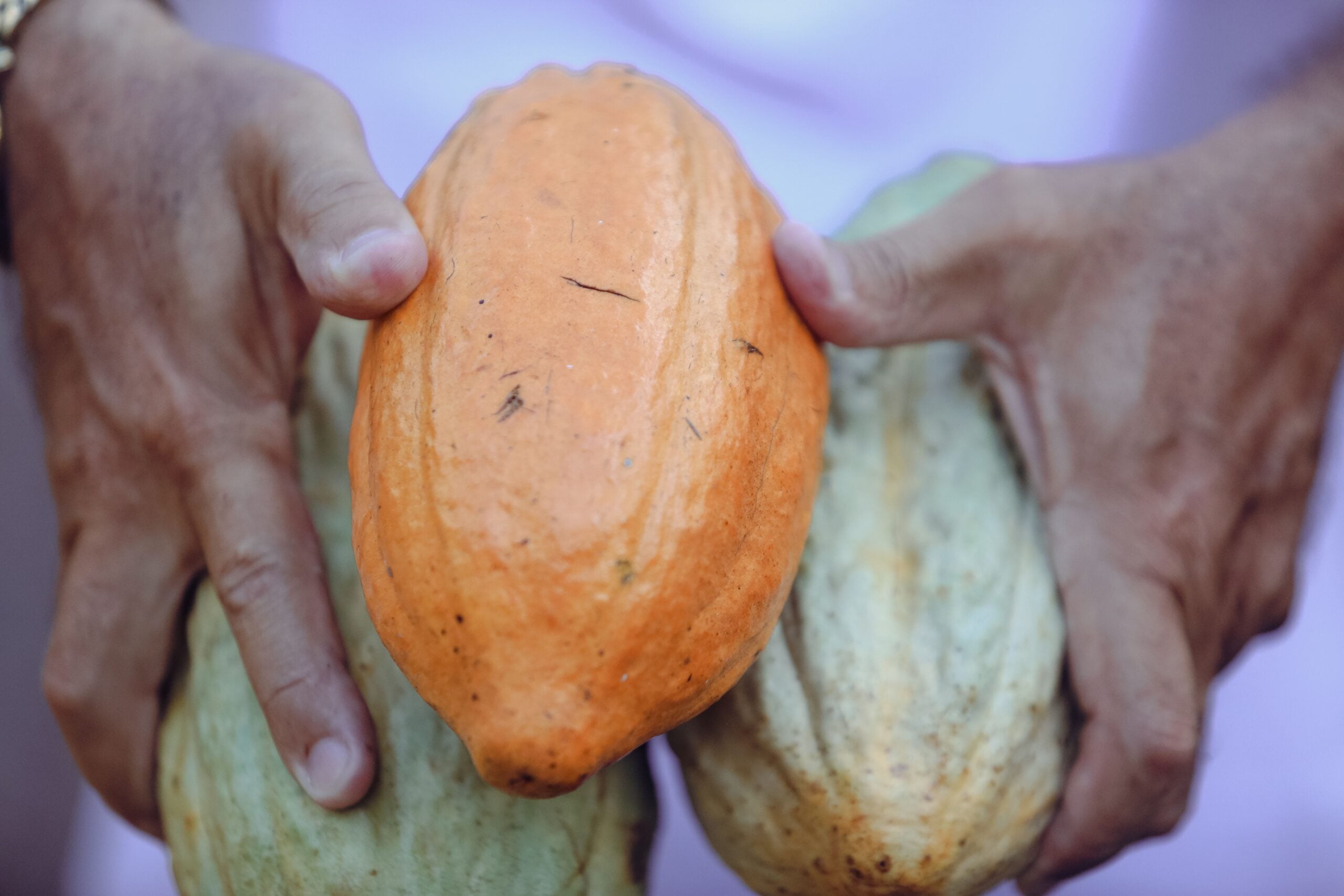
A huge share of the world's cocoa is grown by smallholder farmers. For years, major concerns in the sector have included low farm incomes, child labour risks and limited leverage for growers, especially in complex supply chains.
Groups such as the International Labour Organization and the U.S. Department of Labor have long documented child labour concerns in cocoa production in West Africa. Many large chocolate companies now publish sustainability reports, traceability goals and cocoa sourcing plans in response to pressure from governments, campaigners and consumers.
The hard part is that promises are easier to print than to prove at scale. The industry is moving toward more traceable supply chains, but progress varies by company and region, and experts continue to debate how much current programmes improve farmer livelihoods.
Rules on sourcing are getting tougher
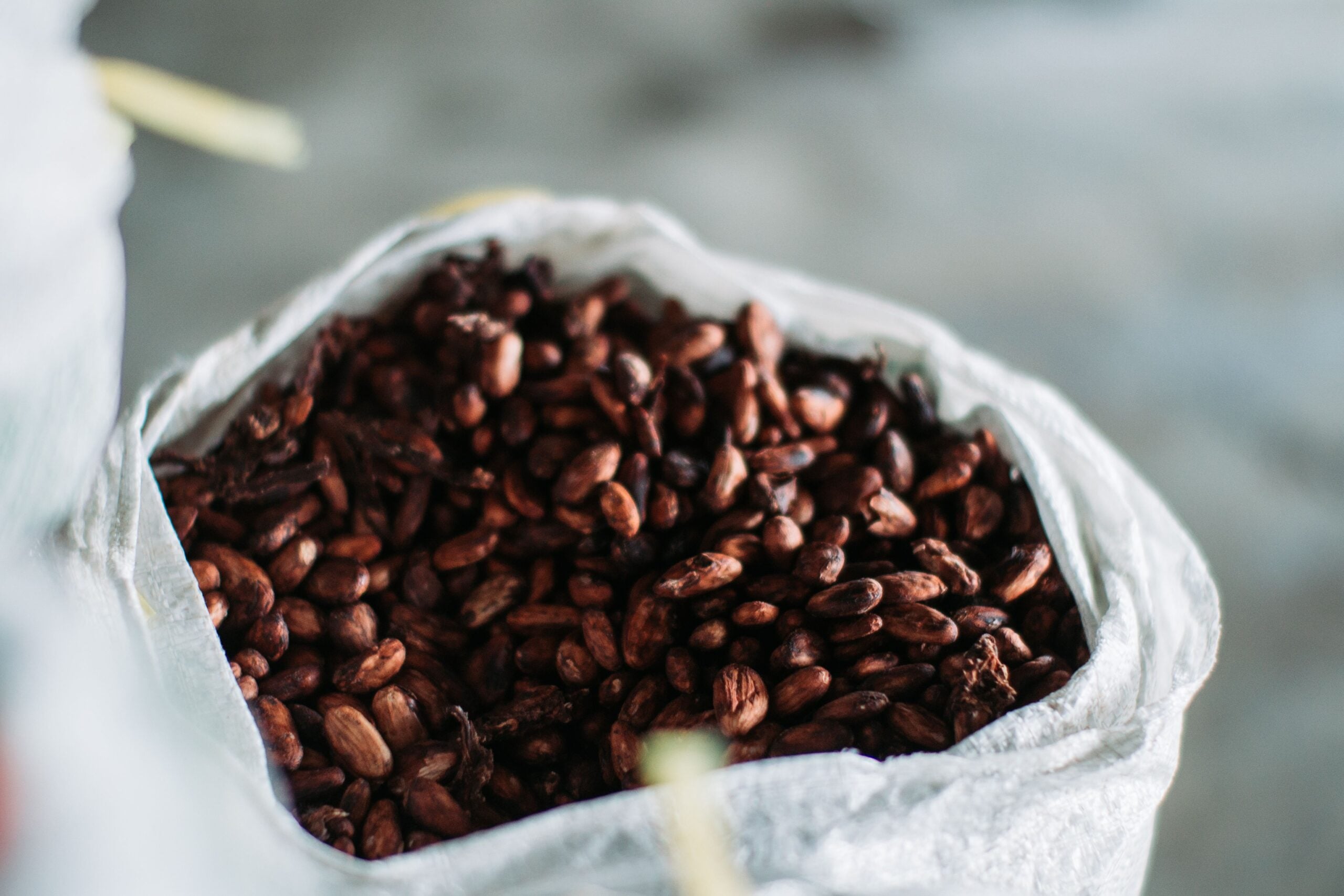
Chocolate companies are also facing stricter rules about where ingredients come from. One major example is the European Union Deforestation Regulation, which aims to restrict products linked to deforestation, including cocoa, from entering the EU market.
That matters well beyond Europe. Global chocolate brands often use shared sourcing systems, so new rules can shape record-keeping, mapping and supplier requirements across entire supply chains. Companies may need to show where cocoa was grown and when that land was cultivated.
For consumers, this is one of the less visible industry changes, but it is important. A chocolate bar can now carry more paperwork behind the scenes than many people would guess, and regulators want that paper trail to mean something real.
Shoppers are asking different questions
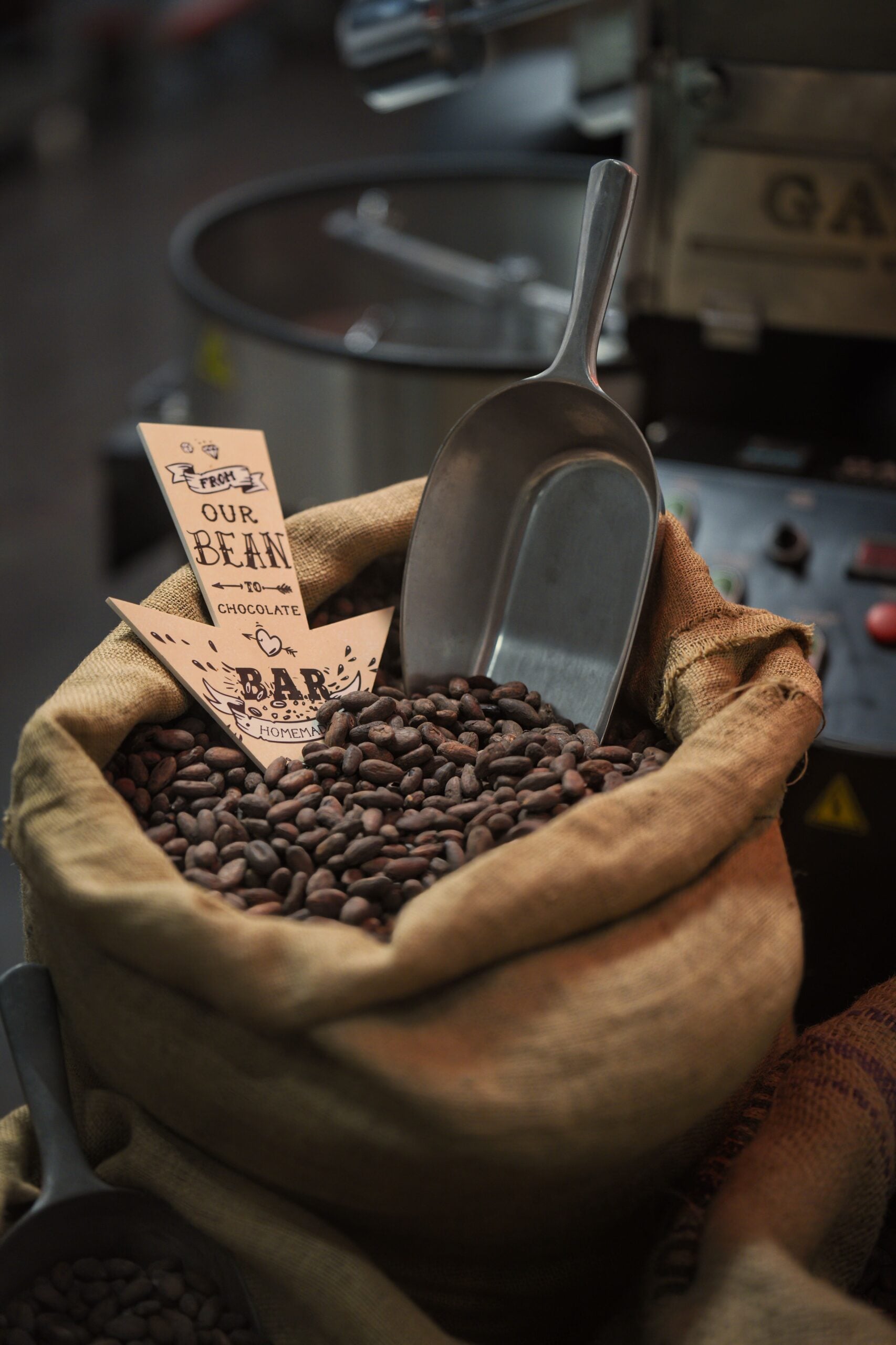
Taste still matters most, but many buyers now also look at sugar levels, ingredients, cocoa percentage and ethical claims. That helps explain the continued growth of dark chocolate, organic products and bars marketed around single-origin cocoa or more transparent sourcing.
There is also more interest in alternatives. Some companies are making chocolate with less sugar, while others are developing cocoa-free products that aim to mimic chocolate flavours using ingredients such as carob, grape seeds or fermented blends. These products are still a small part of the market, but they show where experimentation is heading.
In Canada, shoppers may also notice more label-focused marketing around allergens, plant-based ingredients and sustainability language. Not every claim means the same thing, so a careful read still beats glossy packaging.
Chocolate makers are rethinking the future

The industry is not changing in just one direction. Big manufacturers are trying to secure cocoa supplies, manage costs and meet new regulations, while smaller makers often focus on bean-to-bar production, direct trade relationships and more transparent storytelling.
There is also growing interest in science-led fixes. Researchers and agricultural groups are studying hardier cocoa varieties, disease management and better farm practices. Some food technology companies are even exploring cell-cultivated cocoa ingredients, though these remain early-stage and are not yet a mainstream replacement.
Taken together, the message is simple. Chocolate is not going away, but the path from cocoa pod to candy shelf is getting more complicated, more expensive and more closely watched than it used to be.




Leave a Reply