
A holiday table can look generous and polished without leaning on luxury ingredients. The trick is choosing a few low-cost staples that add gloss, colour, height and texture, so the whole meal reads special before anyone takes the first bite.
Fresh herbs

Nothing says "someone thought this through" like a platter finished with fresh herbs. Parsley, dill, rosemary and thyme are usually inexpensive compared with centre-of-the-plate proteins, but they do a surprising amount of visual work.
A scattering of chopped parsley brightens brown roasted foods instantly. Rosemary sprigs tucked around a roast or a cheese board create structure and a festive look, while dill makes smoked fish, potatoes and creamy dips seem more refined.
Herbs also signal freshness, which guests often read as quality. Use them at the very end so they keep their colour, and leave some sprigs whole for shape. It is one of the cheapest ways to make a dish look restaurant-minded.
Citrus
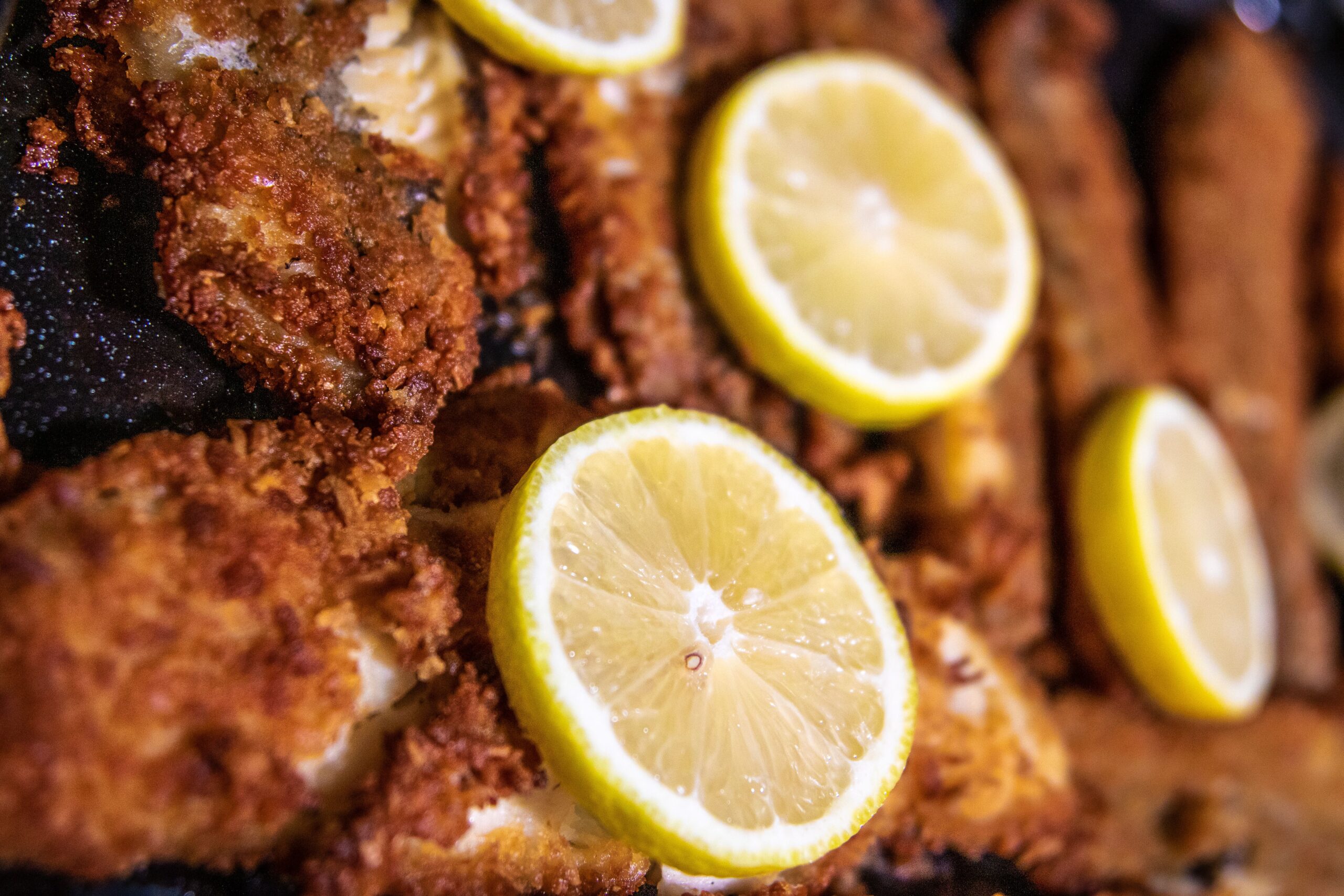
A bowl of lemons, oranges or clementines can pull double duty as ingredient and décor. Citrus is often affordable in winter, and its glossy peel brings natural colour to a table that might otherwise lean beige.
In food, lemon zest over vegetables, pasta or roast potatoes adds a bright finish that looks delicate and intentional. Orange slices can garnish platters, desserts or drinks, and even a few thin wedges make a simple spread feel more composed.
Citrus also helps balance richer holiday dishes, so it is not just there to look pretty. Keep the cuts neat and use a light hand. A few well-placed slices look elegant, while too many can start to feel like a fruit salad wandered off course.
Butter

Butter is not just for cooking, it is one of the easiest ways to give food that coveted holiday sheen. Brushed over rolls, spooned onto hot vegetables or melted over mashed potatoes, it adds gloss that photographs beautifully and makes food look cared for.
On a buffet or family-style table, that shine matters. It catches the light and gives simple dishes a richer appearance, even when the ingredient list is basic. A tray of carrots or green beans looks far more finished with a buttery glaze than without it.
Compound butter, which is just butter mixed with herbs, garlic or citrus zest, stretches this idea even further. A small dish of it beside bread, fish or steak looks thoughtful and costs far less than adding another premium side dish.
Nuts and seeds
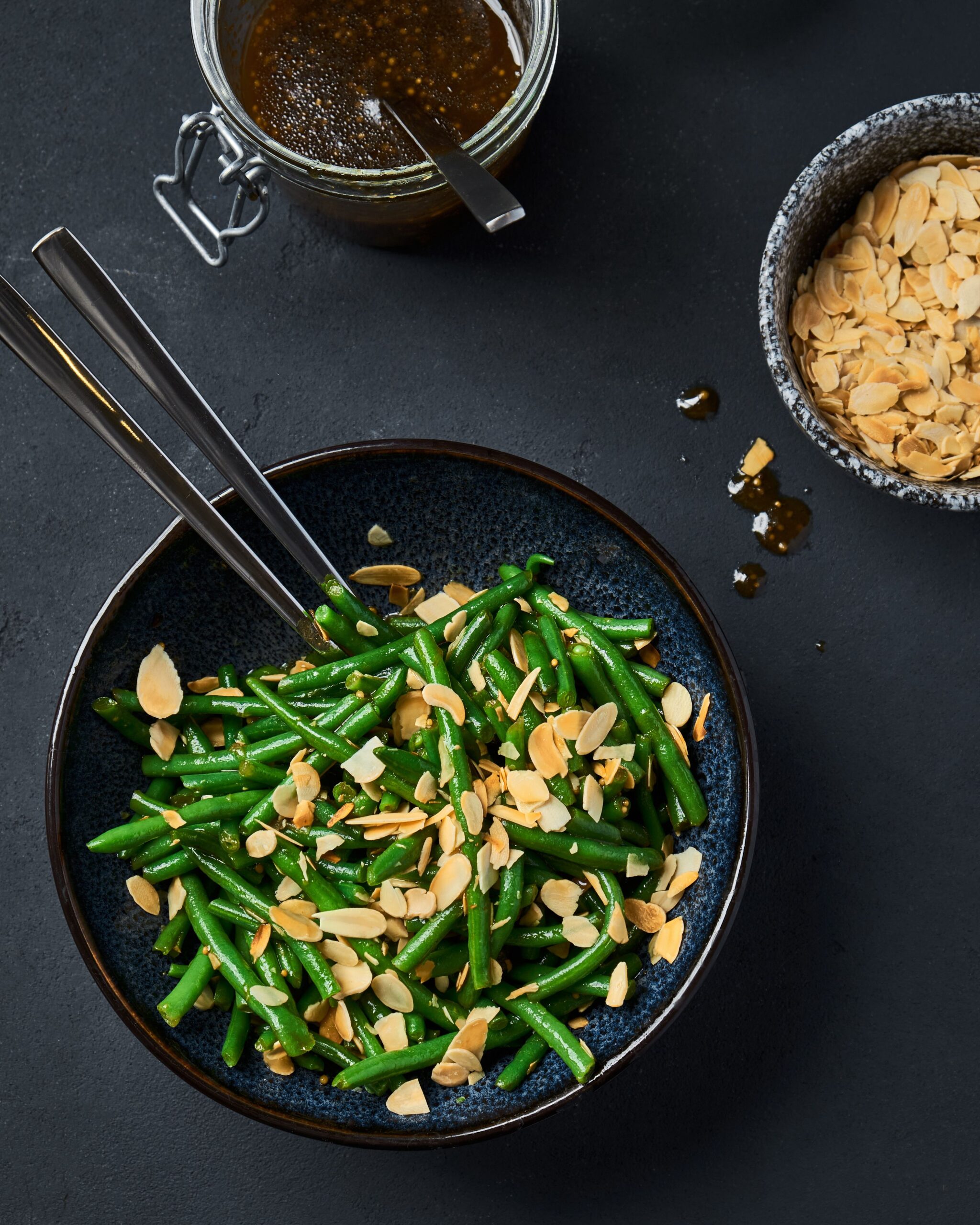
A small handful of nuts or seeds can make an ordinary dish look much more layered. Toasted almonds on green beans, pumpkin seeds on soup, or walnuts over roasted squash create contrast that people often associate with restaurant plating.
Texture is part of the appeal. Soft foods can look flat on a holiday table, but a crisp topping adds dimension and makes a casserole, salad or side dish seem more complete. Toasting also deepens colour, which helps the garnish show up better in photos and in person.
Because nuts and seeds are used in small amounts, they can be budget-friendly even when the bag itself seems pricey. The key is restraint. You want a finishing touch, not a gravel path across the stuffing.
Onions
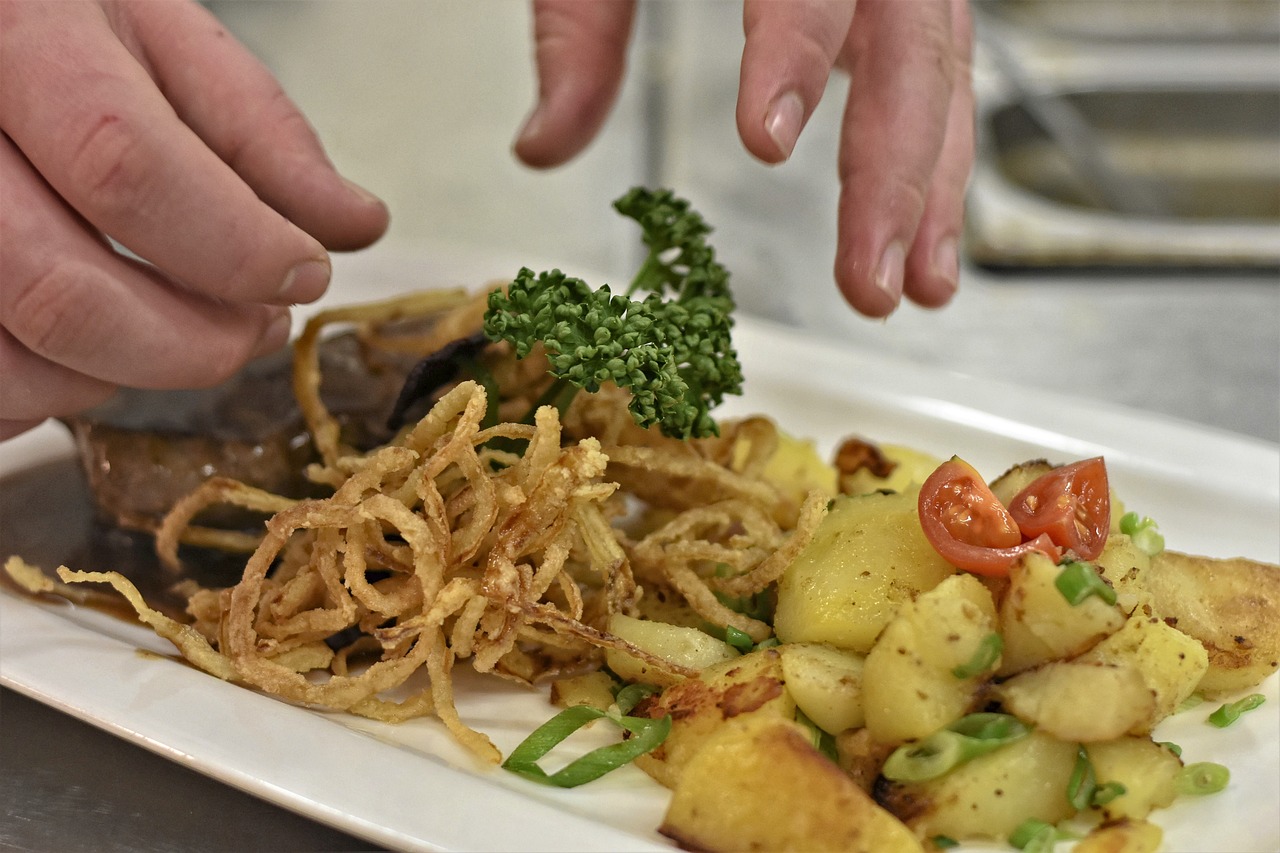
Few ingredients give more return for less than onions. When roasted, caramelized or crisped, they turn sweet, golden and deeply aromatic, adding the kind of colour and drama that makes a platter look rich.
Caramelized onions, cooked slowly until browned, can be spooned over mashed potatoes, tarts, dips or roast meat. Crispy fried onions add height and crunch to casseroles and vegetable sides, while red onion slices bring a jewel-toned pop to salads and platters.
They also make a kitchen smell festive and deeply savoury, which shapes how the table is experienced before anyone sits down. For such a basic ingredient, onions do a remarkable amount of stage work.
Pomegranate seeds
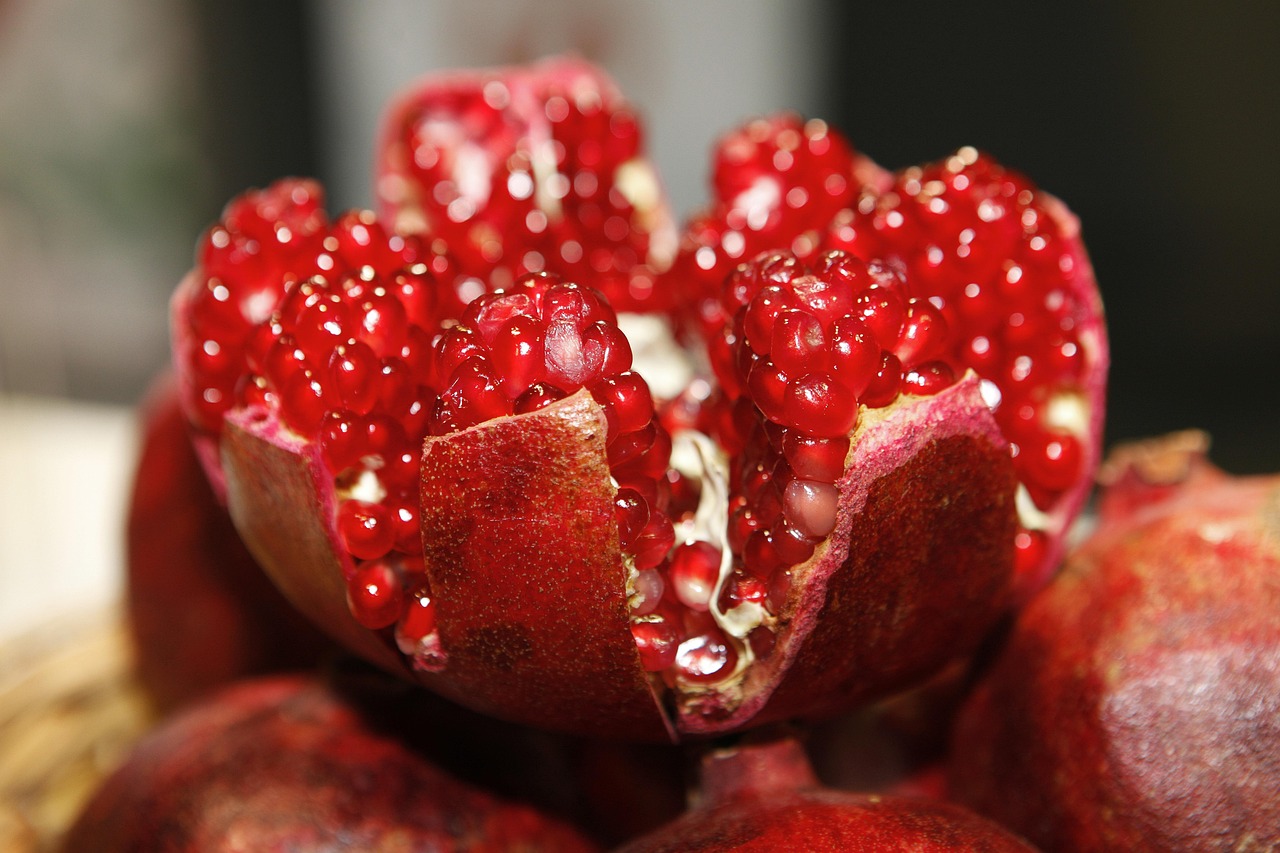
If one cheap ingredient can fake a special-occasion look in seconds, it is pomegranate seeds. Their glossy ruby colour stands out against creamy dips, roasted vegetables, grains and desserts, making even humble dishes look more styled.
You do not need many. A spoonful scattered over hummus, labneh, salads or glazed carrots adds contrast, sparkle and a little tartness that cuts through richer holiday foods. That balance is part of why the garnish feels purposeful instead of purely decorative.
Pomegranate seeds work especially well when the rest of the dish is neutral in colour, because they draw the eye immediately. Think of them as edible confetti, only smarter and far better behaved.

Leave a Reply