
A steakhouse-style dinner does not have to start with the most expensive cut in the meat case. Chuck eye steak, cut from the chuck primal next to the rib section, has the kind of marbling and deep beef flavor that responds especially well to a hot sear, a quick cook, and a simple pan sauce.
Chuck eye steak
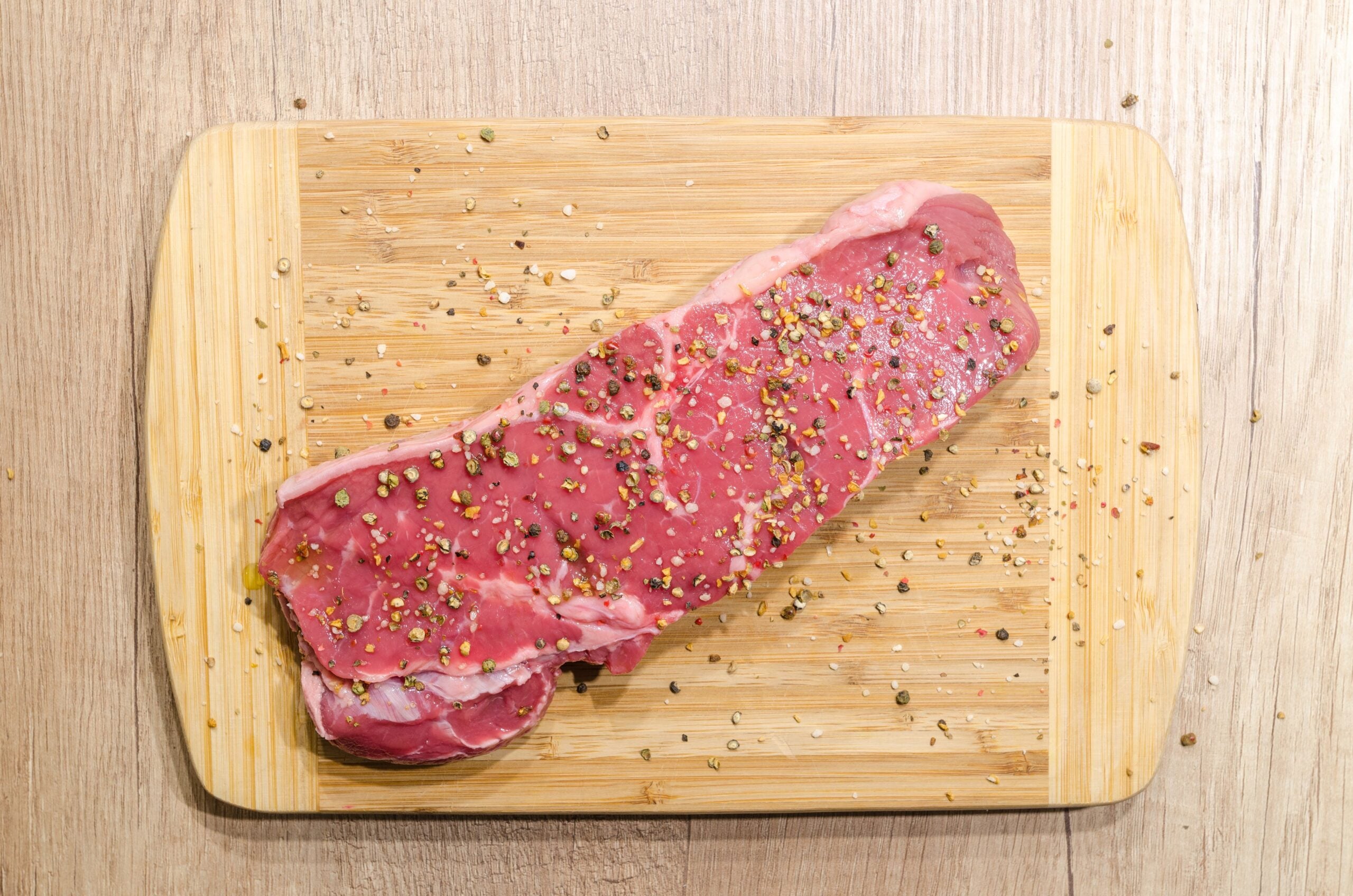
This is the budget cut worth knowing before anything hits the pan. Chuck eye steak comes from the chuck eye roll, close to the ribeye end, which is why butchers and cooks often compare it to ribeye in flavor. The USDA describes the chuck primal as the shoulder, and that location matters because it produces beefy taste with a little more chew than premium middle cuts.
It is usually less expensive than ribeye, but price varies by store, grade, and region, so the smarter takeaway is not a fixed bargain number. Look instead for good marbling, meaning thin streaks of fat through the meat, and steaks that are at least about 1 inch thick. A thicker steak is easier to brown hard on the outside before the center overcooks.
Salt first, then wait
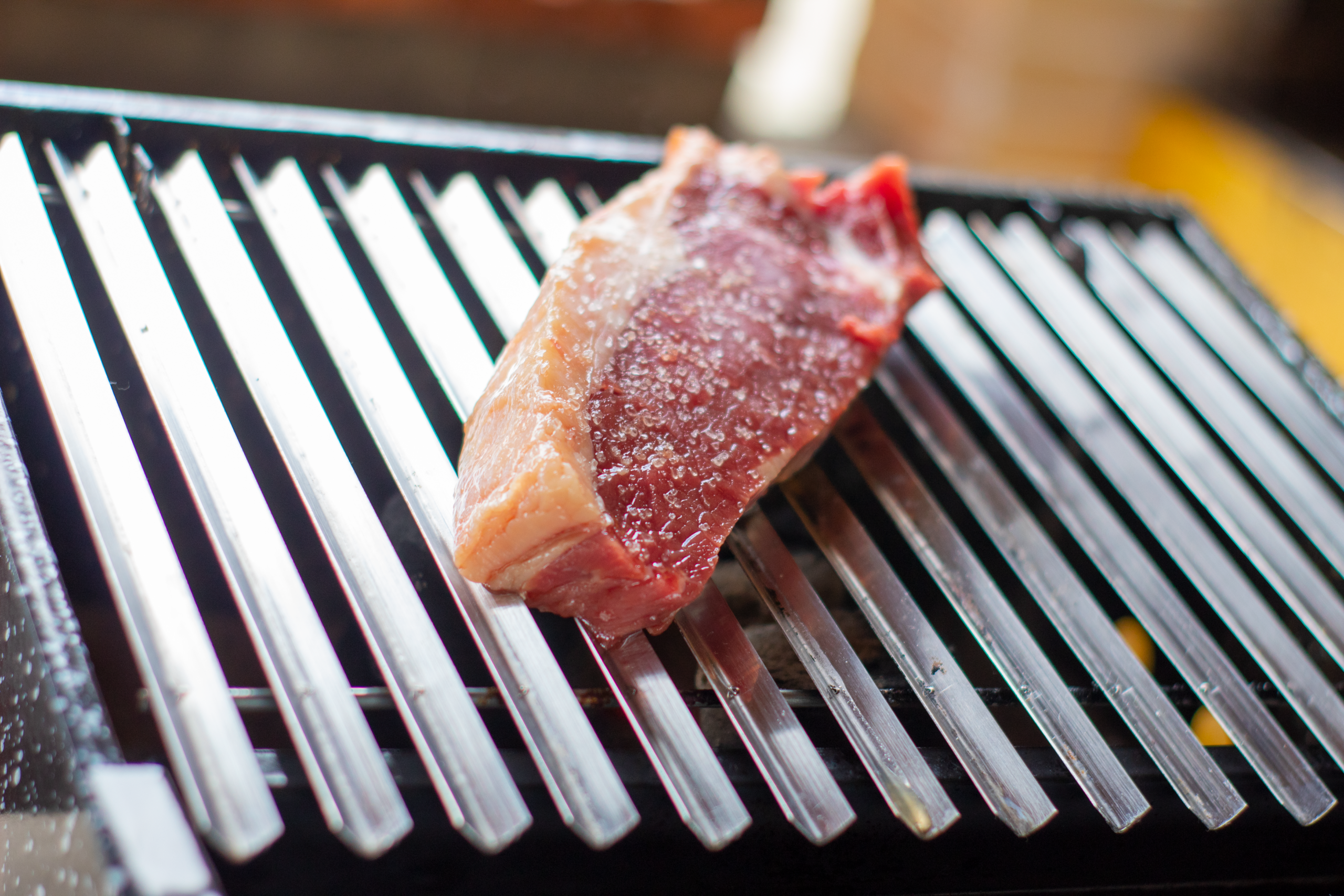
The biggest improvement often happens before cooking starts. Salting the steak in advance acts like a dry brine, giving the salt time to season the meat more deeply and help the surface dry out. A drier surface browns better, and browning is where much of that steakhouse flavor develops.
For a home cook, even 40 minutes helps, and an overnight rest on a rack in the refrigerator can work even better if you have time. Keep the seasoning simple at this stage, salt and black pepper are enough. Chuck eye already brings plenty of flavor, and heavy marinades can mask the taste you are trying to highlight.
Sear it in a hot skillet
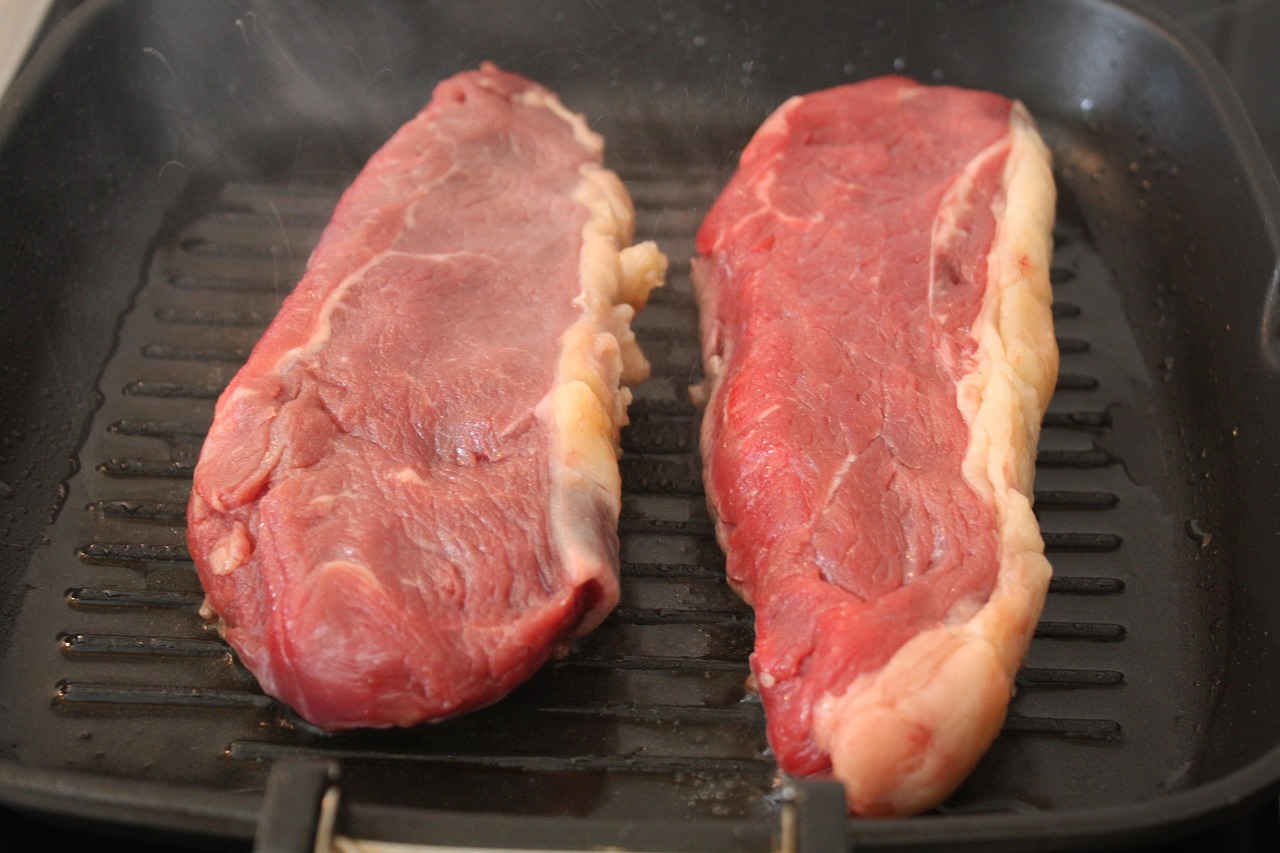
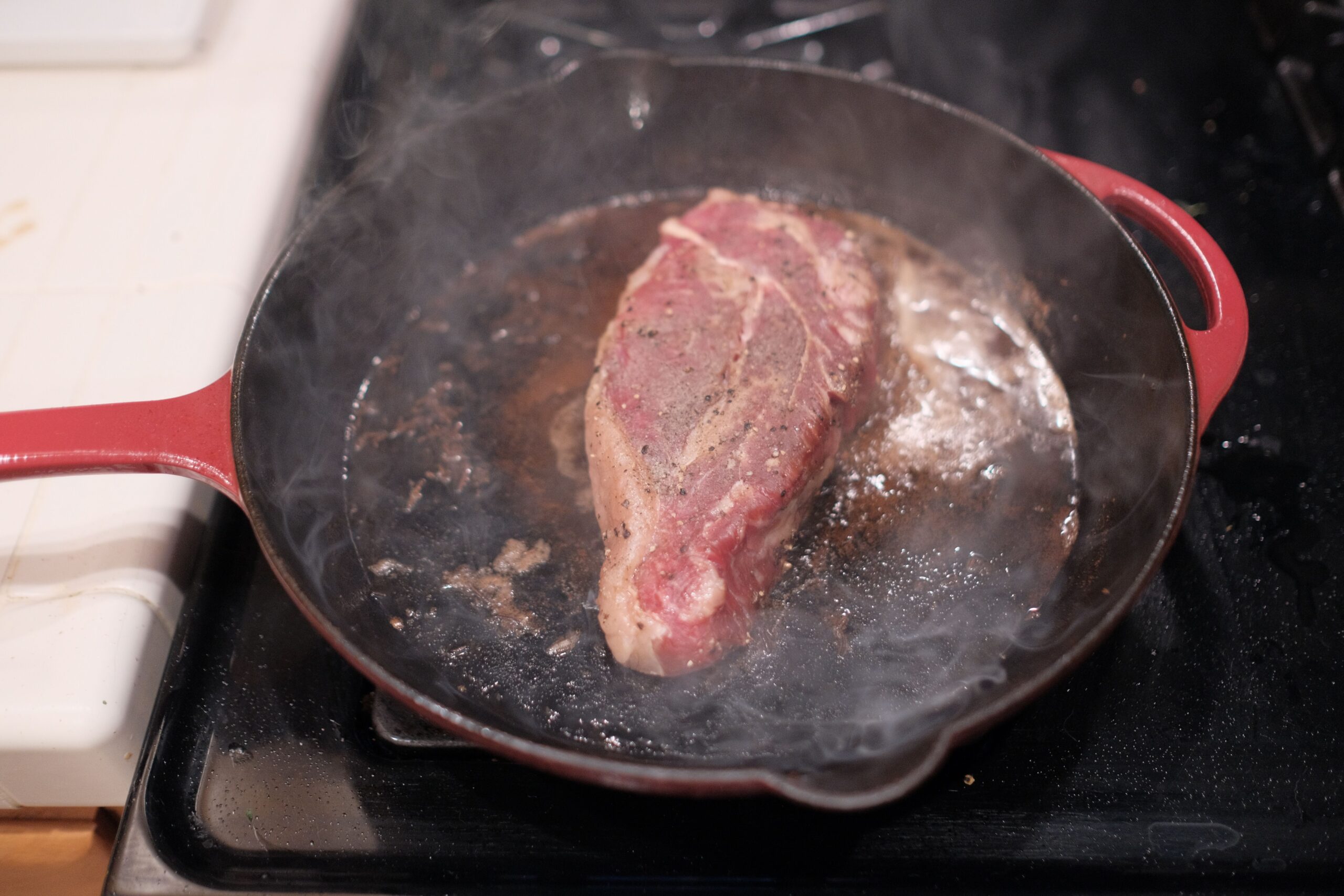
This is the move that makes an affordable steak feel expensive. A heavy skillet, especially cast iron, holds heat well, which helps create the dark crust associated with steakhouse cooking. The goal is not a gentle saute. It is a fast, high-heat sear that browns the outside while keeping the inside juicy.
Pat the steak dry before it goes into the pan, then add a high-heat oil and lay the meat down carefully. Once it is in contact with the skillet, leave it alone long enough to build color. If the steak sticks at first, that is normal. It usually releases more easily once the crust forms.
Baste with butter and aromatics
Here is where the steak starts to smell like a restaurant dining room. After the initial sear, lower the heat slightly and add butter along with aromatics like crushed garlic and fresh thyme or rosemary. Tilt the pan and spoon the foaming butter over the steak repeatedly for the last minute or two of cooking.
This technique layers flavor onto the surface and helps the meat cook more evenly. It also gives you a flavorful base in the pan for a quick finish. Butter can burn if added too early over very high heat, which is why it works best after the crust is already established.
Rest, then slice the right way

A great steak can lose ground fast if it is cut carelessly. Resting the meat for several minutes after cooking gives the juices time to redistribute instead of running onto the plate immediately. That makes each bite taste fuller and keeps the texture from seeming drier than it really is.
Chuck eye can also benefit from thoughtful slicing. Because it comes from the shoulder area, it may have more distinct muscle structure than ribeye. Slicing across the grain shortens those muscle fibers, making the steak easier to chew. If you serve it whole, still pay attention to grain direction when diners cut into it.
Finish with a simple pan sauce
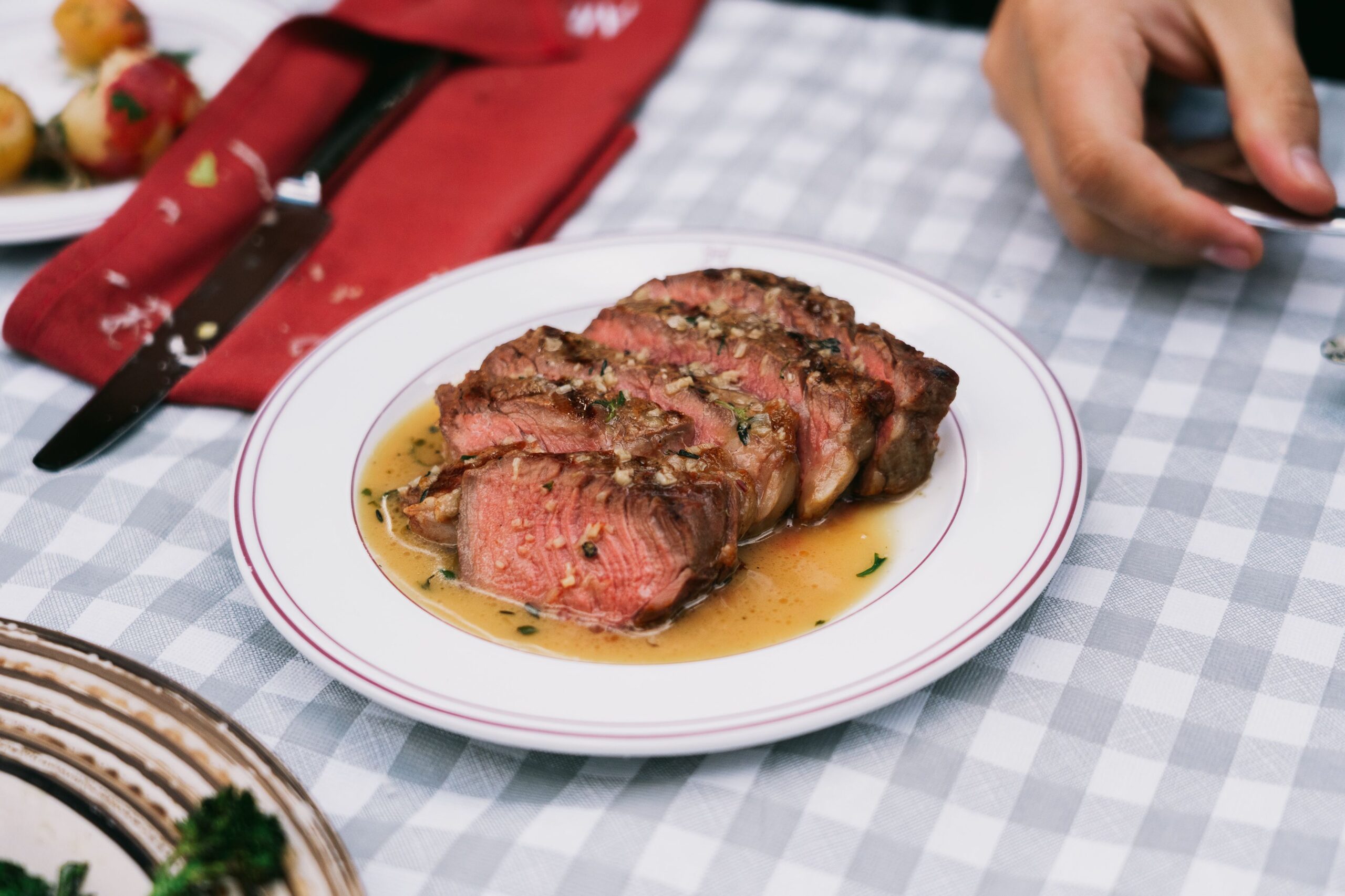
The closing touch is often what makes dinner feel complete. After the steak rests, you can pour off excess fat, keep the browned bits in the skillet, and add a small splash of stock to loosen them. Those browned bits are concentrated flavor built during the sear and basting steps.
Reduce the liquid briefly, then whisk in a little butter for gloss. If you want brightness, a small amount of mustard or a squeeze of lemon can sharpen the sauce without covering up the beef. Spoon it around or over the sliced chuck eye, and the result reads much closer to steakhouse dinner than weeknight compromise.



Leave a Reply