
It sounded like a joke to many Americans at first. Then poutine crossed the border, entered serious kitchens, and quietly became one of New York's most familiar comfort foods.
Why poutine was easy to dismiss
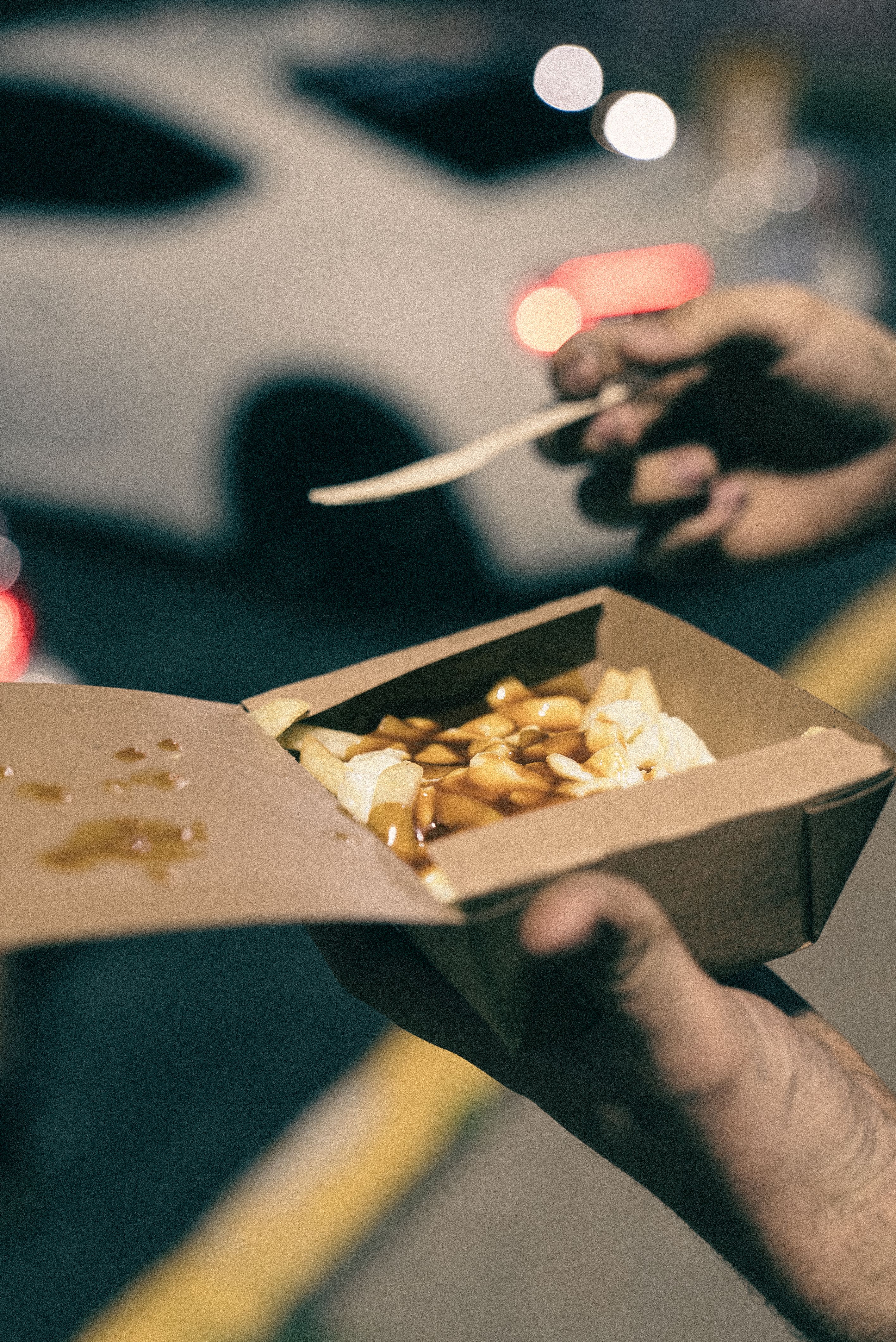
Poutine has humble roots, and that shaped how outsiders saw it. The dish emerged in Quebec in the late 1950s, most often traced to rural snack bars where hot fries were topped with fresh cheese curds and brown gravy. To many Canadians, especially in Quebec, it was never a novelty. It was ordinary, filling, and deeply local.
In the United States, though, poutine arrived stripped of context. Americans who first heard about it often focused on the name, the heavy ingredients, or the supposedly odd idea of squeaky cheese curds. For decades, it was framed as a late-night stunt food, not something worthy of culinary respect. That reaction had less to do with taste than with image.
There was also a cultural bias at play. American food media long treated Canadian cuisine as secondary, borrowing attention only when tied to maple syrup, bacon, or hockey clichés. Poutine became an easy target because it looked excessive and unfussy at a time when many urban dining trends prized refinement. A dish served in paper trays from casse-croûtes in Quebec did not fit the polished idea of what "serious" food should look like.
Yet those very qualities would later help it succeed. Poutine was cheap, comforting, customizable, and instantly understandable after one bite. Under the laughter, it had the most important quality any dish can have: people wanted to eat it again.
The Quebec roots that made it endure
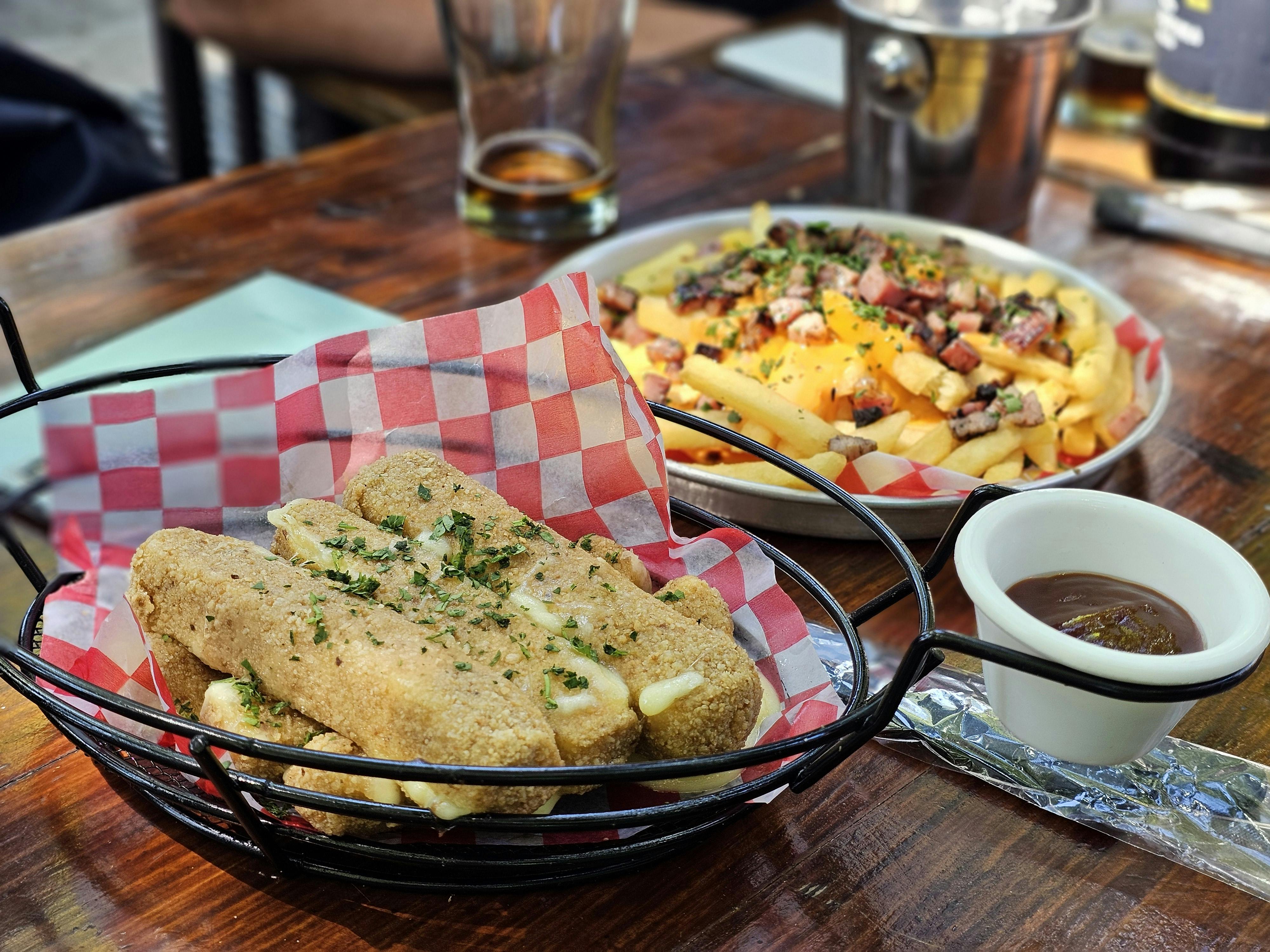
The strength of poutine comes from its structure, not from gimmickry. A proper version depends on three elements working in balance: crisp fries, fresh cheese curds, and hot gravy poured at the right moment. The fries must stay firm enough to hold texture. The curds should soften but not fully melt. The gravy must bind everything without turning the dish into soup.
Food historians and restaurateurs in Quebec have long emphasized that poutine was built from practical ingredients found in dairy and potato country. That matters because the dish was never invented for spectacle. It came from real regional supply chains and from snack bars serving workers, families, and travelers. Its popularity grew because it answered a basic demand for affordable satisfaction.
By the 1980s and 1990s, poutine had spread well beyond rural Quebec and into fast-food chains, diners, and city restaurants across Canada. What some critics called crude was actually a sign of flexibility. The dish worked at roadside counters and in busy urban settings. It could be eaten after a hockey game, at a truck stop, or during a winter lunch break.
That staying power is one reason New York eventually embraced it. Trends fade quickly when they rely only on novelty. Poutine survived in Canada for decades because it had a stable identity, a loyal audience, and an emotional connection to place. New York chefs did not invent its appeal. They recognized it.
How New York chefs turned a joke into a trend

New York rarely adopts a dish just because it is famous somewhere else. It adopts food when chefs see room for reinterpretation and diners see immediate pleasure. Poutine offered both. As gastropubs expanded in the 2000s and early 2010s, menus began leaning into rich, sharable comfort foods with culinary credibility. Poutine fit that mood almost perfectly.
Chefs in Manhattan, Brooklyn, and Queens started with the classic model, then built around it. Some used duck gravy, short rib, smoked brisket, or mushroom stock. Others swapped in sweet potato fries, added foie gras, or sharpened the sauce with peppercorns and wine reduction. The core idea stayed intact, but the presentation shifted from roadside snack to urban menu feature.
This was also the era when diners became more curious about regional North American foods. Canadian dishes no longer felt automatically foreign or laughable. Consumers had already embraced once-overlooked specialties from across the continent, from Southern biscuits to Mexican birria. Poutine benefited from that broader appetite for dishes with strong local identities and indulgent flavors.
Importantly, New York gave poutine visibility across price points. It appeared in bars, food halls, bistros, sports venues, and upscale restaurants. Once a dish is available in multiple formats, it stops looking like a gimmick and starts becoming part of the city's food language. That is exactly what happened.
Why the dish works so well on modern menus
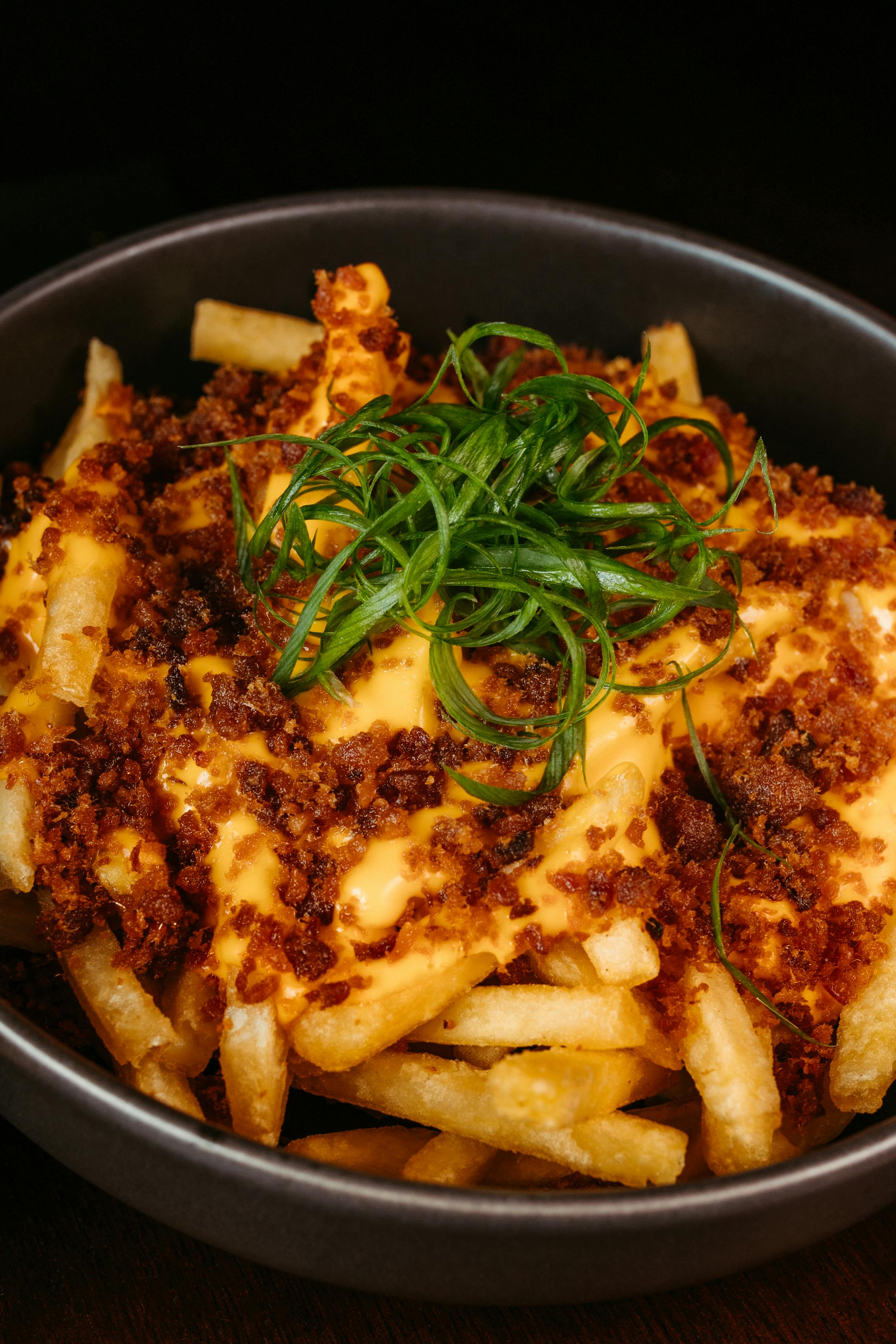
Poutine succeeded in New York because it solves several restaurant problems at once. It is easy to describe, quick to crave, and profitable when executed well. Fries are familiar, gravy signals comfort, and cheese adds indulgence. Even diners who have never heard the word "poutine" can understand the dish in seconds once a server explains it.
It also performs exceptionally well in social settings. Restaurants want dishes that can anchor casual meals, pair with beer or cocktails, and photograph attractively enough for digital sharing. A well-made poutine arrives hot, glossy, and dramatic. Steam rises, gravy coats the fries, and the curds create visible texture. It looks generous, which matters in a city where value is constantly judged.
From a culinary standpoint, poutine is a flexible platform. It can be vegetarian with onion gravy and mushrooms, or deeply meaty with braised beef and roasted bone stock. It can sit on a brunch menu under poached eggs or appear on a late-night list beside burgers and wings. Few dishes move that easily between dayparts and price tiers.
That adaptability helps explain its staying power. New York menus change constantly, but items that can evolve without losing their identity tend to last. Poutine belongs to that category. It offers structure, comfort, and room for reinvention, which is exactly what modern restaurants want.
The American shift from mockery to appetite

Public opinion changed not through debate but through repetition. Once Americans actually tasted good poutine, the old punchlines started to feel outdated. The supposed weirdness of cheese curds mattered less than the sensory logic of the dish. Salty fries, savory gravy, and creamy dairy create a combination that is deeply familiar, even if the name once felt foreign.
Food television, travel coverage, and the rise of culinary tourism also played a role. As more Americans visited Montreal and Quebec City, they encountered poutine in its natural environment and understood it as culture rather than caricature. That kind of exposure matters. Dishes often seem strange only until people see who eats them, when they eat them, and why they love them.
There was another shift in taste at work. American diners have become more open to foods once dismissed as too heavy, too regional, or too informal. Comfort food now carries prestige when prepared thoughtfully. Mac and cheese, fried chicken sandwiches, and loaded tots all moved from casual fare into chef-driven menus. Poutine followed that same path, but with a cross-border twist.
Today, the laughter has largely disappeared because the market made its judgment. New Yorkers order poutine because it delivers. It satisfies in winter, pairs well with drinks, and invites variation without becoming unrecognizable. In food culture, that is how skepticism usually ends: not with an apology, but with an empty plate.
What poutine's rise says about food culture now

Poutine's journey from Canadian punchline to New York staple reveals how food reputations are often shaped by distance and assumption. People mock what they do not yet understand, especially when a dish comes from a place they underestimate. For years, American attitudes toward Canadian food were filtered through stereotype. Poutine outgrew that narrow frame because diners finally encountered the real thing.
Its rise also shows that authenticity and adaptation do not have to be enemies. New York's best versions usually respect the original structure even when they add luxury ingredients or local flair. That balance is important. A dish survives cultural travel when chefs know what must stay the same and what can change. With poutine, the soul of the dish remains clear.
There is also a bigger lesson about comfort food. In uncertain times, diners return again and again to dishes that feel generous, warming, and emotionally direct. Poutine offers all three. It is not elegant in the traditional sense, but elegance is not always what people seek. Sometimes the most durable food is the kind that meets hunger honestly.
That is why poutine now appears on menus far beyond novelty-driven bars. It has become part of mainstream urban dining because it answers a timeless need. What Americans once laughed at turned out to be a dish with history, craftsmanship, and remarkable staying power. New York did not rescue poutine. It simply caught up.




Leave a Reply