
Maple taffy on snow looks simple, but it carries a long seasonal history. In Quebec and eastern Ontario, this sticky candy became part of spring at the sugar shack, where fresh syrup, cold snow and a quick hand with a wooden stick turned a dare into a tradition.
The candy starts with sap season
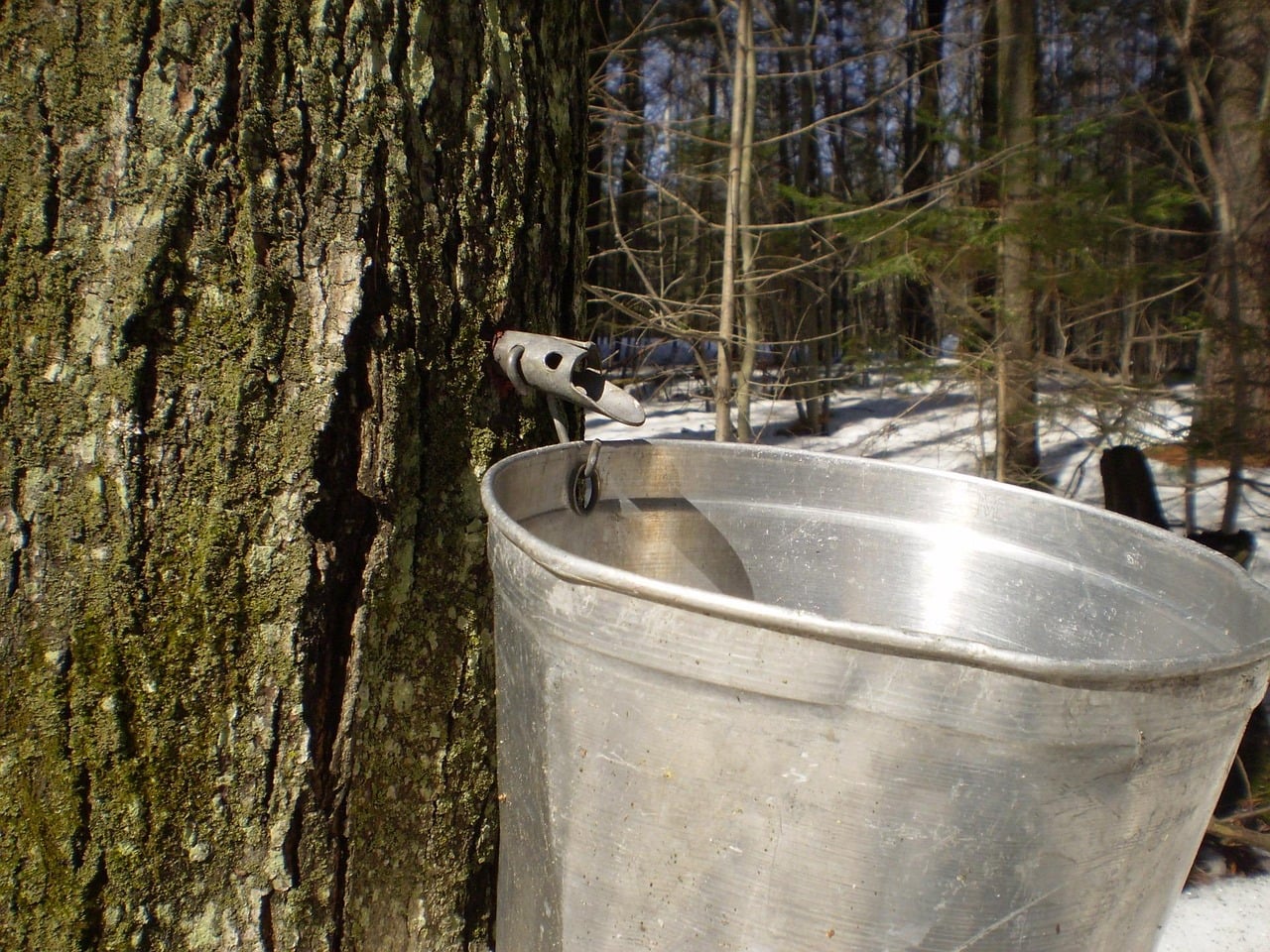
Maple taffy depends on a narrow moment in the year, when daytime temperatures rise above freezing and nights fall below it. That swing helps sap flow in sugar maple trees, which are tapped in late winter and early spring across Quebec and parts of eastern Ontario.
The sap is boiled into maple syrup, then heated further for taffy. Poured onto clean packed snow, the hot syrup cools fast and thickens into a soft, chewy strip that can be rolled around a stick. The process is quick, visible and easy to share, which helps explain why it became such a lasting ritual.
Quebec gave the ritual its home
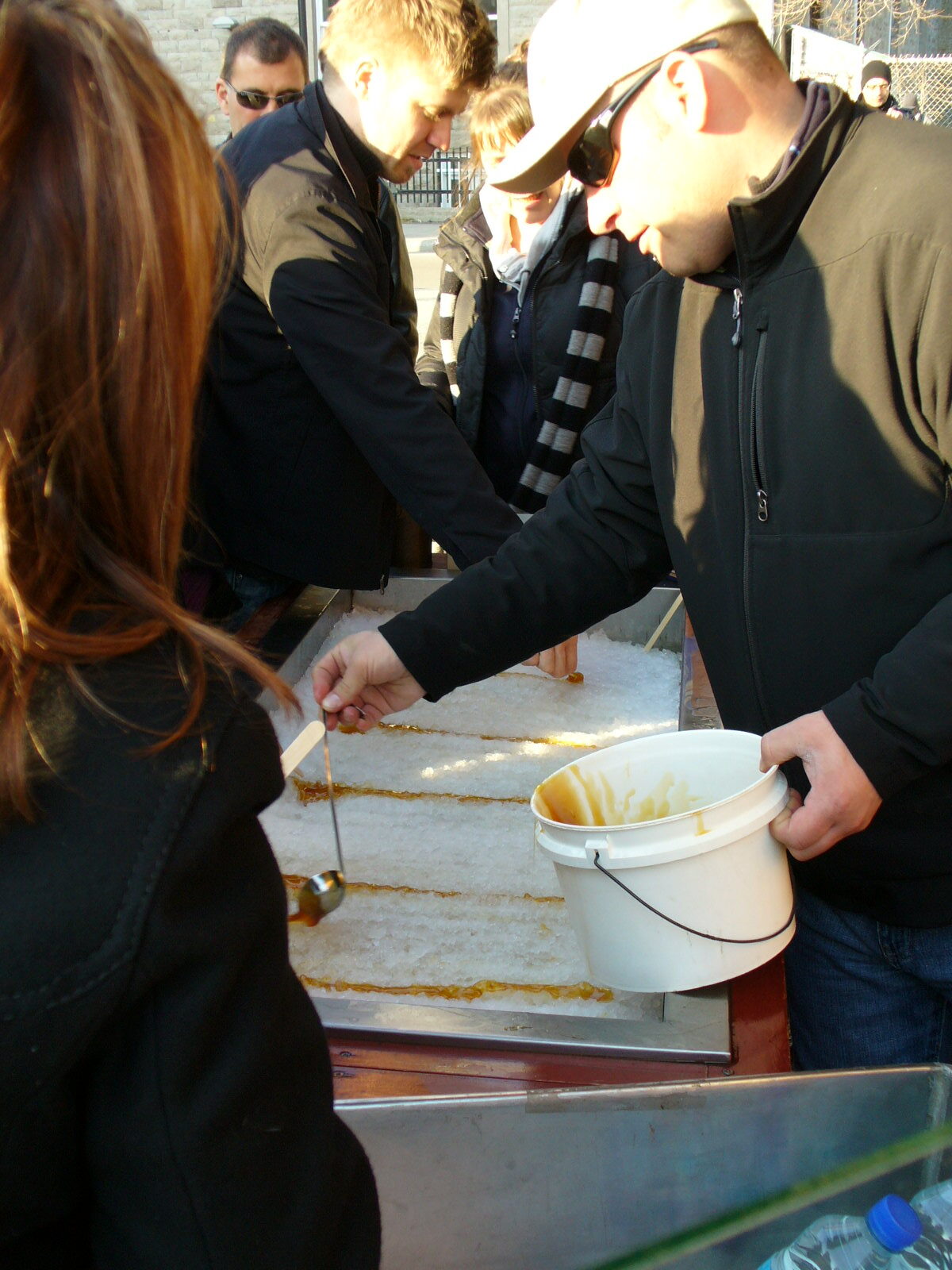
If maple taffy has a cultural home, it is Quebec. The province produces most of Canada's maple syrup, and the sugar shack, or cabane à sucre, turned syrup season into a full social event built around food, music and spring gatherings.
At these rustic seasonal spots, taffy on snow became more than dessert. It was part performance, part treat, and part marker of the thaw after a long winter. The act of pouring syrup onto snow in front of waiting children gave the custom a playful energy, but repeating it every spring gave it the weight of tradition.
A playful challenge became a custom
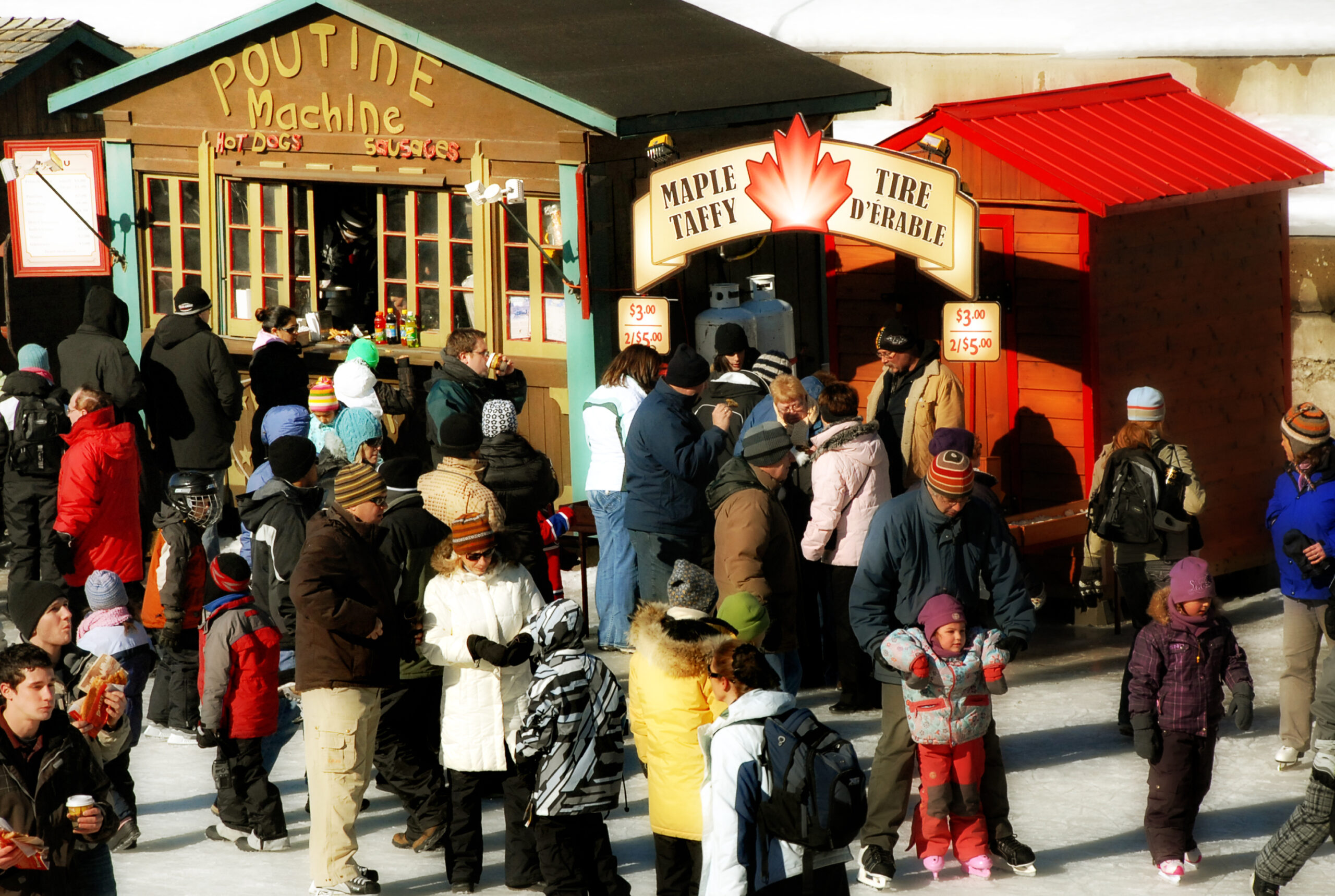
One reason maple taffy feels memorable is that it has always involved a bit of timing and nerve. Hot syrup had to be poured at the right temperature, and the eater had to catch the moment when it was cool enough to roll but still soft enough to pull from the snow.
That made it feel like a small challenge, especially for children at sugar shacks. The fun was practical too. Fresh snow acted like a chilling tray, and wooden sticks made the candy easy to handle. Over time, what began as a playful test of patience and speed settled into a ritual people expected as part of the season.
The snow matters as much as the syrup
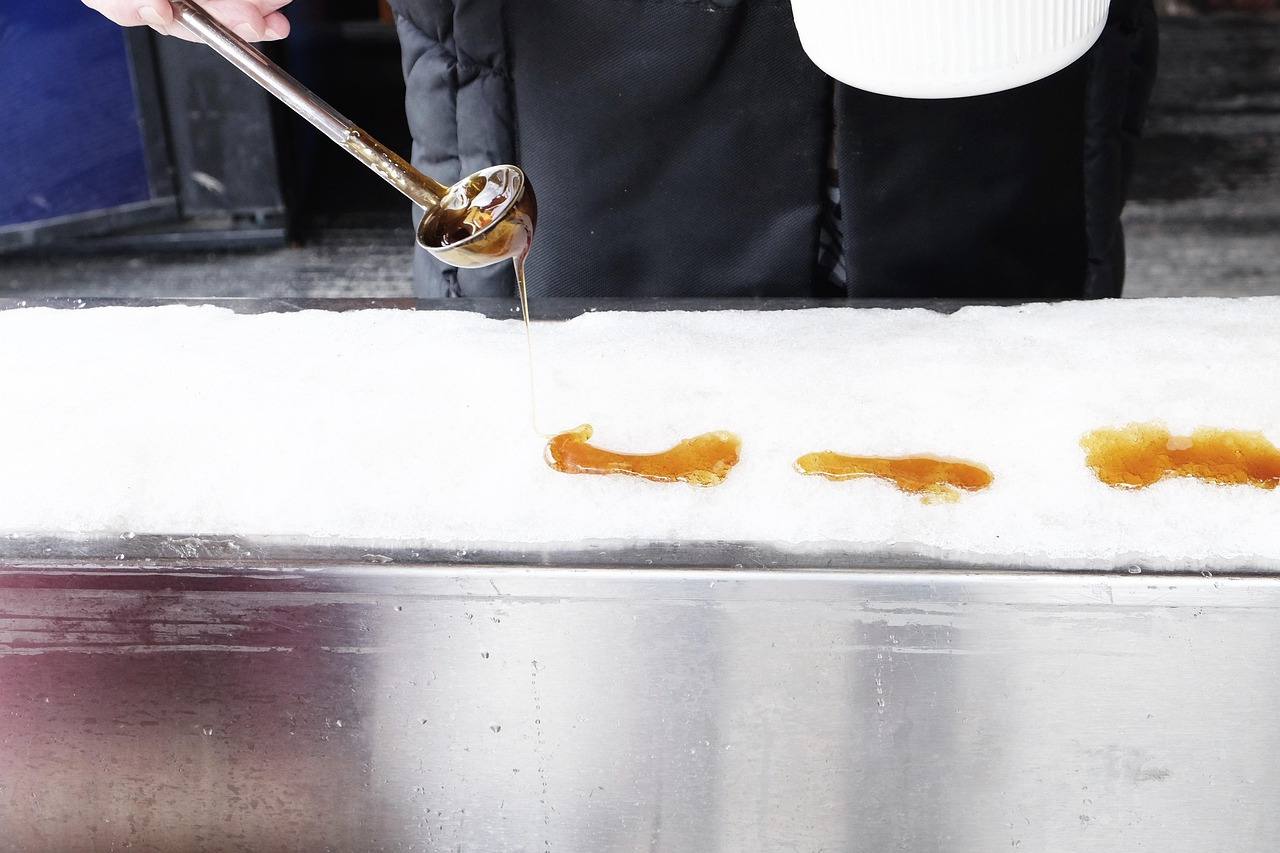
Maple taffy is not just syrup poured anywhere cold. It traditionally relies on clean, fresh snow, packed into long troughs or shallow beds so the syrup sets evenly on contact. Too little snow, overly icy snow or dirty snow changes the texture and the experience.
That detail helps explain why the treat is tied so closely to place and season. It is not easily detached from late winter landscapes in eastern Canada. In sugar shack settings, the snow becomes part of the recipe itself, not just a backdrop, and that gives the candy a sense of immediacy that factory sweets cannot match.
Eastern Ontario shares the tradition
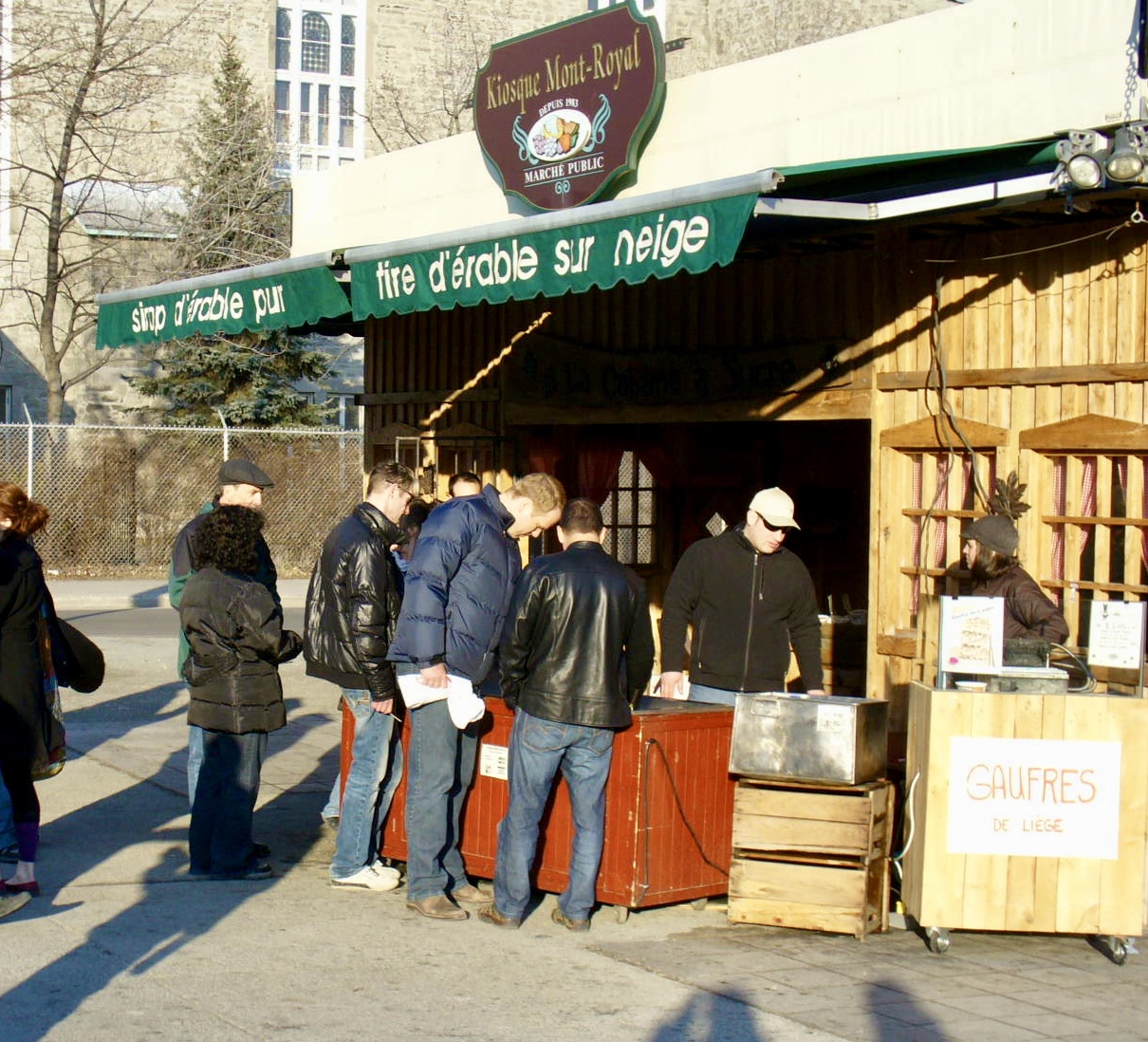
Though Quebec is most closely linked with maple taffy, eastern Ontario has long shared the same spring rhythm. Communities with strong maple producing traditions developed their own sugar bushes and seasonal gatherings, where taffy on snow became a familiar sign that winter was loosening its grip.
In both regions, the custom connects farm work with celebration. Making syrup is labor intensive, but taffy offers an instant reward from that work. The result is a food tradition that feels local and communal at the same time, rooted in climate, landscape and the annual return of the sugaring season.
Today it is treated with real respect
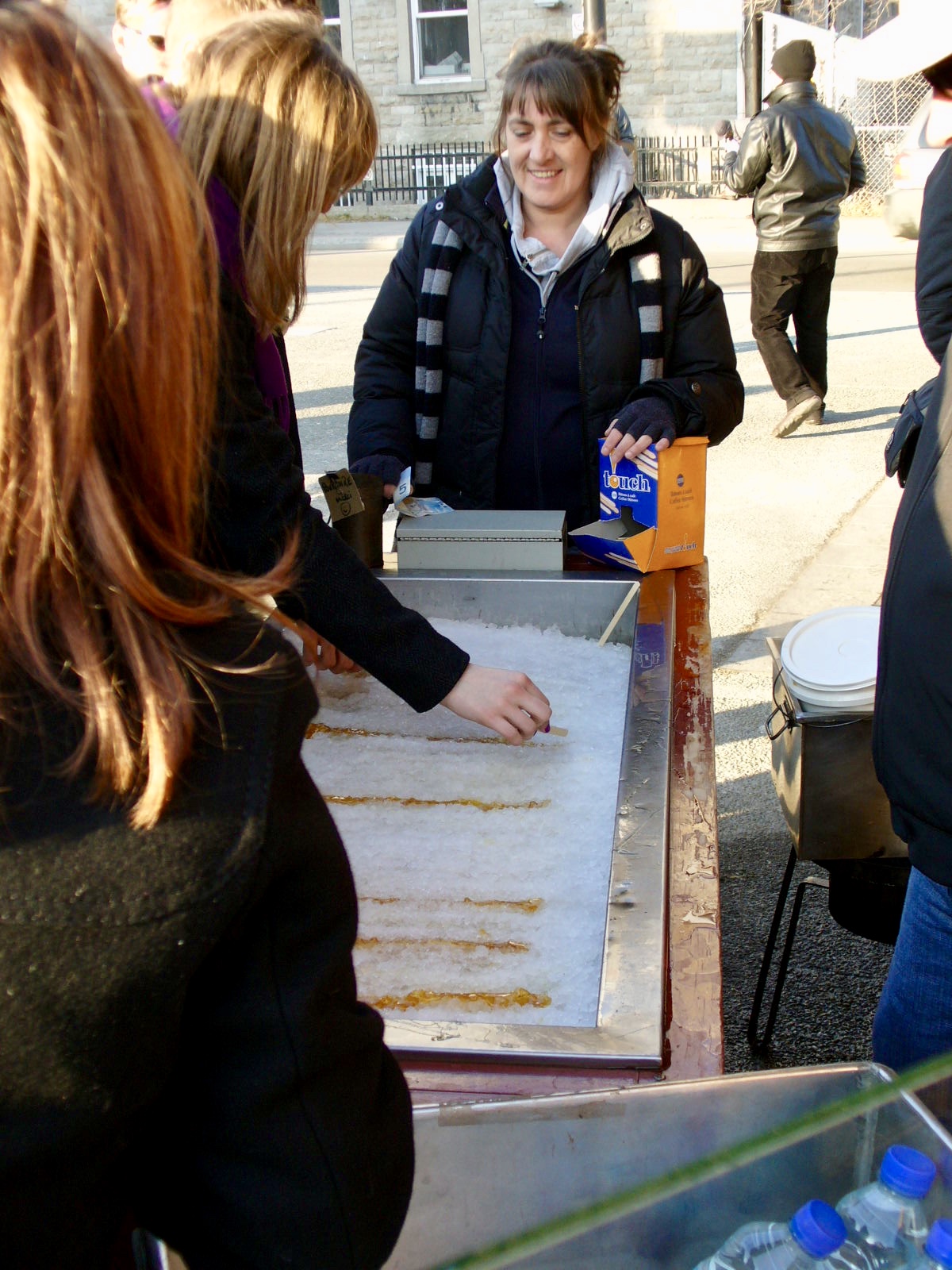
Modern maple taffy still has the joy of a child's treat, but it is not handled casually. Producers pay attention to syrup quality, temperature and snow conditions, because each one affects how the candy sets and rolls. At sugar shacks, the ritual remains one of the clearest expressions of maple season.
That seriousness is part of the appeal. Maple taffy on snow preserves a direct connection between tree sap, weather and celebration. It may have the spirit of a dare, but in Quebec and eastern Ontario it endures as a seasonal custom people return to every year with genuine affection.



Leave a Reply