
A study found microplastics in all 16 protein products it tested, showing how common these particles have become in the food supply. The biggest pattern was not one standout brand, but the types of foods and product formats that tended to carry the highest average counts.
Breaded shrimp

Breaded shrimp came out on top in the study, averaging 370 microplastic particles per serving. That made it the highest contamination product in the test by a wide margin, and it is the clearest example of how heavily handled, multi-ingredient frozen foods can pick up particles from more than one point in the food chain.
Shrimp already face exposure in aquatic environments, where microplastics can be present in water and sediment. Add breading, seasoning, industrial processing, packaging, and freezing, and there are simply more opportunities for contamination to enter the final product. The study does not prove that any single step caused the high count, but it does show that this food type ranked highest in the tested group.
Plant based nuggets
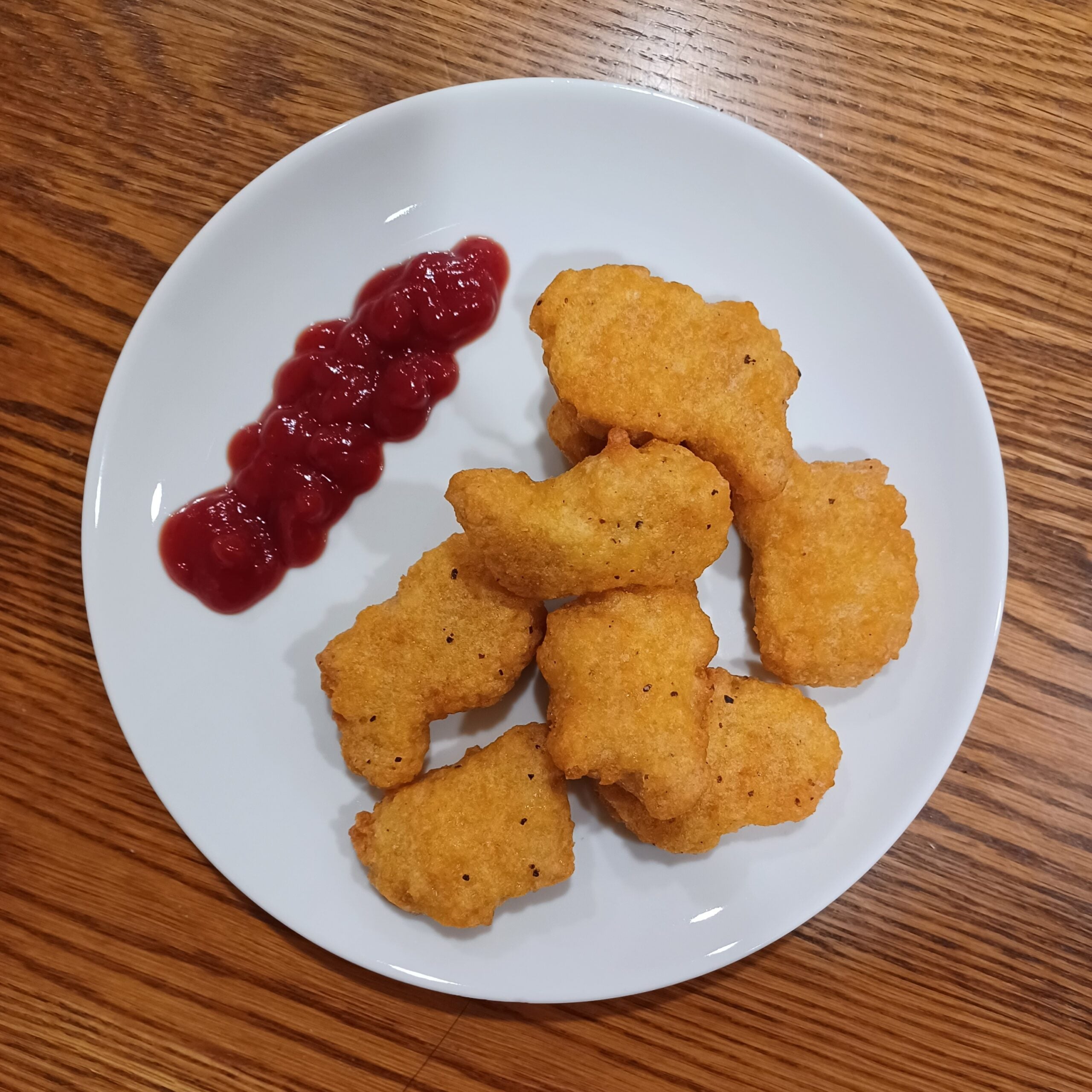
Plant based nuggets ranked among the highest contamination products in the study, averaging about 73 particles per serving. That number matters because it shows seafood was not the only category with elevated counts. A highly processed meat-free product also landed near the top.
That finding suggests brand may matter less than food type and processing level when comparing similar frozen foods. Plant based nuggets often combine protein isolates, oils, starches, coatings, and seasonings before freezing. The study did not say processing alone explains contamination, but the ingredient complexity and manufacturing steps may create more chances for particles to appear than in simpler foods.
Chicken nuggets
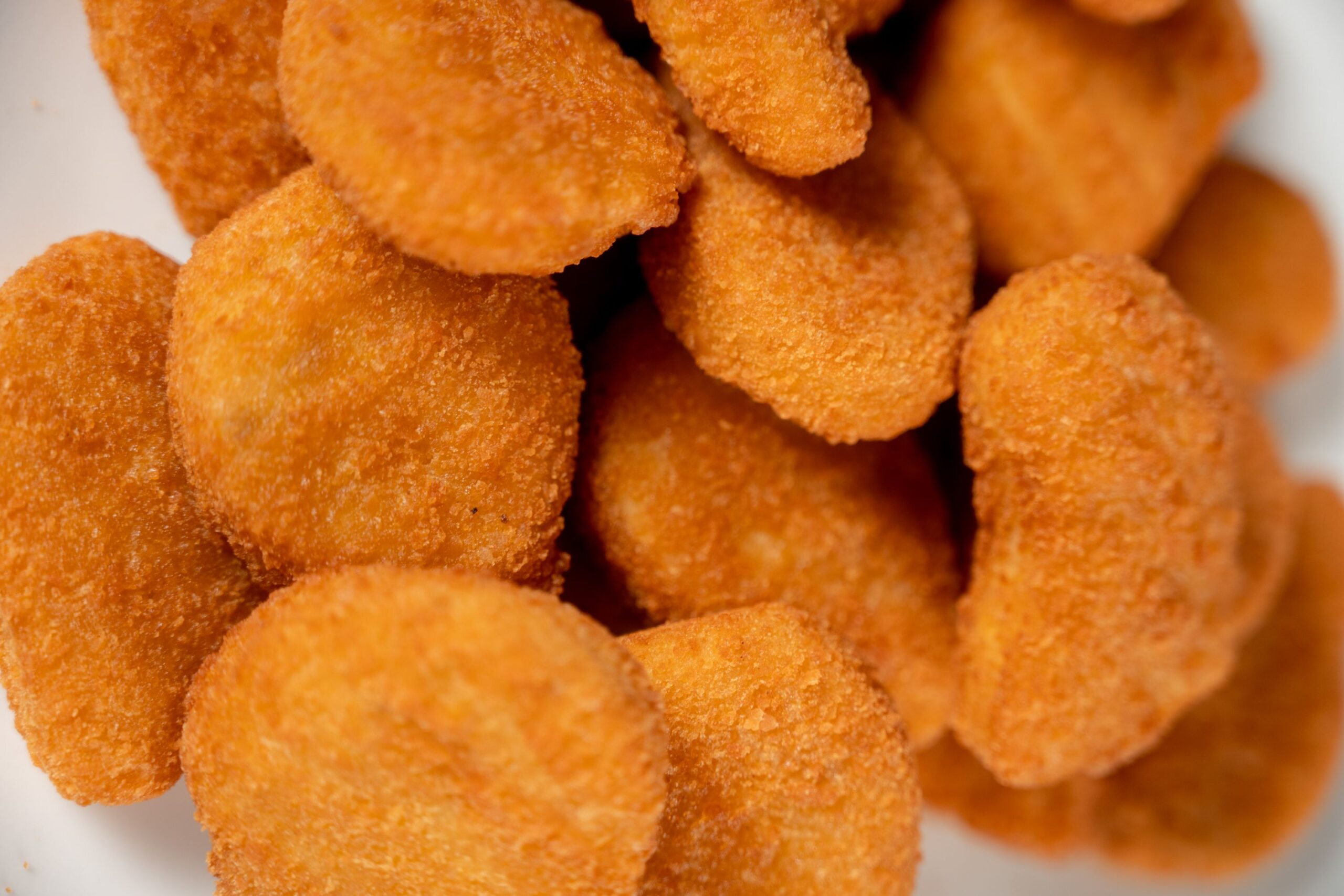
Chicken nuggets were another top three product in the study, averaging about 62 particles per serving. For many shoppers, this may be the most surprising result because nuggets are a standard freezer staple and are often seen as a familiar, dependable choice.
Their placement near the top reinforces the study's broader takeaway: contamination did not seem tied to one specific label as much as to the kind of food being tested. The researchers found microplastics across all products, and the more processed, coated items tended to post higher averages. That does not make every box equally contaminated, but it does suggest that food format may be more important than brand alone.



Leave a Reply