
In January 1814, Miles Macdonell, governor of the Red River colony, issued a short order with long consequences. His Pemmican Proclamation tried to keep food inside the settlement, but it also struck at the heart of the fur trade economy and helped turn a tense rivalry into a crisis.
A governor's order in a hungry colony
Red River was a fragile settlement on the prairie, founded under the sponsorship of Thomas Douglas, the 5th Earl of Selkirk. Many settlers had arrived after hard journeys and faced real shortages. According to the wording of the proclamation issued on January 8, 1814, no pemmican or other provisions produced in the colony's district were to be taken out for one year.
That order sounds narrow, but its purpose was broad. Pemmican, a concentrated food made from dried meat and fat, was one of the most practical foods in the region. Macdonell argued that the colony needed local supplies to survive. In a place where crop failures and transport problems could quickly become emergencies, controlling food was also a way of asserting political authority.
Why pemmican mattered so much
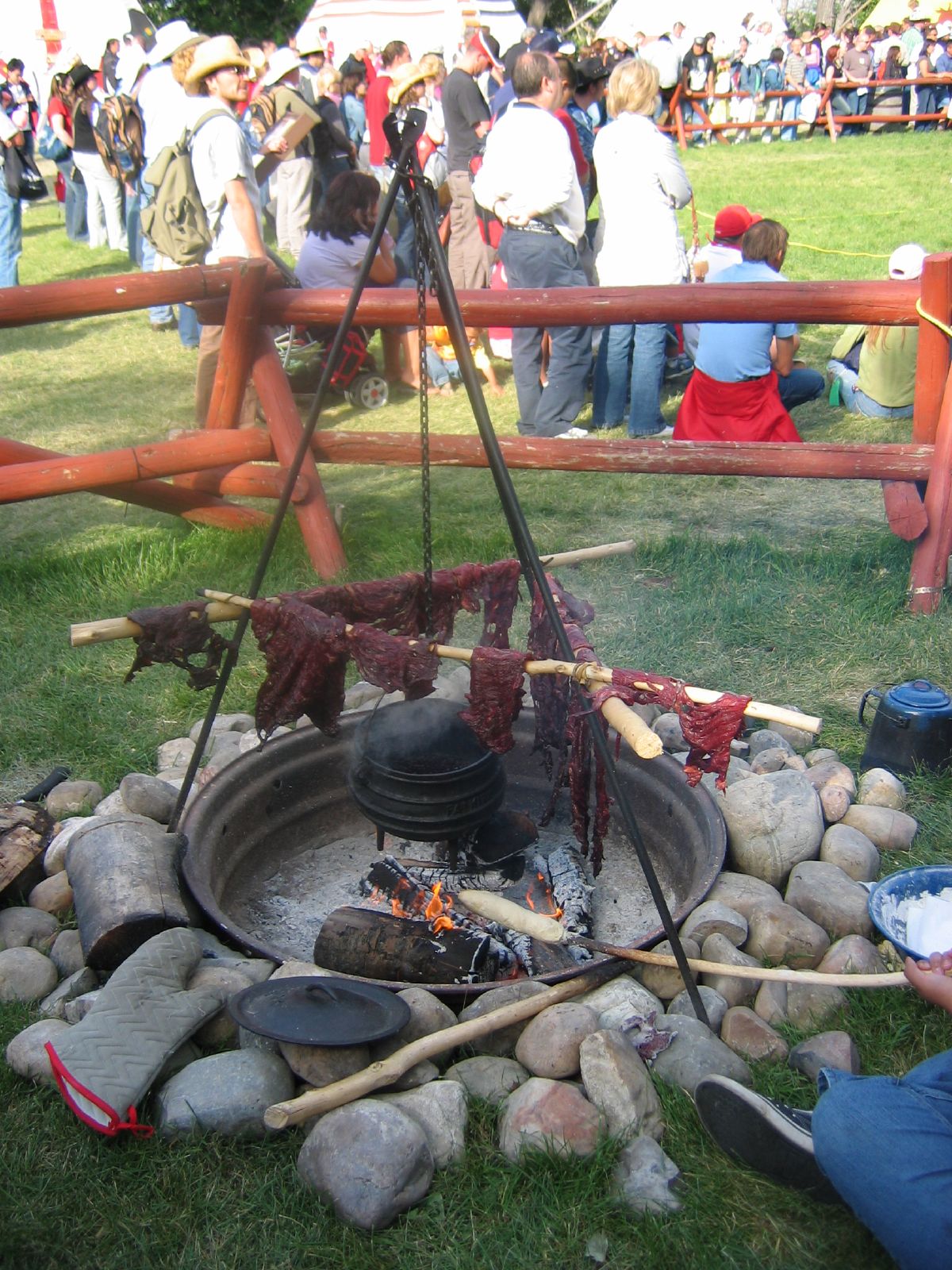
Pemmican was not just a staple for meals. It was a transportable, durable ration that powered long-distance travel in the North American interior. Fur trade brigades relied on it because it packed high energy into a light, storable form, and it could be hauled by canoe or cart over great distances.
That made the proclamation far more than a local food rule. The North West Company depended heavily on provisions gathered on the plains and moved through Red River. Restricting pemmican exports threatened supply lines for traders and voyageurs across a huge territory. A ban aimed at feeding one colony therefore hit a commercial system that tied together hunters, traders and distant posts.
The Métis at the center
The people most directly affected were often the Métis, whose buffalo hunts and pemmican production were central to the plains economy. They were not simply bystanders caught between European companies. They were producers, transporters and traders with their own communities, relationships and material interests.
For many Métis families, pemmican was income as well as food. The proclamation challenged their ability to sell and move what they had produced. It also implied that colonial officials could regulate resources on lands and trade routes that the Métis used as part of daily life. That is one reason the order is remembered as a flashpoint, not just an administrative measure.
A corporate rivalry turns sharper
Behind the food dispute stood a larger contest between the Hudson's Bay Company and the North West Company. Selkirk's colony was tied to the Hudson's Bay Company, while many traders in the region worked within North West Company networks. The proclamation therefore landed inside an already bitter commercial and political struggle.
Opponents saw the measure as a tactic that favored one side under cover of public need. Tensions soon escalated beyond argument. Seizures of provisions, intimidation and arrests deepened mistrust. What might look like a temporary emergency rule became part of a wider effort to control movement, labor and trade in a region where no single authority was accepted by everyone on the ground.
The road to open conflict
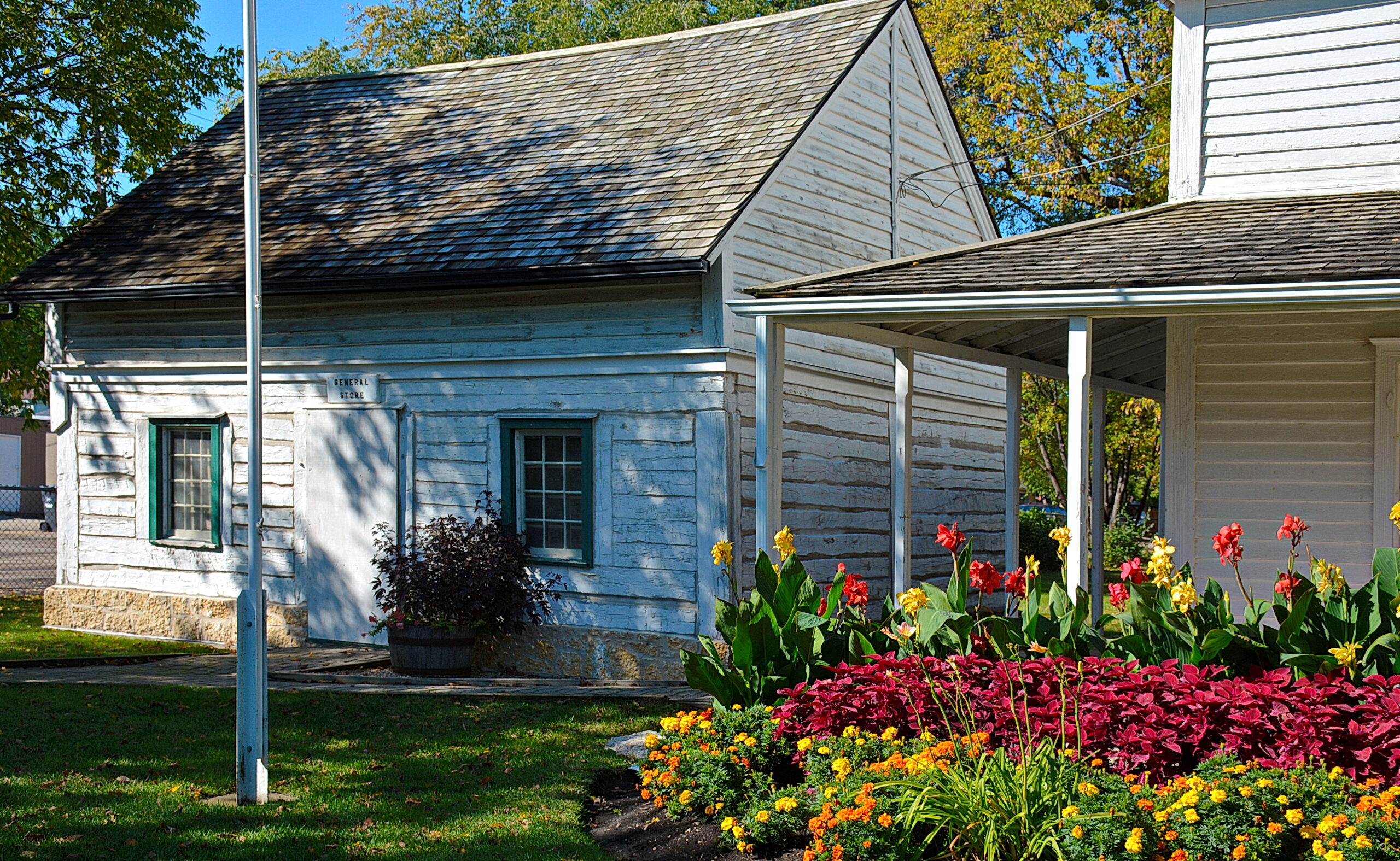
The proclamation did not by itself cause all the violence that followed, but it helped set the stage. In the next two years, conflict in and around Red River intensified. Macdonell was eventually detained by North West Company opponents, and the colony remained unstable.
The larger confrontation culminated in 1816 at the Battle of Seven Oaks. There, Governor Robert Semple and 20 of his men were killed in a clash involving a Métis force associated with Cuthbert Grant. Historians treat Seven Oaks as a defining moment in the Red River conflict, and the 1814 food ban is often viewed as one of the decisions that hardened positions on the way there.
Why the proclamation still matters
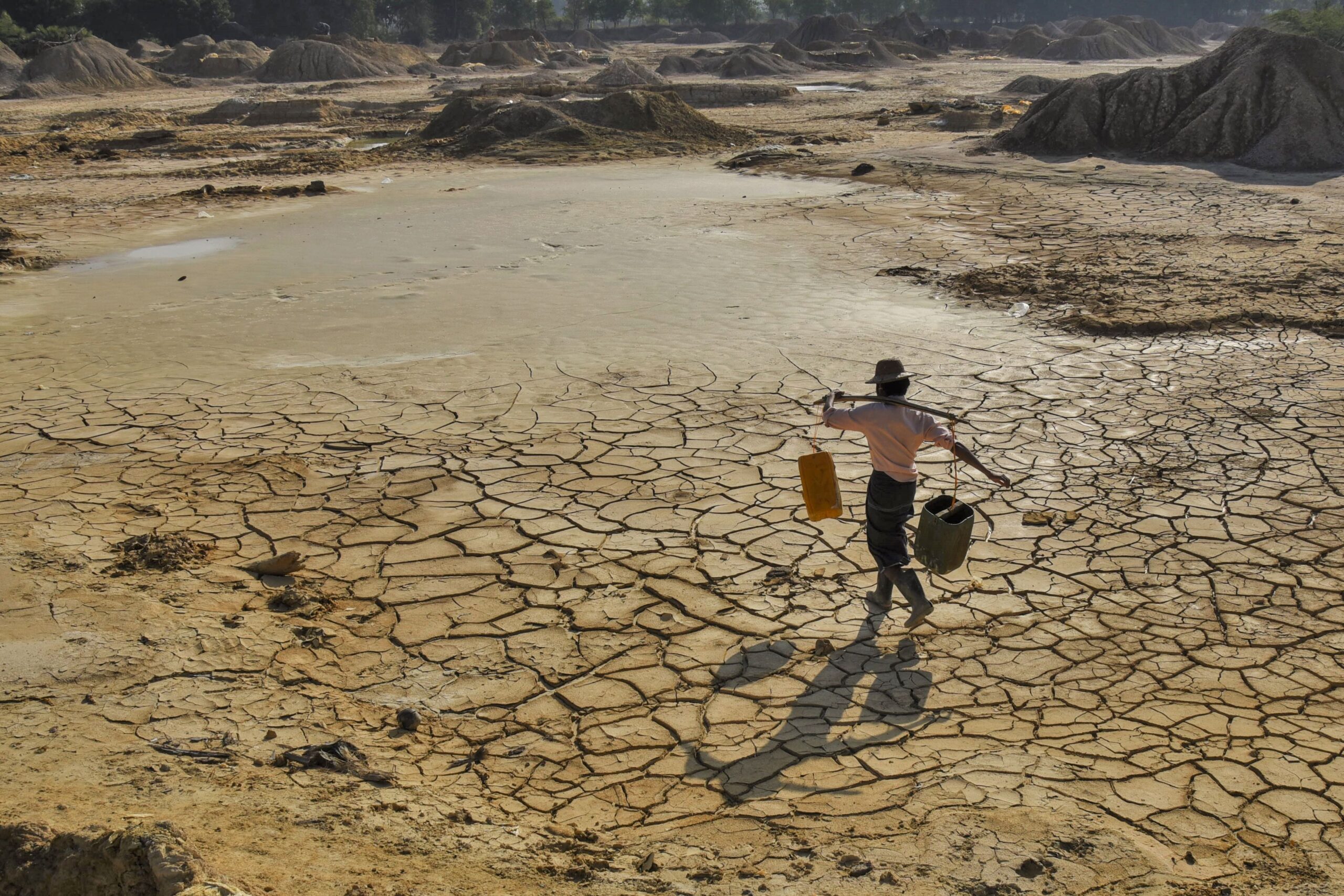
The Pemmican Proclamation remains important because it shows how a basic necessity can become a political weapon. Food policy, especially in a frontier colony facing scarcity, was never only about nutrition. It was tied to sovereignty, trade power and the right to decide who belonged and who controlled the region's resources.
It also endures in memory because it touches several larger Canadian histories at once: settler colonization, the fur trade, Métis nationhood and corporate rivalry. A single page of regulation exposed deep conflicts that were already present. That is why the order is still studied today, not as an obscure food rule, but as a turning point in Red River.




Leave a Reply