
Ordering takeout can feel like a small expense when you're tired after work or simply don't feel like cooking. A quick pizza delivery, a couple of burgers, or a favourite restaurant meal might not seem like much on its own. But add delivery fees, taxes, tips, and the occasional extra side, and those orders can take a noticeable bite out of a household budget. So what happens when a Canadian household skips takeout for an entire week? The savings might be bigger than expected.
Restaurant Spending Adds Up Faster Than You Think
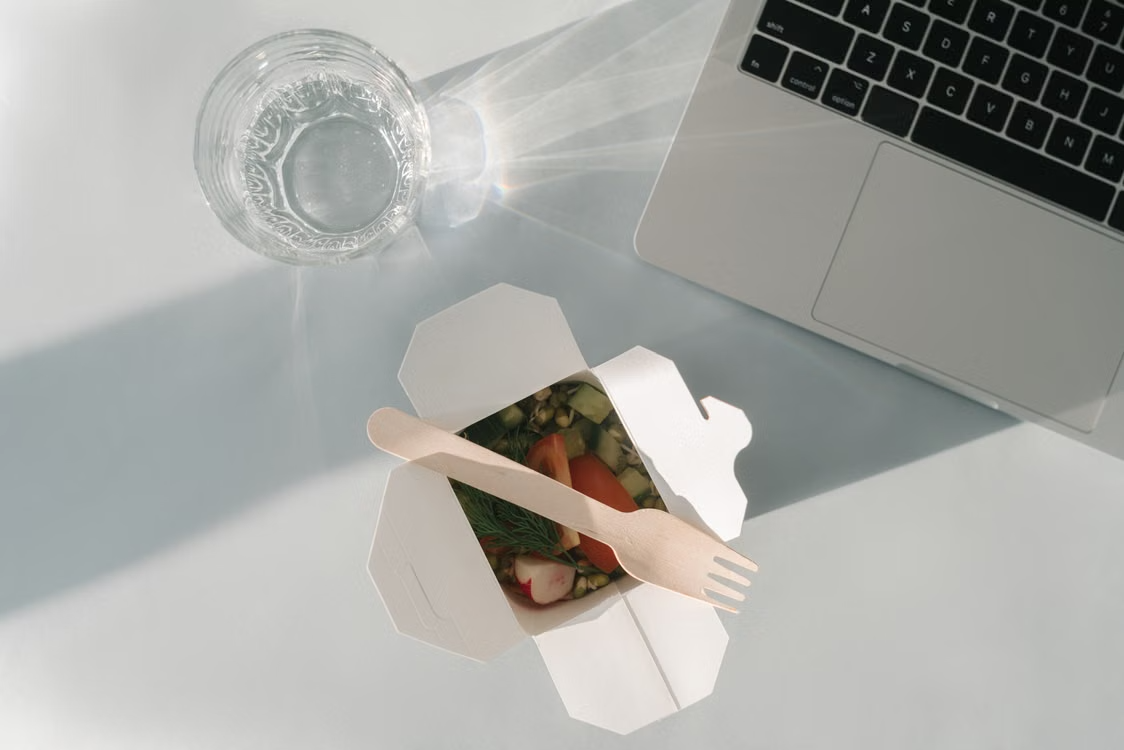
Canadians spend a considerable amount eating outside the home. According to Statistics Canada's 2023 Survey of Household Spending, the average Canadian household spent $3,351 on food purchased from restaurants that year, or roughly $64 per week. This figure includes restaurant food more broadly, not just delivery and takeout, but it shows how much of a household's food budget can go toward meals prepared outside the home. Even cutting back on a few orders could make a difference over time.
What a Typical Week of Takeout Might Cost

Imagine a household of two adults and one child that orders takeout twice a week. One evening, they spend $48 on burgers and sides, while another order of pizza and drinks comes to $62. These totals include an allowance for taxes, delivery charges, and tips. That's $110 spent on just two convenient dinners. Add a few coffees or an occasional lunch purchased outside the home, and the weekly total could climb even higher.
What Happens When You Make Those Meals at Home?

Now imagine the same household deciding to prepare those two dinners at home instead. They spend around $18 on ingredients for homemade burgers and sides, followed by another $24 for a pizza night using store-bought dough, sauce, cheese, and toppings. That's $42 in grocery spending compared with the $110 spent on takeout. In this illustrative example, the household saves approximately $68 for the week. The savings will vary depending on what ingredients are already in the kitchen, grocery prices, and how much food the family prepares.
The Small Extras Can Make an Even Bigger Difference

The biggest savings don't always come from skipping an expensive dinner. Coffee runs, bakery stops, workplace lunches, and quick afternoon snacks can quietly add to the weekly bill. A $5 coffee on five workdays comes to $25, while a couple of $15 lunches add another $30. These purchases may feel inexpensive individually, but avoiding even some of them can free up money for groceries, household expenses, or savings. The trick is to pay attention to the little purchases that have become automatic.
Is Giving Up Takeout for a Week Worth It?

Skipping takeout doesn't mean giving up restaurant meals altogether. It's more about seeing how much convenience is costing your household and deciding where you could make changes. Planning two or three easy dinners, keeping a few freezer meals handy, and preparing lunches ahead of time can make it easier to resist last-minute orders. In our example, replacing two takeout dinners with homemade alternatives saves $68 in one week. Repeat that for four weeks, and the potential savings reach $272. For a household trying to manage rising grocery and living costs, that extra money could certainly come in handy.




Leave a Reply