
Bacon is not one thing, and these three names prove it. Peameal bacon, back bacon and Canadian bacon all come from the loin rather than the belly, but the way they are cured, sliced and served gives each one a different identity.
Peameal bacon

Peameal bacon is a wet-cured pork loin that is rolled in a yellow coating, usually cornmeal today. According to Ontario Pork, it was originally rolled in ground yellow peas, which helped preserve the meat, and that is where the name came from.
Its flavor is milder than streaky belly bacon, with a juicy bite closer to ham than to crisp breakfast strips. Because it comes from the lean loin, it has very little fat marbling. In Toronto, peameal bacon on a bun became a market staple, especially at St. Lawrence Market, where thick slices are griddled and served simply. If you want the style most closely tied to Canada itself, peameal has the strongest claim.
Back bacon
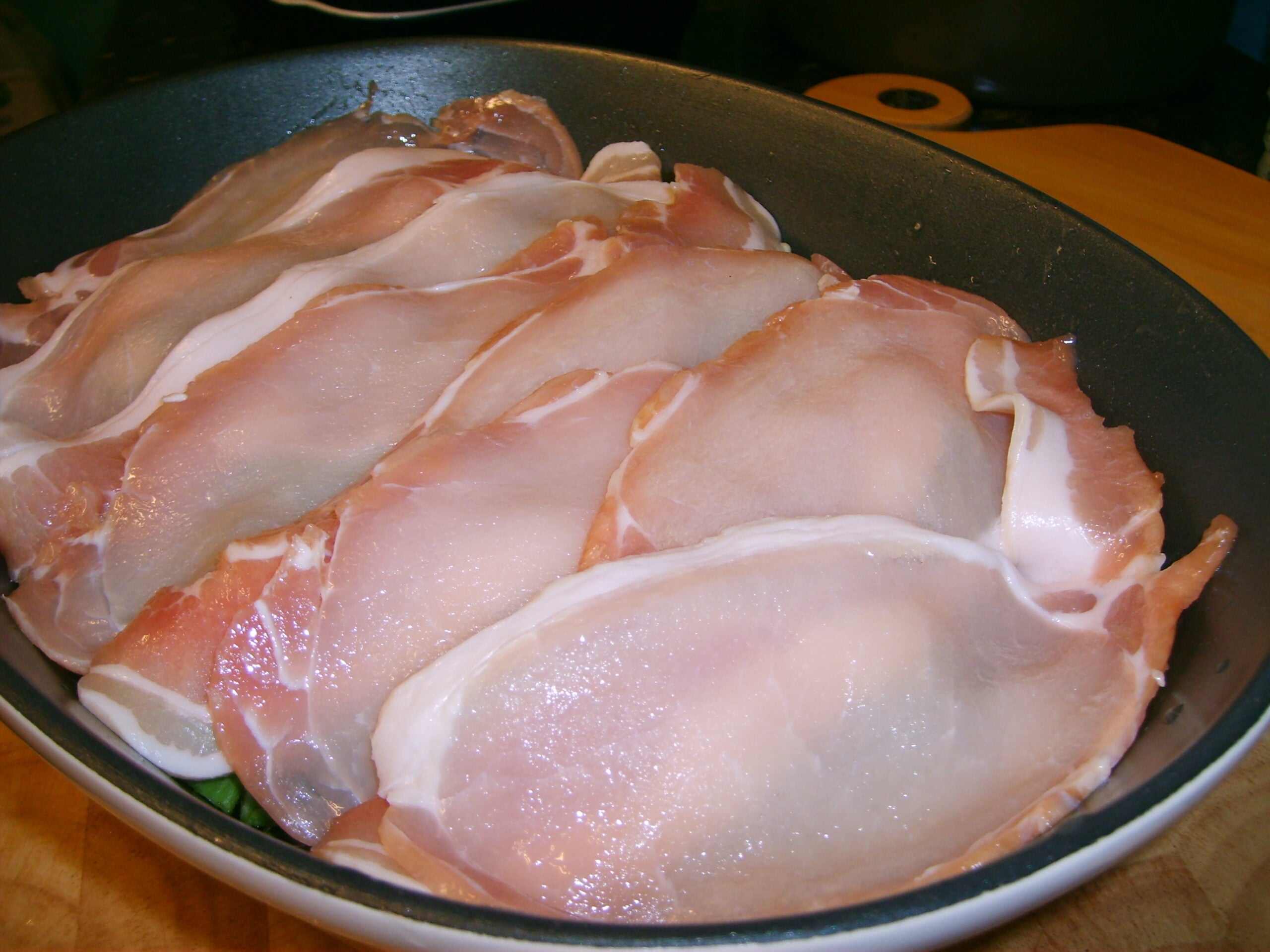
Back bacon is the broader family that peameal belongs to. In common usage, back bacon refers to bacon cut from the pork loin from the back of the pig, and in some versions it includes a small "tail" of belly attached, especially in British-style rashers.
That cut explains the texture. Back bacon is meatier and leaner than belly bacon, with a firmer bite and a rounder slice. It also behaves differently in a pan, since there is less fat to render out. In Canada and the United Kingdom, back bacon is a standard term, but it is not one single recipe. It can be smoked or unsmoked, cured in different ways and sliced thick or thin.
Canadian bacon

In the United States, Canadian bacon usually means a fully cooked, smoked, cured pork loin that is sliced into neat rounds. The U.S. Department of Agriculture describes it as a ready-to-eat product made from the eye of the loin.
This is the version many Americans know from breakfast sandwiches and pizza. It is typically saltier and more uniform than peameal, because it is processed for consistency and sold pre-sliced. Despite the name, this product is not the same thing most Canadians mean when they say bacon. In Canada, someone asking for bacon is more likely to get side bacon, and someone asking for peameal is asking for a specific local style, not generic "Canadian bacon."
The biggest difference is the cure

If these bacons all start with loin, curing is what separates them. Peameal is usually wet-cured and unsmoked, then rolled in cornmeal. Back bacon can be cured in several ways and may be smoked. Canadian bacon is typically cured, smoked and fully cooked before it reaches the package.
Those steps shape the final taste. Unsmoked peameal tastes cleaner and porkier, with the cornmeal adding texture rather than strong flavor. Smoked Canadian bacon brings a more familiar deli-like note. Back bacon sits in the middle because it can lean either way depending on the producer. If your idea of bacon includes smoke and salt, Canadian bacon will feel the most familiar. If you want the meat itself to lead, peameal has the edge.
Best uses in the kitchen
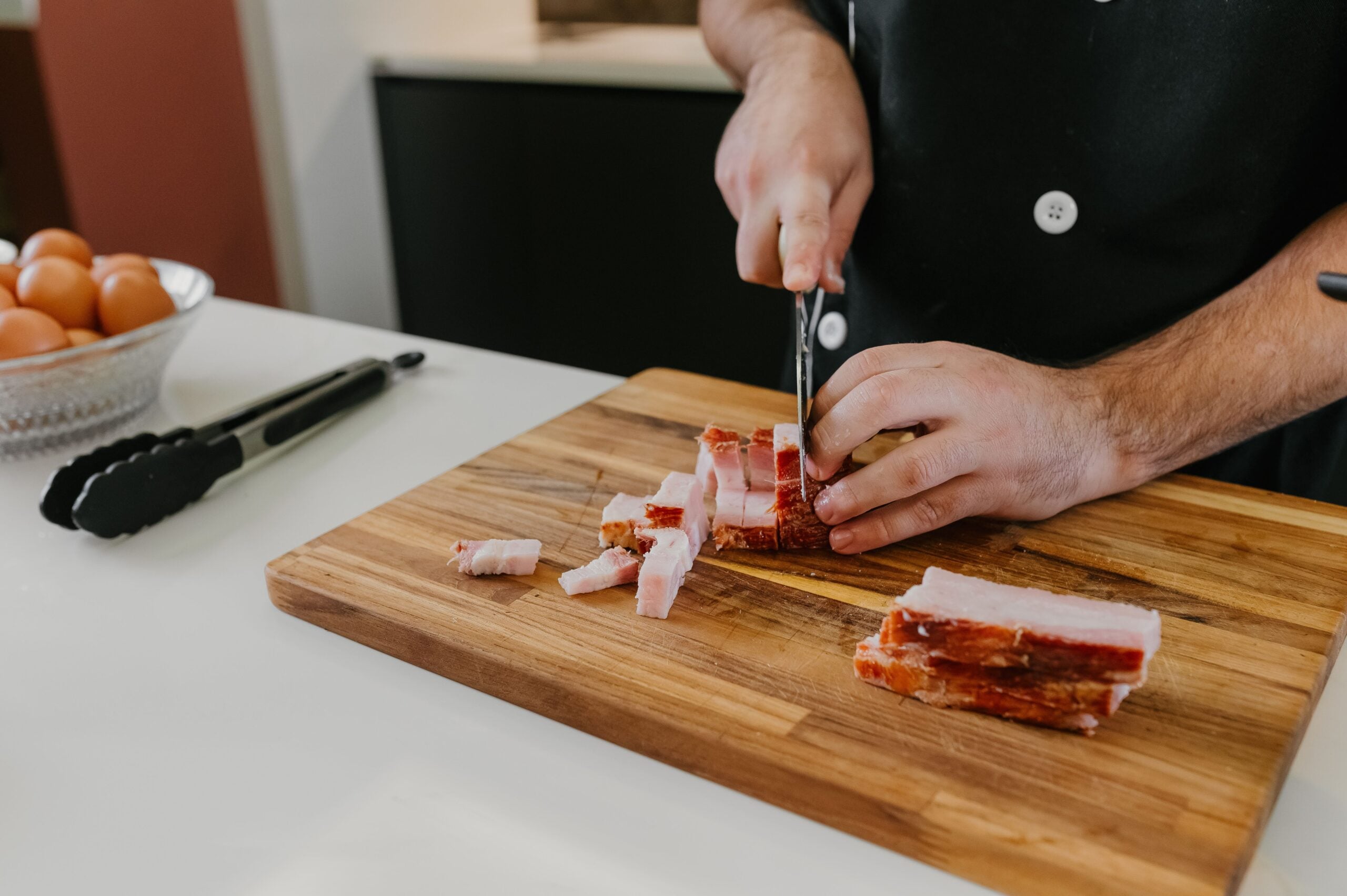
Each style shines in a different setting. Peameal works especially well as thick griddled slices in a sandwich, where its moisture stands up to a crusty bun and mustard. Because it is lean, it is also easy to overcook, so gentle heat matters.
Back bacon is the most flexible at home. It can sit beside eggs, go into a full breakfast or be layered into sandwiches without overwhelming the other ingredients. Canadian bacon is the most convenient, especially for eggs Benedict, breakfast muffins and pizza, where evenly cut round slices make assembly easy. For pure crispness, none of these really replace belly bacon, because loin simply does not carry the same fat.
Which one is best
The answer depends on what "best" means to you. For tradition and a clear sense of place, peameal bacon stands out. For versatility, back bacon wins because it covers the widest range of cures and uses. For convenience and consistency, Canadian bacon is hard to beat.
If the contest is about flavor and identity, peameal comes out ahead. It is the least confused of the three once you know what it is, and it delivers something distinct rather than a substitute for belly bacon. But there is no single champion for every plate. These are three related foods with different jobs, and the best one is the one that suits the meal in front of you.




Leave a Reply