
Buttermilk does two important jobs in the kitchen. It adds a gentle tang, and its acidity helps tenderize baked goods while reacting with baking soda for lift. If the carton is empty, you can still get close with ingredients many home cooks already keep on hand.
Milk and lemon juice
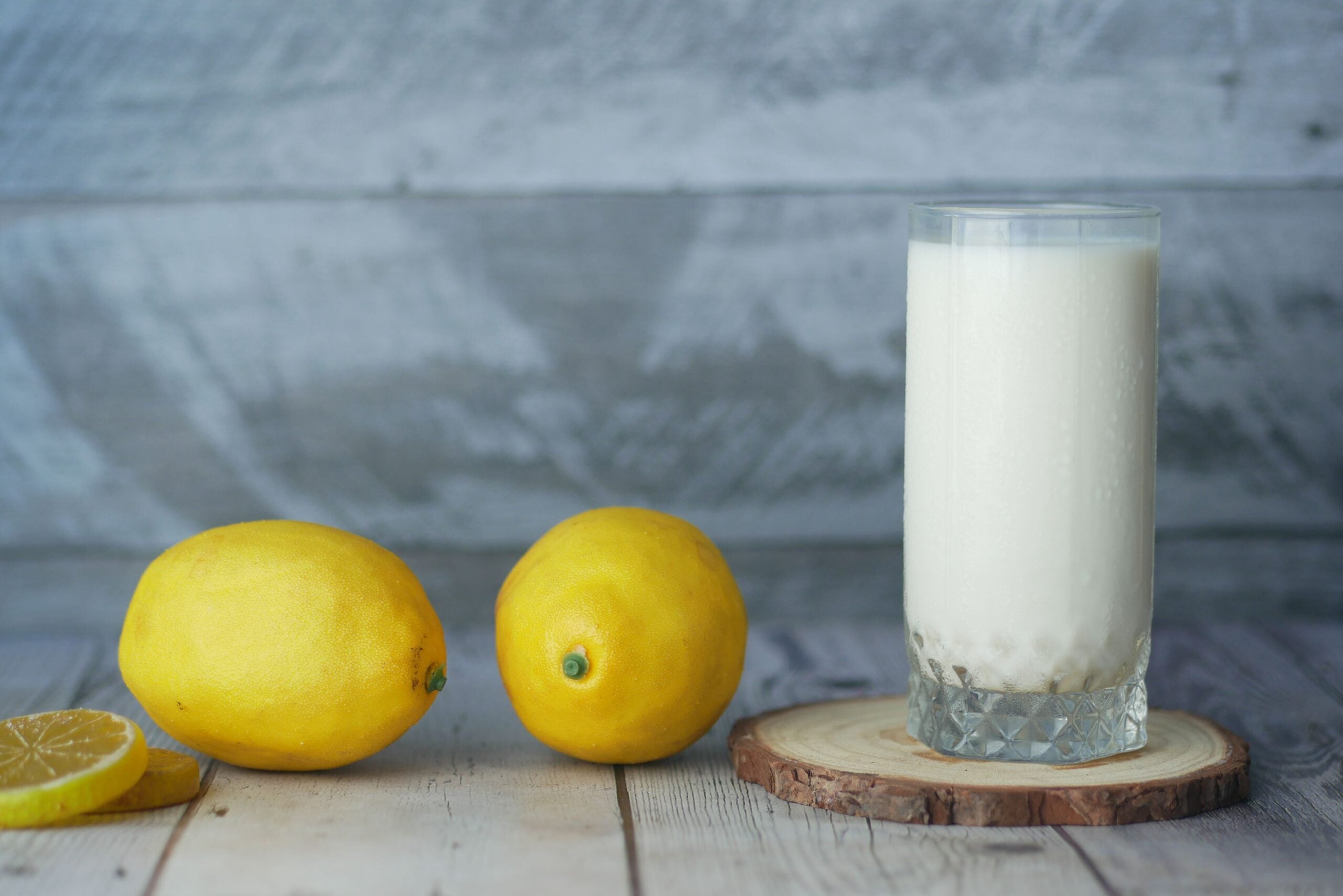
This is the standby most cooks reach for first, and for good reason. The combination is simple, reliable, and close to buttermilk in acidity.
To make 1 cup, put 1 tablespoon lemon juice in a measuring cup, then add milk until it reaches the 1 cup line. Let it sit for about 5 to 10 minutes. The milk will look slightly thickened and may appear a little curdled, which is exactly what you want.
This substitute works especially well in pancakes, quick breads, muffins, and cakes. The lemon flavor is usually very mild once baked, but it can be noticeable in delicate recipes, so it is best in foods that welcome a faint brightness.
Milk and white vinegar
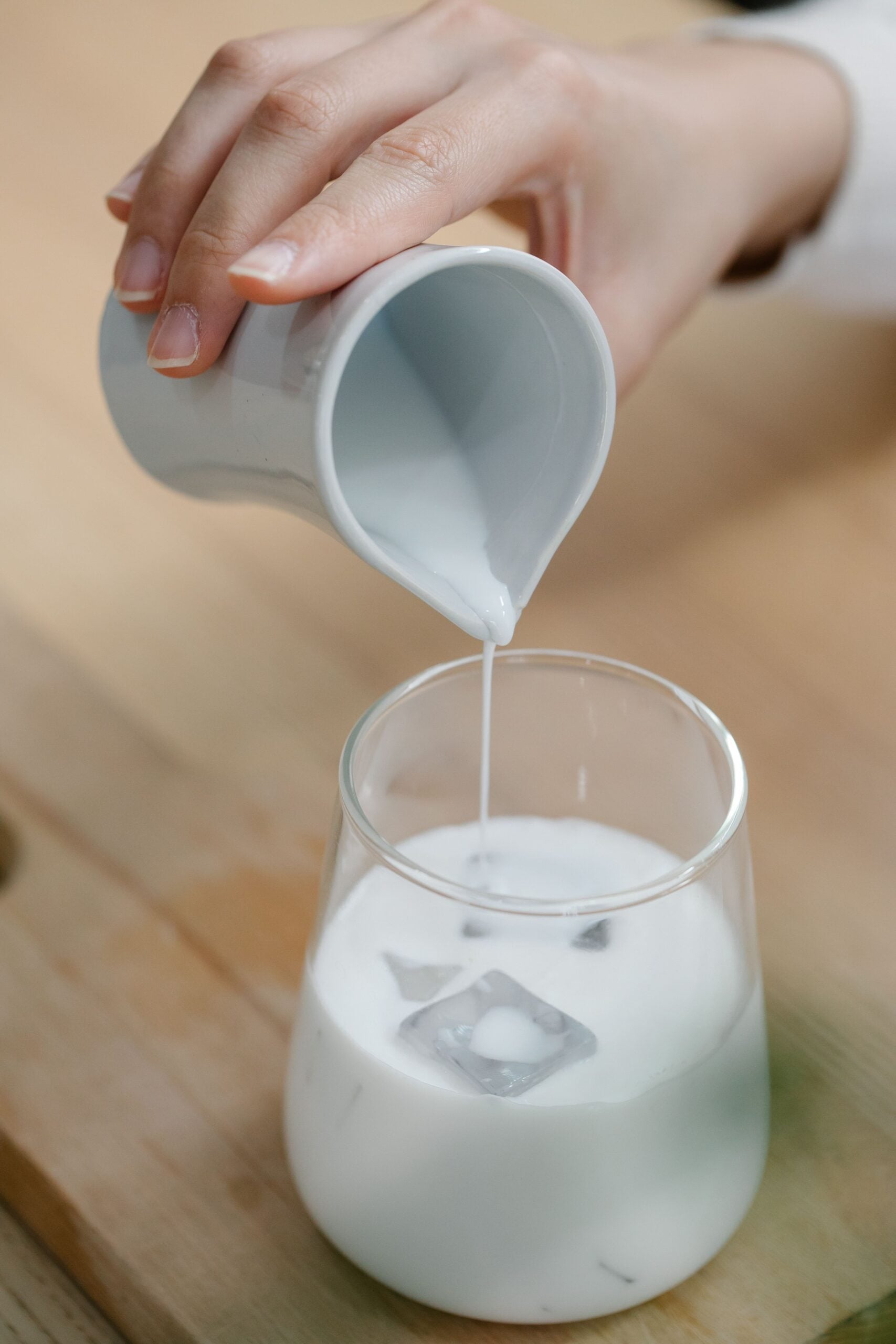
When there is no lemon in the fridge, white vinegar can do nearly the same job. It gives plain milk the acidity that recipes count on from buttermilk.
Use 1 tablespoon white vinegar and enough milk to make 1 cup. After a short rest, usually 5 to 10 minutes, the mixture will sour slightly and thicken a bit. It will not become as rich as true buttermilk, but it performs well in most baked recipes.
This option is useful in biscuits, cornbread, and chocolate cake, where other flavors easily cover the vinegar note. If you are making a cold dressing or dip, though, the flavor can stand out more, so another substitute may taste better.
Yogurt and water
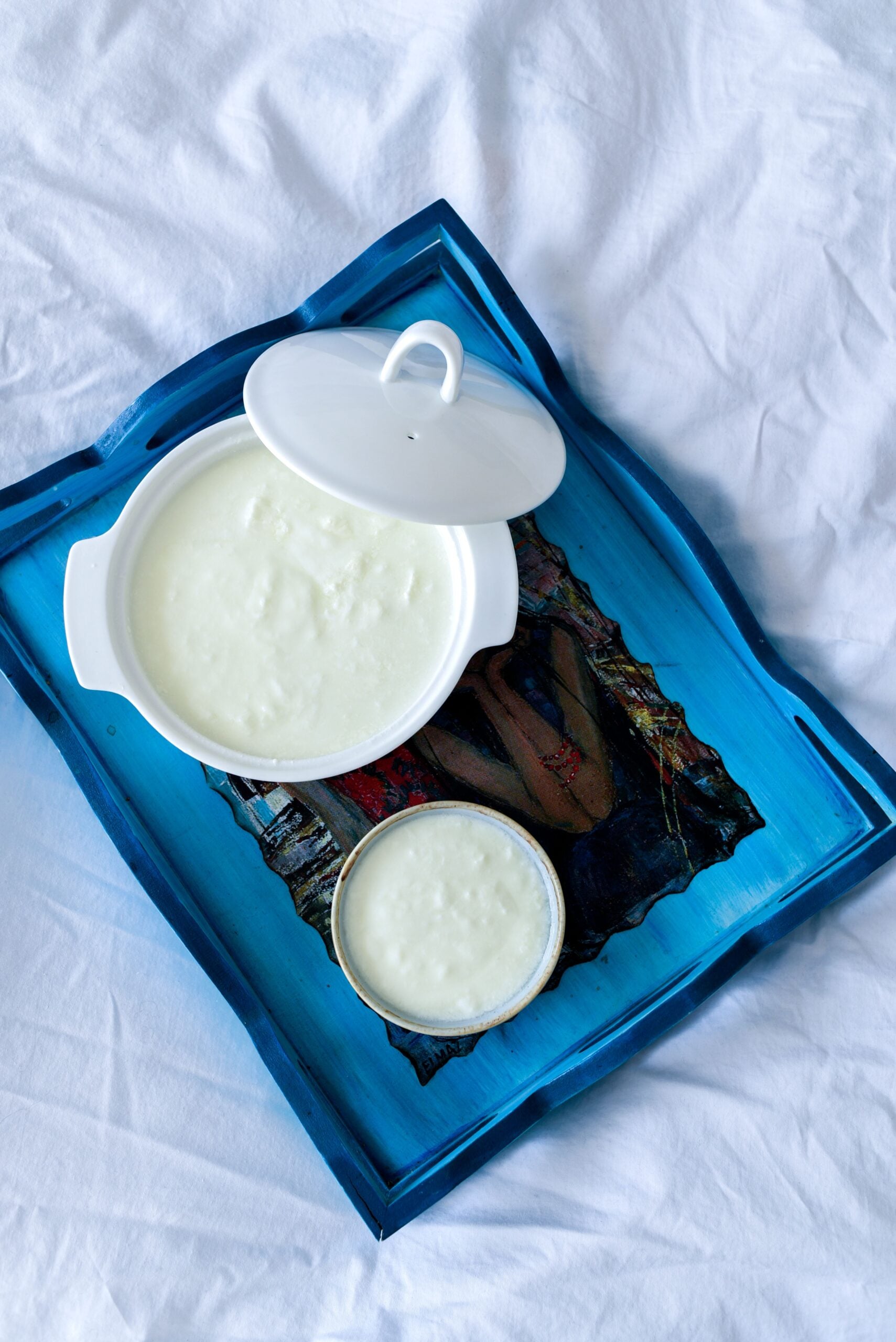
Plain yogurt is often the closest match in texture. It already has the tang that buttermilk brings, so the main job is thinning it to the right consistency.
A common method is to whisk plain yogurt with a little water or milk until it pours like buttermilk. For a thick Greek yogurt, you may need a bit more liquid. The goal is not an exact formula as much as a smooth, pourable mixture that blends easily into the batter.
This substitute shines in recipes where richness helps, such as muffins, coffee cake, and marinades for chicken. Because yogurt can be thicker than buttermilk, it is smart to mix it thoroughly before measuring if you want an even result.
Sour cream and water
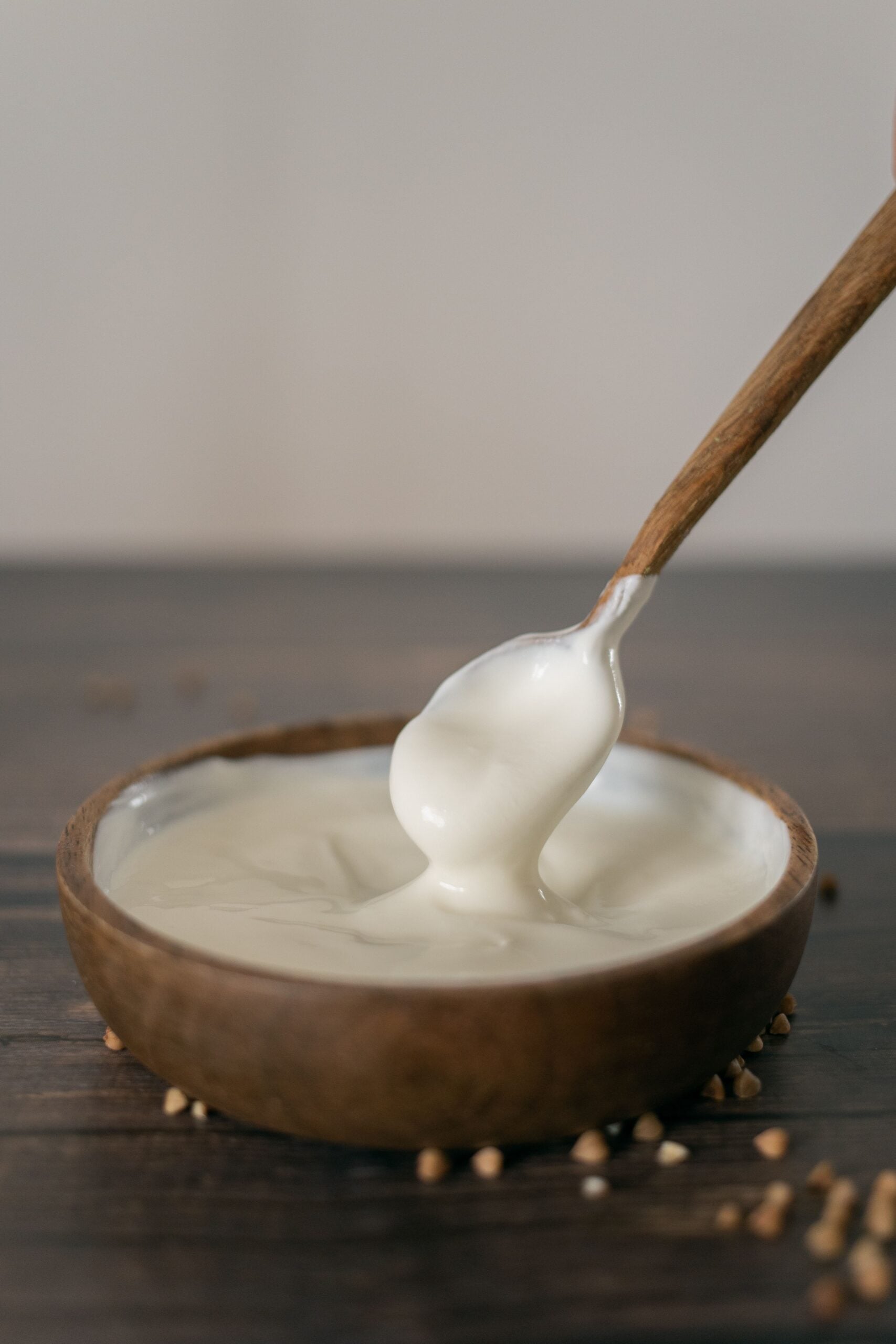
Sour cream brings a similar tang, but it is heavier than buttermilk. Thinning it with water helps it behave more like the real thing.
Whisk sour cream with enough water or milk to loosen it into a pourable liquid. The flavor is pleasantly cultured, and the extra fat can make baked goods feel especially tender. That richness is a plus in recipes that benefit from a soft crumb.
Sour cream is a strong choice for coffee cakes, pound cakes, and savory batters. It also works in sauces or dips where a thicker body is welcome. In very light batters, though, its weight can change the final texture more than milk based substitutes do.
Kefir or thinned plain yogurt
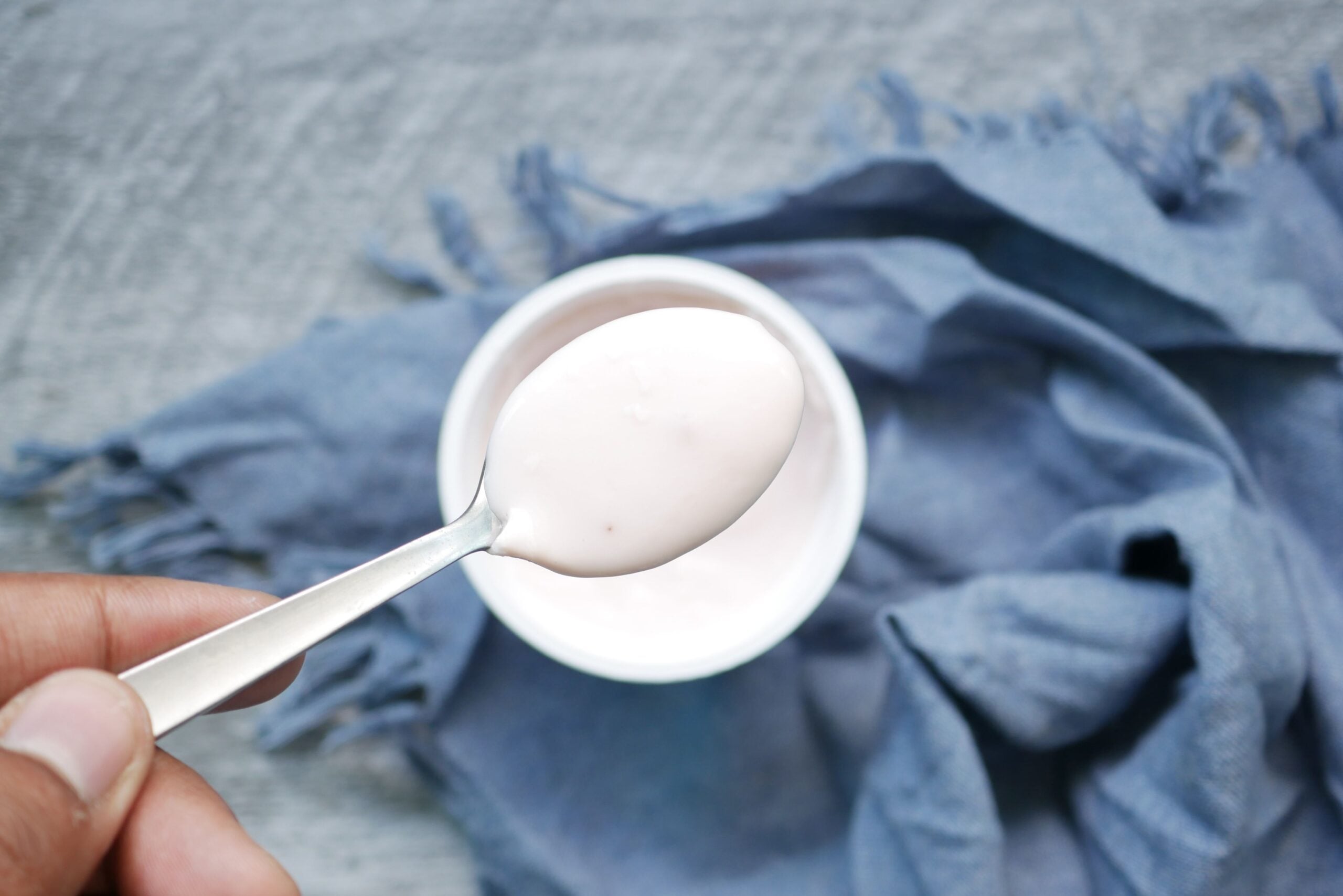
If you keep kefir at home, it may be the easiest swap of all. It is cultured, tangy, and pourable, which makes it naturally similar to buttermilk.
Plain kefir can usually replace buttermilk in equal amounts. If kefir is not available, plain yogurt thinned a bit more than usual can fill the same role, especially in recipes where buttermilk is used mostly for moisture and tang.
This is a practical finishing option because it works across sweet and savory cooking. Use it in waffles, ranch style dressings, or marinades, and expect a balanced tartness. Among common substitutes, it often comes closest to buttermilk without needing much adjustment.




Leave a Reply