
One glance down a Canadian snack aisle is often enough to make an American tourist pause. And more often than not, the red bag that causes the double take says ketchup.
A flavor so normal in Canada that locals forget it is unusual
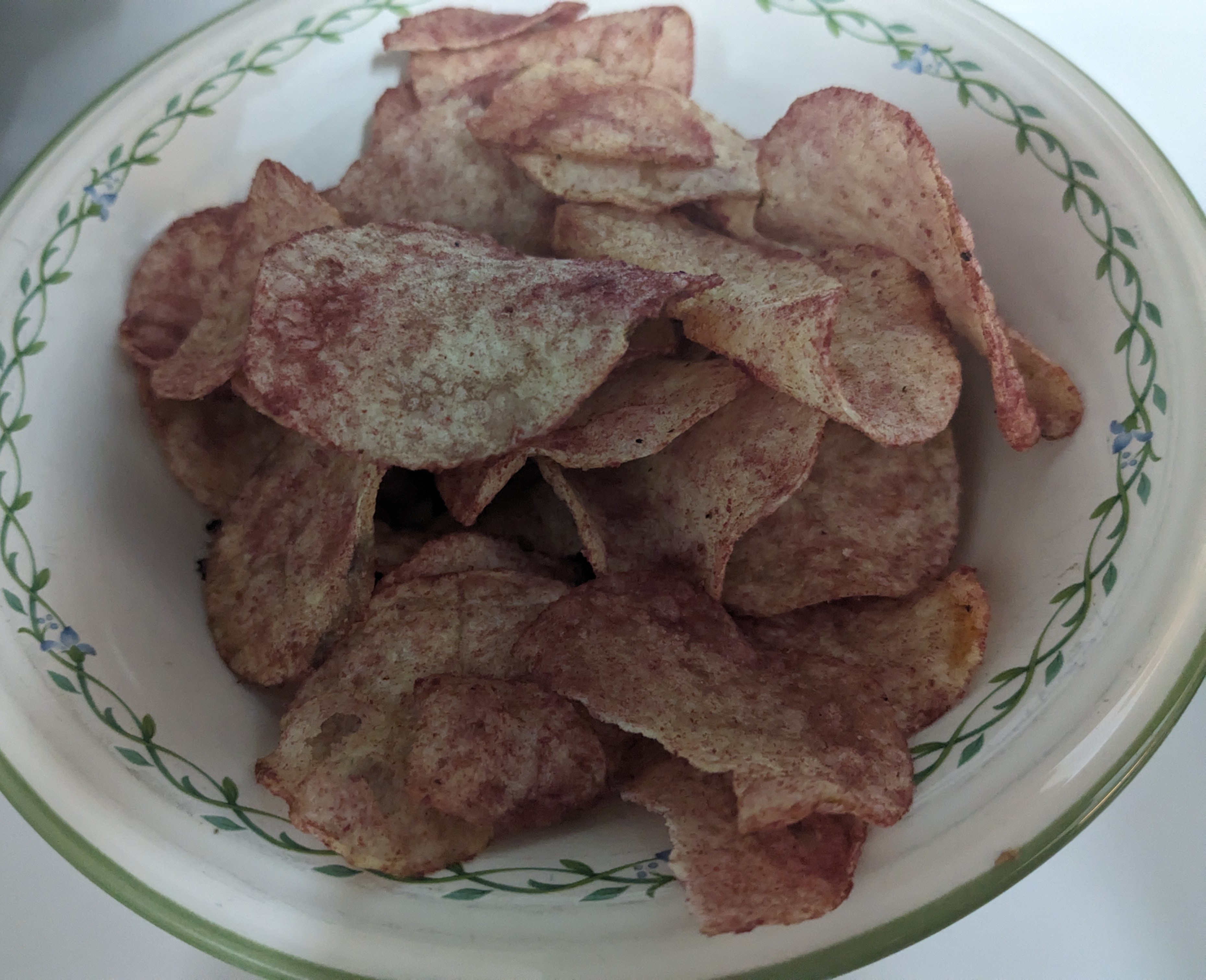
For Canadians, ketchup chips are not a stunt flavor or a limited-time curiosity. They are a standard part of the national snack landscape, sold alongside all-dressed, salt and vinegar, barbecue, and sour cream and onion in nearly every major grocery and convenience chain. That familiarity is exactly why American reactions seem so funny to Canadians. A flavor that feels completely ordinary at home suddenly becomes a travel anecdote the moment a visitor encounters it.
The surprise usually starts with the name. Americans are used to ketchup as a dip, a burger topping, or a side for fries, not as a powdered seasoning coating a potato chip. The idea sounds oddly specific to first-time buyers, and many assume the taste will be overwhelmingly sweet or tomato-heavy. In practice, ketchup chips are more balanced than their label suggests, combining tomato tang, vinegar sharpness, salt, sugar, onion, and spice in a way that lands closer to a sweet-sour barbecue profile.
That disconnect between expectation and reality is part of the appeal. Canadians grow up understanding instinctively that ketchup chips do not taste like someone poured condiment onto fried potatoes. Visitors often need one handful to realize the flavor is more layered and more snack-friendly than the name implies. The laugh, for many Canadians, comes from watching that realization happen in real time.
The roots of ketchup chips run deeper than novelty store shelves
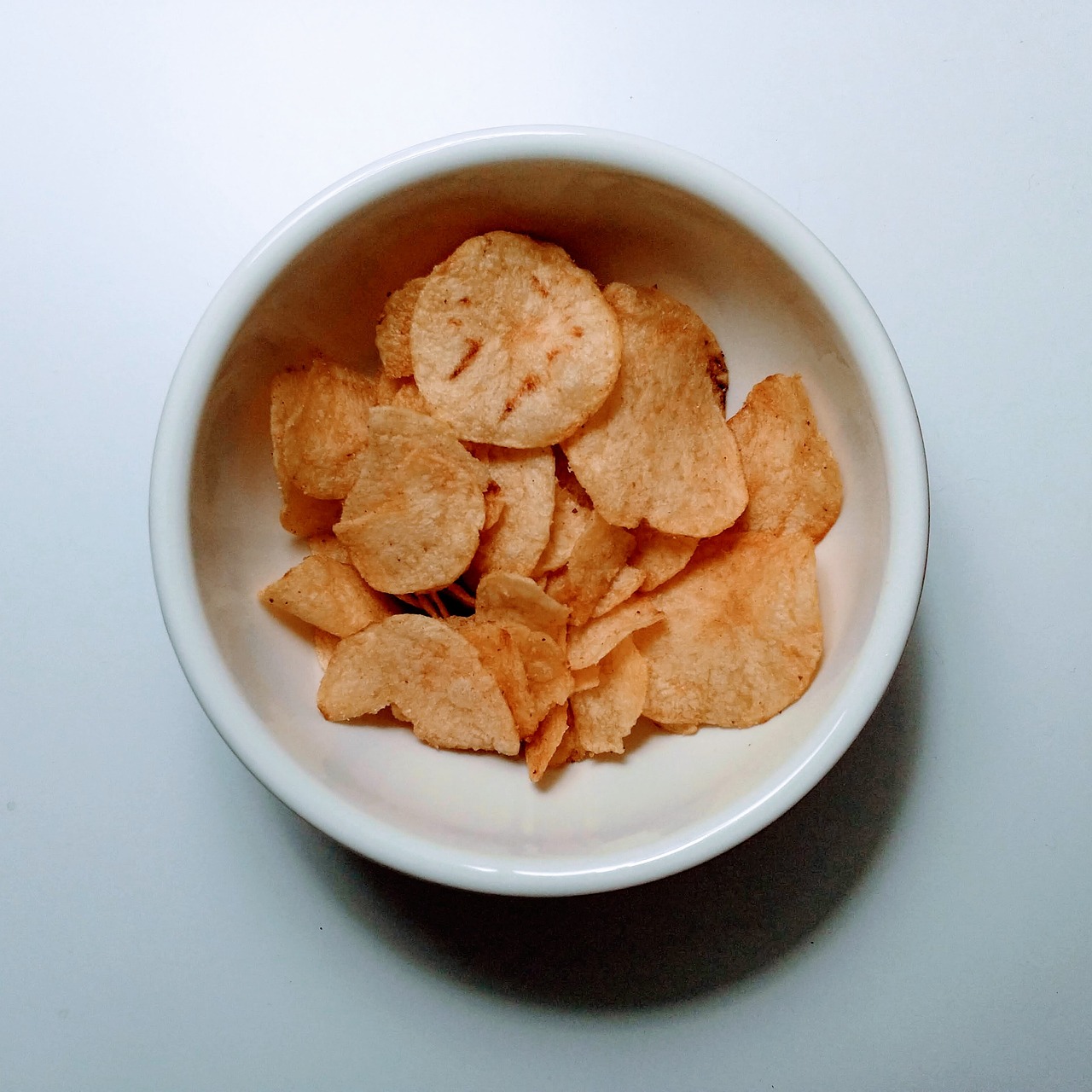
This is not a recent trend driven by internet curiosity. Ketchup chips have been widely associated with the Canadian snack market for decades, especially from the 1970s onward, when flavored chips expanded aggressively across North America. Food historians and snack industry observers often point to Canada's openness to bold savory-sweet combinations as one reason flavors such as ketchup and all-dressed found stable mainstream audiences there while remaining niche or absent in the United States.
Part of the explanation is practical. Canadian packaged food brands historically developed products for a market that was smaller than the American one and often more willing to support regional preferences. That gave manufacturers room to build loyalty around distinctive flavors instead of relying only on national uniformity. Once ketchup chips secured shelf space and repeat buyers, they became self-reinforcing: children grew up with them, retailers kept stocking them, and brands kept refining their seasoning formulas.
Major companies including Hostess in earlier decades and later Lay's helped cement the flavor's place in everyday Canadian life. Seasonal and private-label versions broadened the category further. While ketchup chips have appeared in the United States in scattered trials, often as special editions, they never achieved the same baseline permanence. In Canada, permanence is the whole story. The chips are funny to visitors precisely because they are not funny to Canadians at all.
Why Americans often react with skepticism before taking the first bite

The first barrier is cultural framing. In the United States, snack innovation often swings between familiar standards and flashy limited editions, so a flavor like ketchup can look like a gimmick before it is tasted. Many Americans mentally compare it to novelty candy or extreme chip flavors built for social media reactions. Canadians, by contrast, approach it as a pantry regular, which changes the emotional tone completely.
The second barrier is the word ketchup itself. In the American imagination, ketchup is deeply tied to hot dogs, burgers, diners, baseball games, and fast food counters. It is a wet condiment associated with squeezing, dipping, and sometimes arguing over whether it belongs on certain foods at all. Translating that idea into dry seasoning can feel unnatural until the eater remembers that many favorite chips already rely on acid, sweetness, and savory notes in powdered form.
Then comes the sensory surprise. Ketchup chips usually deliver a quick hit of tang first, then sweetness, followed by salt and a slightly spiced finish. They can stain fingertips with a reddish dust, which adds to the theatrical reaction many tourists have when they open the bag. That vivid color, paired with the unexpected flavor, turns a simple snack into a moment of cultural comedy, especially when a Canadian friend is watching closely for the verdict.
The flavor profile makes more sense than the name suggests

Set the branding aside and ketchup chips become easier to understand. Good versions are engineered around contrast: acidity to keep the chip lively, sugar to round it out, salt to sharpen the edges, and tomato notes to deliver familiarity without becoming heavy. In food science terms, it is a flavor system built for repeat snacking, not a literal recreation of table ketchup. That distinction matters, because it explains why the chips can taste complete rather than strange.
There is also a broader North American precedent for these combinations. Barbecue sauces, cocktail sauces, sweet-and-sour glazes, and seasoned fries all rely on some mix of tang, sweetness, allium, and spice. Ketchup chips fit naturally within that family even if the label sounds narrower than the experience itself. This is one reason many skeptical Americans end up saying the chips taste less like ketchup and more like a zesty tomato-vinegar seasoning with a sweet edge.
Texture helps too. The dry, crisp potato base moderates the intensity of the flavoring and prevents the sweetness from dominating. Ridged versions can feel heartier, while thin-cut chips often deliver faster impact. Brands vary, but the best examples keep the seasoning bright and punchy without crossing into cloying territory, which is why the category has endured for so long in Canada.
Canadians enjoy the reaction because it reflects a bigger cultural pattern

Ketchup chips have become a miniature symbol of the friendly teasing that often defines Canada-U.S. cultural exchange. Canadians are deeply familiar with American media, products, and food chains, while Americans can still be caught off guard by everyday Canadian staples. That asymmetry creates a reliable comic setup: the visitor assumes two neighboring countries eat almost identically, then gets stopped cold by a chip aisle that tells a different story.
The joke works because the stakes are so low. No one is debating geopolitics or national identity in a serious way over a bag of chips. Instead, ketchup chips serve as a lighthearted reminder that neighboring countries can share language, brands, and sports leagues while still maintaining distinct tastes. It is the same category of surprise that surrounds Canadian all-dressed chips, Smarties candy, or milk sold in bags in parts of the country.
Social media has amplified the cycle. Videos of Americans trying ketchup chips for the first time regularly attract comments from Canadians who alternate between mock disbelief and national pride. The reactions are predictable enough to be a genre: confusion at the bag, suspicion at the smell, surprise at the first bite, and reluctant approval by the second handful. Canadians find it hilarious because they know exactly how the scene usually ends.
What ketchup chips reveal about taste, memory, and national food identity
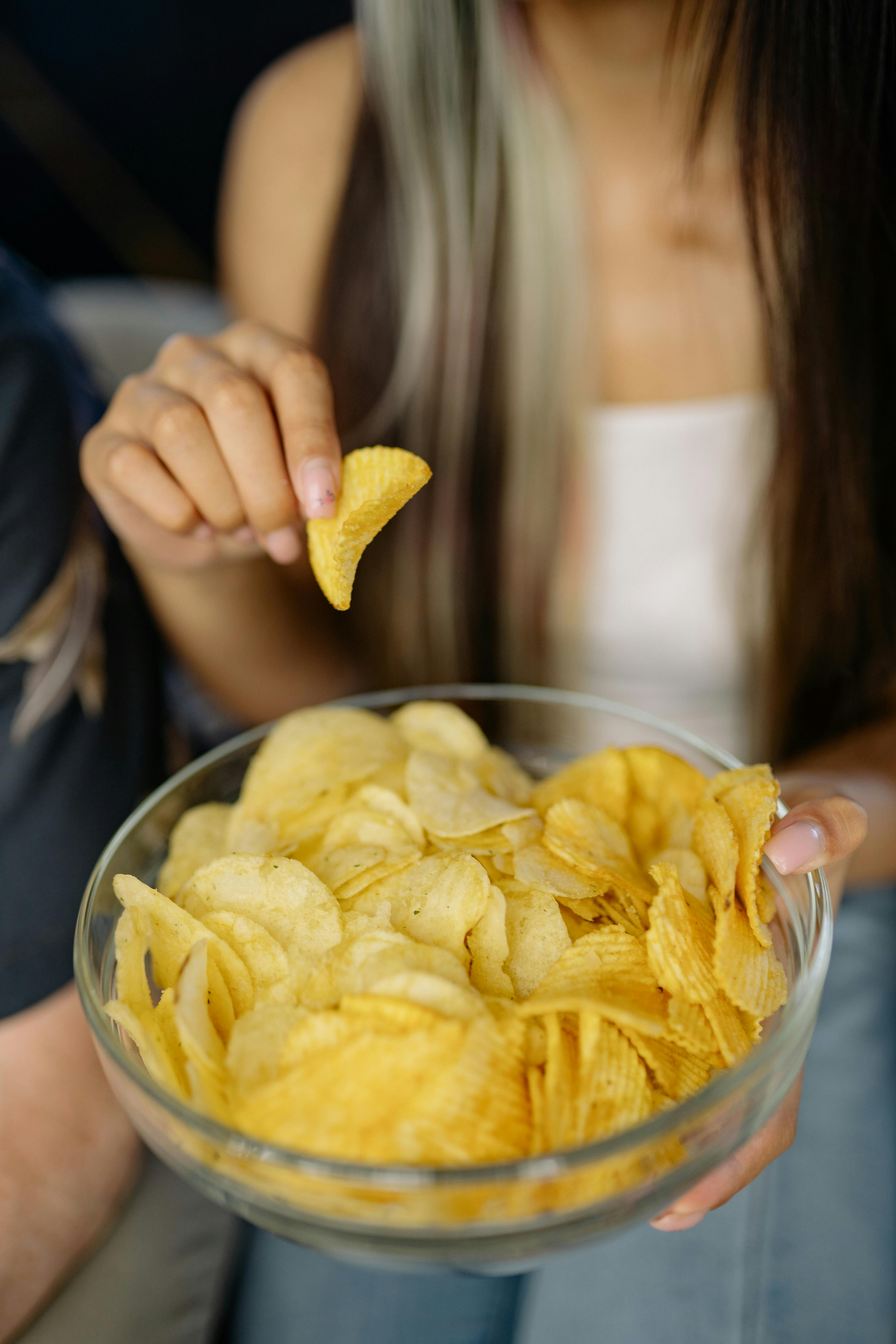
Snack foods often look trivial, but they carry powerful signals about belonging. People remember the flavors they grew up with, and those flavors become invisible markers of home. For Canadians, ketchup chips are part of that emotional background noise, as ordinary as seeing a familiar cereal brand or a certain chocolate bar at checkout. Their very normality is what makes outside confusion so entertaining.
There is also a lesson here about how food cultures diverge even when ingredients overlap. Americans and Canadians both eat potatoes, tomatoes, vinegar, sugar, and seasoning blends in countless forms, yet the accepted combinations differ in subtle ways. Markets shape habits, habits shape nostalgia, and nostalgia eventually hardens into identity. A product does not need to be ancient or artisanal to become culturally meaningful; sometimes it only needs to be consistently present for long enough.
That is why ketchup chips keep stopping American visitors in their tracks. They challenge assumptions about what counts as normal food, then resolve that challenge with a taste that is usually better than expected. For Canadians, the humor comes from seeing a routine snack perform this trick over and over again. For everyone else, it is a reminder that some of the most revealing food traditions come in the loudest bags on the shelf.




Leave a Reply