
Eating well on a budget is more doable than people make it sound. High-protein meals can actually be one of the easiest grocery wins once you know what to buy.
Start with the cheapest reliable protein sources

If you want more protein without blowing your budget, stop thinking first about trendy products and start with the basics. Eggs, canned tuna, cottage cheese, Greek yogurt, dried beans, lentils, tofu, peanut butter, and family-pack chicken are usually the workhorses. These foods deliver a lot of protein per dollar, and most of them can be used in several meals during the week.
Dried beans and lentils are especially strong budget picks because they stretch so far. A bag of lentils can make soups, grain bowls, tacos, and curry for multiple days, while also bringing fiber and minerals to the table. According to nutrition guidance commonly used by dietitians, pairing legumes with grains also improves overall meal quality and makes cheap staples feel more complete and satisfying.
Animal proteins can still fit a tight budget if you buy strategically. Instead of grabbing boneless skinless chicken breasts every time, look at chicken thighs, whole chickens, canned fish, or larger packs marked down for quick sale. Greek yogurt and cottage cheese also punch above their price in protein content, especially when bought in larger tubs instead of single-serve cups.
The big money saver is learning to compare cost by serving, not just package price. A $7 tub of yogurt may look expensive next to a $2 snack pack, but the tub often gives several high-protein servings at a lower cost. Once you start measuring value this way, your cart gets cheaper and your meals get stronger.
Build meals with a simple protein-carb-produce formula

The easiest way to make affordable high-protein meals is to follow a repeatable formula. Start with a protein, add a cheap carb like rice, potatoes, oats, pasta, or tortillas, then finish with produce. This structure keeps meals balanced, filling, and budget-friendly without requiring a complicated plan or expensive specialty foods.
A simple example is a rice bowl with black beans, roasted chicken, and frozen broccoli. Another is oatmeal stirred with Greek yogurt and peanut butter, topped with banana. You can also do scrambled eggs with potatoes and sautéed cabbage, or pasta with lentils and tomato sauce. None of these meals look fancy, but they check the boxes for protein, energy, and fullness.
Produce is where people often overspend because they buy with good intentions and then waste half of it. Frozen vegetables are one of the smartest grocery buys because they are usually affordable, prepped, and easy to portion. Cabbage, carrots, onions, bananas, and apples are also dependable low-cost options that hold up well through the week.
This formula works because it removes decision fatigue. Instead of searching for the perfect recipe every night, you just swap components based on what is cheapest that week. When chicken costs more, use beans or eggs. When fresh vegetables look rough or overpriced, lean on frozen spinach, peas, or mixed vegetables and keep moving.
Shop smarter so protein costs less over time

Saving money on protein starts before you ever cook. The grocery store rewards people who buy with a plan, compare unit prices, and stay flexible on brands and cuts. Store brands are often the easiest win, especially for yogurt, oats, beans, peanut butter, frozen produce, and canned fish, where quality differences are usually small.
Sales cycles matter more than most shoppers realize. Chicken, ground turkey, yogurt, and cheese often rotate through discounts, and that is when it makes sense to stock up if you have freezer space. A 2024 consumer trend report noted that more households were using freezer storage and batch cooking specifically to offset rising grocery costs, and it is easy to see why.
Bulk buying helps when the food is something you will actually use. A large bag of rice, dried beans, oats, or frozen chicken can bring the cost per serving down dramatically. But bulk only saves money if it prevents extra shopping trips and last-minute takeout, not if it sits in the pantry until it expires.
Meal prep does not have to mean a full Sunday production line. Even cooking one big batch of lentils, roasting a tray of chicken thighs, or boiling a dozen eggs can make the week cheaper. When protein is already ready to go, you are much less likely to order food because dinner feels inconvenient.
Use stretching ingredients to make protein go further

One of the best budget tricks is not relying on a huge portion of meat to carry the whole meal. Instead, combine smaller amounts of meat with lower-cost proteins and filling ingredients. Think chili made with ground turkey and beans, fried rice with eggs and leftover chicken, or tacos built from half beef and half black beans.
This approach works in both flavor and cost. Beans, lentils, eggs, and tofu absorb seasoning well, so meals still feel hearty and satisfying. In many home kitchens, that is the difference between getting 2 dinners from a package of protein and getting 4. Over a month, that kind of stretching can shave a meaningful amount off your grocery bill.
Soups, stews, casseroles, and skillet meals are especially useful here. A pot of lentil soup with sausage slices, a baked pasta with cottage cheese, or a chicken and rice casserole can deliver solid protein in every serving without requiring expensive portions. These dishes also reheat well, which helps reduce waste and keeps lunch costs low.
You can stretch breakfast the same way. Add oats to Greek yogurt, blend cottage cheese into scrambled eggs, or pair toast with peanut butter and milk instead of buying protein bars. Packaged high-protein convenience foods often cost far more per serving than simple grocery staples that do the same job just as well.
Focus on meals that are cheap, repeatable, and filling
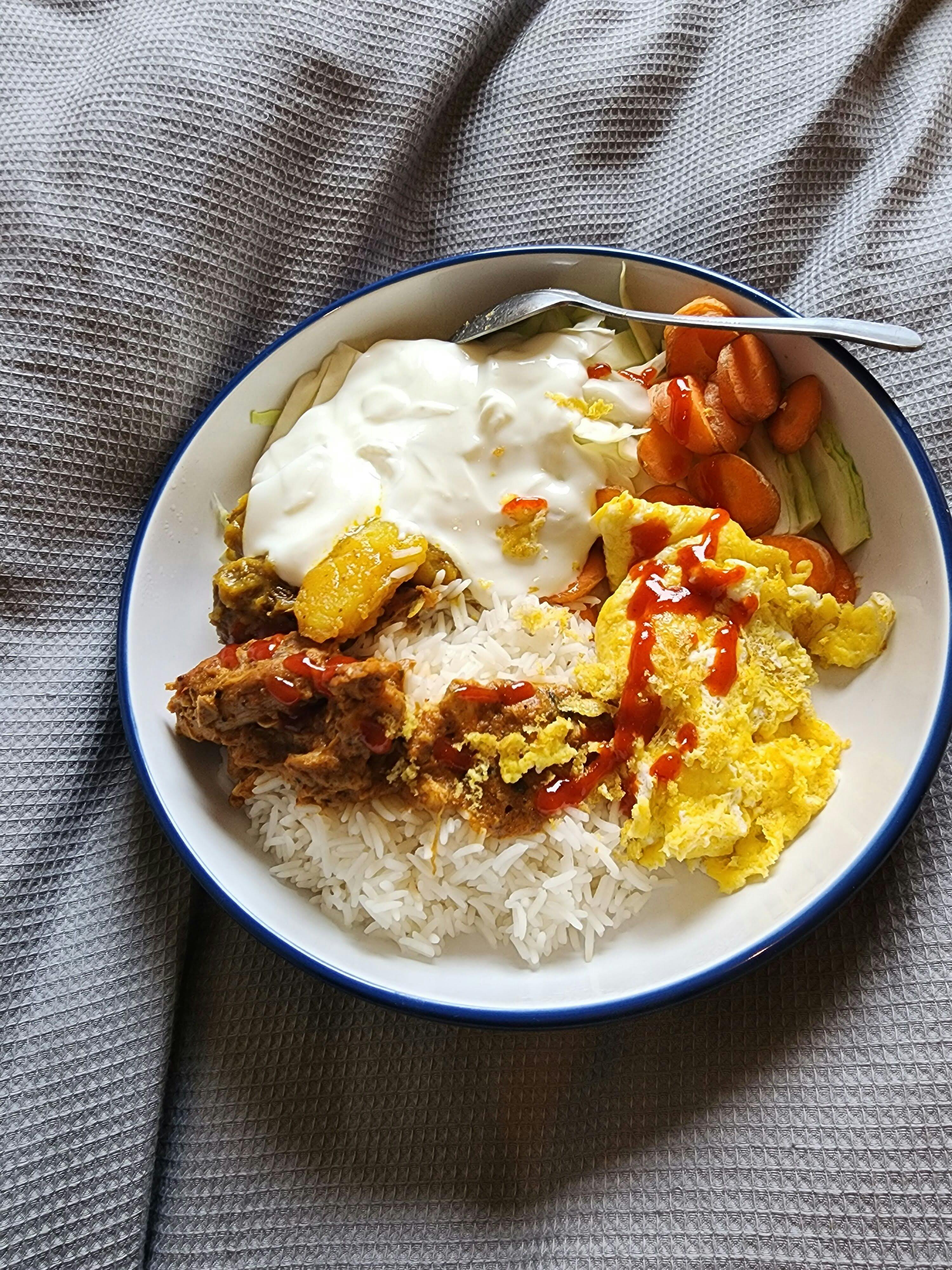
Affordable high-protein eating gets easier when you stop chasing novelty and start building a small rotation. Most people do not need 25 different budget meals. They need 6 or 7 dependable ones that taste good, fit their schedule, and use overlapping ingredients. That is where the real savings happen.
A strong weekly rotation might include bean and chicken burrito bowls, lentil pasta, egg fried rice, tuna sandwiches with fruit, Greek yogurt bowls, and baked potatoes topped with cottage cheese and steamed broccoli. These meals share staples like rice, oats, potatoes, yogurt, eggs, onions, and frozen vegetables. That overlap reduces waste and makes shopping more efficient.
Satiety matters just as much as protein totals. A meal with 30 grams of protein sounds great, but if it lacks fiber, carbs, or volume, you may still end up hungry and snacking later. Potatoes, oats, beans, rice, and vegetables make meals more filling, which protects the grocery budget in a less obvious but very real way.
There is also a convenience factor that people underestimate. If your cheap meal takes 90 minutes and a sink full of dishes every time, you probably will not stick with it. Budget-friendly eating works best when meals are easy enough to repeat on busy weekdays, not just on your most organized days.
Make a realistic budget plan for your own grocery store
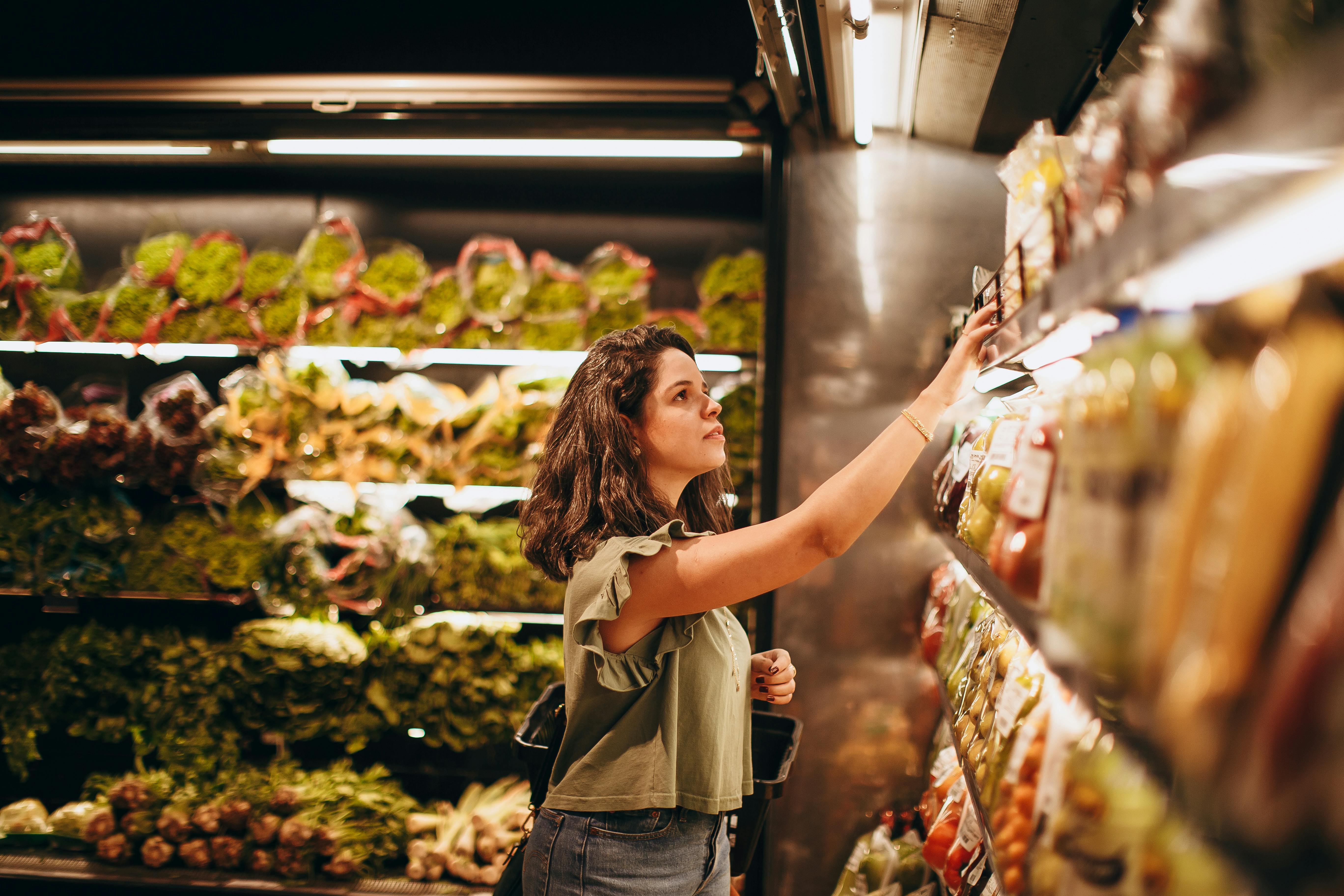
The cheapest high-protein plan is the one that fits your actual store, schedule, and appetite. Prices vary a lot by region, so it helps to build your own shortlist of budget proteins and staple carbs from the places you shop most often. Spend 2 or 3 trips tracking what eggs, yogurt, chicken thighs, tofu, canned fish, beans, and lentils really cost where you live.
From there, create a default shopping template instead of reinventing the wheel each week. You might buy 2 proteins, 2 carbs, 4 produce items, and 1 flavor booster like salsa, soy sauce, or shredded cheese. That kind of repeatable framework keeps spending predictable while still allowing variety based on sales and cravings.
A good target is to assemble meals where protein is clearly present in every breakfast, lunch, and dinner, even if the amount varies. Maybe breakfast is oats with yogurt, lunch is a tuna wrap, and dinner is rice, beans, and chicken. That pattern is far more affordable than trying to force every meal to look like a bodybuilder plate loaded with expensive meat.
The goal is not perfection. It is consistency, flexibility, and learning which foods give you the best return for your money. Once you get comfortable with a handful of low-cost proteins and a simple meal-building system, high-protein eating stops feeling expensive and starts feeling practical.




Leave a Reply