Potatoes deserve better than a supporting role. When you use them with intention, they become the foundation of dinners that are practical, balanced, and far from repetitive.
Start by treating potatoes as a format, not just a side
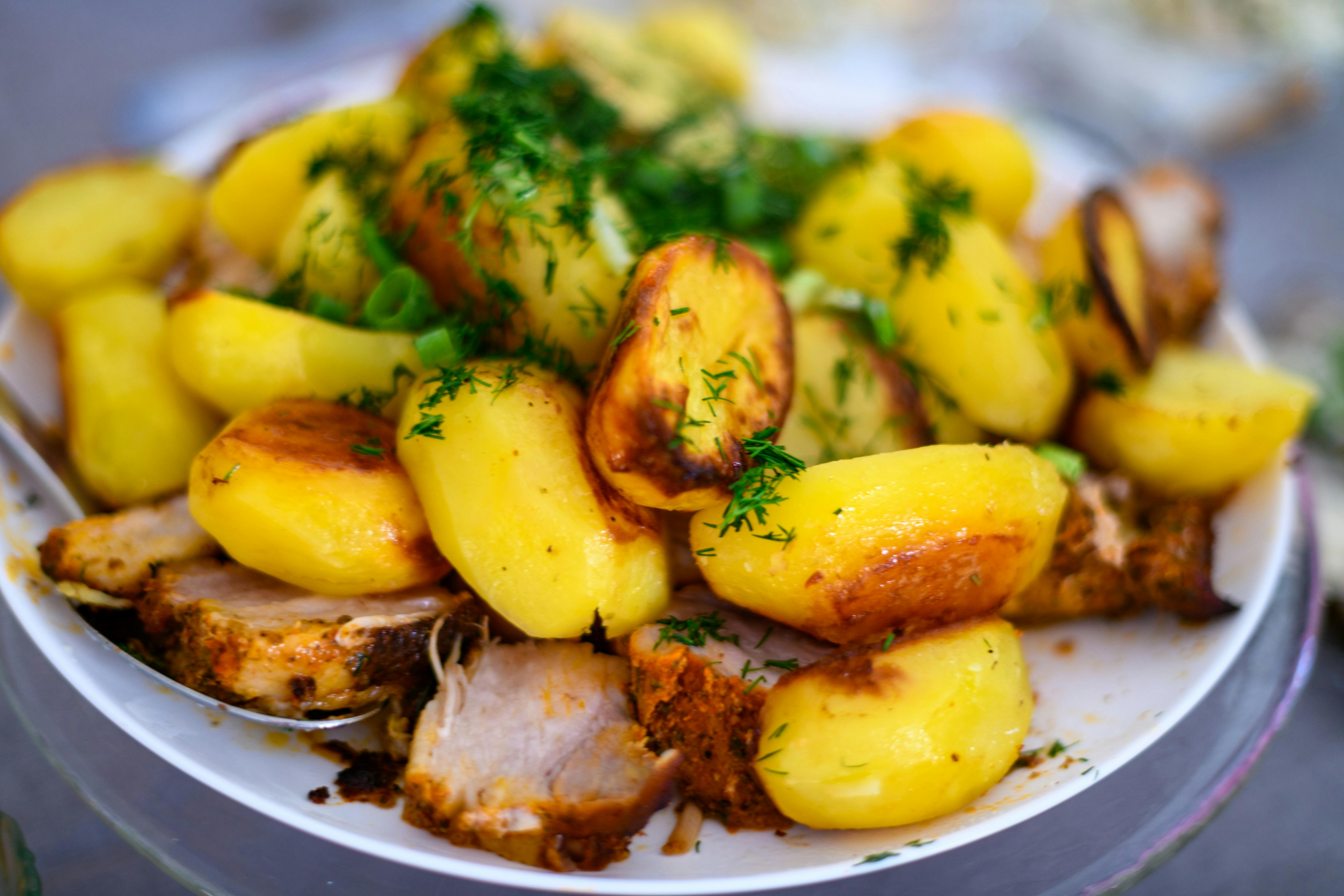
The easiest way to make potato-based dinners more interesting is to stop seeing potatoes as one thing. A baked potato, a tray of wedges, a silky mash, crisp smashed potatoes, gnocchi, chowder, and a gratin all create completely different eating experiences. That matters because boredom at dinner usually comes from repeated texture and presentation, not from the ingredient itself. Potatoes are unusually flexible, which is why they show up in everything from rustic soups to elegant layered bakes.
This is also where weeknight cooking gets easier. One bag of potatoes can become several types of meals depending on the method you choose. Roasted fingerlings can sit under lemon-herb chicken one night, while leftover mashed potatoes can be turned into loaded potato pancakes the next. Recipe collections built around potatoes often highlight this range because it is one of the ingredient's biggest strengths. The difference between crispy air-fried baby potatoes and creamy cheesy scalloped potatoes is large enough that they hardly feel like the same staple.
Thinking in formats also helps you match the potato to the rest of the plate. A hearty stew wants chunks of waxy potato that hold their shape, while a lighter fish dinner benefits from smashed or roasted potatoes with plenty of crisp surface area. Sweet potatoes can play a different role entirely, bringing natural sweetness to sheet pan meals, fajitas, or baked fries. Once you choose the format first, the rest of dinner becomes easier to design.
A practical rule is to rotate among four dinner styles each week: roasted, mashed or smashed, soup or stew, and stuffed or layered. That single habit creates visual and textural variety without demanding unusual ingredients. It also keeps meal planning grounded in methods you can repeat with confidence. Potatoes stop feeling repetitive when you make each version deliver something distinct.
Build balance into the plate with protein, vegetables, and fat
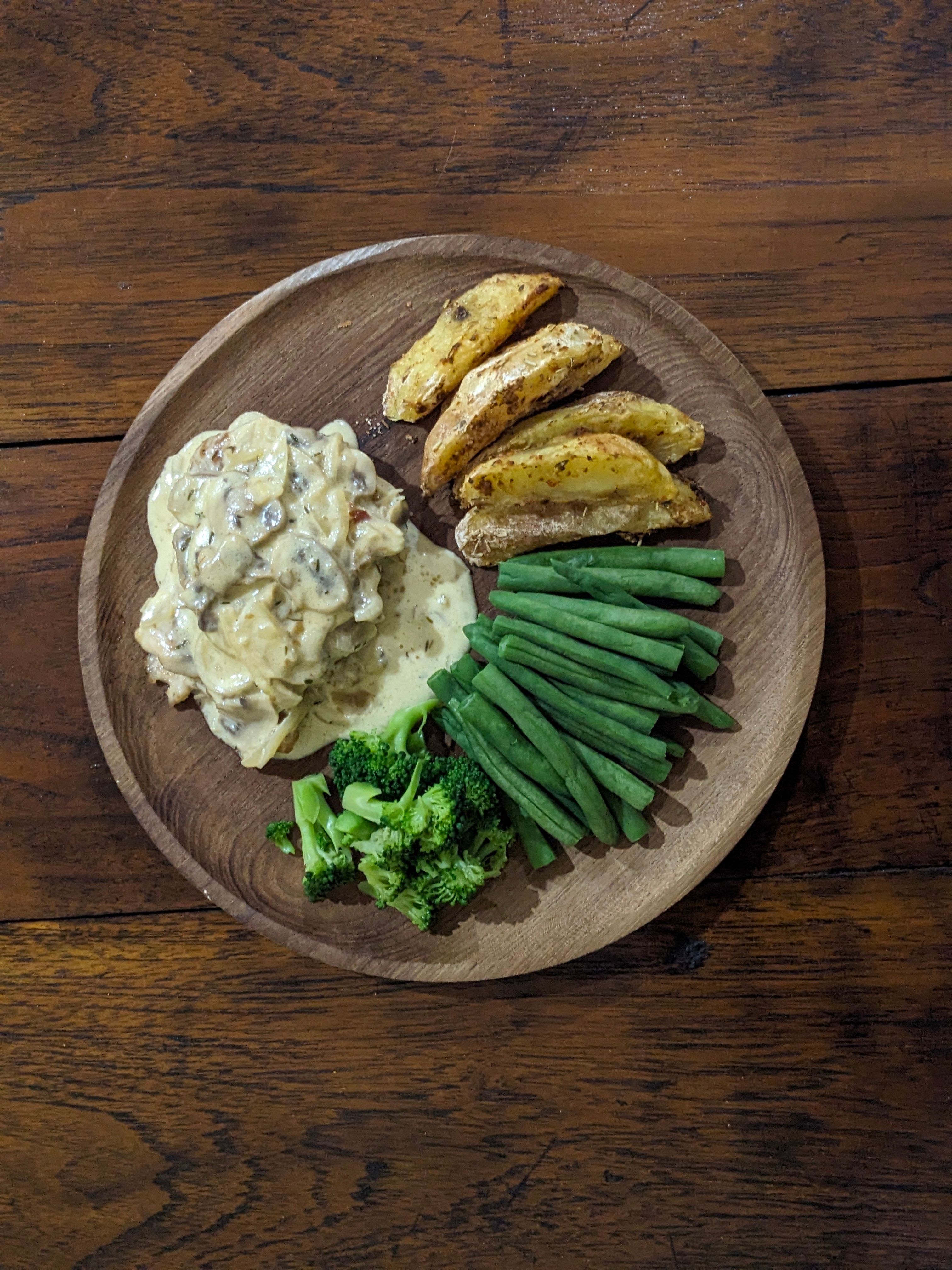
A better potato dinner is not just more flavorful. It is also more complete. Potatoes provide carbohydrates, potassium, vitamin C, and satisfying bulk, but they work best when paired with enough protein, fiber, and fat to make the meal feel stable and filling. If dinner is only potatoes and cheese, it may taste comforting but can still feel one-note. A more balanced plate has contrast in nutrition and contrast in flavor.
One of the simplest formulas is potato + protein + vegetable + finishing element. For example, roasted potatoes with chicken drumsticks and broccoli make more sense than a pan of potatoes alone because every part of the meal has a job. The potatoes bring comfort, the chicken adds satiety, the broccoli adds bitterness and freshness, and a sauce or garnish ties it together. That is why one-pan chicken and potatoes recipes stay popular. They solve dinner by combining all the major elements in a single cooking system.
Protein choices can shift the character of the meal dramatically. Steak with honey-chipotle potatoes feels bold and rich, while turkey meatballs with sweet potato mash feels lighter and more weeknight-friendly. Beans, lentils, eggs, tofu, and Greek yogurt-based sauces can do the same job if you want a vegetarian or lower-cost approach. Even a potato corn chowder becomes a stronger dinner when it includes bacon, beans, or shredded chicken and is served with a crisp salad for freshness.
Vegetables are especially important because potatoes are mild. That mildness is useful, but it needs contrast. Spinach and garlic roasted into potatoes add color and bite. Peppers and onions in sweet potato fajitas bring sweetness, acidity, and aroma. A spoonful of slaw, a side of green beans, or roasted cauliflower can keep a rich potato casserole from becoming too heavy. When potatoes anchor dinner, the supporting ingredients should add brightness, crunch, or sharpness.
Fat deserves attention too, not just for flavor but for satisfaction. Butter, olive oil, cheese, sour cream, tahini, and avocado each create different effects. The key is control, not excess. A modest amount of good fat can make potatoes taste complete, while too much makes every variation feel the same. Balance is what turns comfort food into a dinner you want to keep repeating.
Use texture to prevent the meal from feeling repetitive

Texture is one of the most powerful tools in cooking, and potatoes respond to it beautifully. If your potato dinners keep feeling dull, the issue is often softness. Soft potato with soft sauce and soft protein can taste good for a few bites, then become monotonous. The solution is to engineer contrast on purpose. Crisp edges, creamy interiors, crunchy toppings, and fresh garnishes make potato dinners feel much more dynamic.
That is why techniques like air frying, roasting, smashing, and broiling are so effective. Air fryer fingerling potatoes and crispy smashed potatoes deliver crackling exterior texture that changes the entire meal. Hasselback potatoes do the same by creating thin ridges that turn crisp while the center stays tender. Parmesan-crusted potatoes work because the cheese forms a salty shell that adds structure to every bite. These are not gimmicks. They are examples of how surface area and dry heat create better eating.
Texture can also come from what you add after cooking. Loaded baked potatoes become more interesting when topped with scallions, crumbled bacon, shredded cabbage, pickled onions, or toasted seeds. A creamy potato soup improves with crispy bacon, grated cheddar, or even roasted corn spooned over the top. Mashed potatoes become more compelling when served under saucy meatballs with a sharp herb salad on the side. Soft bases need something lively around them.
Even casseroles benefit from a texture plan. A chicken broccoli potato casserole is more memorable when the top is browned and the broccoli still has some bite. Scalloped potatoes become less heavy when paired with a crisp green salad dressed with vinegar. Sweet potato fries feel fresher when served with a tangy yogurt-lime dip rather than another creamy, rich sauce. The lesson is simple: potatoes do not need to be crunchy all the time, but the meal should offer more than one sensation.
When planning dinner, ask one direct question: what will crunch, what will stay creamy, and what will taste fresh? If you can answer all three, the meal is unlikely to feel boring. Potatoes are especially rewarding when you give them a supporting cast that changes the rhythm of every forkful.
Season boldly and borrow flavors from different cuisines
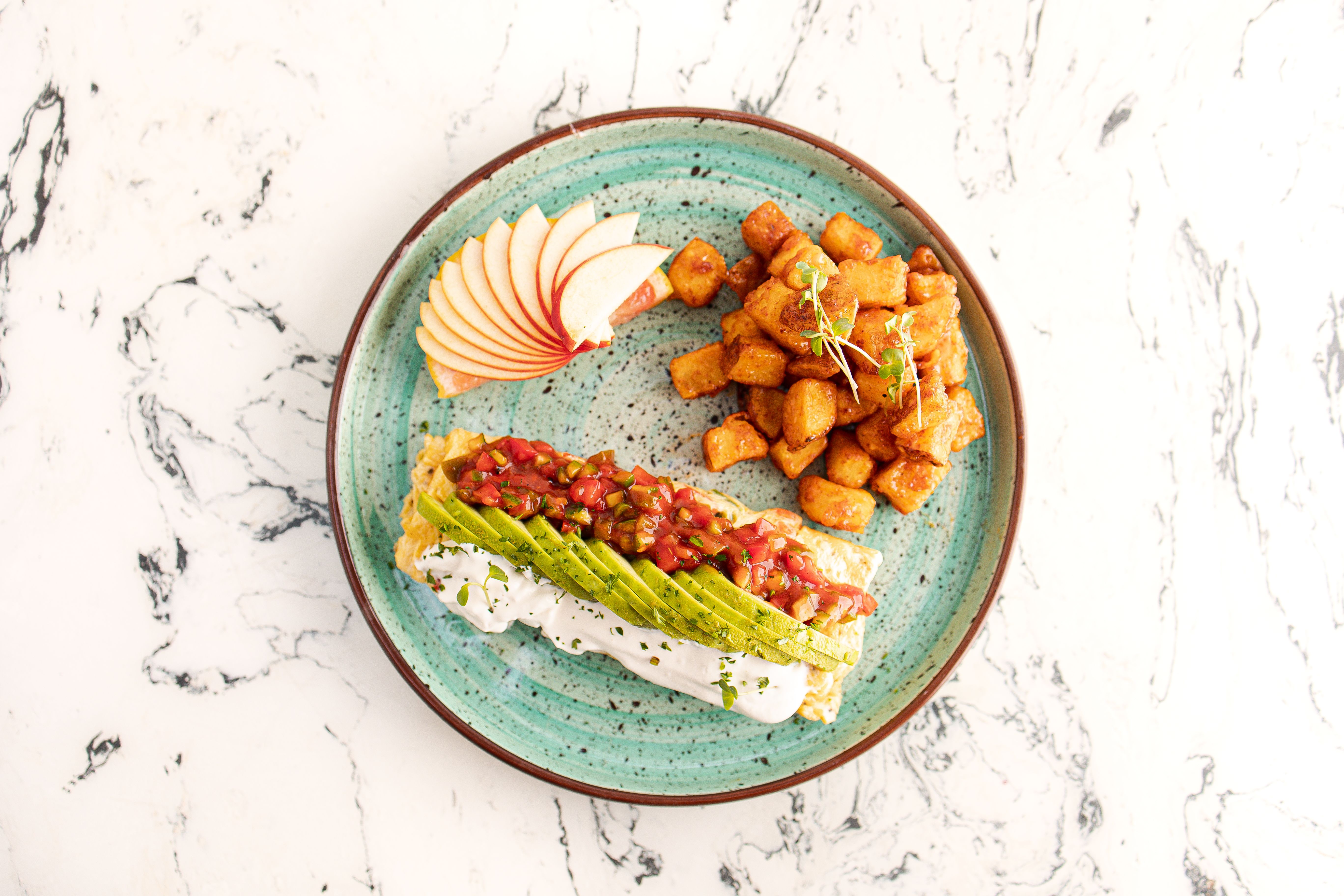
Plain potatoes are valuable because they absorb flavor well, but that same trait means timid seasoning produces forgettable results. Salt matters, but it is only the start. Garlic, herbs, spice blends, citrus, smoke, cheese, mustard, and fermented ingredients can all shift potatoes into a completely different category of dinner. If you want more variety without learning complicated techniques, the fastest route is a wider seasoning vocabulary.
A classic example is the difference between herb-roasted potatoes and taco potatoes. The base ingredient barely changes, yet the flavor profile transforms the meal. Taco-style potatoes with cumin, chili powder, paprika, salsa, and cheese can anchor a fast dinner topped with black beans, avocado, and shredded lettuce. Honey-chipotle steak and potatoes moves into sweet-smoky territory, while dill and garlic potatoes lean Eastern European and deeply savory. Potatoes are neutral enough to travel well across cuisines.
Sweet potatoes open another lane because their natural sugars pair well with heat, acid, and spice. Honey-garlic roasted sweet potatoes deliver caramelized edges and balance nicely with salty proteins. Sweet potato fajitas with peppers, onions, and lime sauce work because the starch carries seasoning while the lime keeps the dish bright. Even sweet potato fritters become dinner-worthy when paired with a spicy dipping sauce and a crunchy slaw. Variety often comes from seasoning direction, not from shopping for unusual ingredients.
Cheese also deserves a more strategic role. Smoked brie in a gratin creates depth that standard cream sauces do not. Cheddar gives potato soup or twice-baked casserole familiarity and sharpness. Parmesan adds salinity and crispness when roasted. The key is choosing one cheese for a purpose instead of layering several without a plan. Potatoes can carry rich dairy, but they taste best when every flavor has a reason to be there.
Keep a short list of flavor templates to rotate: garlic-herb, smoky barbecue, taco-spiced, lemon-dill, curry-roasted, and cheesy-bacon with scallions. Using those templates, you can build very different dinners from the same bag of potatoes. Consistent ingredients do not have to create repetitive meals if the flavor lens keeps changing.
Make potatoes work harder with smart meal architecture
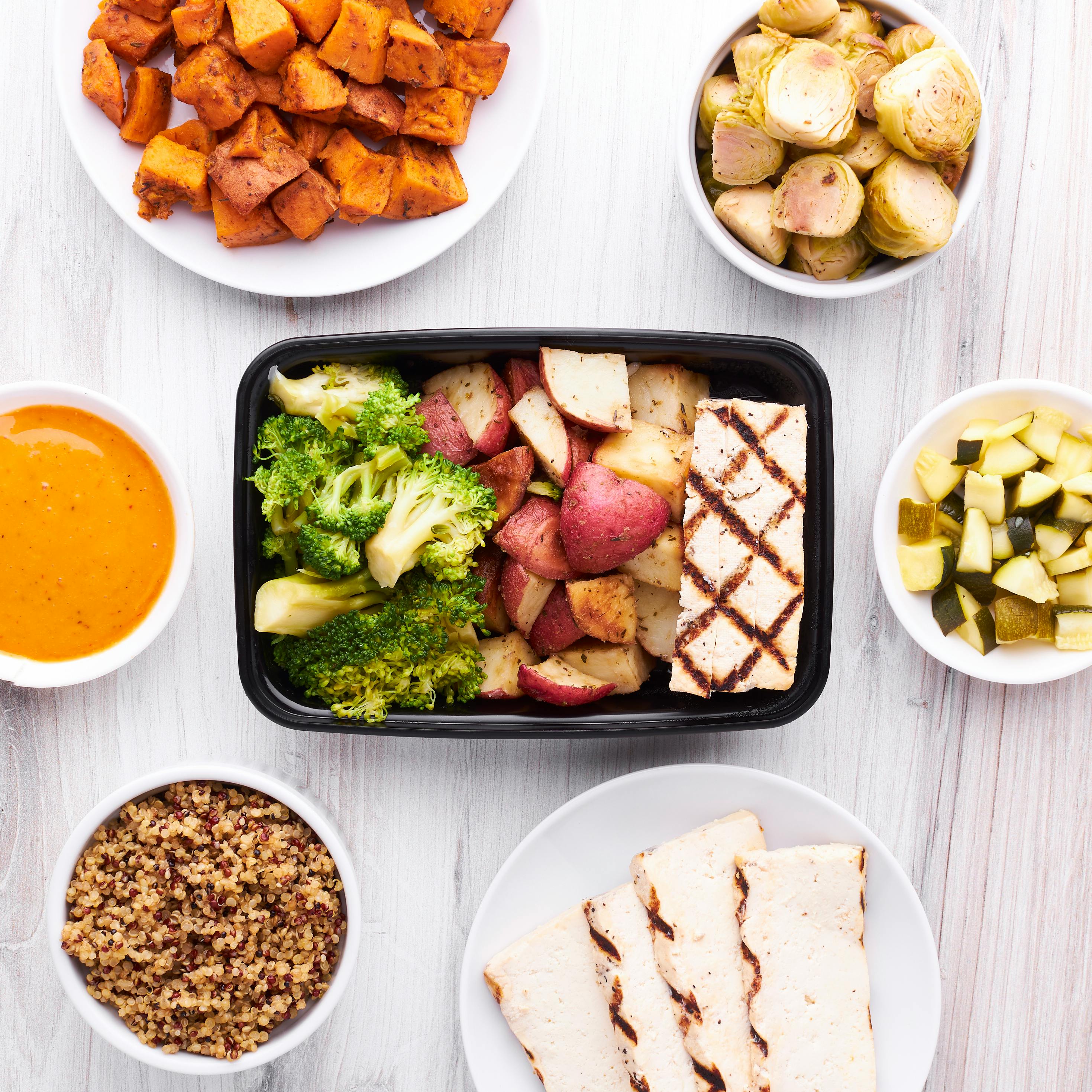
One reason potato dinners succeed is that they are economical, but value is not just about cost. It is also about structure. Potatoes can stretch expensive ingredients, absorb sauces, and carry leftovers into a second meal with very little extra effort. A better dinner plan uses potatoes as part of meal architecture, meaning one cook session creates multiple useful components rather than a single one-and-done dish.
Consider a sheet pan approach. If you roast a large batch of potatoes with onions and garlic, part of that tray can support dinner tonight and the rest can become tomorrow's breakfast hash or lunch bowl. Leftover mashed potatoes can become loaded potato pancakes, croquettes, or a topping for a cottage pie-style bake. Extra baked potatoes can be split and stuffed with chicken, broccoli, and cheese for an easy second dinner. This kind of planning is one reason potato-based cooking remains so practical for busy households.
Soups and stews are especially effective in this system. A chicken potato stew or potato corn chowder often tastes even better the next day because the flavors settle and deepen. A thick baked potato soup can be thinned into a lighter lunch, while roasted potatoes can be stirred into a frittata or grain bowl. Potatoes store well, reheat reliably, and adapt to different meal forms more gracefully than many cooked starches. That flexibility reduces waste and improves weeknight speed.
This is also where portioning helps. Instead of serving an oversized pile of potatoes as the main event, think in terms of support and structure. A moderate serving of gratin beside roast chicken and greens feels more intentional than an overflowing scoop. Stuffed baked potatoes can be a full meal, but they work best when the filling includes protein and vegetables rather than only cheese and sour cream. Potatoes are generous, which makes them easy to over-rely on unless the meal is designed thoughtfully.
A strong potato dinner often begins before cooking starts. Ask what today's dish can become tomorrow. That single question encourages smarter prep, less repetition, and more creative leftovers, which is exactly how an affordable staple becomes genuinely exciting.
Match the potato style to the mood, season, and occasion
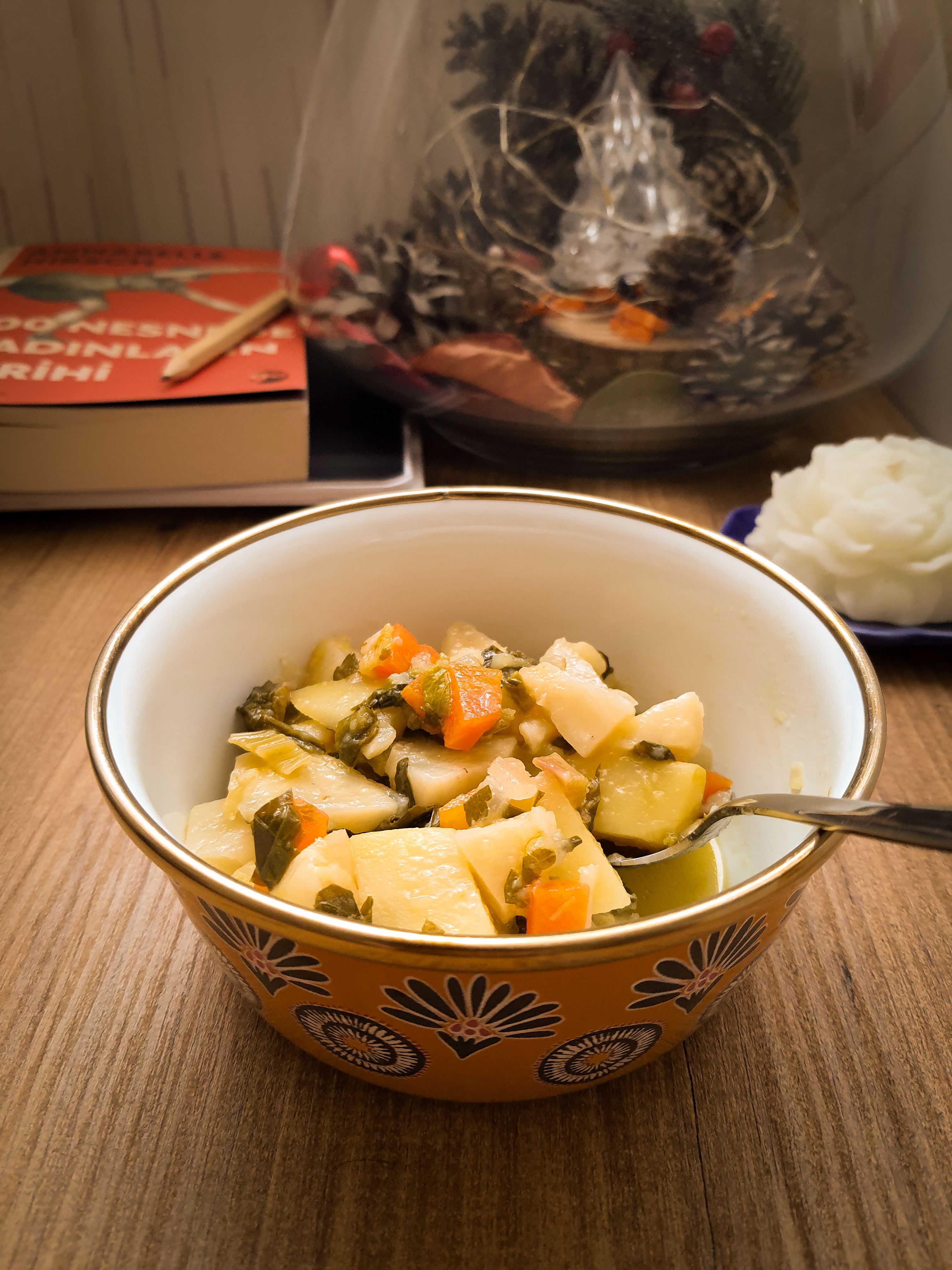
The final step to making potatoes less boring is understanding that not every potato dinner should do the same job. Some nights call for comfort, some for speed, some for freshness, and some for a little drama. Potatoes can handle all of those roles, but only if you choose a style that matches the moment. This is less about recipe collecting and more about culinary judgment.
In cold weather, potatoes excel in deeply comforting formats. Think potato chowder, baked potato soup, chicken potato stew, or cheesy scalloped potatoes served with a crisp salad. These meals feel substantial and restorative, which is exactly what many people want when temperatures drop. In these contexts, richness is not a flaw. It is part of the appeal, as long as there is enough contrast from herbs, acidity, or vegetables to keep the meal balanced.
Warmer months ask for something else. A spring onion potato salad, air fryer baby potatoes with grilled fish, or roasted potatoes with spinach and garlic will often feel more appropriate than a heavy casserole. Sweet potato fajitas or sheet pan chicken with sweet potatoes work well year-round, but especially when you want color, brightness, and easier cleanup. Seasonal thinking prevents the same ingredient from feeling stale because the format evolves with the calendar.
Occasion matters too. If you are feeding children on a rushed Tuesday, oven wedges, taco potatoes, or a baked potato bar may be more successful than a formal gratin. If friends are coming over, hasselback potatoes or smoked brie potato gratin look more special without requiring restaurant-level skill. Potatoes are particularly useful for entertaining because they feel generous and familiar, yet they can still look polished with the right preparation.
The best potato dinner is not the fanciest one. It is the one that fits the meal's purpose while still offering contrast, flavor, and balance. When you match method, seasoning, and pairings to the occasion, potatoes stop being the default starch and start acting like one of the most adaptable dinner ingredients in the kitchen.