
A packed fridge can feel efficient, but leftovers are only useful if they are still safe to eat. USDA guidance gives a practical timeline for many common foods, and a few rules stand out right away: refrigerate perishables within 2 hours, or within 1 hour if the temperature is above 90 F, and keep your refrigerator at 40 F or below.
Cooked meat and poultry
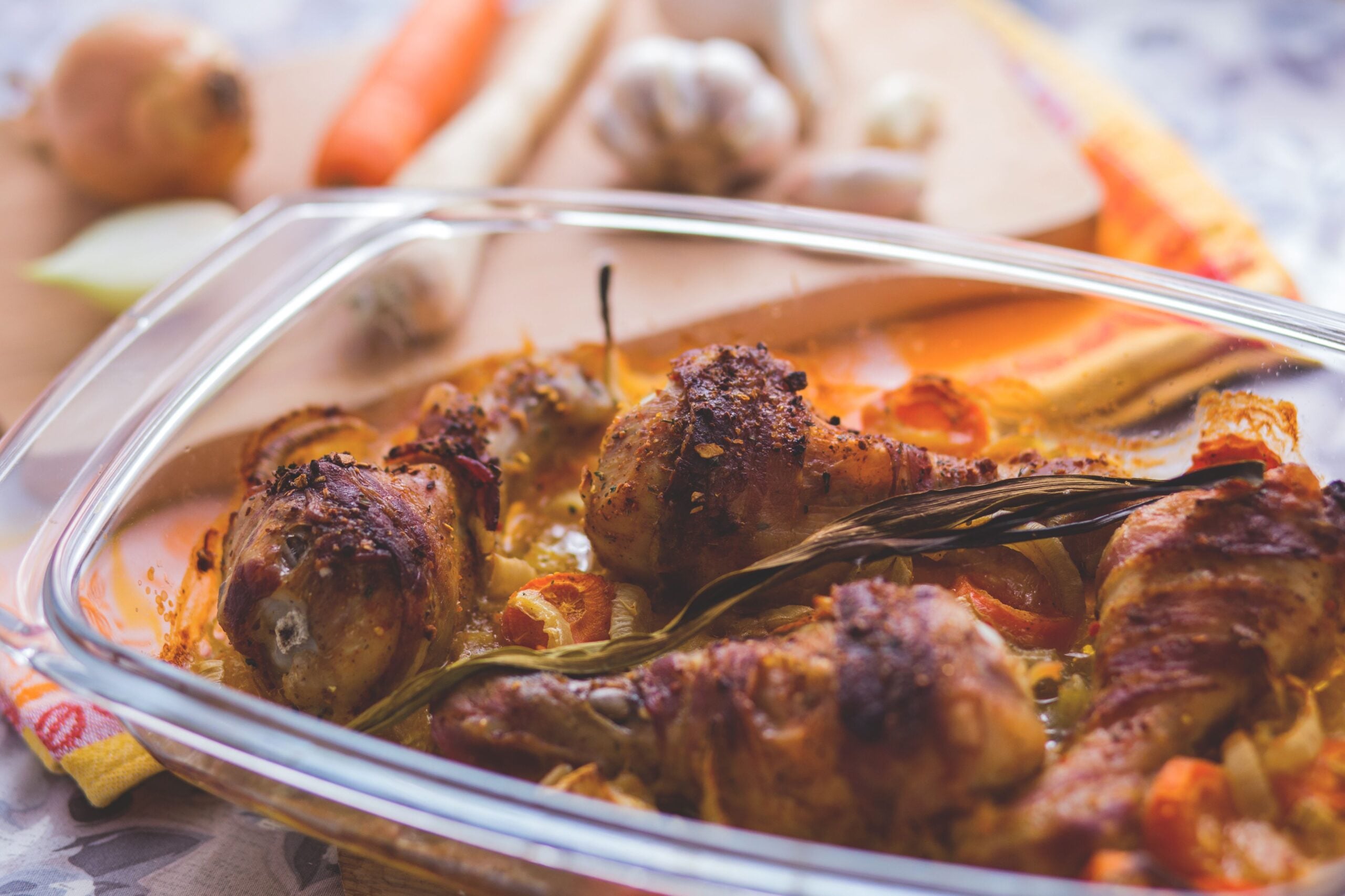
Roast chicken, steak, pork chops, meatloaf, and other cooked meats usually have a fairly short fridge life. The USDA says cooked meat and poultry leftovers are best used within 3 to 4 days when refrigerated properly.
That timeline also applies to many mixed dishes built around meat, including casseroles and stir fries. Store them in shallow containers so they cool faster, and refrigerate them promptly after the meal. If something sat out too long at room temperature, refrigeration does not make it safe again.
Soups and stews
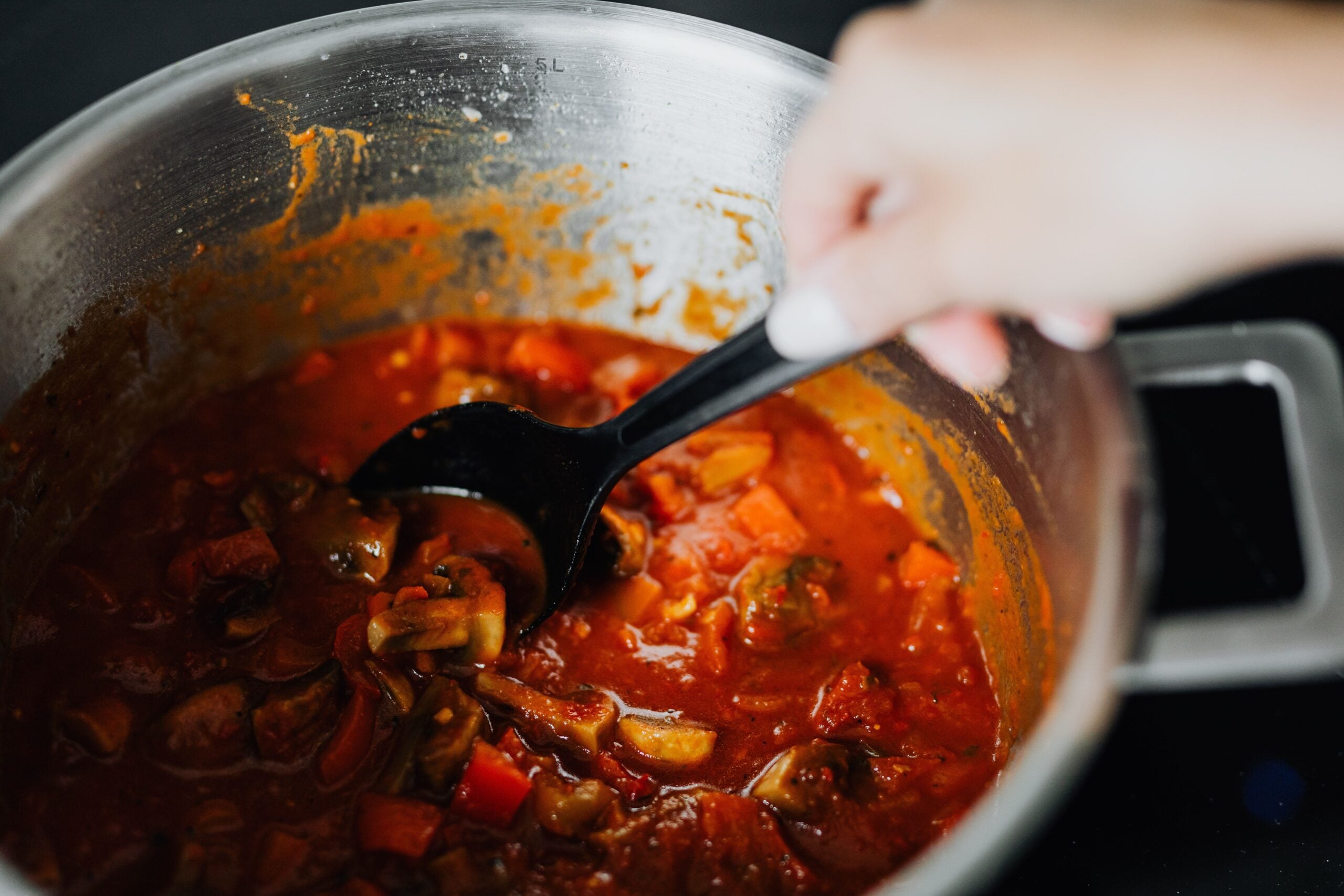
Soup seems durable because it was boiled, but once it has cooled and gone into the fridge, the same safety clock starts. The USDA says soups and stews generally last 3 to 4 days in the refrigerator.
Big pots need extra care because they cool slowly. Dividing soup into smaller, shallow containers helps it drop in temperature faster, which matters because bacteria grow fastest between 40 F and 140 F. If you want to keep soup longer, freezing is the safer backup than stretching fridge time.
Cooked rice, pasta, and grain dishes
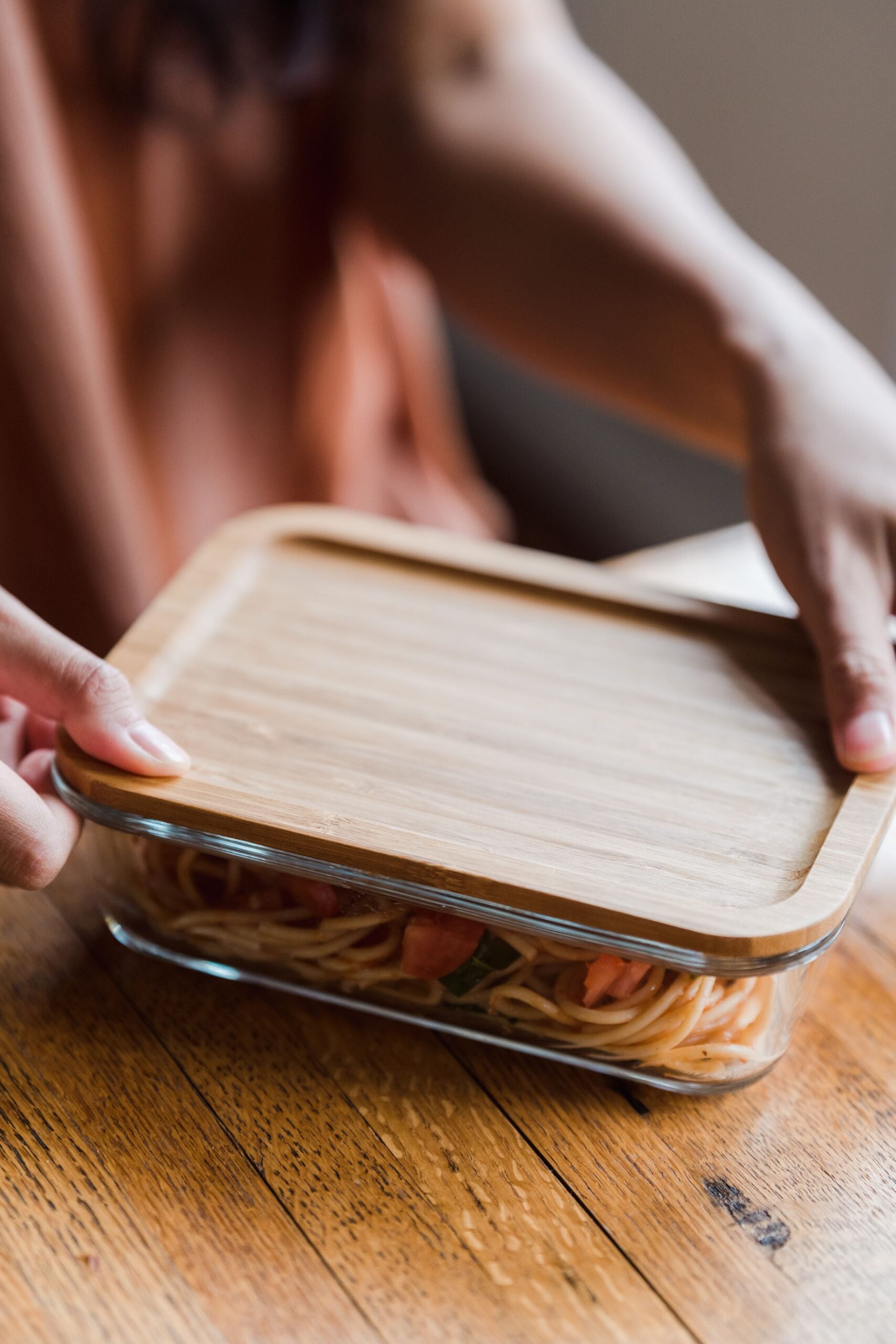
Plain cooked rice, pasta, quinoa, and similar grains often get overlooked because they do not smell risky right away. The USDA groups many cooked leftovers like these into the 3 to 4 day range in the refrigerator.
That same window is a smart rule for grain bowls, pasta sides, and mixed dishes without a lot of acidity. Keep them tightly covered to reduce moisture loss and cross contamination. Texture may change before safety does, but once they pass the recommended storage window, quality is not the only concern.
Pizza and takeout boxes
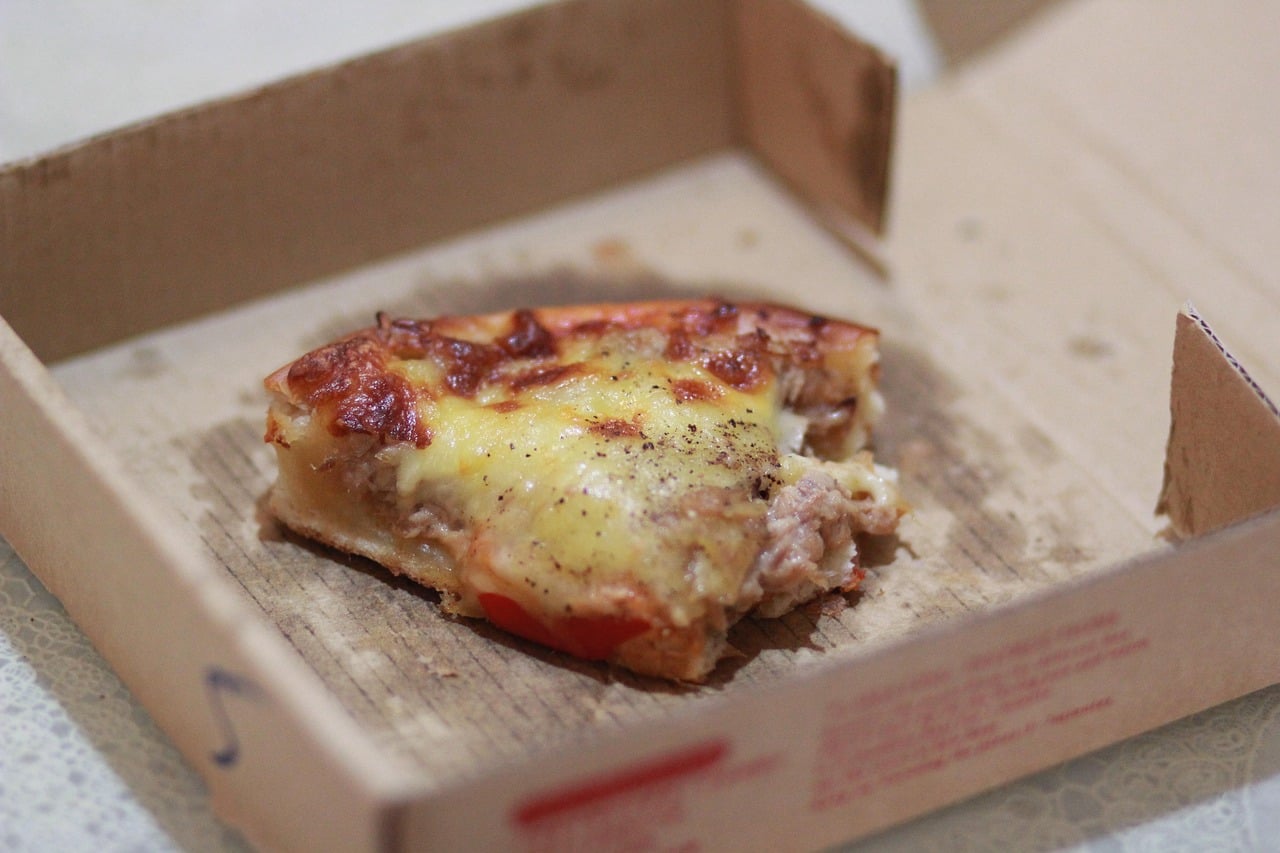
The cardboard box on the counter is a classic next day habit, but pizza is still a perishable leftover. With cheese, sauce, and often meat toppings, it falls under the USDA's 3 to 4 day guideline for refrigerated leftovers.
Move slices out of the takeout box and into a sealed container or wrap them well. That helps protect the food from drying out and from picking up odors from the fridge. The bigger issue, though, is time and temperature: pizza left out overnight should be discarded, even if it still looks fine.
Deli salads, casseroles, and mixed leftovers

Some leftovers are harder to judge because they combine many ingredients, like chicken salad, tuna salad, macaroni salad, lasagna, or a spoonful of holiday side dishes. The safest approach is to follow the ingredient with the shortest typical life, and for many prepared leftovers, the USDA guidance is 3 to 4 days.
Creamy salads can spoil faster if they warmed up during serving. Casseroles also trap heat in the center, so they should be chilled in portions rather than stored as one deep pan. Labeling containers with the date is a simple habit that makes this much easier to manage.
Gravy, sauces, and cut produce
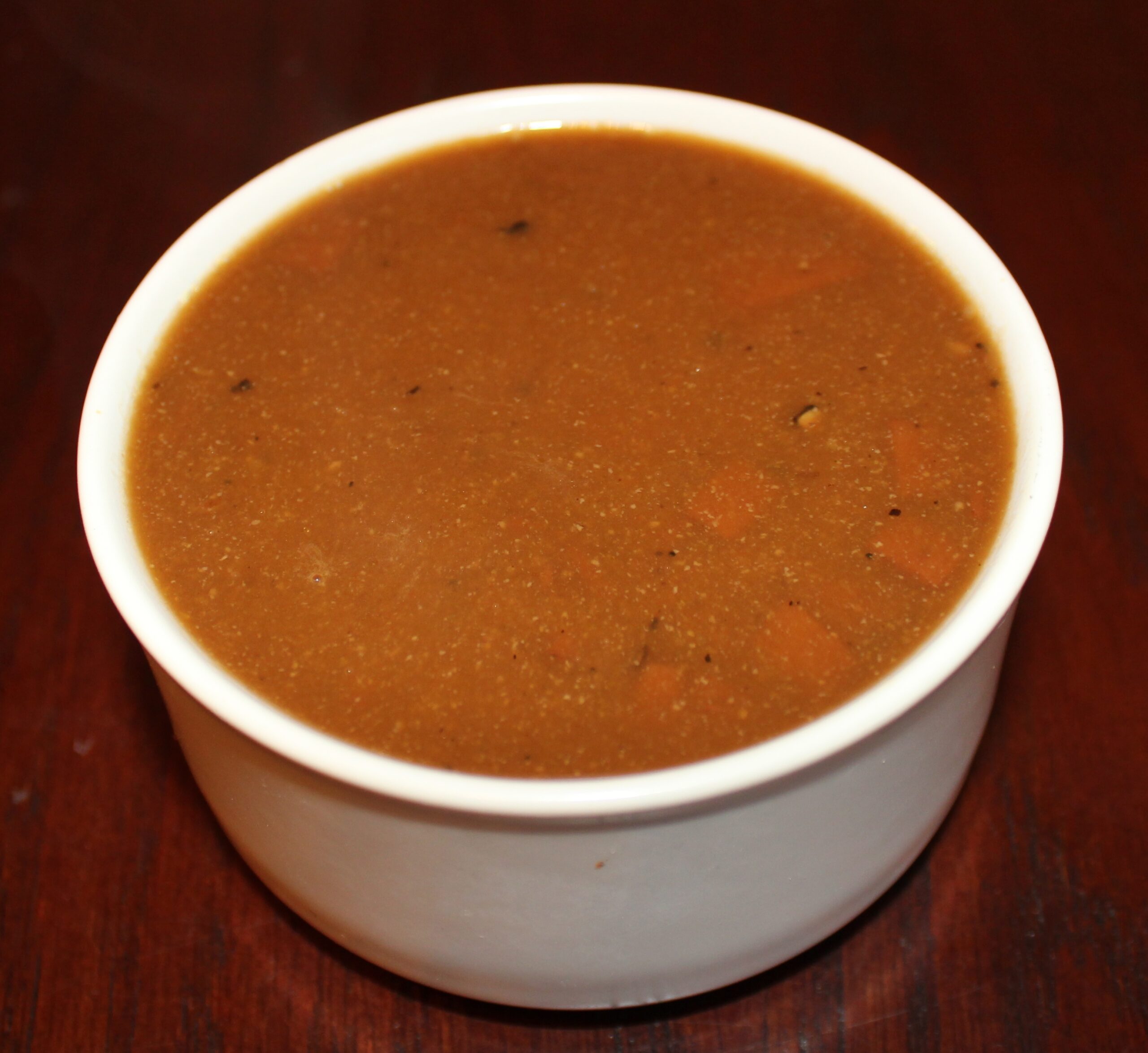
Small extras are easy to forget, but they often become the oldest items in the fridge. The USDA says gravy and meat broth should generally be used within 1 to 2 days, which is much shorter than many people expect.
Cut fruits and vegetables are also perishable once prepared, and the exact shelf life varies by item and condition. A good rule is to keep prepped produce cold, covered, and used quickly, especially melons and tomatoes once cut. When in doubt, the shortest official timeline in your fridge should guide the rest.


Leave a Reply