
Canadians have been bracing for higher grocery bills for a long time. Now, for the first time in months, many shoppers say a few staples are finally getting a little cheaper.
A small drop is still a meaningful change

For households that have spent the past two years watching food bills climb, even a slight decline stands out. Recent consumer price data in Canada showed grocery inflation cooling noticeably, and in some categories, prices actually moved lower month to month. That does not mean food is suddenly cheap again, but it does signal that the pressure may be easing.
What shoppers are reporting lines up with broader inflation trends. Statistics Canada has shown that food purchased from stores is no longer rising at the pace seen during the peak inflation period. In practical terms, that means items like produce, dairy, and some pantry staples are appearing on flyers at prices that feel less punishing than they did earlier this year.
The emotional effect matters too. When prices rise constantly, shoppers start expecting every trip to cost more than the last one. A small decline breaks that pattern and gives consumers a sense that the worst of the squeeze may be passing, even if overall grocery costs remain elevated compared with 2021 and 2022.
Where Canadians are seeing relief first
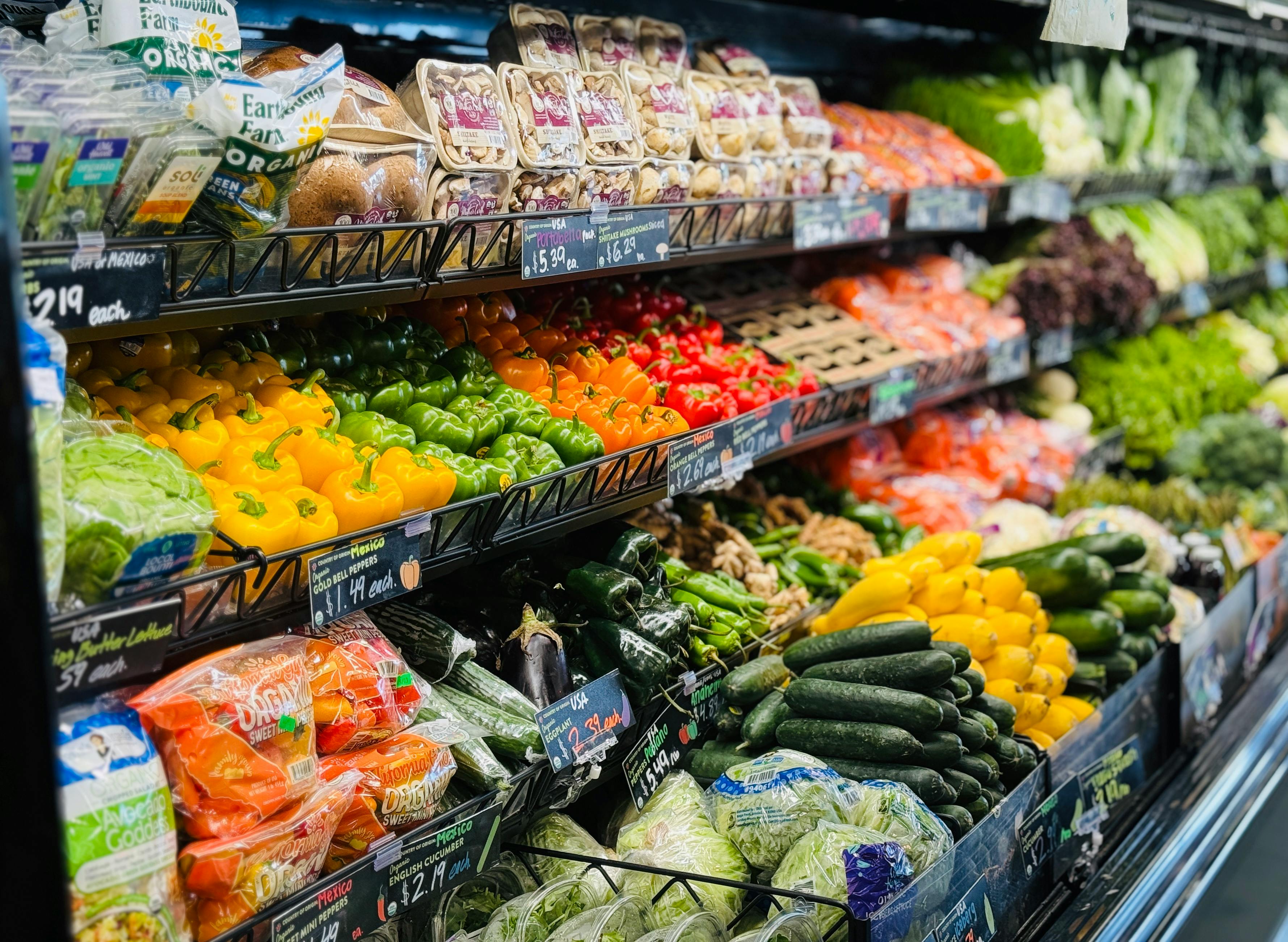
Fresh produce is one of the most commonly mentioned areas where shoppers are noticing a break. Seasonal supply has improved for items such as lettuce, tomatoes, cucumbers, and berries, helping stores offer better promotions. When weather, transportation, and inventory all cooperate, produce prices can soften faster than many packaged foods.
Some dairy products have also become less volatile. Milk, yogurt, and cheese are still expensive by historical standards, but shoppers in several provinces say weekly sales are becoming more frequent. That matters because dairy is a routine purchase, and repeated discounts can lower the total bill in a visible way over the course of a month.
Certain dry goods and canned items have shown pockets of relief as well. Pasta, rice, canned vegetables, and breakfast cereals are still heavily brand-dependent, but discount chains and private-label options have become more competitive. For many families, the lower price is not always on the premium brand, yet the cheaper alternative is now easier to find.
Why prices are softening now

One major reason is that global supply chains are less chaotic than they were a year ago. Shipping costs have cooled from pandemic-era highs, and delivery networks are functioning more predictably. When retailers and suppliers face fewer transport disruptions, some of those savings can eventually show up on store shelves.
Another factor is the broader slowdown in inflation across the economy. Higher interest rates have reduced spending in many sectors, and businesses have become more careful about passing along every cost increase. Grocery retailers know shoppers are more price-sensitive now, which has intensified competition, especially among discount banners.
Agricultural inputs have also become less extreme in some areas. Fertilizer, feed, fuel, and packaging costs surged dramatically in earlier inflation waves, but many of those spikes have moderated. The result is not a straight-line drop in food prices, but it does reduce the upward pressure that had been feeding month after month of increases.
Why many staples are still stubbornly expensive
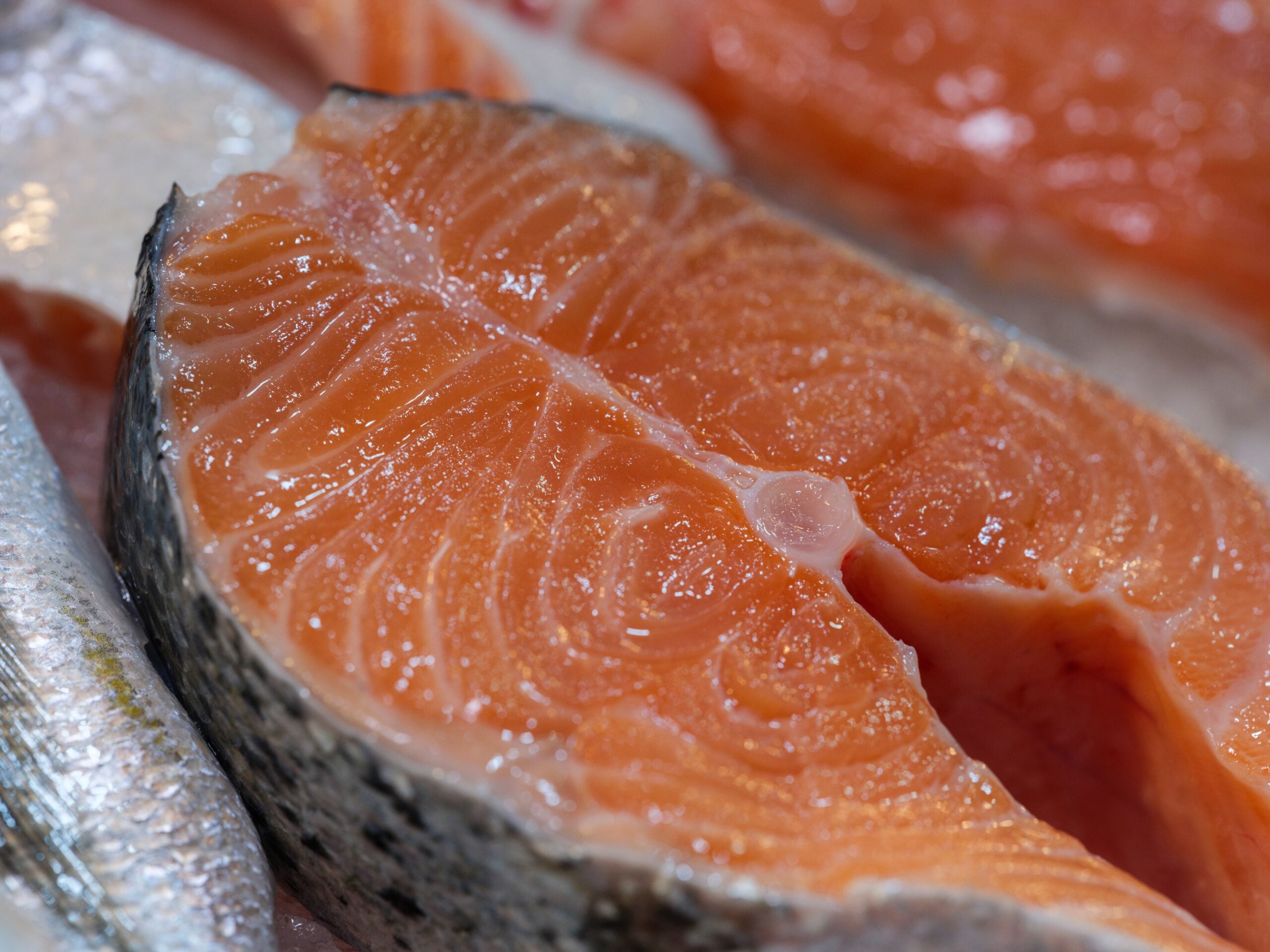
Meat remains one of the clearest examples of uneven relief. Beef prices in particular are still under pressure because of tight cattle supplies in North America, while poultry and pork costs can fluctuate with feed and processing expenses. So even if vegetables or cereal ease, the total grocery bill can still feel high if protein prices stay elevated.
Processed and branded foods are also proving sticky. Large food manufacturers raised prices repeatedly over the past two years, and those increases do not disappear quickly. Once a package of crackers, frozen meals, or snacks moves to a higher price point, it often takes aggressive promotions or heavy competition to bring it back down.
There is also the reality that Canadians are comparing today's prices with a much cheaper baseline from before inflation surged. A drop from a very high price still leaves many items well above what shoppers used to pay. That is why people can notice improvement and still feel that groceries remain fundamentally expensive.
How shoppers are adapting while prices shift
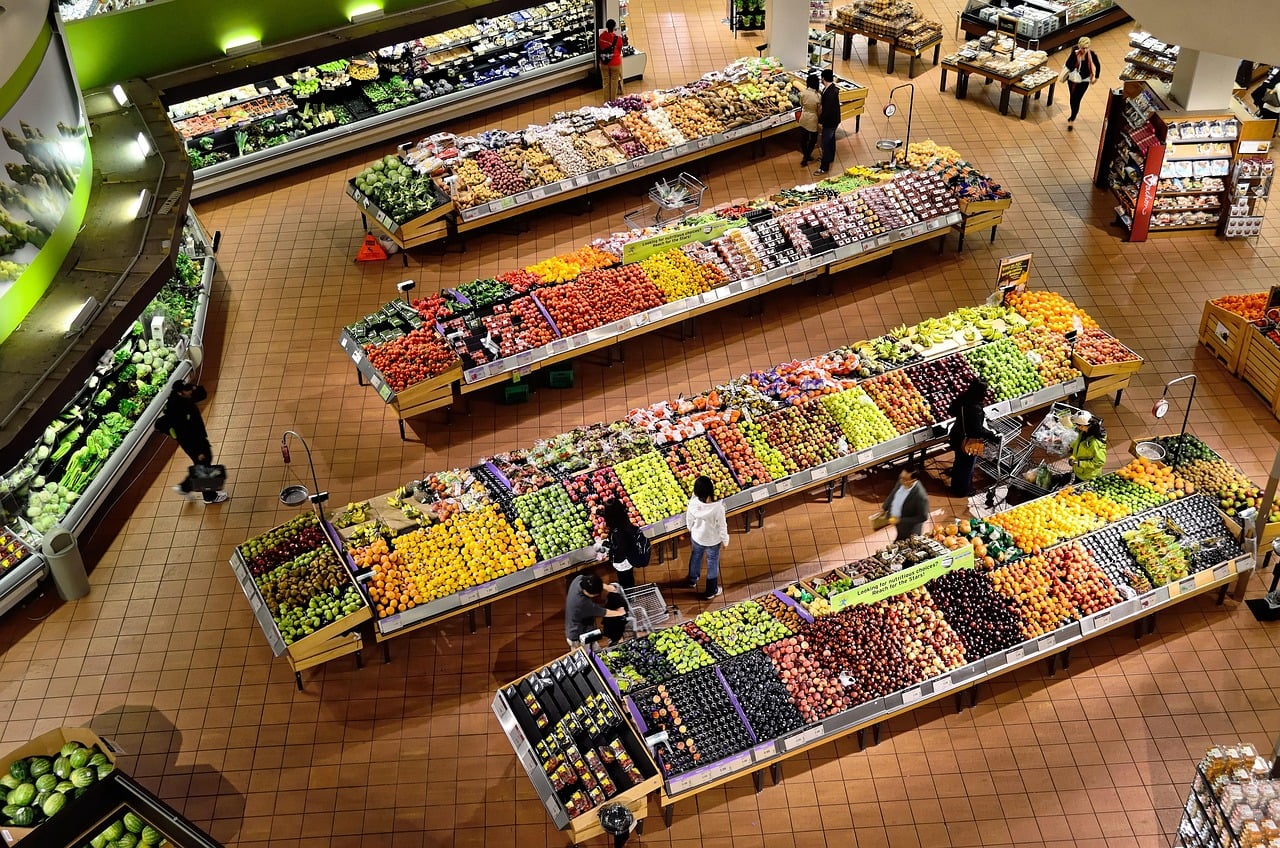
Many consumers have become far more strategic than they were before inflation took hold. They are comparing flyers, switching stores, using loyalty offers, and planning meals around promotions instead of preference. According to retail analysts, this kind of disciplined shopping has become one of the strongest forces shaping what grocers choose to discount.
Private-label products are benefiting from that shift. Store brands in categories like pasta sauce, bread, frozen vegetables, and cereal are no longer seen only as compromise options. For budget-conscious shoppers, they are often the first choice, especially when the quality gap with national brands feels too small to justify the extra cost.
Shoppers are also buying differently inside the same category. Instead of giving up yogurt, they may buy larger tubs instead of single-serve packs. Instead of buying boneless chicken breasts, they may choose thighs or family-size trays. These adjustments help explain why retailers are under pressure to keep promotional pricing visible and consistent.
What happens next for grocery bills

The most likely outcome is not a dramatic collapse in prices but a slower, uneven period of stabilization. Economists generally expect food inflation in Canada to remain milder than it was during its peak, though weather events, energy costs, and global conflict can still quickly disrupt supply. In other words, relief is possible, but it is fragile.
Consumers should also expect big differences across categories. Produce may continue to offer short-term bargains, while meat, coffee, chocolate, and imported goods remain vulnerable to global pressures. A single monthly decline does not guarantee a lasting trend, but it is an important signal that the pricing cycle is changing direction.
For now, the clearest takeaway is simple. Canadians are finally seeing signs that relentless grocery inflation is easing, even if only modestly. That will not erase the strain households have felt, but after months of bad news at the checkout, a small drop is still a welcome one.



Leave a Reply