
Food prices in Canada are not back to bargain-basement territory, but the pace of grocery inflation has cooled from its earlier peak. Statistics Canada has reported slower year over year increases for food purchased from stores than Canadians saw during the sharp run-up, which means this is a good moment to build meals around steady, budget-friendlier staples instead of chasing pricey one-offs.
Pasta with tomato and lentil sauce
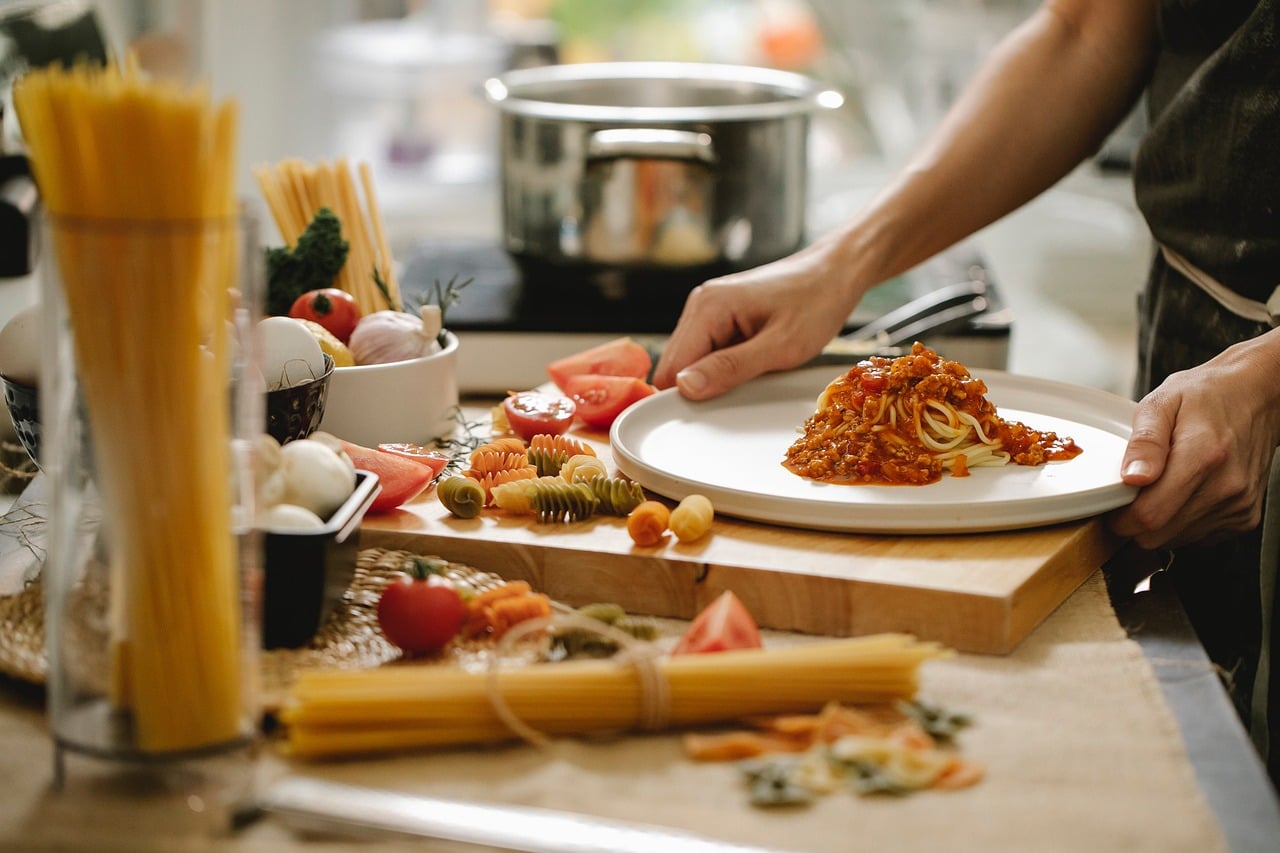
A box of dried pasta is still one of the most reliable dinner anchors in a Canadian kitchen. It keeps well, cooks fast and turns a few low-cost pantry items into something that feels like a proper meal rather than a budgeting exercise.
For this first night, simmer canned tomatoes with onion, garlic and dried lentils until the lentils soften into the sauce. The lentils add protein and fibre at a lower cost than most meat options, and canned tomatoes are usually easier on the wallet than many fresh vegetables out of season.
Finish with any herbs you have, then serve with a simple side of carrots or frozen peas. It is hearty, familiar and forgiving, which is exactly what a weeknight dinner should be when your budget is doing the menu planning.
Baked potatoes with broccoli and cheddar

The humble potato has range, and this is where it shows off a little. Potatoes are often one of the more economical produce buys in Canada, especially in larger bags, and they can carry a meal with very little help.
Bake the potatoes at 400°F (200°C) until crisp outside and fluffy inside. Top them with steamed frozen broccoli and a modest handful of shredded cheddar, then add plain yogurt or sour cream if it fits the budget. Frozen broccoli is useful here because it is often cheaper than fresh crowns and cuts down on waste.
This dinner works because every ingredient pulls double duty. Extra potatoes can become hash the next morning, and leftover broccoli can slide into omelettes, soup or pasta later in the week.
Cabbage stir-fry with eggs and rice
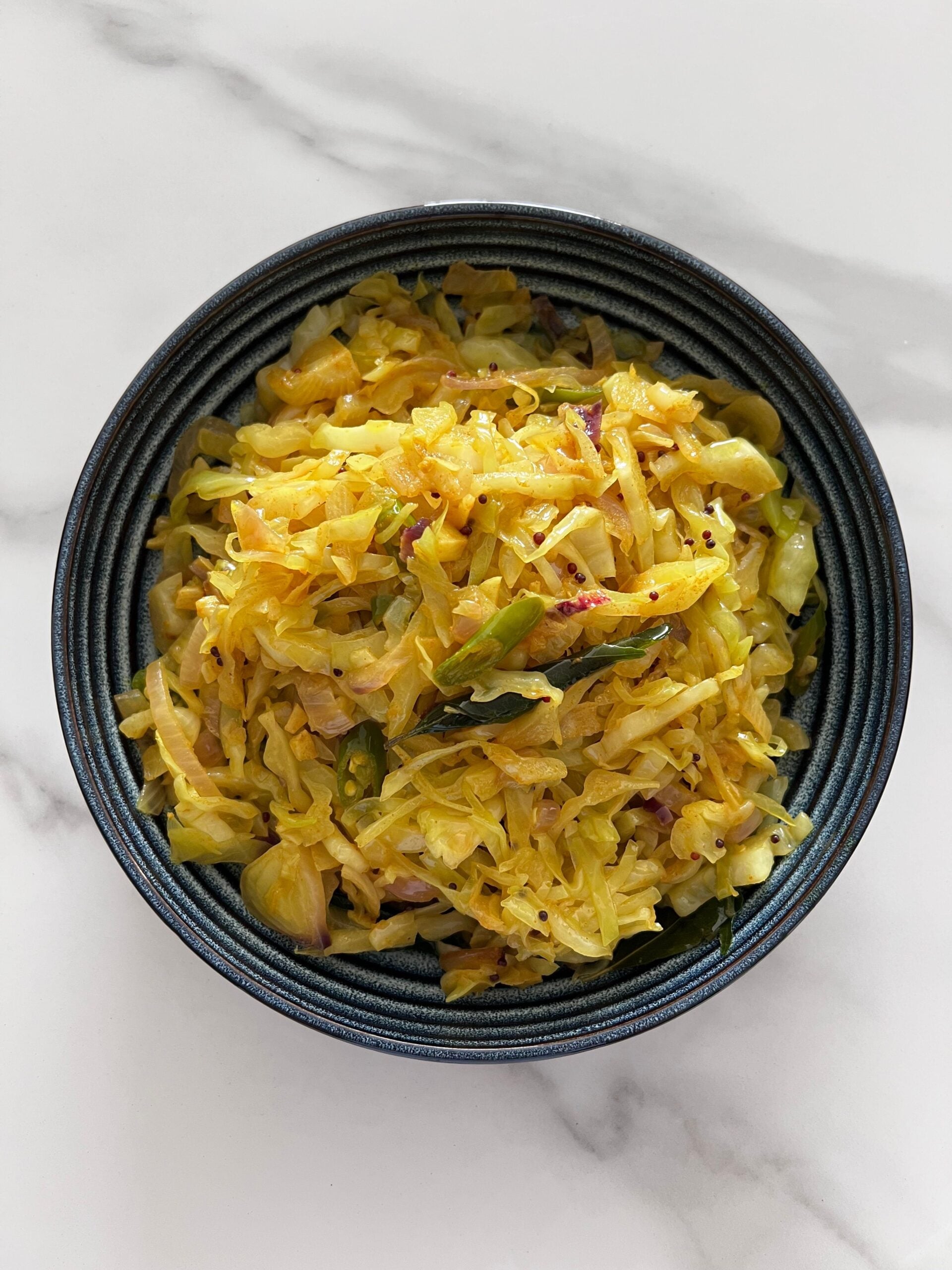
Cabbage is one of those vegetables that quietly earns its spot in a money-saving meal plan. It is usually inexpensive by the head, lasts longer than many tender greens and stays crisp enough for slaws, sautés and soups.
Slice cabbage thinly and cook it with onion, garlic and a little soy sauce, then fold in scrambled eggs for protein. Serve the mixture over rice, which remains one of the classic budget stretchers in pantries across the country. If you have carrots or celery to use up, they belong here too.
The best part is that this dinner tastes like more than the sum of its parts. Eggs give it richness, cabbage gives it crunch, and the whole thing comes together in one pan with very little fuss.
Tuna melt sandwiches with carrot slaw

Canned tuna can be pricey brand to brand, but it is still often a practical way to get protein into a low-cost meal without cooking a whole piece of fish. It also gives lunch-for-dinner energy, which can be a very welcome break in a long week.
Mix tuna with a little mayonnaise, mustard and finely chopped onion, then pile it onto bread with cheese and toast until melted. On the side, make a quick carrot slaw with shredded carrots, vinegar and a pinch of sugar. Carrots are commonly one of the lower-cost produce options in Canada and keep well in the fridge.
This meal is fast, filling and built from ingredients that tend not to spoil overnight. That is a small budget victory, and one worth celebrating.
Chickpea and vegetable soup
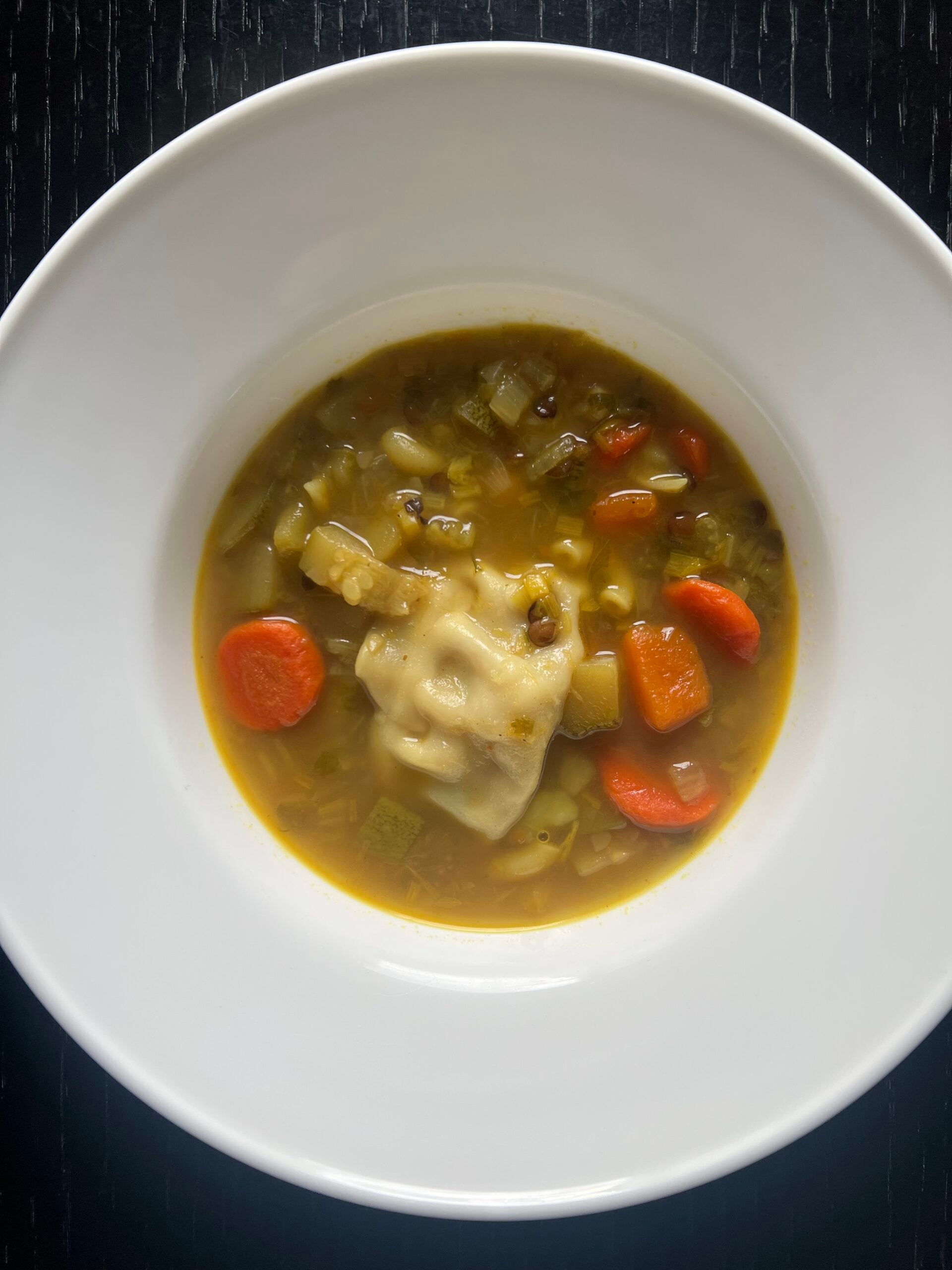
Soup is where a thrifty cook gets to be a bit of a magician. A few inexpensive basics can turn into a big pot of something comforting, nutritious and flexible enough to feed lunch the next day too.
Start with onion, carrots and celery if you have them, then add canned chickpeas, potatoes, cabbage or whatever vegetables need using up. Cover with broth or water, season well and simmer until everything is tender. Chickpeas are especially helpful because they bring protein and body without demanding much from the grocery bill.
Serve the soup with toast, crackers or a grilled cheese half if you want a little extra staying power. If there is one meal in this plan that practically winks at leftovers, this is it.
Breakfast-for-dinner oat pancakes and fruit
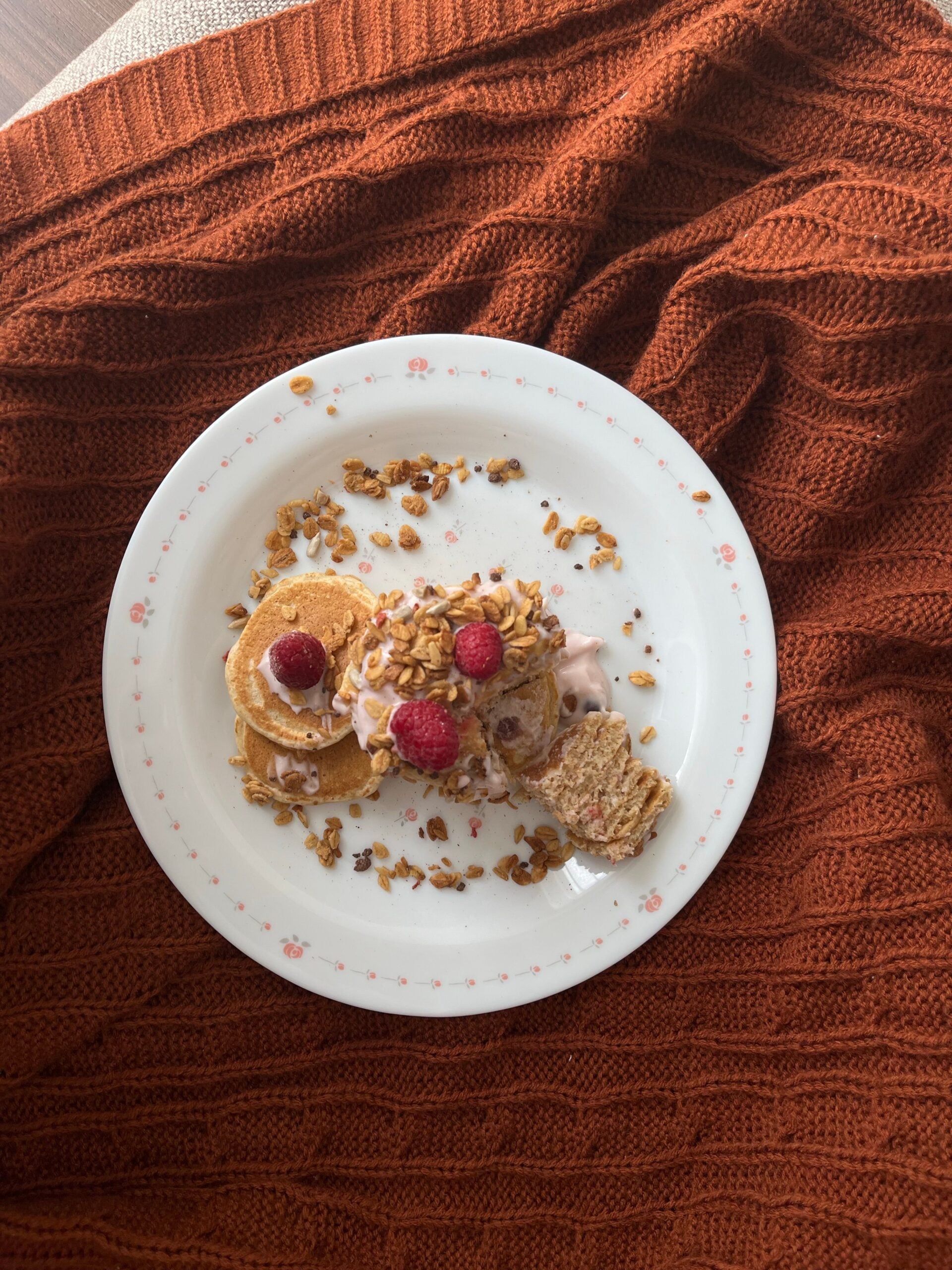
The final night leans into one of the cheapest comfort-food tricks around: breakfast for dinner. Oats are widely used as a lower-cost pantry staple, and they can stretch flour while adding fibre and a pleasant, hearty texture to pancakes.
Blend or mix oats with flour, baking powder, milk and eggs, then cook the batter on a lightly greased pan until golden. Serve with yogurt and whatever fruit is on sale, fresh or frozen. Bananas are often a strong value buy, and frozen berries can make more sense than fresh when prices climb.
It is a gentle way to end the week, and it keeps the meal plan from feeling repetitive. Also, pancakes for supper are proof that frugal can still be fun.




Leave a Reply