
Rising gas prices do more than strain household budgets at the pump. They can change dinner plans, shrink delivery zones, and make a quick drive-thru stop feel less convenient than it used to.
Drive-thru runs are getting more selective
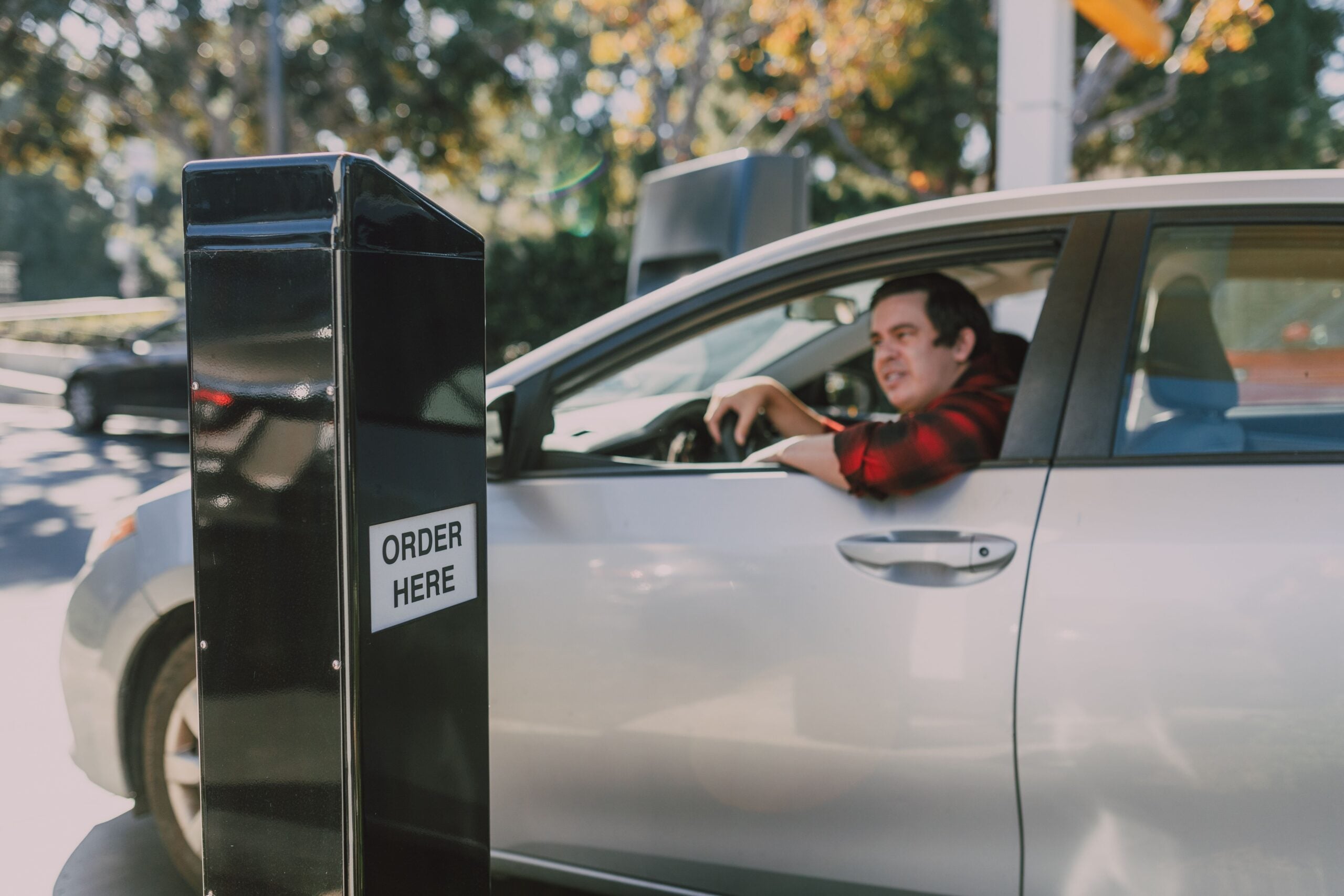
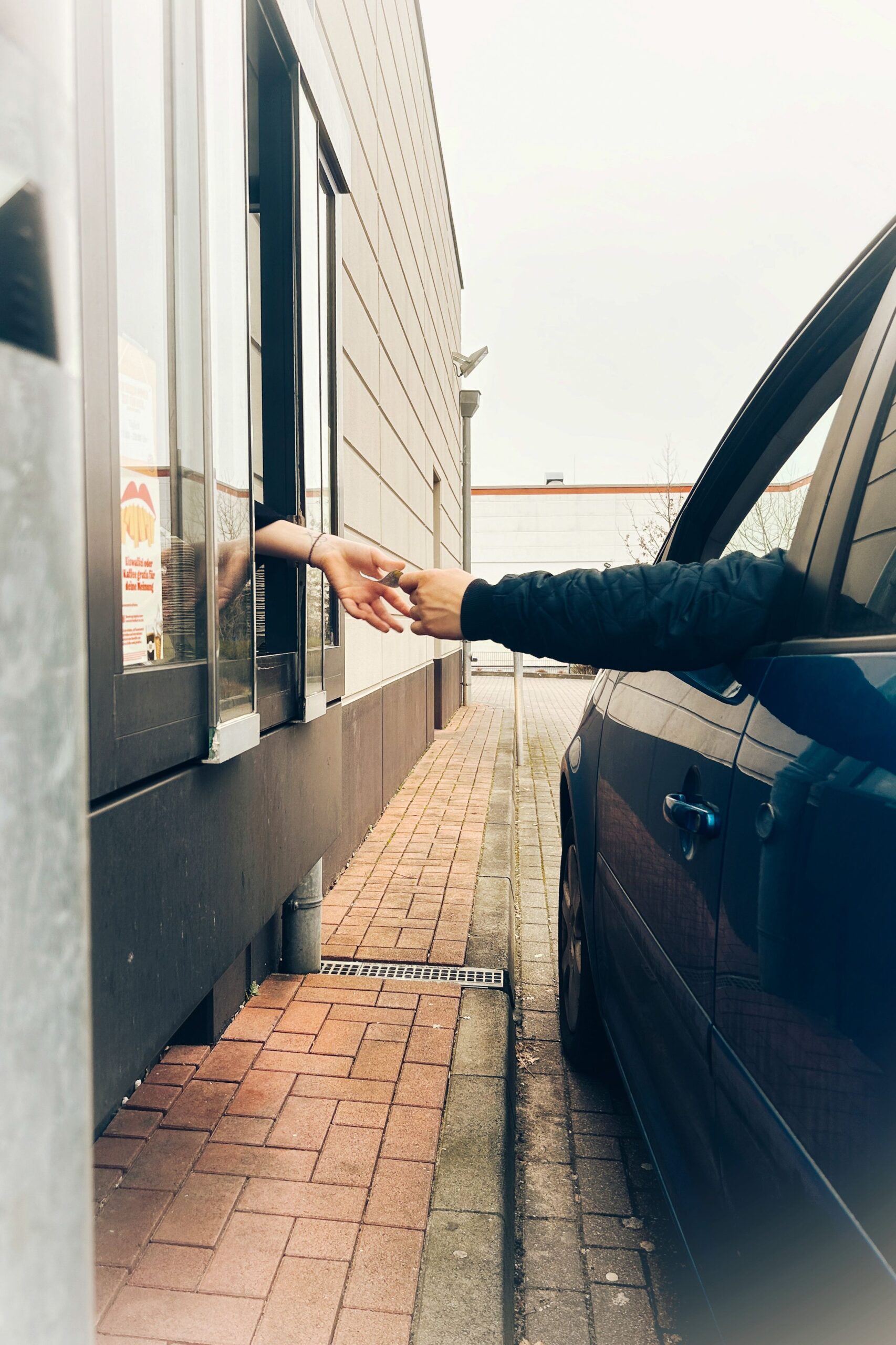
A fast food run has always been about convenience, but higher fuel prices can make that convenience more expensive. When drivers are paying more to fill up, even short extra trips start to matter.
That shift can hurt drive-thru traffic, especially for people who used to make spontaneous stops while already out on the road. Restaurants built around car-based habits are more exposed when consumers begin grouping errands together or skipping nonessential trips.
In practical terms, that means fewer impulse coffees, fewer late-night snack runs, and more careful thinking about whether a single meal is worth the drive. The effect is not just about menu prices. It is about the total cost of getting the food home.
Local takeout gets a relative advantage
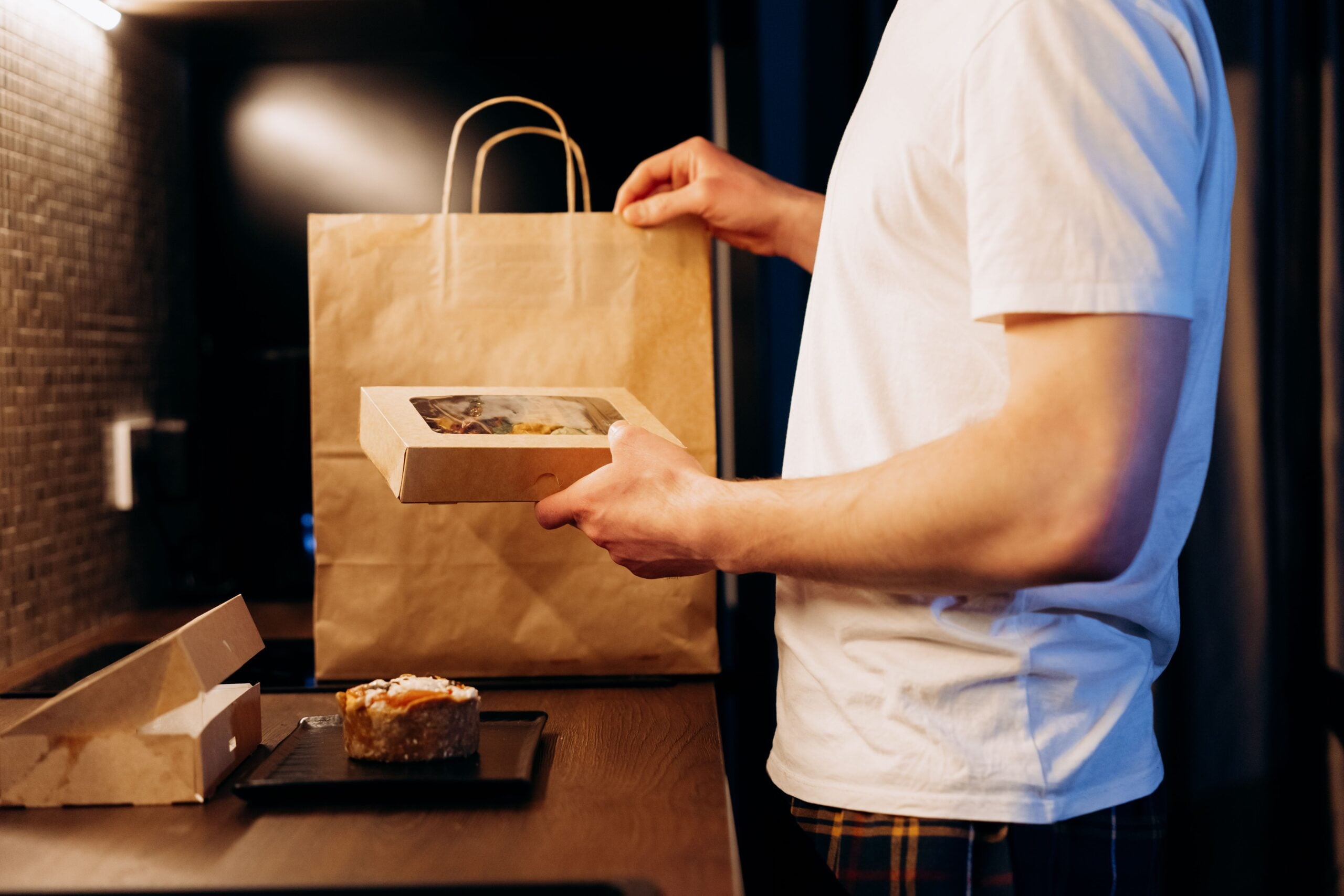
When fuel costs rise, nearby restaurants often become more appealing. A meal picked up from a spot a few blocks away can feel easier to justify than driving across town for a familiar chain.
This is one way gas prices can subtly reshape competition in the food business. Restaurants in dense neighbourhoods or near transit may gain an edge, while suburban locations that rely heavily on drivers can feel more pressure.
For diners, the math is simple. If the trip costs more, the value of staying close to home goes up. That can lead families to try independent restaurants in their area more often, even if the original reason is saving money on transportation.
Delivery economics get tighter
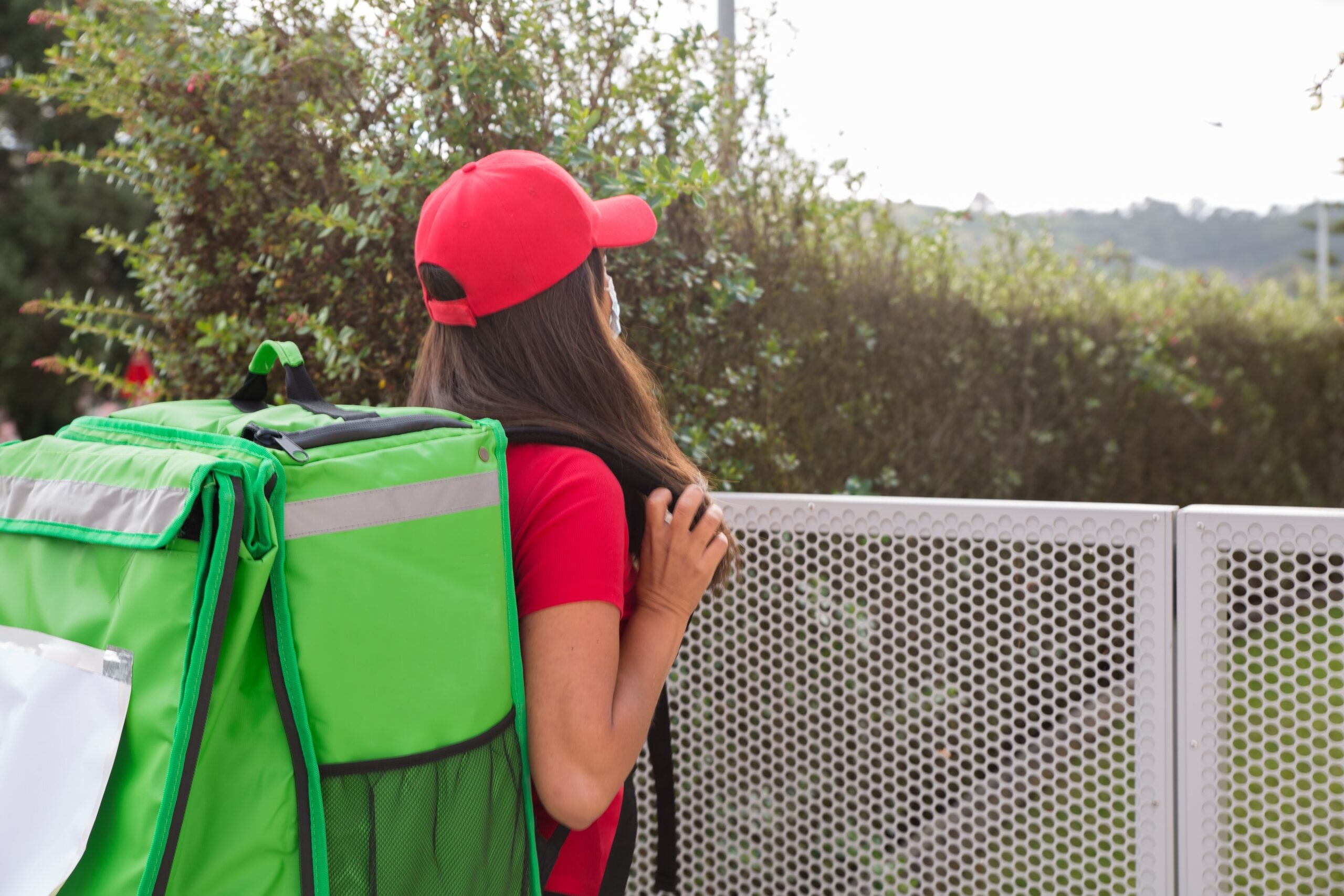
Delivery can seem like the obvious substitute for driving, but higher fuel prices create pressure there too. Couriers and platforms face higher operating costs, and restaurants may respond with stricter delivery areas, higher fees, or minimum order requirements.
For customers, that changes the equation. A meal that once felt affordable can look expensive after service charges, delivery fees, and tips are added on top of higher menu prices.
This is why some households shift toward pickup or reserve delivery for larger group orders. If one burger and fries now carries a long list of added costs, ordering in starts to feel less like a casual treat and more like a planned purchase.
Grocery prepared foods become a stronger rival
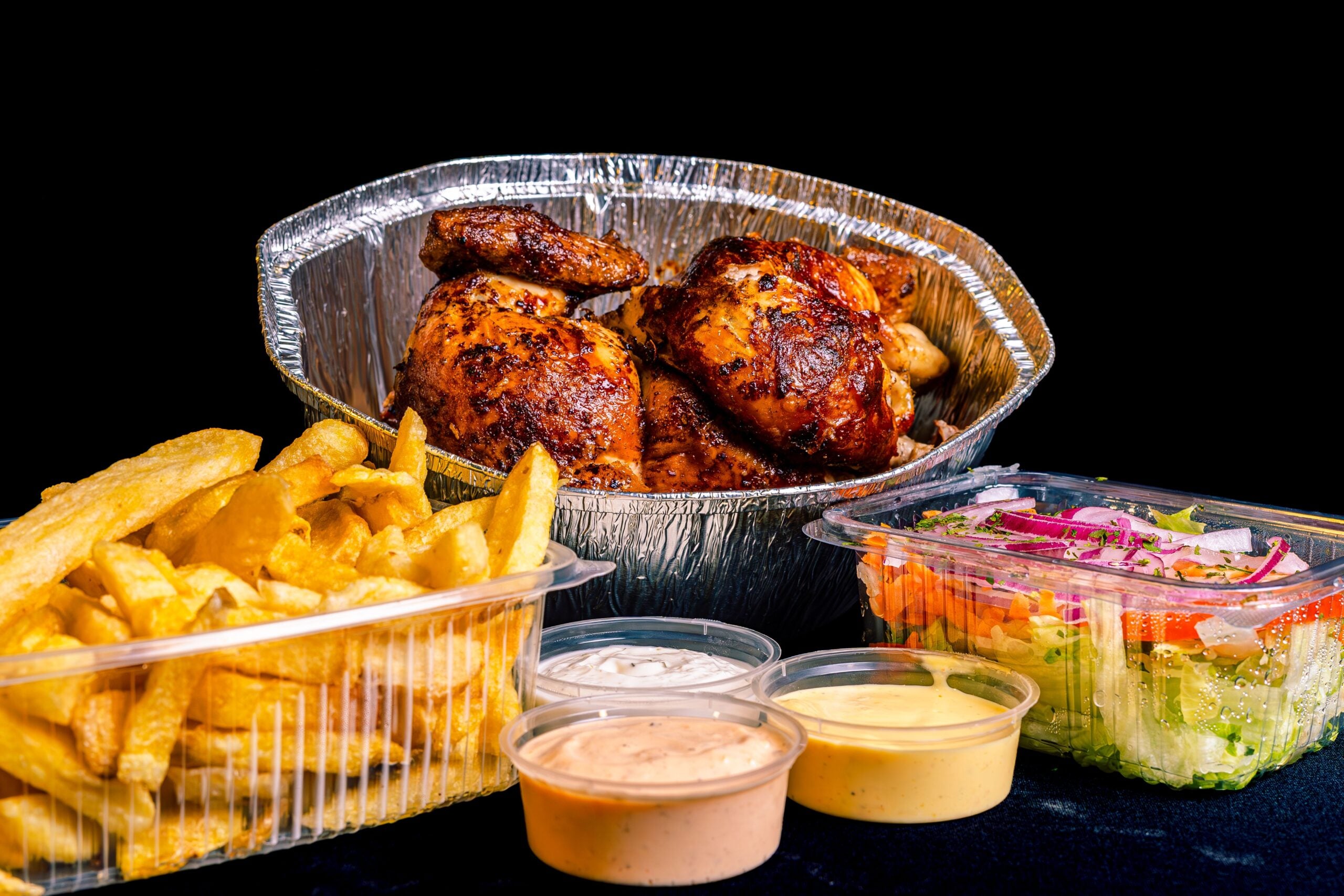
As restaurant budgets tighten, grocery stores can benefit. Prepared foods, rotisserie chicken, hot bars, sushi counters, and ready-to-cook meal kits offer a middle ground between cooking from scratch and ordering restaurant food.
Fuel prices play into that choice because many Canadians are already making grocery trips. Adding dinner to a planned stop can feel more efficient than making a separate restaurant run.
That convenience matters. A family trying to cut costs may decide that a supermarket meal is close enough to takeout, especially when it avoids another drive. In that sense, gas prices do not just affect restaurants directly. They also strengthen nearby substitutes.
Suburban diners feel the squeeze first
The impact of higher gas prices is not spread evenly. Canadians in car-dependent suburbs and smaller communities often have fewer transit options and longer distances between home, work, and restaurants.
That means the cost of eating out can rise faster for them than for someone in a walkable urban neighbourhood. A drive-thru coffee or a pickup dinner may involve a routine car trip that suddenly feels more expensive.
Restaurants in these areas may notice customers trading down, ordering less often, or choosing bundled family meals over individual items. When transportation costs rise, the pressure tends to show up first in places where driving is built into everyday life.
Restaurants adapt by chasing value and convenience
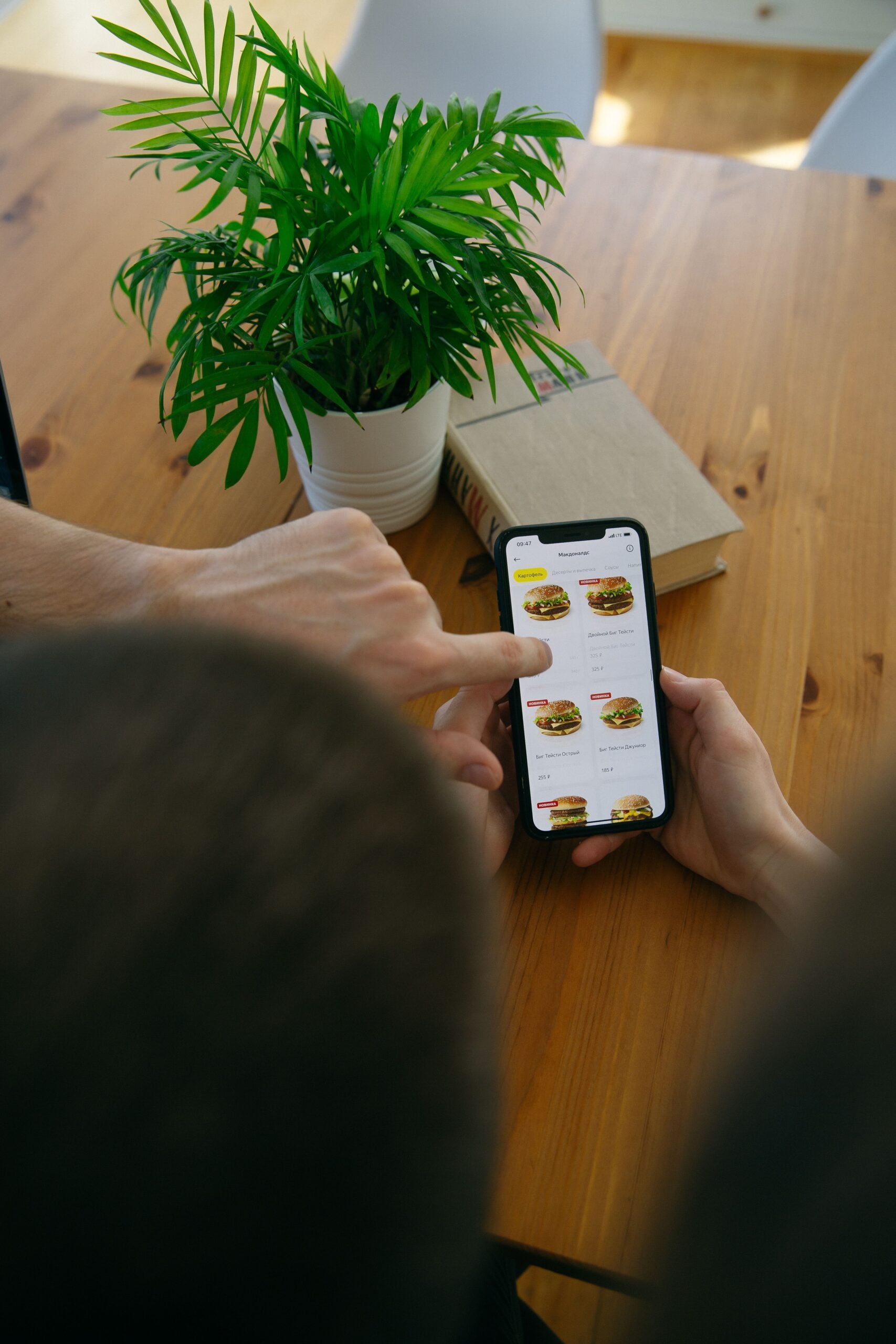
Restaurants are not powerless in this environment. Many respond by leaning harder into value meals, app-based promotions, combo deals, and loyalty programs that help offset the feeling of higher overall costs.
Some also focus on becoming part of a trip customers are already making. Locations near major commuting routes, grocery plazas, or dense residential areas may be better positioned than those that depend on special trips.
The broader lesson is simple. Gas prices can influence food choices far beyond the pump. They shape how often people go out, how far they are willing to travel, and which kinds of meals still feel convenient enough to buy.

Leave a Reply