
Thanksgiving is built around one table, which means small habits get noticed fast. Etiquette experts tend to agree on a few common mistakes that can make the meal feel tense, messy or inconsiderate, even when no one means any harm.
Arriving late without warning
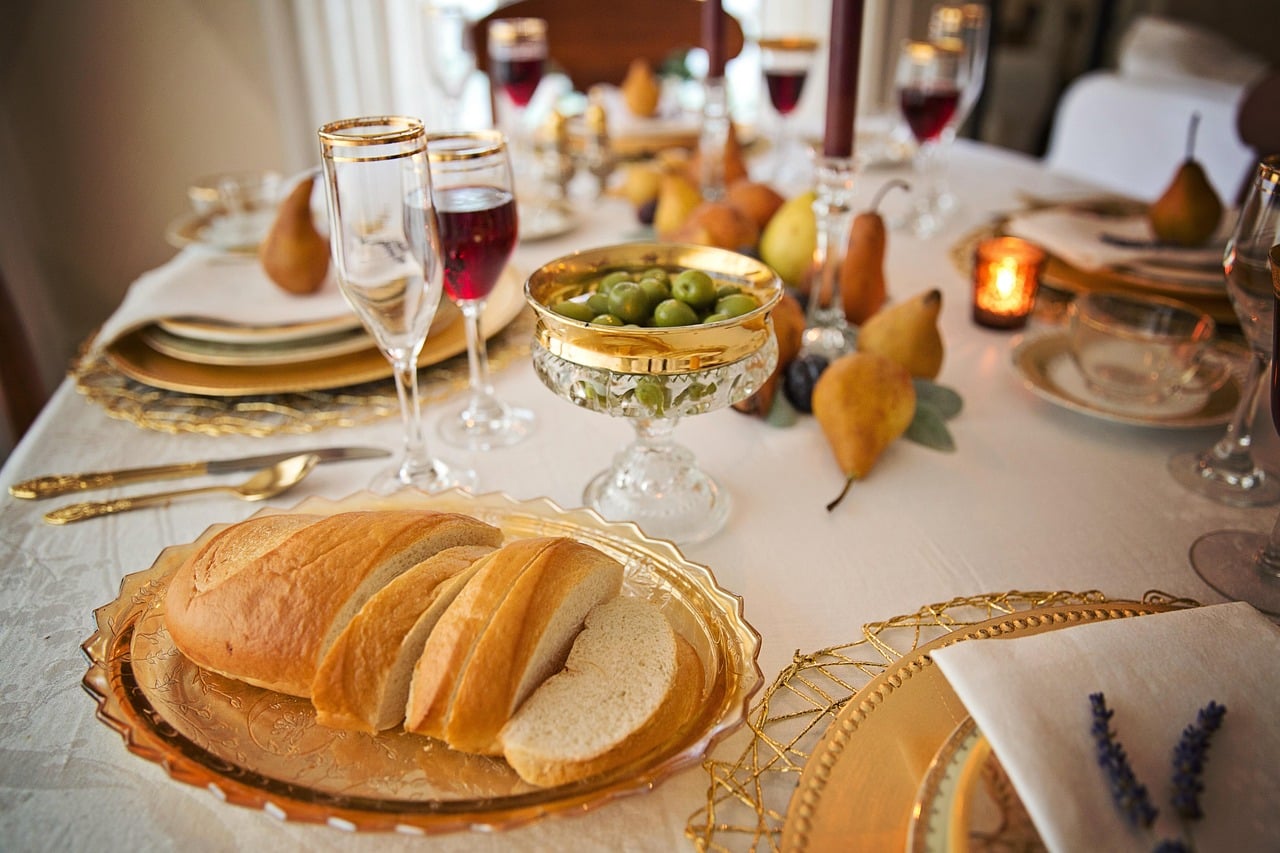
Nothing shifts the mood of a holiday meal faster than a guest who walks in well after the agreed time and acts as if the schedule does not matter.
Etiquette experts often point out that Thanksgiving is not like a casual weeknight drop in. The host is timing appetizers, side dishes, the turkey and often the oven itself. A late arrival can force everyone to wait, or it can leave one person coming into the meal after grace, introductions or the first serving has already started.
Good manners start before anyone sits down. If a delay is unavoidable, the considerate move is to contact the host as soon as possible and give a realistic arrival time. That simple step shows respect for the work behind the meal and helps the host decide whether to hold dinner or move ahead.
Starting to eat before everyone is served
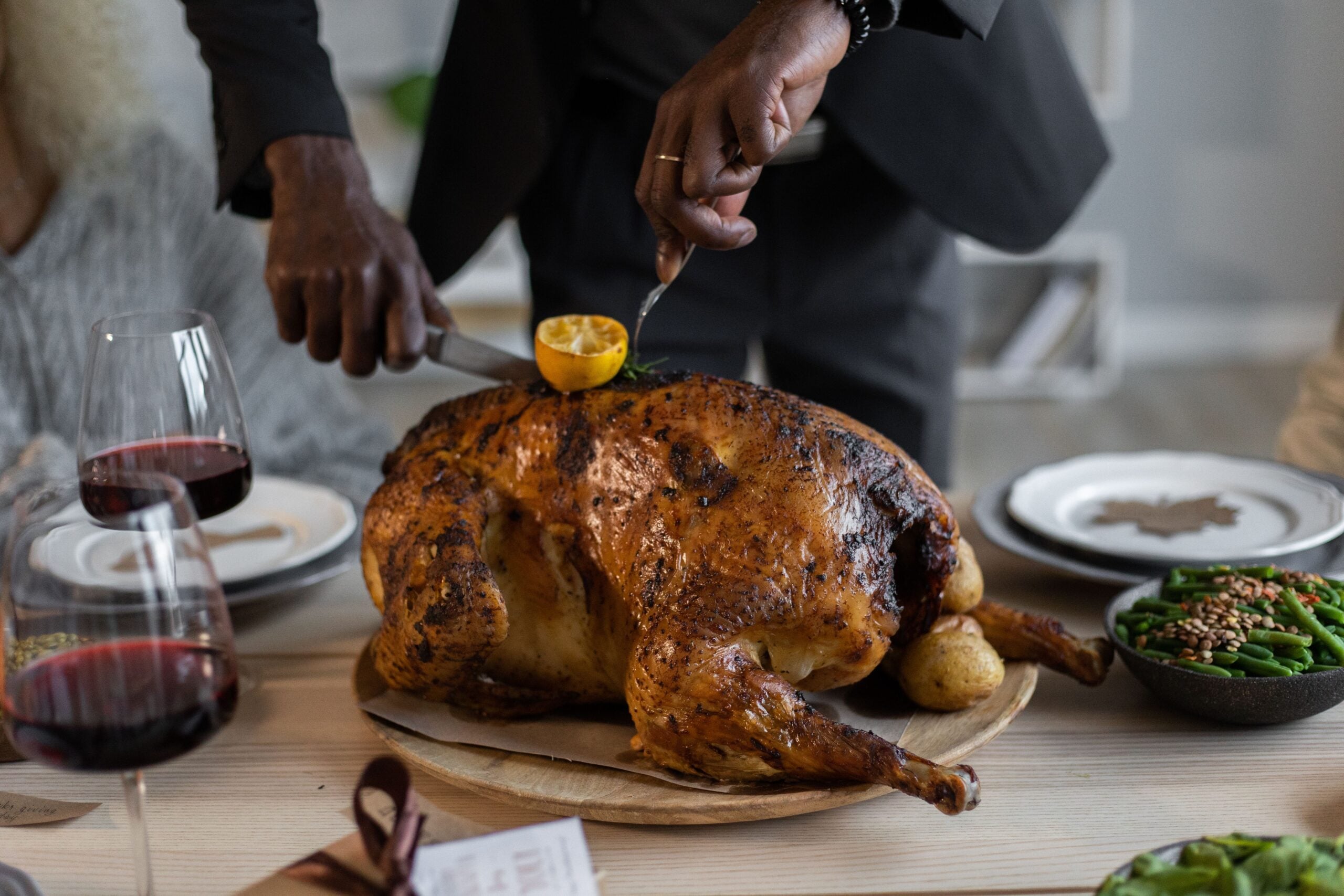
A Thanksgiving table is one of the clearest examples of a shared meal, which is why etiquette experts still view patience as a sign of respect.
At a large gathering, service can take time. Platters are passed, gravy gets shared and someone always seems to need an extra spoon. Beginning the meal the moment your plate is filled can make slower served guests feel rushed or overlooked, especially older relatives, children or anyone seated farther from the main dishes.
Traditional etiquette advice is to wait until everyone has been served and the host begins, or clearly invites guests to start. In some homes, the host may encourage people to eat while hot food is still moving around the table. The key is to follow that cue rather than assume. Waiting for a moment keeps the meal communal instead of turning it into a race.
Reaching across the table
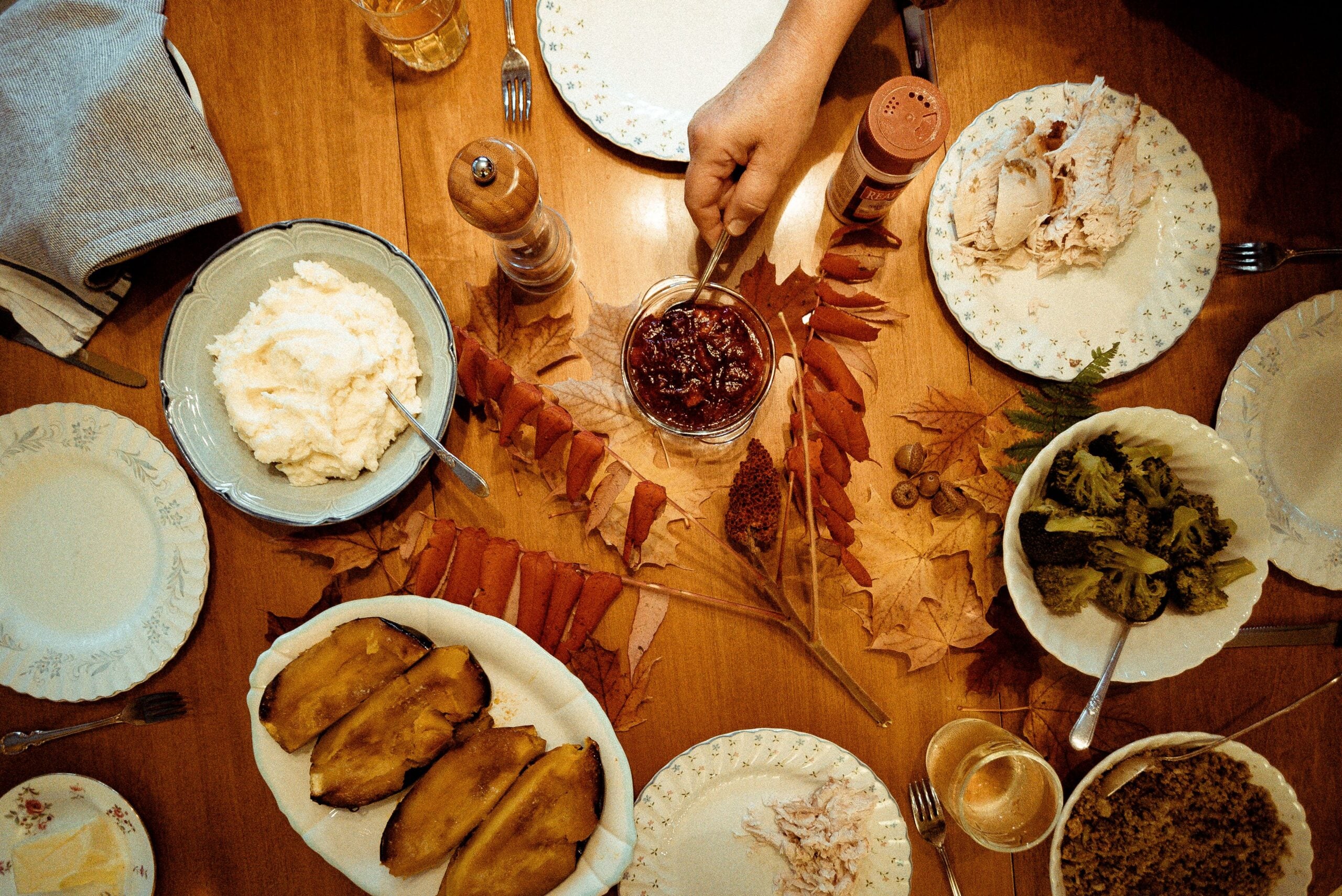
Holiday tables are crowded by design, but that does not give anyone a free pass to lean over plates, sleeves and centerpieces to grab what they want.
Etiquette experts usually recommend asking for dishes to be passed instead of reaching across another guest. It is a small courtesy with practical benefits. Reaching can knock over glasses, drag clothing into food or interrupt a conversation directly in front of you. At a packed Thanksgiving table, those little intrusions add up quickly.
There is also a social reason behind the rule. Asking someone nearby to pass the cranberry sauce or stuffing keeps the table connected and orderly. It acknowledges shared space, which is one of the core ideas behind formal and informal dining etiquette alike.
Talking politics or other heated topics
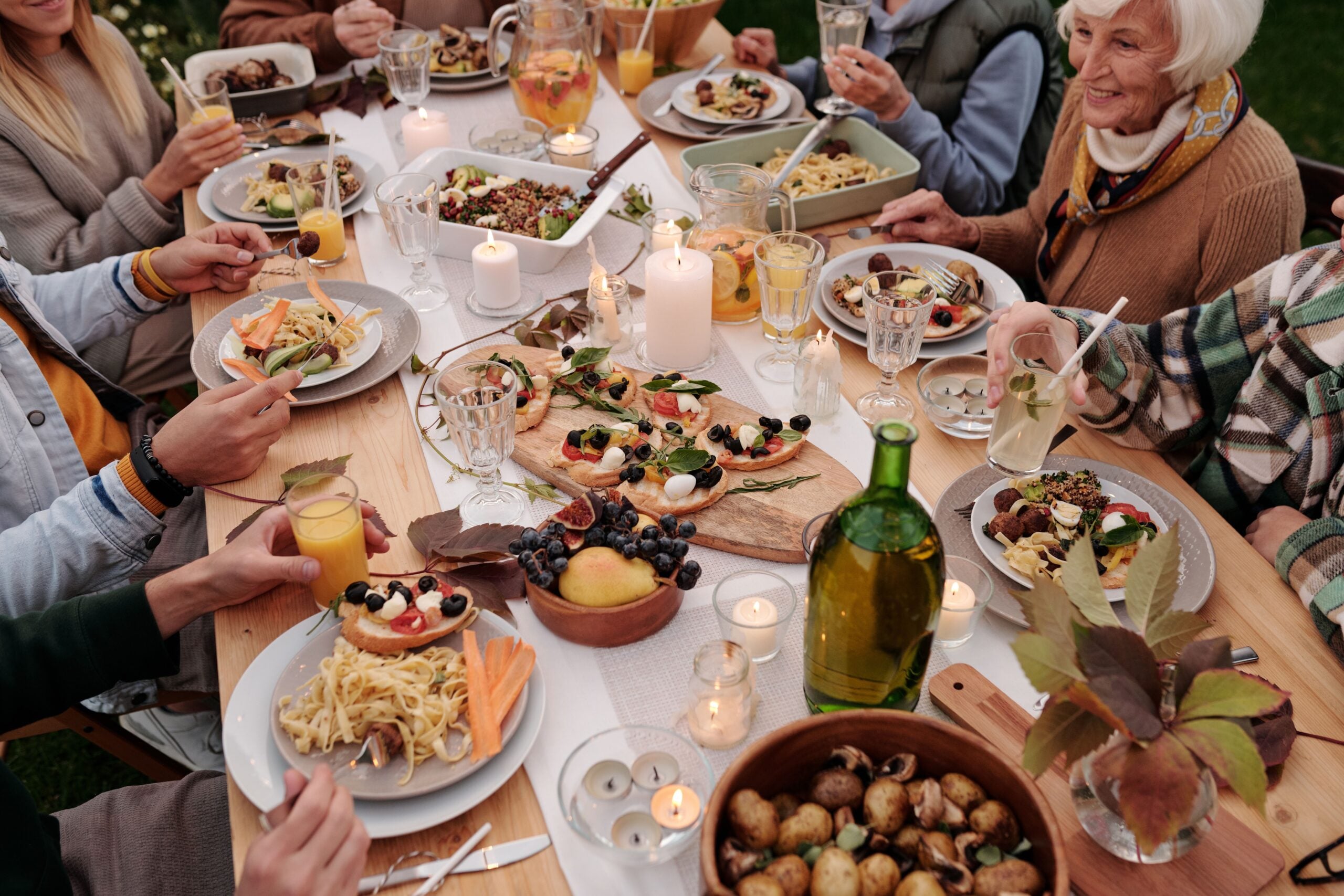
A holiday meal can bring together relatives, in laws, old friends and first time guests, so etiquette experts often warn against treating the table like a debate stage.
Thanksgiving is not the best setting for subjects that predictably divide a room, especially politics, family feuds, money problems or criticism of someone who is present. Even when a comment starts lightly, it can shift attention away from the meal and put pressure on others to respond or take sides.
Polite conversation does not have to be dull. Experts generally suggest sticking to topics that invite people in rather than corner them, such as travel plans, family traditions, favorite dishes or shared memories. The goal is not silence. It is creating a table where more guests can participate comfortably.
Criticizing the food or the host's choices
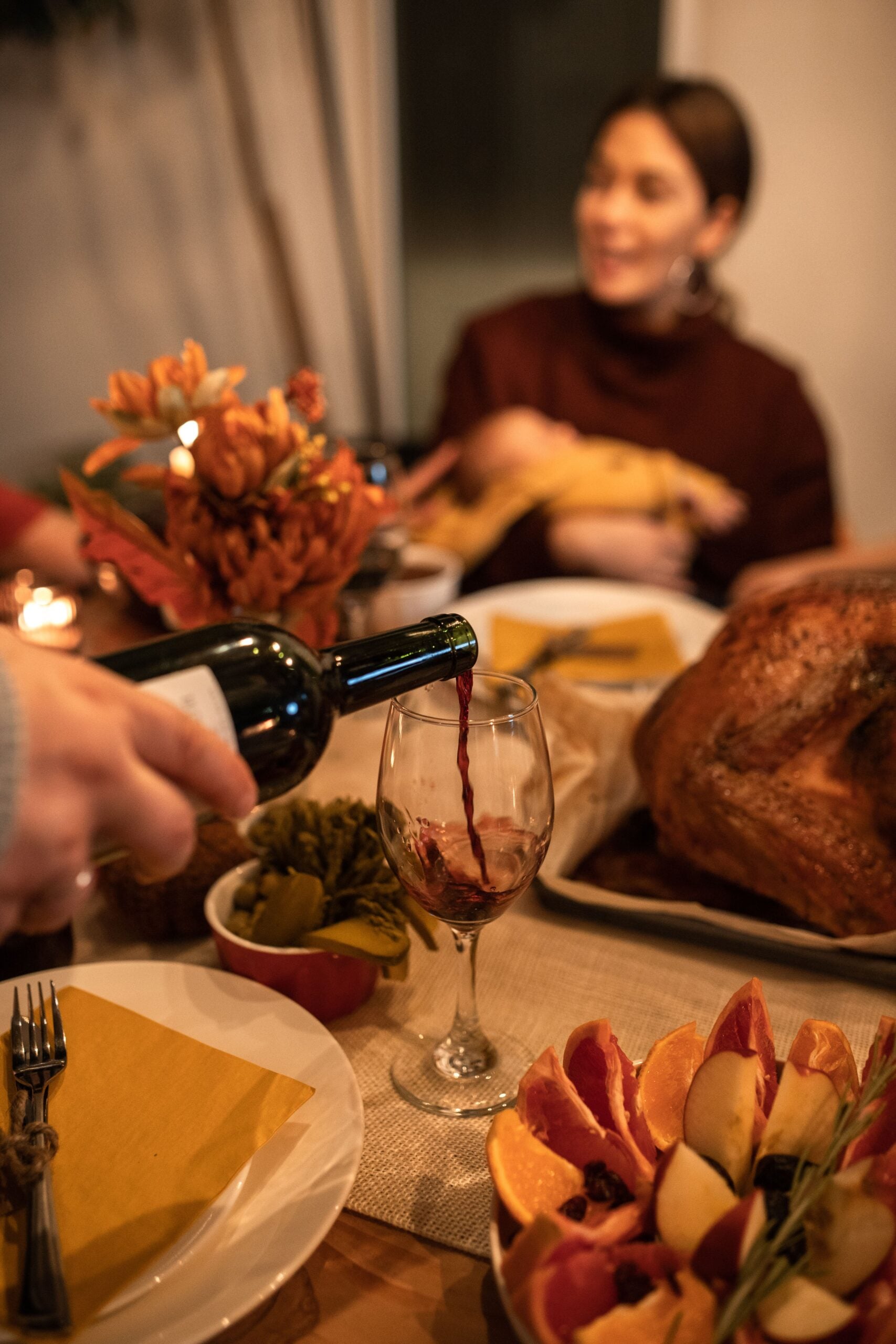
Few comments land harder at Thanksgiving than complaints about the food, especially after someone has spent days planning, shopping, cooking and setting the table.
Etiquette experts are clear that open criticism is poor form, whether it is about a dry turkey, boxed stuffing, a nontraditional menu or a dish that does not match your own family custom. Thanksgiving meals carry emotional weight, and even offhand remarks can sound more personal than intended.
If something is not to your taste, the polite response is simple. Skip it quietly, focus on what you do enjoy and thank the host for the effort. Gratitude matters more than culinary perfection at a holiday table, and that is the detail guests tend to remember long after the leftovers are gone.

Leave a Reply