
Coffee menus can feel like a language of their own. Once you know the building blocks, every drink starts to make perfect sense.
The Foundation: Espresso, Coffee Beans, and Roast Levels
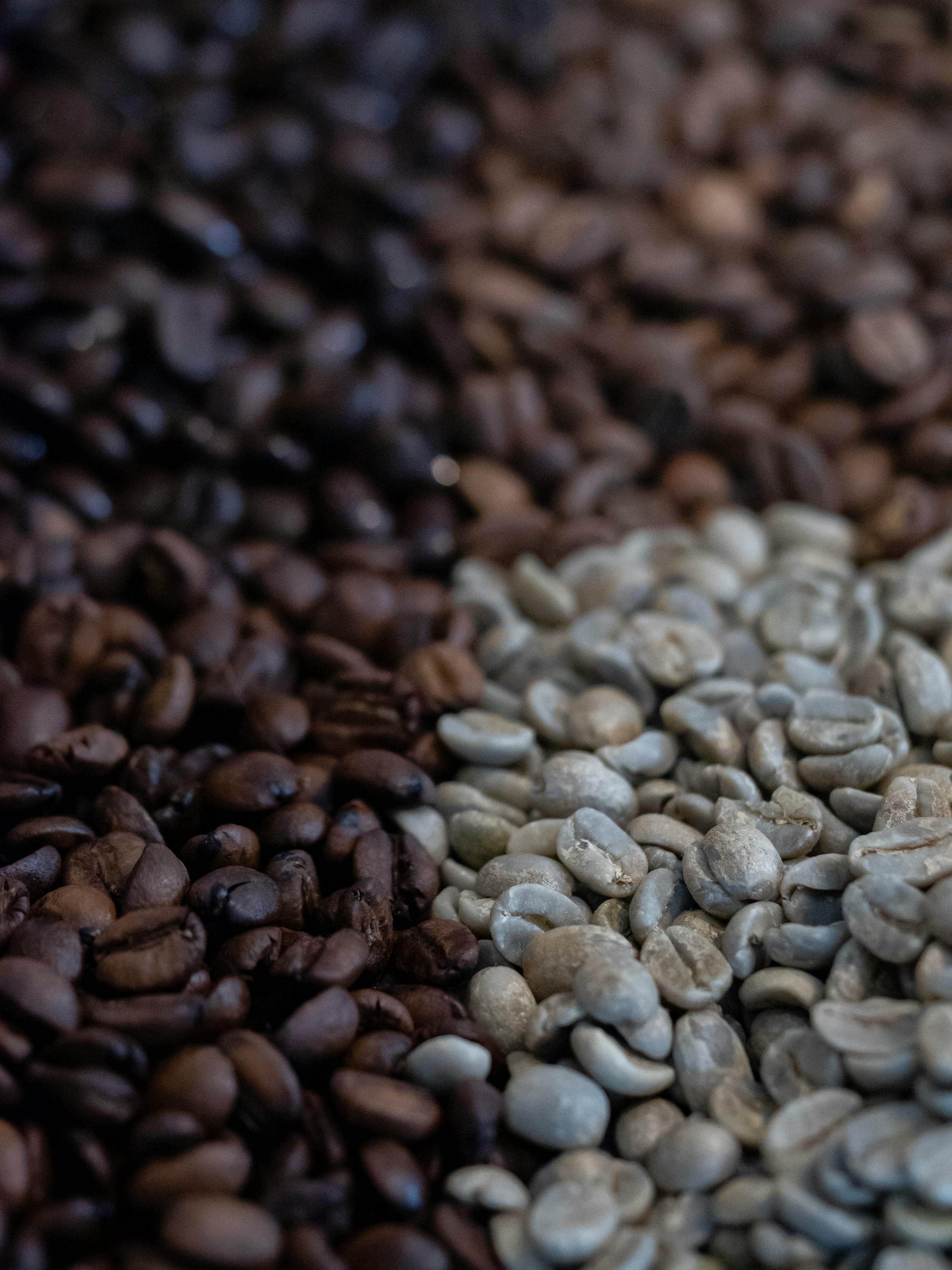
Every popular café drink begins with a few core decisions: bean, roast, grind, and brew method. The biggest dividing line is usually between espresso-based drinks and brewed coffee. Espresso is made by forcing hot water through finely ground coffee under pressure, creating a concentrated shot with a rich body and a golden layer of crema on top. Drip coffee, by contrast, uses gravity and a coarser grind, producing a cleaner and lighter cup.
Beans matter just as much as preparation. Arabica is prized for its sweetness, acidity, and layered flavors, while Robusta contains more caffeine and tends to taste bolder, earthier, and more bitter. Many commercial blends use both to balance flavor, cost, and crema production. According to the Specialty Coffee Association, origin, altitude, and processing method all shape what ends up in the cup, from fruity Ethiopian coffees to chocolatey Brazilian profiles.
Roast level changes the drinking experience in obvious ways. Light roasts preserve more of the bean's original character, often showing floral, citrus, or berry notes. Medium roasts lean balanced and crowd-pleasing, while dark roasts emphasize bitterness, smoke, and roast-driven flavors. Contrary to common belief, darker roasts do not always contain more caffeine by volume.
Understanding these basics makes the menu easier to decode. A latte, cappuccino, macchiato, and flat white may all begin with espresso, but their milk ratio, texture, and serving size change the final result dramatically. Once you grasp the base ingredients, coffee names stop sounding mysterious and start describing a formula.
Espresso Drinks: The Core Café Menu Explained
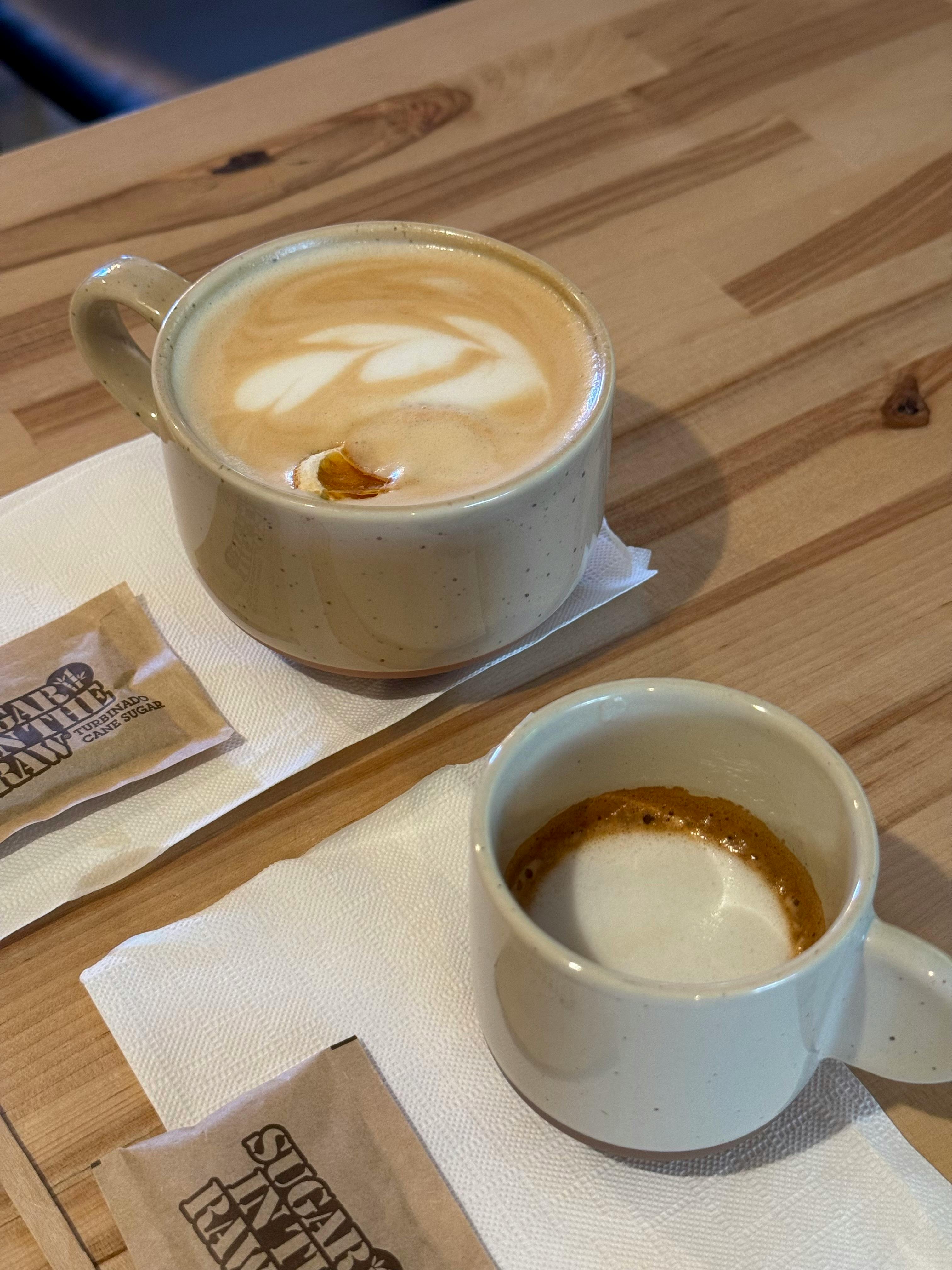
Espresso is the engine behind many of the drinks people order every day. On its own, a single or double shot is intense, concentrated, and designed to be sipped quickly. It delivers a fuller body than drip coffee and often tastes bittersweet, nutty, chocolaty, or fruit-forward depending on the beans. In Italy, where espresso culture shaped much of the modern café menu, the drink is often consumed standing at the bar in just a few moments.
The Americano is one of the simplest espresso drinks to understand. It is just espresso diluted with hot water, creating a longer cup that resembles brewed coffee in strength and size but still carries espresso's deeper flavor. A red eye takes a different route by combining brewed coffee with a shot of espresso, producing a stronger and more caffeinated drink popular with commuters and shift workers.
The macchiato, in its traditional form, is espresso "marked" with a small amount of milk foam. It is not the dessert-like oversized version many chain menus popularized. A cortado contains equal parts espresso and steamed milk, reducing acidity and creating a smooth, balanced sip. The flat white, which rose to global prominence through Australian and New Zealand café culture, usually features a smaller drink size with velvety microfoam and a stronger coffee presence than a latte.
These drinks differ less in ingredients than in ratio and texture. A few ounces of milk can dramatically soften espresso's edges. That is why learning proportions is often more useful than memorizing names. Once you know what is being added, you can predict the body, strength, and flavor before the cup even reaches the table.
Milk Changes Everything: Lattes, Cappuccinos, and Texture

Milk is where coffee becomes highly personal. The same espresso shot can feel silky, airy, rich, or mild depending on how the milk is steamed and poured. Temperature matters too. Overheated milk loses sweetness and develops a cooked flavor, while properly steamed milk brings out natural sugars and creates a softer, more rounded cup.
A latte is the most approachable milk-based espresso drink for many people. It usually contains one or two shots of espresso and a generous amount of steamed milk, topped with a thin layer of foam. Because milk volume is high, the flavor is mellow and easy to customize with syrups or alternative milks. This is one reason lattes dominate chain café sales and remain a gateway drink for new coffee drinkers.
A cappuccino is built on stronger contrast. It traditionally includes roughly equal parts espresso, steamed milk, and foam, though exact ratios vary by café. The thicker foam changes how the drink feels on the palate, making it seem lighter in weight but often more intense in flavor. Well-made cappuccinos should not feel dry or stiff. They should taste creamy and integrated, not like separate layers.
Microfoam is the key term worth knowing. It refers to finely textured milk with tiny, uniform bubbles, not the large soap-like foam that sits stiffly on top. Microfoam gives flat whites and modern cappuccinos their glossy texture and allows latte art to form. Whether you choose dairy, oat, soy, or almond milk, texture can make the difference between a coffee that tastes flat and one that feels polished.
Brewed and Chilled: Drip Coffee, Pour-Over, Iced Coffee, and Cold Brew
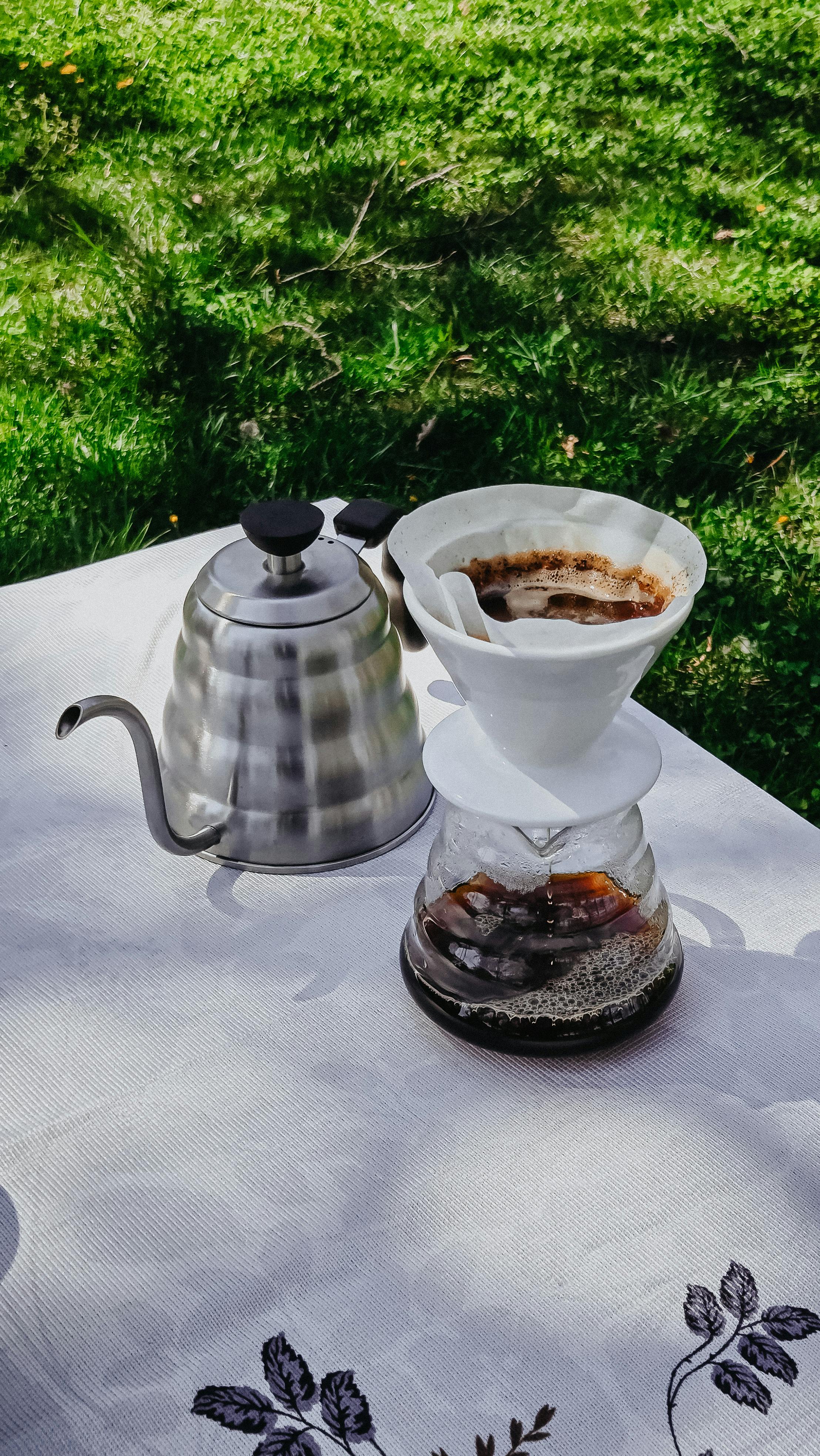
Not every favorite coffee drink begins with espresso. Brewed coffee remains the daily standard in homes, offices, and diners because it is efficient, familiar, and easy to scale. Traditional drip coffee passes hot water through ground coffee in a filter, producing a clean and straightforward cup. Depending on bean quality and brew ratio, it can range from thin and forgettable to nuanced and excellent.
Pour-over coffee takes the same basic principle and applies more control. The brewer manages water temperature, pouring speed, and saturation, often using devices like the V60 or Chemex. This method tends to highlight clarity, acidity, and delicate tasting notes. Specialty cafés often use pour-over to showcase single-origin coffees because it exposes details that can get buried in darker roasts or milk-heavy drinks.
Iced coffee and cold brew are often confused, but they are not the same thing. Iced coffee is usually brewed hot and then chilled or poured over ice, preserving brightness and aroma while risking dilution. Cold brew is steeped in cold water for many hours, usually 12 to 24, creating a smoother, lower-acid concentrate. That slower extraction pulls out chocolatey and mellow flavors while muting some of the sharper notes found in hot-brewed coffee.
For people sensitive to acidity, cold brew often feels gentler, though it can be deceptively strong in caffeine. Ready-to-drink canned cold brew has expanded rapidly in recent years because it fits convenience culture and modern taste preferences. Still, a well-made hot drip or pour-over can offer more complexity. The best choice depends less on trend and more on whether you want brightness, body, convenience, or refreshment.
Sweetened, Flavored, and Specialty Drinks

Coffee does not have to be plain to be legitimate. Sweetened and flavored drinks have long been part of café culture, from the moka-inspired chocolate coffee traditions of Europe to modern caramel lattes and seasonal pumpkin drinks. The key difference is balance. When flavorings support the coffee rather than bury it, specialty drinks can still deliver a satisfying cup.
The mocha is the classic example of coffee meeting dessert. It combines espresso, milk, and chocolate, usually with a flavor profile that lands somewhere between hot cocoa and a latte. In stronger versions, the espresso cuts through the sweetness and adds bitterness that keeps the drink from feeling one-note. Many cafés finish it with whipped cream, though that is optional rather than essential.
Seasonal drinks are a major business driver for chains and independent shops alike. Limited-time offerings such as maple lattes, peppermint mochas, and brown sugar shaken espresso drinks create novelty and emotional appeal. Market researchers have repeatedly noted that seasonal beverages increase traffic by turning coffee ordering into a ritual tied to weather, holidays, and personal routine. These drinks also introduce customers to espresso formats they might not try otherwise.
Customization now shapes the category as much as the base recipe. Extra shots, sugar levels, cold foam, dairy alternatives, and flavor combinations allow people to tailor a drink precisely to their taste. That flexibility is part of coffee's appeal, but it also helps to know when sweetness is hiding weak espresso or poor milk technique. A good specialty drink should still taste like coffee first.
How to Order Smarter and Find the Right Drink for You

Choosing the right coffee drink starts with understanding your own preferences, not memorizing café jargon. If you like bold flavor and little dilution, espresso or a macchiato may suit you. If you want something gentler and creamier, a latte or flat white is usually a safer pick. For people who enjoy a long, straightforward cup without milk, drip coffee or an Americano makes more sense.
Think in terms of four factors: strength, texture, sweetness, and temperature. Strength tells you how pronounced the coffee flavor will be. Texture is shaped by foam, milk, and body. Sweetness can come naturally from beans and milk or from added syrups, while temperature affects aroma and how quickly flavors show up on the palate. Once you assess those preferences, ordering becomes much easier.
It also helps to ask simple questions without overcomplicating the process. You can ask whether a house blend tastes more chocolatey or fruity, whether the cold brew is served as concentrate, or whether the cappuccino is traditional and foam-forward. Good baristas answer these questions every day. In strong café cultures, service often improves when customers describe what they enjoy rather than reciting trendy drink names.
Coffee literacy is not about showing off. It is about finding a drink you genuinely like and understanding why it tastes the way it does. Whether your favorite order is a black pour-over or an oat milk vanilla latte, the best cup is the one that matches your palate. Once you know the basics, the menu becomes less intimidating and far more enjoyable.




Leave a Reply