
Canada's culinary identity is built on invention as much as tradition. Some of its most beloved creations were born from necessity, others from accident, and a few from pure commercial genius.
Poutine
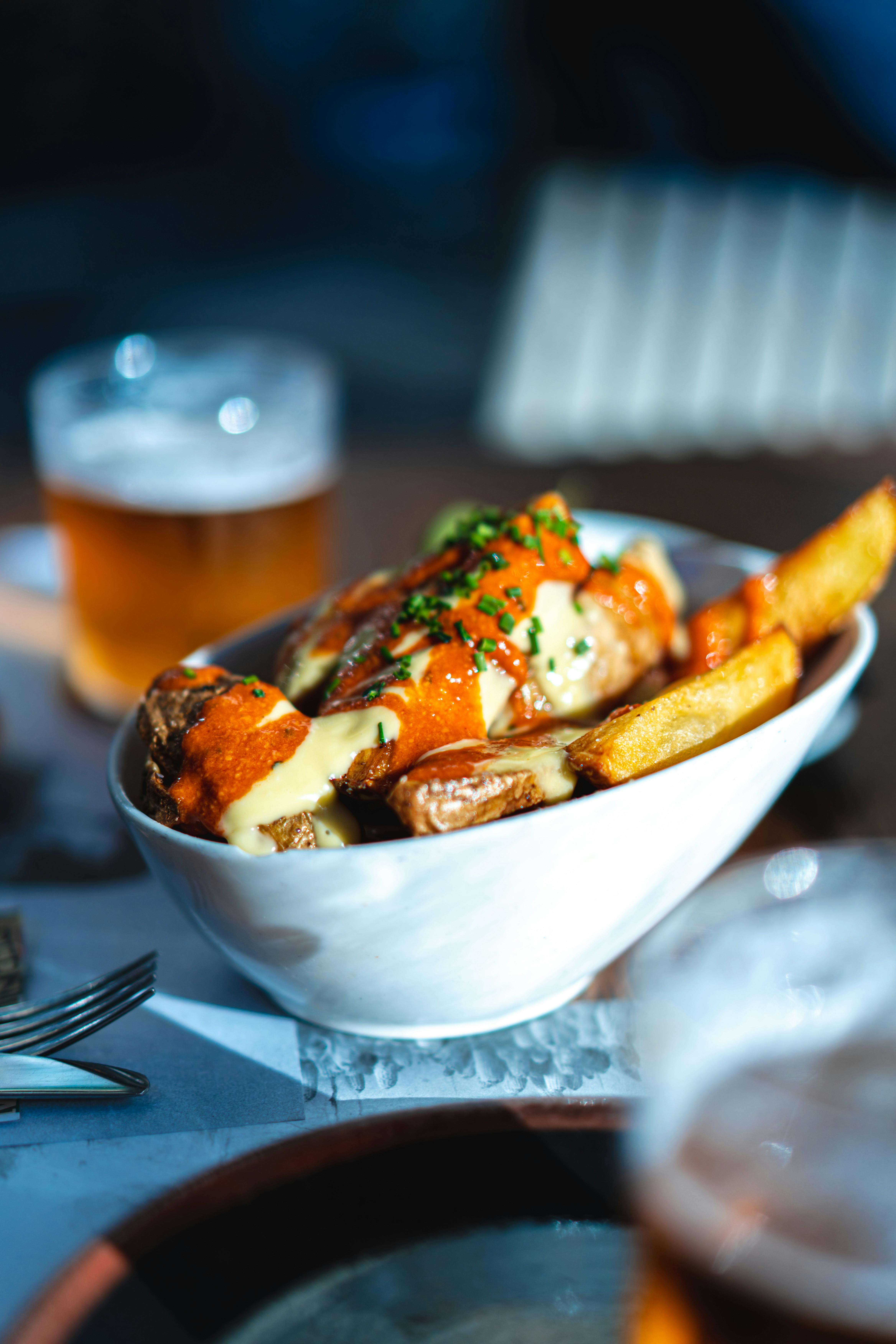
Few dishes say Canada more clearly than poutine, and that is because it captures comfort, thrift, and indulgence in one plate. The classic formula is simple: fries, fresh cheese curds, and hot brown gravy. Yet the difference between an average poutine and a great one comes down to details, especially squeaky curds and fries sturdy enough to hold their shape.
Its roots trace to rural Quebec in the 1950s, where several restaurateurs have been credited with assembling the first version. Warwick and Drummondville are often named in the debate, which reflects how quickly the dish spread across the province. What matters most is that poutine emerged from casse-croûte snack bars and working-class eating habits rather than elite kitchens.
That origin story helps explain its staying power. Poutine is deeply democratic food, affordable, filling, and easy to customize. Today chefs build versions with duck confit, smoked meat, lobster, or foie gras, but the original remains the benchmark because it delivers texture and flavor with remarkable precision.
Poutine has also become a symbol of Quebec's cultural influence on the rest of the country. Once dismissed by some as messy diner food, it is now served at sporting arenas, fast-food chains, and fine-dining restaurants. Very few inventions travel that far without losing their identity, and poutine has managed exactly that.
Hawaiian Pizza

The most argued-over pizza topping combination in the world is, in fact, a Canadian invention. Hawaiian pizza was created in 1962 by Sam Panopoulos at the Satellite Restaurant in Chatham, Ontario. A Greek immigrant with a sharp sense of customer taste, he experimented by adding canned pineapple to pizza, then still a relatively novel menu item in Canada.
The result worked because it played on contrast. Pineapple brought sweetness and acidity, while ham added salt and savoriness. That sweet-salty pairing now feels ordinary, but at the time it was bold and unconventional, especially in the North American pizza scene, which had not yet embraced wide topping variation.
Its name often confuses people. Hawaiian pizza was not named for the place of invention or even a tropical culinary tradition, but for the brand of canned pineapple used in the restaurant. That small detail says a lot about mid-century restaurant culture, when pantry products often shaped menu ideas in practical ways.
Love it or hate it, Hawaiian pizza is one of Canada's most globally influential food contributions. It spread far beyond Ontario and became a staple on menus from Europe to Australia. The debate it still sparks only proves its impact, because forgettable inventions rarely inspire strong opinions for decades.
Caesar Cocktail
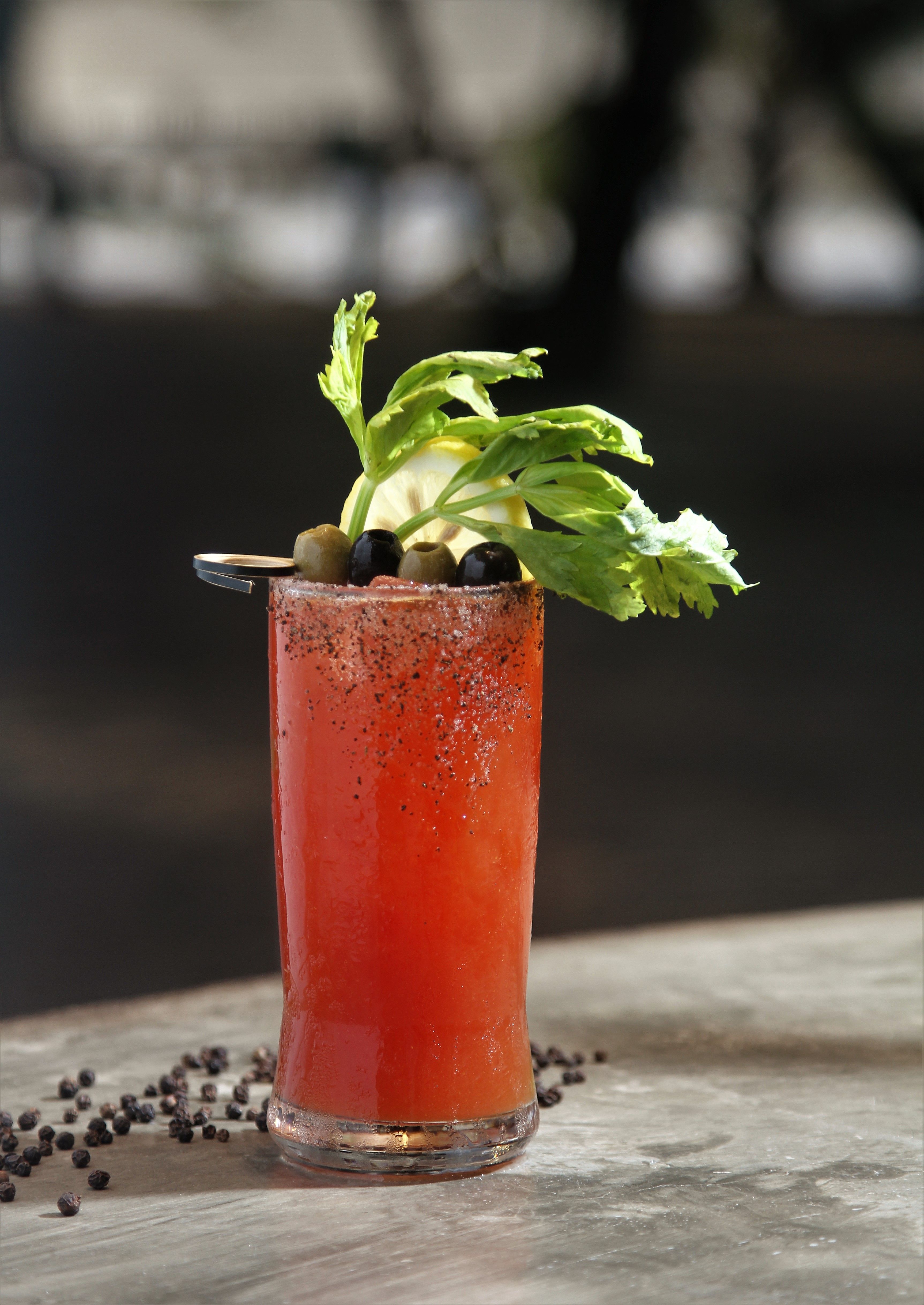
Canada's signature cocktail is not the Bloody Mary, though many visitors assume it is. The Caesar was invented in 1969 in Calgary by bartender Walter Chell to mark the opening of a new Italian restaurant. He drew inspiration from spaghetti alle vongole, trying to translate the briny, savory character of clams into drink form.
The key innovation was Clamato, the blend of tomato juice and clam broth that gave the drink its identity. Mixed with vodka, hot sauce, Worcestershire sauce, and celery salt, it created a cocktail with much more umami depth than a standard tomato-based drink. The rimmed glass and celery garnish helped turn it into a complete sensory experience.
What makes the Caesar especially Canadian is how adaptable it became. Bartenders and home hosts have pushed the formula with pickles, bacon, beans, shrimp, and elaborate skewers, yet the core profile remains savory, spicy, and refreshingly sharp. It became a brunch drink, a hangover remedy, and a patriotic order all at once.
By industry estimates, Canadians consume hundreds of millions of Caesars over time, and the drink has become a staple in bars, restaurants, and backyard gatherings. It is one of those inventions that reveals how national taste works in practice. Canadians embraced a cocktail that is assertive, practical, and slightly eccentric.
Butter Tarts
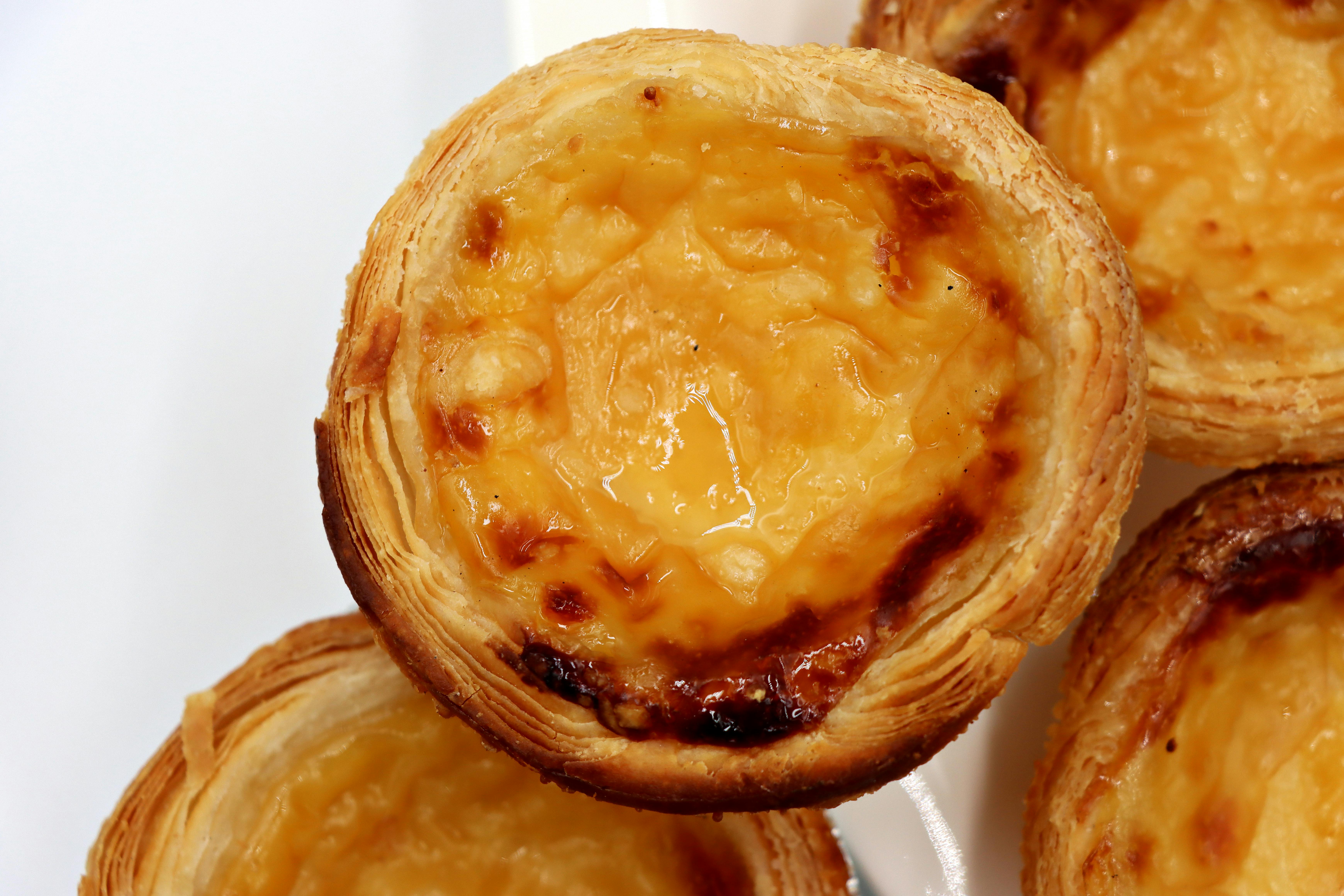
Butter tarts are small, but they occupy a very large place in Canadian baking. Their appeal lies in the contrast between flaky pastry and a rich filling made from butter, sugar, and eggs. The filling can be runny or firm, and that distinction has inspired one of the country's most enduring food arguments.
The tart's printed history reaches back to Ontario cookbooks from the early 1900s, though its roots likely draw on older British and French pastry traditions adapted to Canadian ingredients. Rural kitchens favored desserts that made the most of staples already on hand. Butter tarts fit that logic perfectly, requiring no exotic components and little waste.
Regional variation keeps the category lively. Some bakers insist on raisins, others reject them entirely. Pecans, currants, maple, and even bacon have appeared in modern versions, but traditionalists still measure excellence by pastry texture and balance, not novelty.
Butter tarts matter because they show how a domestic recipe can become part of national identity. They are sold in bakeries, church halls, farmers' markets, and dedicated festivals. Unlike trend-driven desserts, they have remained popular through continuity, proving that invention is not always about spectacle. Sometimes it is about perfecting a humble formula and passing it forward.
Nanaimo Bars

This dessert does not need baking to make an impression, and that alone helped it stand out. Nanaimo bars, named after the British Columbia city of Nanaimo, are layered squares with a crumb base, a custard-flavored middle, and a chocolate top. Their structure gives each bite crunch, creaminess, and snap.
Recipes resembling the bar circulated in mid-20th-century community cookbooks before the name became standardized. By the 1950s and 1960s, the dessert had become strongly associated with Nanaimo, which later embraced it as a civic signature. That kind of local ownership helped turn a regional treat into a national one.
The bar also reflects pantry-era ingenuity. Graham crumbs, cocoa, coconut, nuts, butter, icing sugar, and custard powder were shelf-stable ingredients that allowed home bakers to produce something luxurious without advanced technique. In that sense, Nanaimo bars represent a practical form of elegance.
Today they appear everywhere from holiday dessert trays to coffee shops and airport gift assortments. Their popularity endures because they taste nostalgic without being old-fashioned. They are rich, yes, but also highly recognizable, and in a crowded dessert landscape, recognizability is one of the strongest forms of culinary success.
Maple Syrup Innovations

Maple syrup is older than Canada itself, rooted in Indigenous knowledge that taught settlers how to tap sap and boil it down. But Canada's real invention story is what it built around maple, turning a seasonal product into a sophisticated industry. Quebec, in particular, transformed maple from local sweetener into a globally recognized symbol and export.
That transformation involved technique, grading, storage, and product development. Maple butter, maple sugar, maple taffy, and maple candies expanded the ingredient far beyond pancakes. Producers also improved evaporator technology and sap collection systems, allowing larger-scale production while preserving flavor and quality.
The economic importance is substantial. Canada produces the majority of the world's maple syrup, with Quebec dominating output and maintaining strategic reserves that help stabilize supply. That is not just quaint tradition. It is a modern agricultural system built on a distinct natural resource and generations of refinement.
Calling maple an invention may seem broad, but the case is strong when one looks at what Canada commercialized and perfected. The country did not invent maple trees, of course. It invented a powerful food identity around them, using science, branding, and craftsmanship to make maple one of the clearest edible expressions of place.
Peameal Bacon

This Toronto-area specialty offers a different story from the streaky bacon many people know best. Peameal bacon is made from trimmed pork loin that is cured wet, then rolled in a coating. Historically that coating was ground yellow peas, which helped preservation, though cornmeal became the modern standard.
Its development is often linked to 19th-century Toronto pork packer William Davies, whose processing methods helped popularize the product. Because it used lean loin rather than fatty belly, peameal bacon delivered a meatier slice and a cleaner texture. It could be fried thick and served on a bun, making it especially useful as hearty street food.
The famous peameal bacon sandwich sold at St. Lawrence Market helped cement its reputation. Served simply, often with mustard, it highlights the product rather than burying it under toppings. That directness is part of its appeal. Good peameal bacon tastes juicy, salty, and pleasantly dense.
Outside Canada, people sometimes confuse it with what Americans call Canadian bacon, but the products are not identical. Peameal bacon has a distinct cure, coating, and culinary culture. It deserves recognition as a true Canadian invention because it reflects urban food processing history, local market traditions, and the country's knack for practical specialization.
Ginger Beef

Calgary's Chinese restaurant scene gave Canada one of its great crossover dishes. Ginger beef is widely credited to chef George Wong, who developed it in the 1970s at the Silver Inn Restaurant. He adapted Chinese cooking techniques to local tastes, producing a dish of crispy fried beef coated in a sweet, spicy, gingery sauce.
Its success came from balance and texture. The beef is usually cut into strips, battered or dusted, fried until crisp, then tossed with sauce that often includes ginger, garlic, peppers, vinegar, and sugar. The result lands between stir-fry and bar snack, with enough punch to stand out immediately.
Ginger beef also illustrates an important truth about Canadian food history. Many national favorites emerged where immigrant cooks responded creatively to regional ingredients and customer preferences. This was not culinary compromise in a negative sense. It was innovation under real restaurant conditions, and the dish became a model of how adaptation can create something original.
Today ginger beef appears on menus well beyond Alberta, though Calgary still claims it with pride. It belongs on this list because it shows Canada at its most dynamic: multicultural, commercially savvy, and unafraid of bold flavor. The dish is both local and hybrid, which is often how the best food inventions begin.
Kraft Dinner's Canadian Reinvention
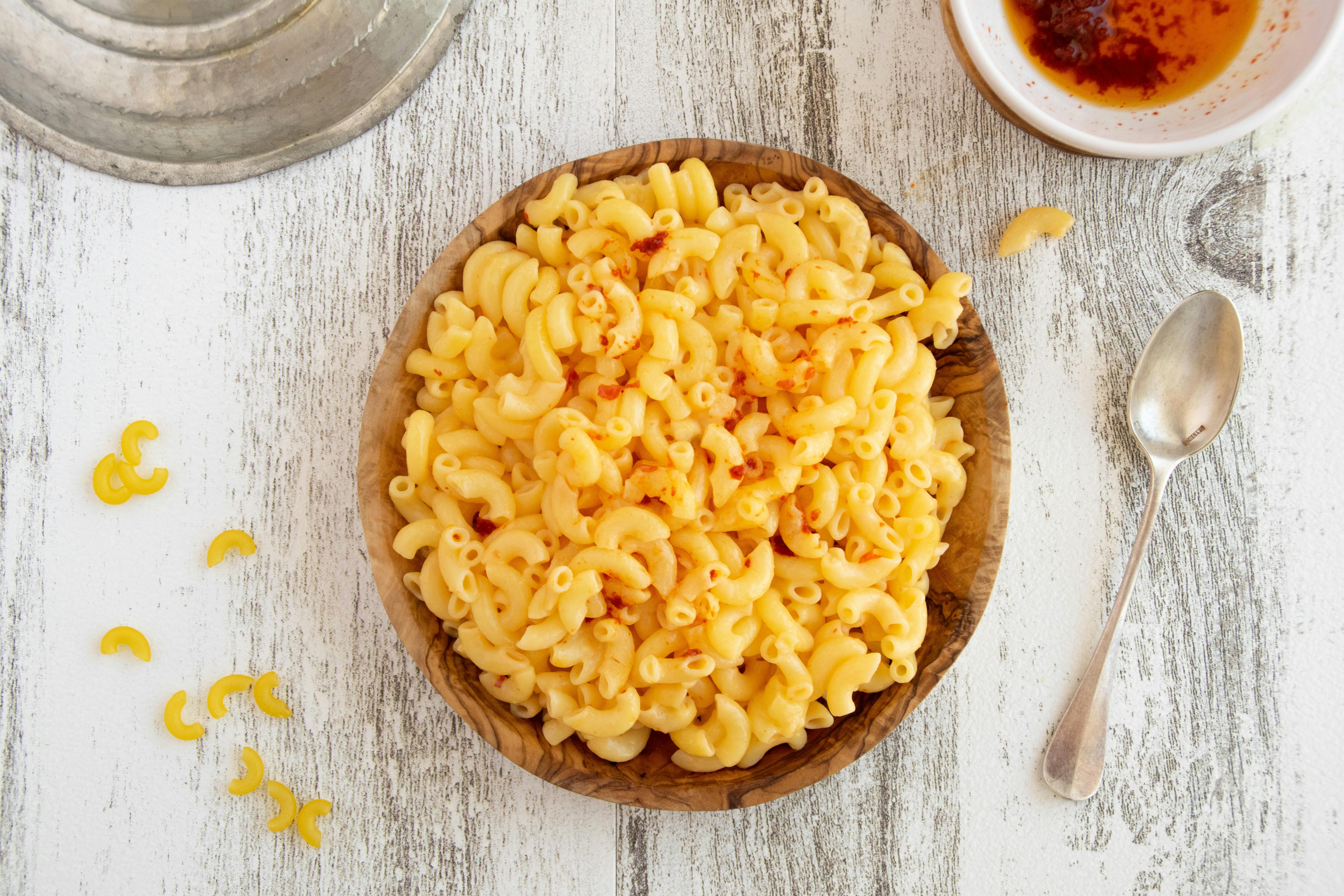
Kraft Dinner was not invented in Canada, but no country adopted and culturally reinvented it the way Canada did. Over decades, boxed macaroni and cheese became one of the nation's most recognizable pantry staples. Canadians have consumed it at extraordinary rates, turning a convenience product into a genuine social marker.
Its place in Canadian life comes from affordability, familiarity, and flexibility. Students, families, shift workers, and campers all embraced it because it was cheap, quick, and filling. People customized it with hot dogs, ketchup, peas, tuna, ground beef, or extra cheese, making it less a fixed recipe than a platform.
That matters because food invention is sometimes about use, not origin. In Canada, Kraft Dinner developed a second life as comfort food with emotional weight far beyond its factory beginnings. It appears in jokes, memoirs, grocery baskets, and nostalgic conversations across generations.
Seen this way, Canada's contribution was to absorb an industrial product and make it culturally specific. The country effectively authored its meaning. Not every food identity comes from a single chef or town. Sometimes a nation invents a tradition by collective habit, and Kraft Dinner in Canada is one of the clearest examples.
Montreal-Style Bagels
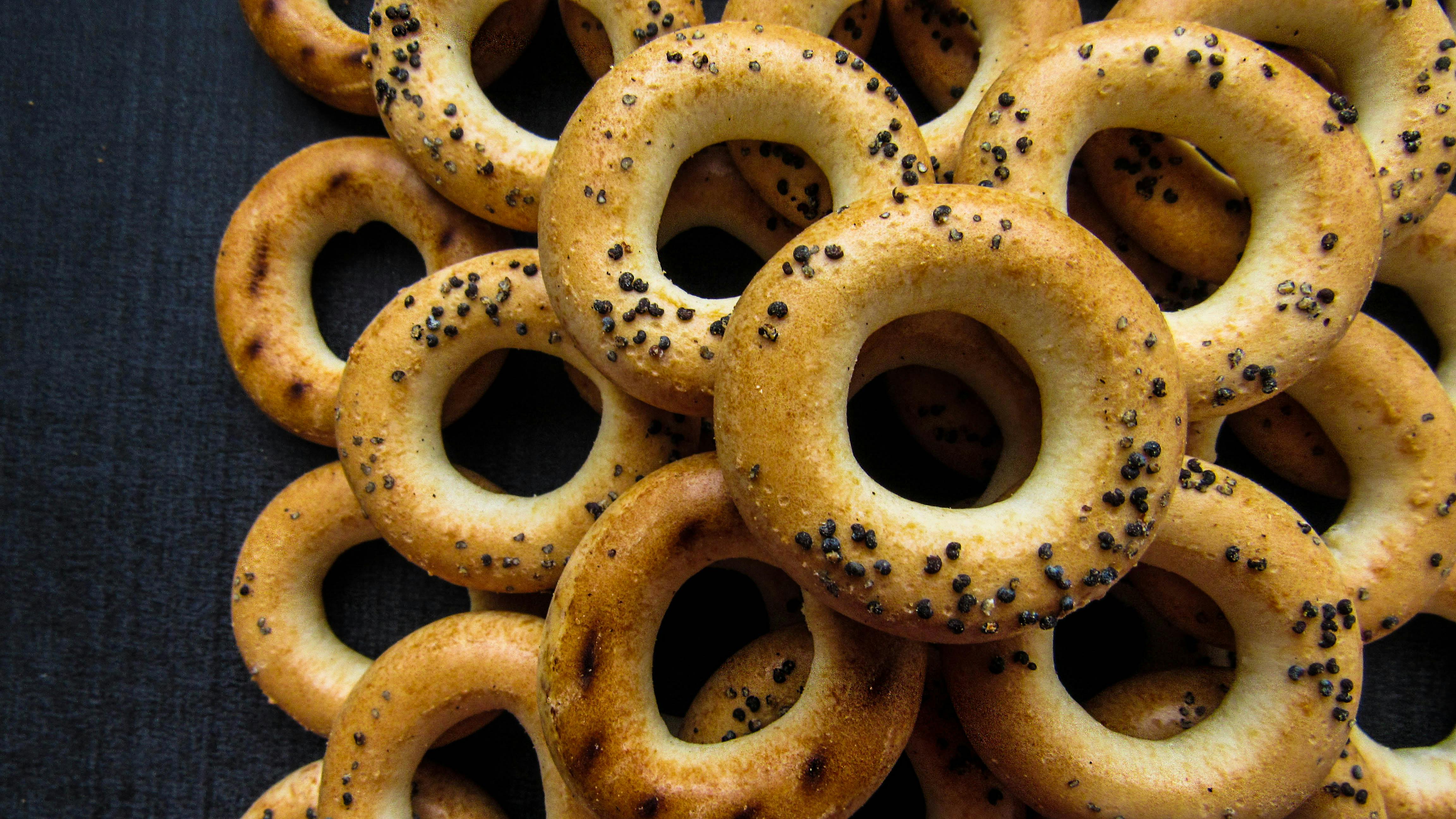
Montreal-style bagels are not simply a regional copy of another bagel tradition. They are a distinctive invention shaped by Jewish bakers who brought Eastern European methods to Quebec and adapted them locally. Smaller, denser, and slightly sweeter than New York-style bagels, they are boiled in honey-sweetened water and baked in wood-fired ovens.
That process creates a glossy exterior, pronounced chew, and lightly smoky finish. Sesame and poppy seed versions dominate, and the best examples taste rich even when eaten plain and warm from the oven. Shops such as Fairmount Bagel and St-Viateur Bagel helped define the style and preserve its reputation over generations.
The bagel's significance goes beyond taste. It reflects Montreal's immigration history, neighborhood food culture, and devotion to artisanal continuity. In a city famous for fiercely defended culinary opinions, bagels remain one of the few foods that consistently justify the hype.
As a Canadian invention, the Montreal bagel demonstrates how adaptation can produce a world-class result. It began with imported tradition, then evolved into something clearly local and unmistakably its own. That pattern runs through many of Canada's best food stories, and few examples are more delicious or more enduring.



Leave a Reply