
Loblaw says there is finally some relief in the grocery aisle, at least in a few key categories. Coffee is part of that story, but the company's October 2026 Food Inflation Report also makes clear that lower pressure does not mean cheap groceries are back.
Grocery inflation cooled in September

September brought better news than many shoppers have seen lately. In its October 26, 2026 Food Inflation Report, Loblaw said food inflation slowed to 1.7% year over year, down from 2.8% in August, after Statistics Canada released September CPI data. That matters because it suggests price growth at the grocery store is easing, even as headline inflation rose to 3.1% because of higher gasoline prices.
That softer food inflation number helps explain why Loblaw says some pantry staples, including coffee, may be seeing less pressure. Still, easing inflation is not the same as lower shelf prices. It simply means prices are rising more slowly than before.
Coffee gets a breather
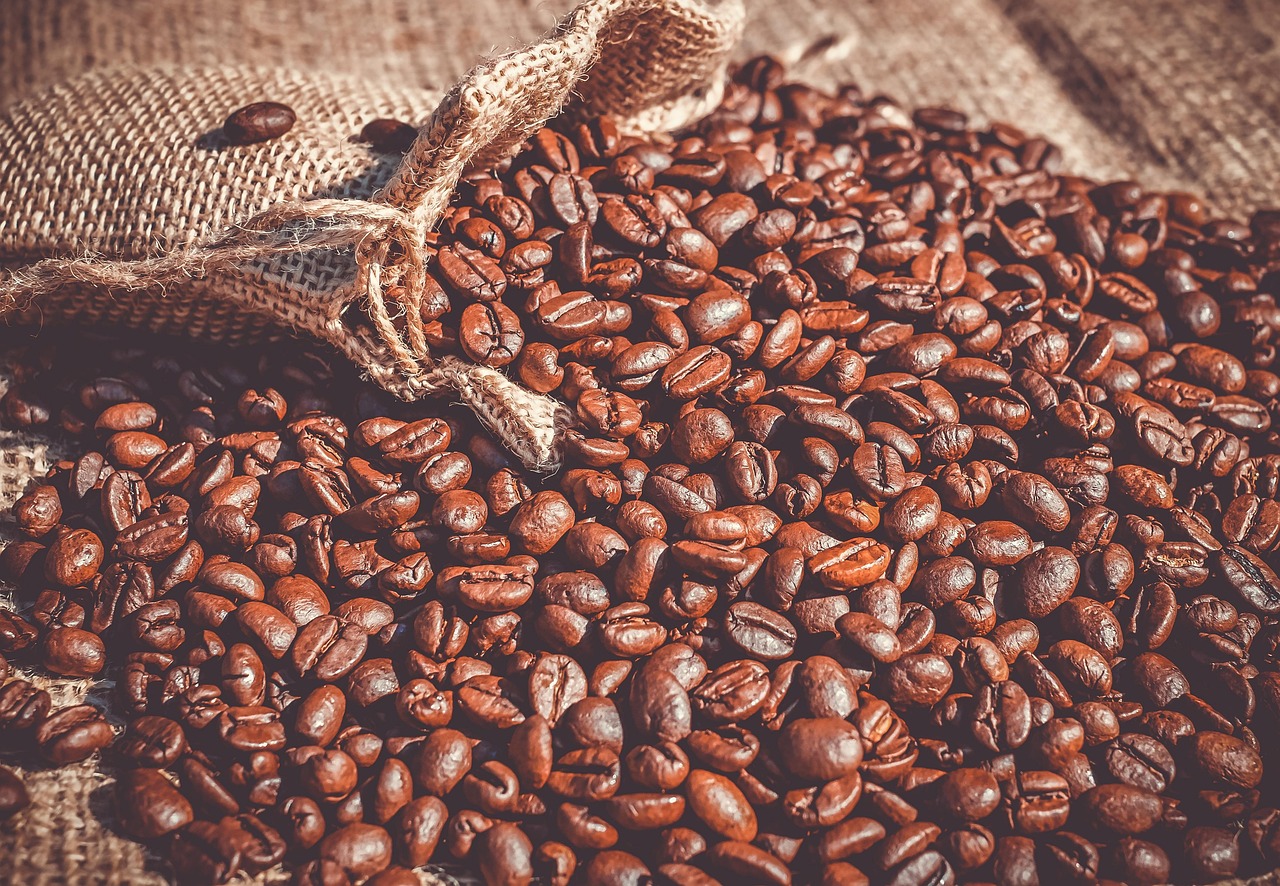
Coffee has been one of those everyday items that can make a receipt feel oddly dramatic. The title prompt says Loblaw says coffee prices are easing, and that broadly fits the company's message that some grocery pressures are cooling, though the report provided does not give a coffee-specific price figure.
What the report does confirm is that food inflation is slowing overall, which creates room for relief in categories that were hit hard by commodity volatility. If coffee prices are easing at Loblaw, the safer way to read that is as part of a wider moderation trend, not a promise that every bag or pod is suddenly a bargain.
Supply chain costs still matter
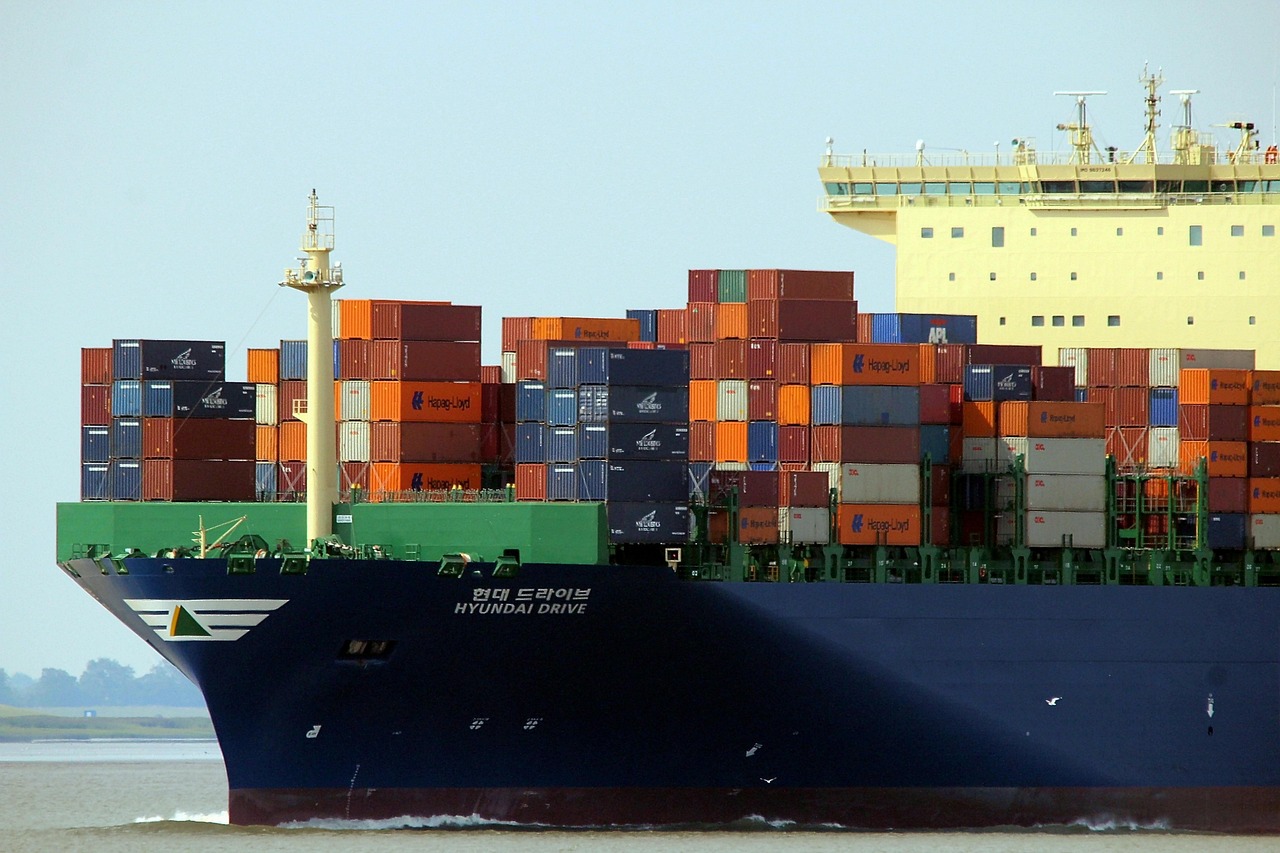
One calmer month does not erase the long list of things that can push prices around. Loblaw says emerging pressures across the food supply chain include rising freight costs, commodity volatility and new tariffs. Those are not tiny background details. They can affect how much it costs to move, source and stock food before it ever reaches a store shelf.
Coffee is especially sensitive to that kind of chain reaction because it is imported, transported and processed before it lands in your mug. In plain terms, even if one pressure eases, another can perk up, and not in the fun morning-caffeine way.
Loblaw says it is pushing back
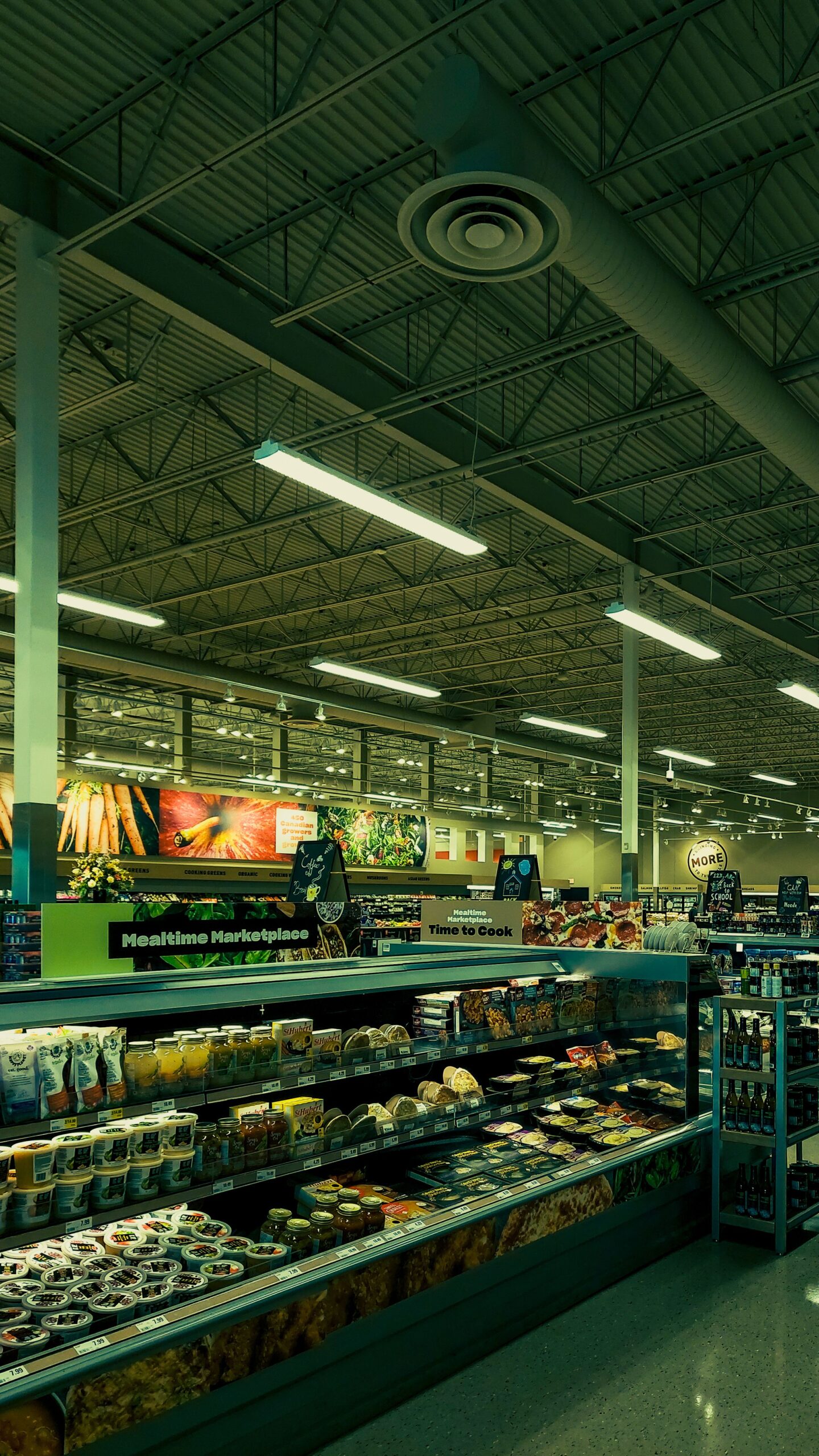
One of the sharper points in Loblaw's report is its claim that it has challenged supplier requests for higher prices. The company says the size of supplier cost increase requests is growing, and that it has successfully pushed back on hundreds of millions in proposed cost increases so far this year.
That does not mean every proposed increase disappears, but it does show where some price negotiations are happening. For shoppers, the practical takeaway is that retail prices are not set by one simple switch. They reflect ongoing back-and-forth among suppliers, transportation costs, commodity markets and retailers trying to limit how much of those increases reach customers.
Food is still pricier than five years ago
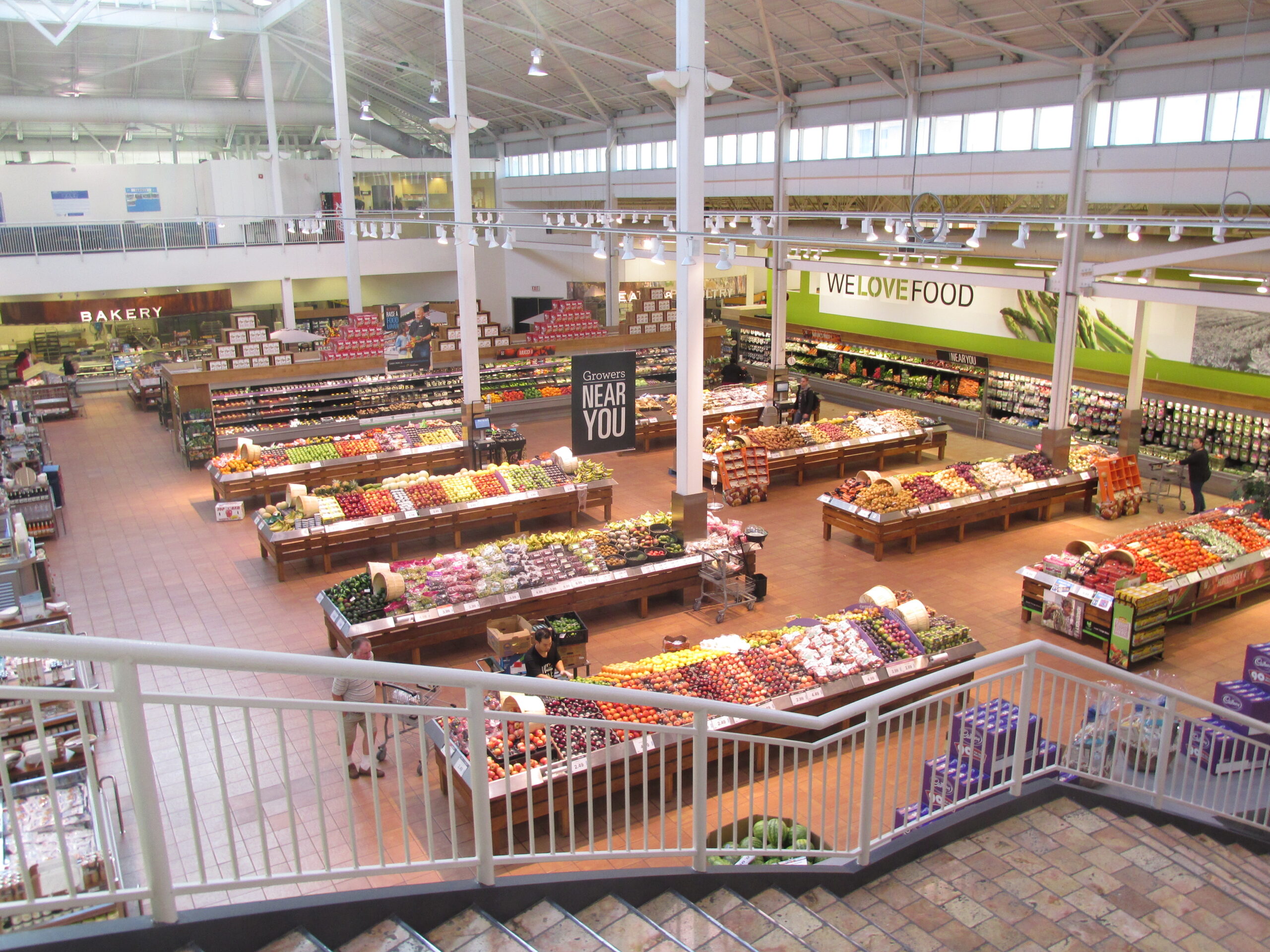
Here is the catch behind the better headline. Loblaw says Canadians continue to face affordability challenges, with food prices still significantly higher than five years ago. So even if coffee and other items stop climbing as quickly, many households may not feel instant relief at checkout.
That gap between inflation rates and real-life budgets is important. A slower rise can be welcome, but it lands on top of years of already higher prices. In other words, the speedometer may be easing off, but the total on the bill is still doing plenty of talking.
A strawberry shows how prices really work
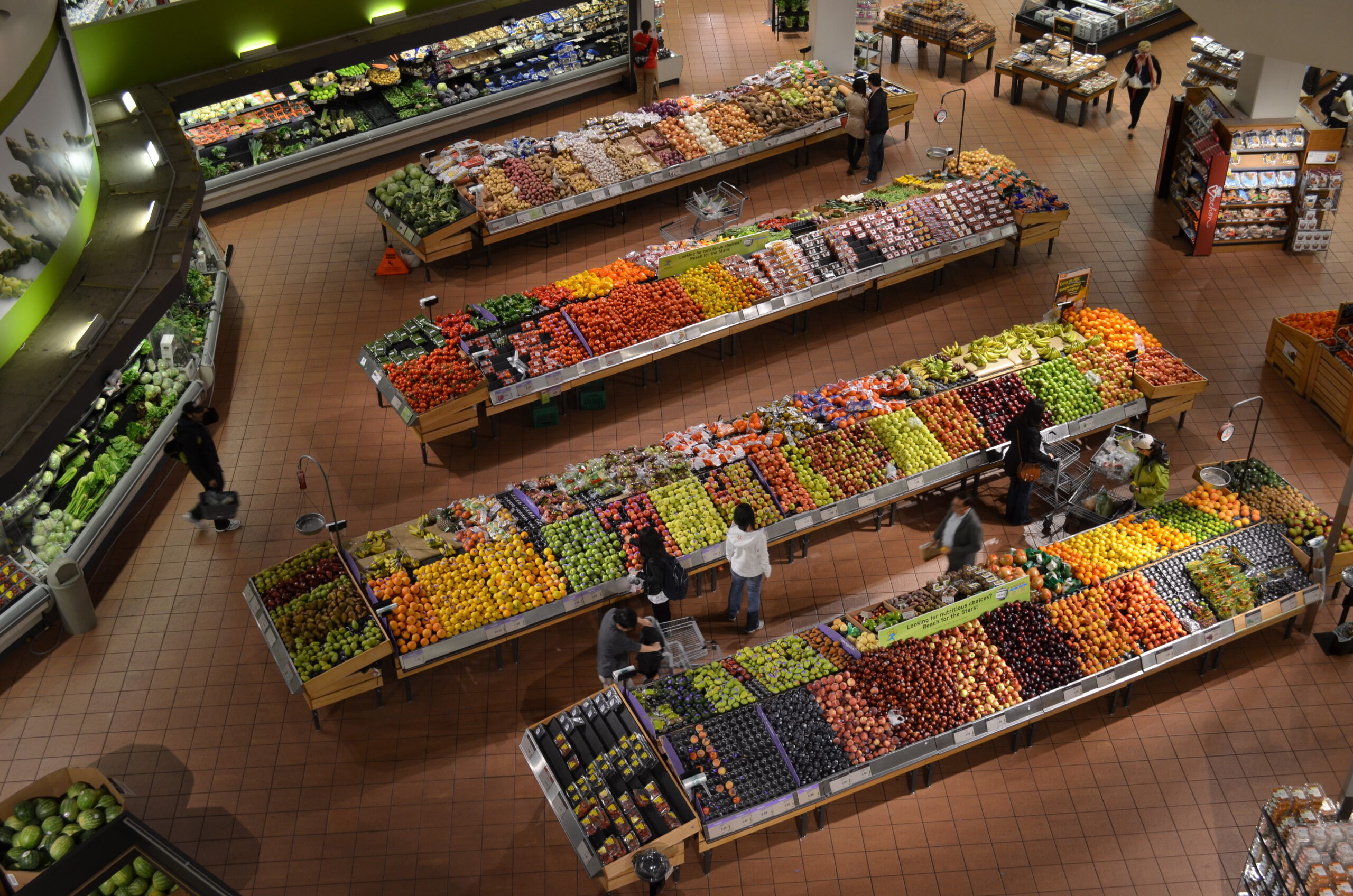
Loblaw's report uses fresh strawberries to show how seasonality, weather and transportation shape grocery pricing. It is a useful example because it reminds shoppers that food prices often reflect a long journey, not just what happens in the store. A crop's growing conditions, shipping route and timing all matter.
That same logic helps explain why categories such as coffee can swing over time, then settle somewhat as conditions improve. The big picture from Loblaw is measured optimism: some grocery inflation is easing, but supply chain risks and affordability concerns are still very much on the table.



Leave a Reply