
A well-stocked baking pantry says a lot about how someone cooks. In this case, it also reveals what an experienced baker no longer trusts.
Why Some Classic Baking Ingredients No Longer Earn a Spot

A serious baker does not throw out ingredients on a whim. The decision usually comes after repeated side-by-side tests, ruined batches, and a growing sense that an old standby is doing less than people assume. That process matters, because baking is less forgiving than everyday cooking. Small changes in fat, sugar, flour, or leavening can alter spread, rise, moisture, browning, and shelf life.
Many of the ingredients that get removed are not inherently bad. They simply stop being the best option once a baker starts paying close attention to consistency and flavor. A product can be cheap, common, and familiar yet still underperform. Professional bakers and recipe developers often make quiet substitutions for exactly this reason, especially when they need dependable results across cakes, cookies, muffins, and pastries.
There is also a broader shift in how people buy ingredients now. Consumers increasingly look for less processed fats, better grains, more nuanced sweeteners, and simpler labels. Food scientists have long noted that ingredient quality affects not just nutrition, but also structure and taste. In baking, that means the pantry becomes a working system, not a collection of random boxes and bags.
The baker in this story did not abandon tradition. She refined it. What she threw out were ingredients that created weak flavor, unpredictable texture, or unnecessary additives. What replaced them were practical upgrades that deliver better crumb, cleaner taste, and stronger performance in everyday home baking.
The White Sugar Swap: Keeping Sweetness, Adding Character
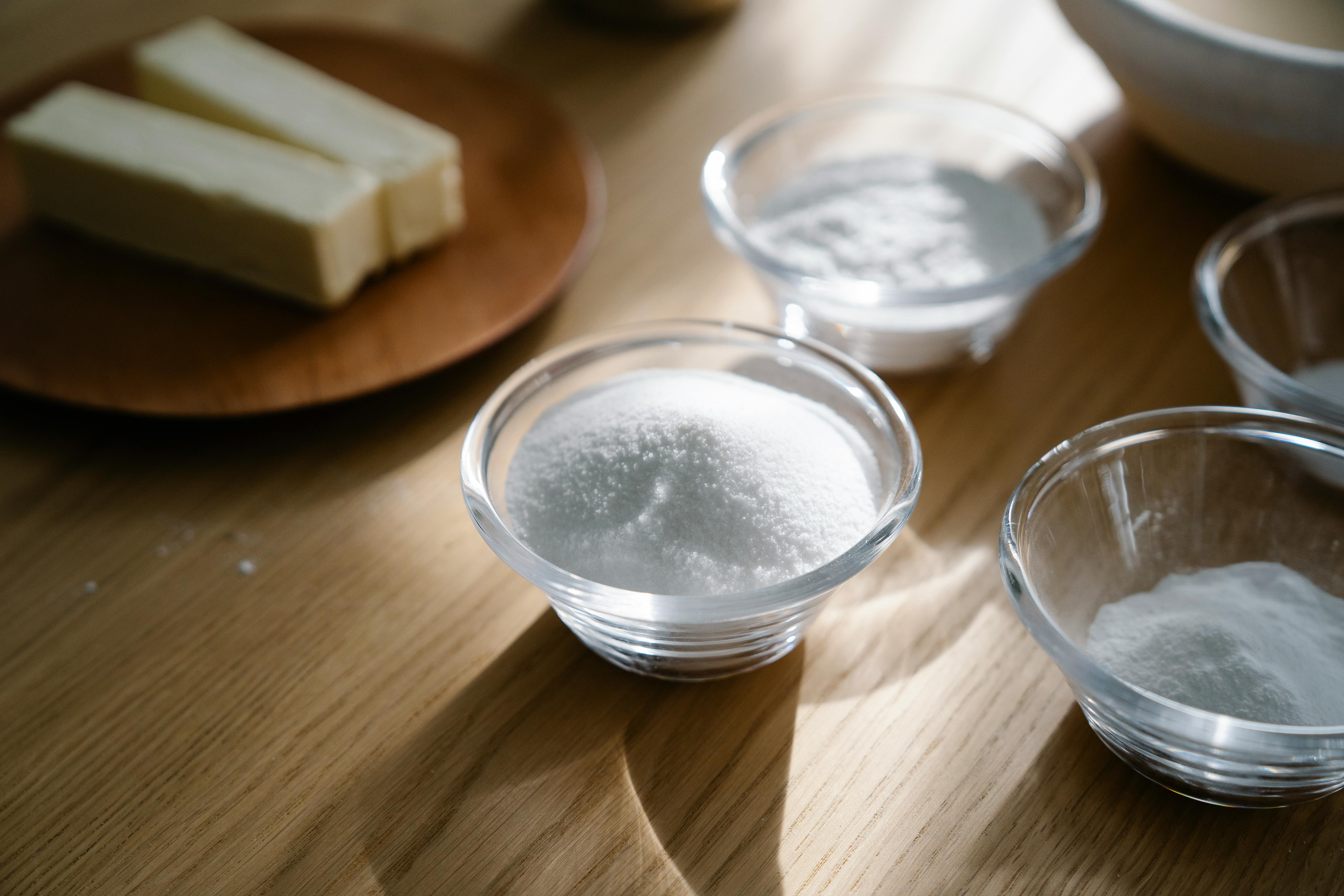
Granulated white sugar is one of the first ingredients many bakers reconsider. It sweetens efficiently, but it contributes little else beyond bulk, browning support, and moisture control. In recipes where sugar is a main flavor component, that neutrality can make finished bakes taste flat. A baker who wants depth often starts reaching for less refined or more flavorful alternatives.
One common replacement is cane sugar with a slightly less processed profile, or even a mix of white and raw sugars. Turbinado and demerara sugars can add light molasses notes and pleasant texture on top of muffins, crisps, and cookies. Coconut sugar has also become popular, though it behaves differently and can darken batters more quickly. The best bakers use it selectively, not as a universal one-to-one cure-all.
For cakes and tender cookies, many experienced bakers prefer light brown sugar when they want softness and a fuller taste. Because it contains molasses, it can improve moisture retention and create a richer aroma. In chocolate chip cookies, for example, increasing brown sugar often produces a chewier center and deeper caramel notes. That is not trend-driven advice. It is a functional choice with visible results.
The key is understanding what sugar is doing in a recipe. Replacing all white sugar blindly can throw off spread or sweetness perception. But replacing some of it often improves complexity without sacrificing structure. For a baker who values flavor as much as appearance, plain white sugar is no longer the automatic default it once was.
The Fat Upgrade: Replacing Shortening and Cheap Oils
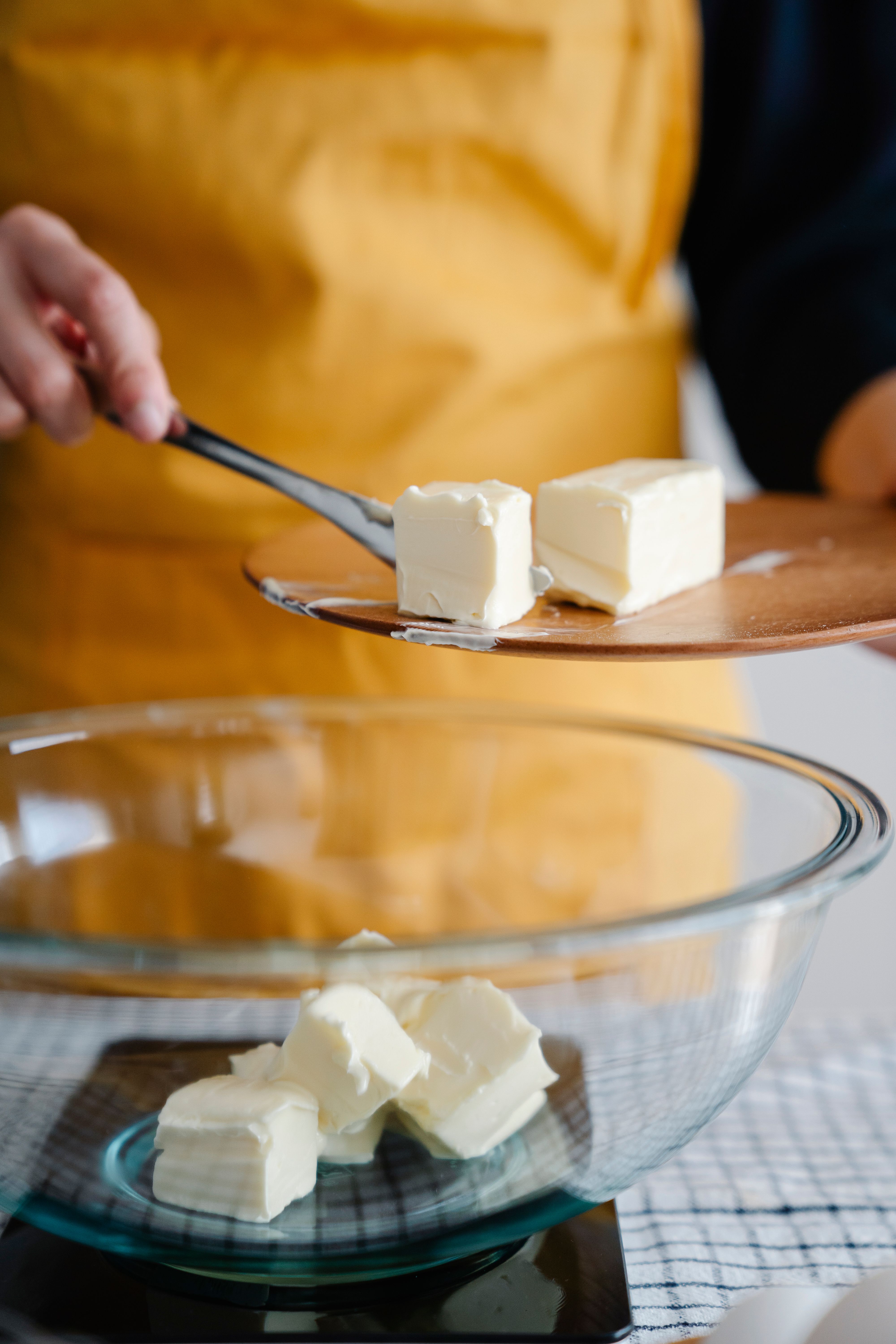
Few ingredient purges are as revealing as the decision to throw out shortening. It has long been prized for tenderness and stability, especially in pie crusts and frostings. But many bakers eventually decide the trade-off is not worth it. Shortening can create texture, yes, but it often leaves behind a waxy mouthfeel and a flavor that feels absent rather than clean.
In its place, many serious bakers now use high-quality butter, cultured butter, or carefully chosen neutral oils. Butter brings water, milk solids, and unmistakable flavor, all of which help create complexity in cookies, cakes, and laminated doughs. Cultured butter goes further, adding a faint tang that can make pastry taste more finished. The difference is especially noticeable in simple recipes with few ingredients.
Cheap vegetable oils are another ingredient some bakers quietly retire. Oils made from generic blends can be inconsistent in taste and freshness, particularly once opened. Instead, bakers often switch to avocado oil, grapeseed oil, or a dependable light olive oil for recipes that need liquid fat. These options tend to offer cleaner flavor and more predictable performance in quick breads, snack cakes, and muffins.
There are still cases where structure matters more than flavor, and some professionals keep shortening for specific uses. But for the home baker trying to improve everyday results, upgrading fats is one of the clearest wins. Better fat means better aroma, better crumb, and a more satisfying finish on the palate.
The Flour Rethink: Moving Beyond Basic All-Purpose
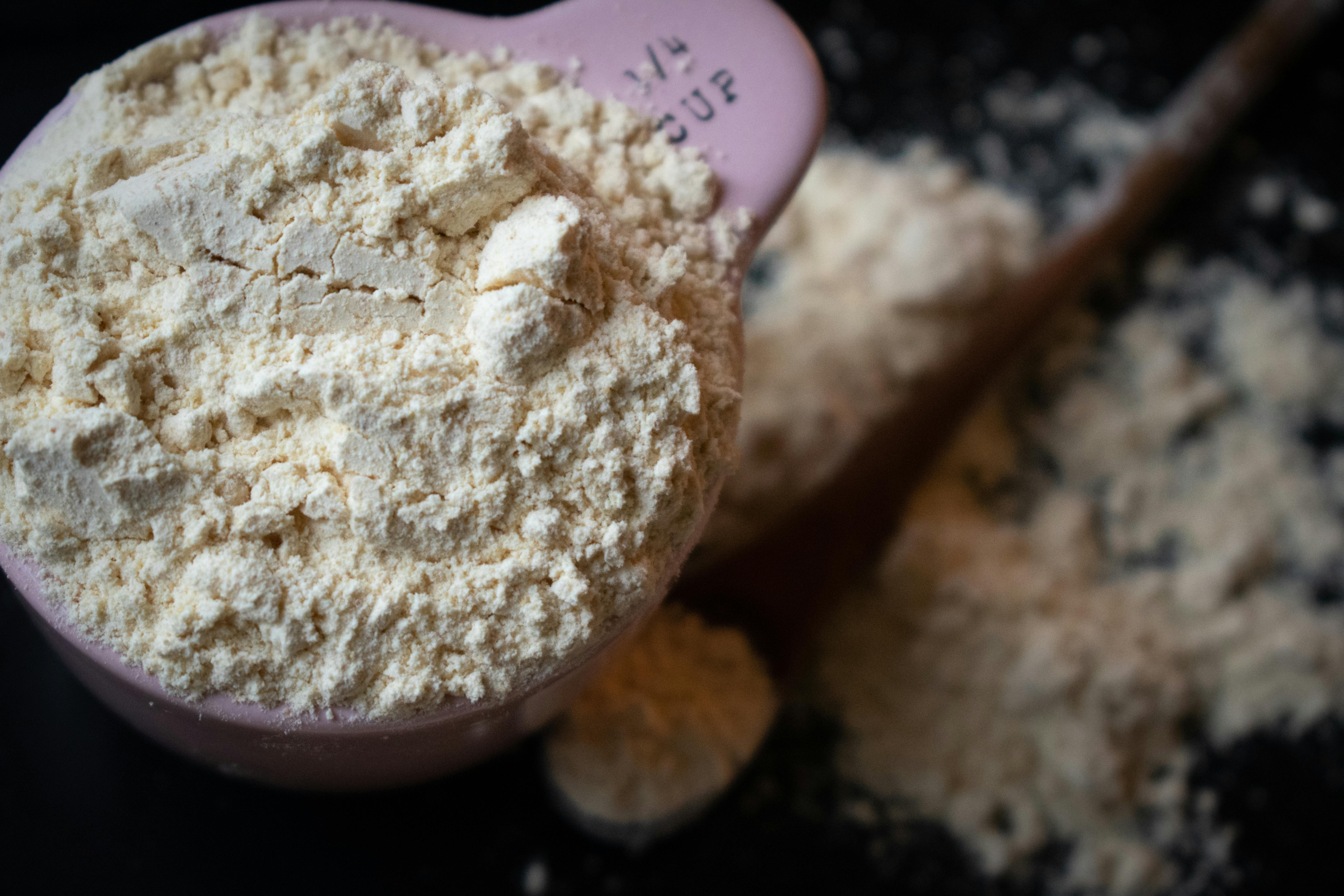
Flour may look interchangeable on the shelf, but experienced bakers know that protein level, milling style, and grain quality change everything. Standard all-purpose flour is versatile, yet it is not always ideal. One brand may produce tender muffins, while another creates a firmer crumb or absorbs more liquid. Bakers who chase consistency often start by narrowing their flour choices or replacing generic flour altogether.
A common replacement is unbleached all-purpose flour from a trusted miller. Many bakers find it delivers better flavor and a more natural color than heavily processed alternatives. Others keep multiple flours on hand, such as pastry flour for tenderness and bread flour for chew. That may sound advanced, but it is really about matching the flour to the job rather than forcing one bag to do everything.
Whole grain flours are another thoughtful replacement, especially when used in moderation. White whole wheat flour, oat flour, and freshly milled whole wheat can add sweetness, nuttiness, and more nutritional value. In muffins, banana bread, and snack cakes, swapping in 20% to 30% whole grain flour often deepens flavor without making the bake heavy. Many test kitchens now recommend these partial substitutions for more balanced results.
The smartest flour swap is not dramatic. It is deliberate. A baker who tosses out old, inconsistent, or low-quality flour is really choosing precision. Better flour improves texture from the inside out, and that is exactly the kind of quiet improvement serious bakers care about most.
The Leavening and Flavoring Cleanout That Improved Every Batch

Some pantry ingredients fail not because they are trendy or old-fashioned, but because they are past their prime. Baking powder, baking soda, cocoa powder, spices, and vanilla can sit for months or years, quietly losing strength. A serious baker often discovers this after a cake rises unevenly or a spice cookie tastes dull. The solution is not more product. It is fresher product.
One of the first things many bakers throw out is stale baking powder. Most commercial baking powder remains usable for a while, but its power fades once opened and exposed to humidity. The same goes for baking soda stored near heat or steam. Replacing them regularly can dramatically improve lift in biscuits, cupcakes, and pancakes. This is one of the least glamorous upgrades, but it may be the most important for reliability.
Artificial vanilla is another ingredient many experienced bakers phase out. In strongly baked applications, imitation vanilla can sometimes pass unnoticed, but real vanilla extract, vanilla paste, or even scraped vanilla bean creates a rounder and more layered flavor. Good cocoa matters too. Dutch-process cocoa and natural cocoa are not interchangeable in every recipe, and choosing the right one affects both taste and chemistry.
Fresh cinnamon, nutmeg, ginger, and cardamom also transform simple recipes. According to sensory research, volatile aroma compounds in spices degrade over time, reducing their impact. When a baker replaces tired flavorings with fresher, higher-quality versions, the difference is immediate. Suddenly, familiar recipes taste intentional again.
What These Replacements Mean for Home Bakers Right Now
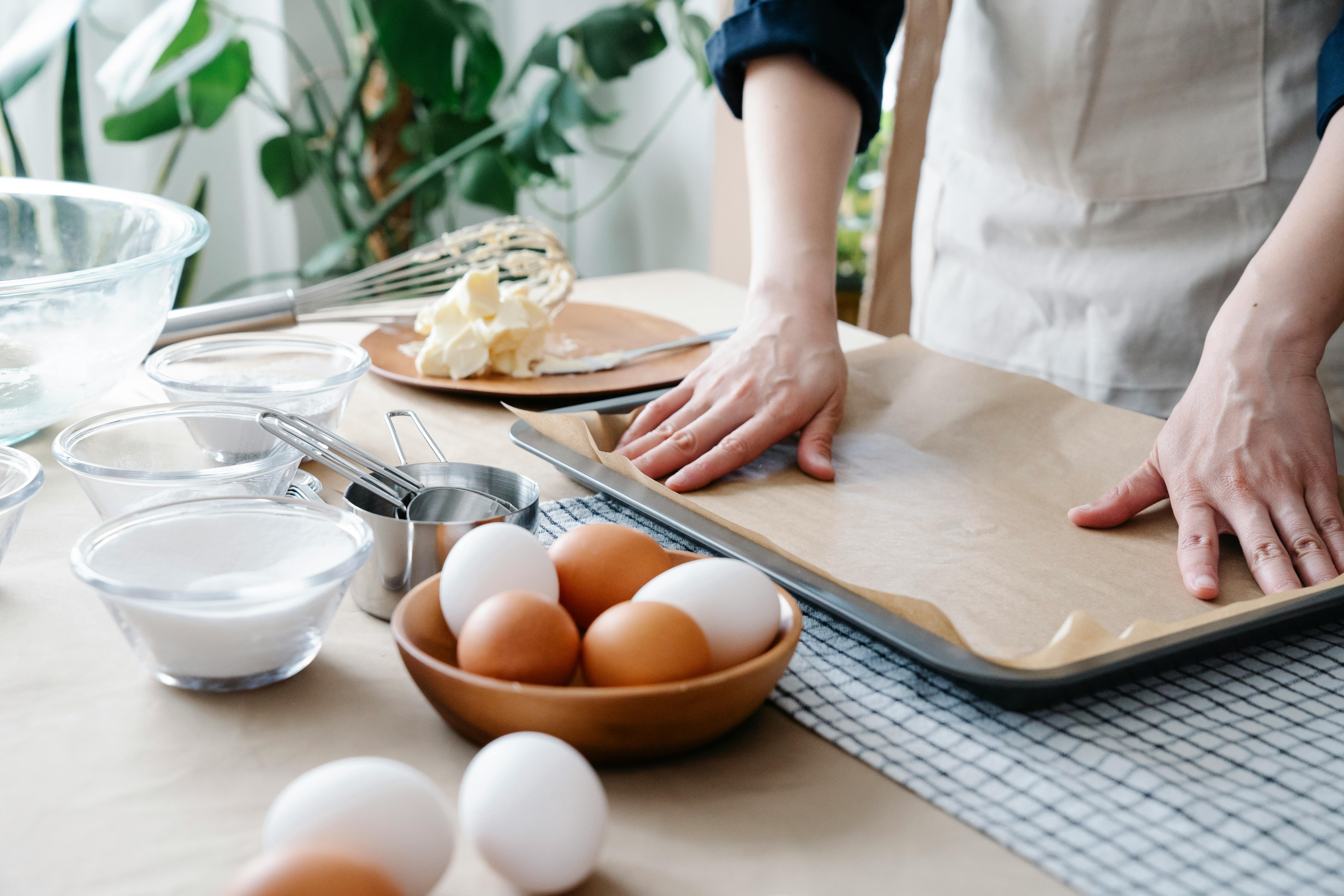
The lesson here is not that every old ingredient belongs in the trash. It is that thoughtful baking starts with evaluating what each ingredient actually contributes. If a pantry staple adds bulk but not flavor, or convenience but not consistency, it deserves a second look. Serious bakers make these edits because repetition teaches them where the weak spots are.
For home bakers, the most practical approach is gradual replacement. Start with the ingredients you use most often, especially flour, sugar, fat, leavening, and flavor extracts. Bake one recipe with the old version, then again with the upgraded one. Compare color, rise, crumb, aroma, and taste. That kind of testing builds skill faster than buying expensive equipment ever will.
These changes also reflect a larger shift in food culture. People increasingly want ingredients that are transparent, functional, and worth the shelf space they occupy. In baking, that translates to fewer fillers, fresher flavorings, and fats and flours chosen with purpose. Better ingredients do not guarantee great baking, but they remove unnecessary obstacles.
In the end, what this baker threw out was not tradition. She threw out mediocrity. What replaced it were ingredients that work harder and taste better, giving every loaf, cookie, tart, and cake a stronger chance of turning out exactly as intended.




Leave a Reply